分类: blog

  • How to Choose the Right Infusion Chair for Your Needs?

    How to Choose the Right Infusion Chair for Your Needs?

    Picking the right Infusion Chair really makes a difference when you’re going through treatments. I mean, many folks end up sitting in these chairs for hours, so obviously, the right one can really impact your comfort and overall experience. It’s definitely worth paying attention to things like cozy upholstery, adjustable features, and support that fits different body types.

    Plus, depending on your specific health needs, you might want something a bit more specialized. Some chairs are designed for certain types of therapy, while others are more general-purpose. It’s good to get a sense of how a chair’s design and features match what you actually need. You might find options with ergonomic support or even techy features like advanced controls—that sort of stuff can really make a difference.

    As you browse around, think about what’s most important to you. How long will your treatments last? Do you need a chair that’s easy to move around in? Finding the perfect fit isn’t just about comfort; it’s about supporting your overall health journey. So, take your time, reflect on what matters most to you, and choose what feels right — because in the end, your comfort and well-being come first.

    How to Choose the Right Infusion Chair for Your Needs?

    Understanding the Purpose of Infusion Chairs in Medical Settings

    Infusion chairs play a crucial role in medical settings. They are designed for
    patient comfort during long treatments. Patients undergoing infusions may spend hours sitting in these chairs.
    Therefore, adequate support and comfort are essential. A
    Heated Infusion Chair
    provides additional warmth, which can enhance relaxation and ease tension.

    When selecting an infusion chair, consider the specific needs of your patients.
    Comfort features, such as adjustable reclining and
    ergonomic support, are vital. It’s also important to assess
    the chair’s durability and ease of cleaning. A well-constructed chair should withstand daily use while remaining hygienic.
    Always account for the space available in your facility as well.

    Evaluation of patient experience should guide your choice. Collect feedback on seating preferences and comfort levels.
    Creating a welcoming environment can improve treatment experiences.
    A heated infusion chair might not be the only solution, but it can greatly enhance comfort.
    Continuous improvement in chair design can lead to better patient outcomes.

    Key Features to Consider When Selecting an Infusion Chair

    When selecting an infusion chair, key features matter. Comfort is essential. Look for ample padding and adjustable components. Studies indicate that patients report less discomfort in chairs designed for long-term use. A well-designed Bariatric Infusion Chair can greatly enhance the overall experience for larger patients.

    Space is another consideration. Many infusion chairs are bulky. Ensure that the chair fits your facility’s layout. A good chair should support a variety of body types. This is crucial for maximizing patient accessibility. Check the weight capacity to ensure it meets the needs of all patients.

    Tips: Always prioritize cleaning ease. Reinforced materials can support rigorous sanitization processes. Consider mobility features too. Chairs with wheels can facilitate easier transport within your facility. Not all infusion chairs are created equal. Assessing these specifics can lead to better patient outcomes.

    How to Choose the Right Infusion Chair for Your Needs? – Key Features to Consider When Selecting an Infusion Chair

    Feature Description Importance Considerations
    Ergonomics Designed for comfort during long infusion sessions. High Adjustability for different body types.
    Material Quality Durable and easy to clean materials. Medium Choose non-porous materials for hygiene.
    Mobility Ability to easily move the chair for cleaning or repositioning. Medium Wheels and lightweight design are key.
    Customization Options for personal adjustments like reclining, height, and armrest positions. High Different models may offer various levels of adjustment.
    Aesthetic Design Visual appeal and how it fits into the existing decor. Low Consider color and style preferences.

    Types of Infusion Chairs and Their Specific Benefits

    Choosing the right infusion chair can significantly impact patient comfort and overall treatment experience. Various types of infusion chairs serve specific needs, ensuring better care in clinical settings. For instance, zero-gravity chairs are designed to alleviate pressure on the spine and limbs. Research indicates that reducing stress on these areas enhances patient wellbeing during long infusion sessions.

    Reclining infusion chairs provide excellent support and adjustability. A study from the Journal of Infusion Nursing shows that adjustable positions can improve circulation. These chairs often have ergonomic designs, promoting relaxation. Some models even include built-in heating elements to soothe muscles.

    Lastly, specialty chairs cater to unique patient needs. For example, pediatric infusion chairs often feature bright colors and playful designs. They help ease anxiety for younger patients. Offering a comforting environment not only enhances their experience but can lead to better health outcomes. Addressing individual preferences in chair selection remains a challenge, highlighting the need for ongoing evaluation and adaptation in clinical practices.

    Assessing Comfort and Ergonomics in Infusion Chairs

    How to Choose the Right Infusion Chair for Your Needs?

    Choosing the right infusion chair involves careful attention to comfort and ergonomics. When patients spend hours in these chairs, the right design can greatly impact their experience. Ergonomically designed chairs promote healthy posture. They reduce strain on the body, ensuring a more pleasant infusion session.

    Look for chairs with adjustable features. Height adjustment, recline options, and armrests can make a significant difference. If you feel discomfort, something may be amiss. Always prioritize materials that breathe well. Chairs with breathable fabrics help maintain a comfortable temperature.

    Tips: Test the chair before making a decision. Sit in it for an extended period. Notice any pressure points. Consider the chair’s width and depth. A wider seat may provide more comfort if you are taller or larger. Pain can come from a poor fit, leading to an unpleasant experience. Listen to your body; comfort is not just a luxury, it’s vital.

    Evaluating Durability and Maintenance Requirements

    When selecting an infusion chair, durability and maintenance are crucial aspects. A well-built chair will withstand heavy use, especially in clinical settings. Look for materials that resist wear and tear. For instance, breathable fabrics can help maintain a clean environment. Easy-to-clean surfaces prevent the buildup of germs. Regular maintenance ensures longevity and reliability.

    Hydraulic Infusion Chairs are a popular choice due to their adjustable heights. This feature enhances comfort for both patients and staff. However, hydraulic systems may require more care. Regular checks on hydraulic fluid levels are necessary. A failure to maintain the system can lead to functionality issues. Pay attention to creaking sounds or uneven height adjustments.

    Finding the right balance between comfort and durability can be challenging. Some chairs prioritize plush seating but sacrifice sturdiness. Others are robust but not comfortable enough for extended use. It’s essential to test different models. Consider how often maintenance will be necessary. Ultimately, choosing a chair aligns with the specific needs of your environment.

    Budget Considerations for Infusion Chair Purchases

    When considering the purchase of an infusion chair, budget plays a crucial role. A Reclining Infusion Chair can vary widely in price. It’s essential to determine what features are non-negotiable for your specific needs. While a higher price tag often brings enhanced comfort and durability, there are more affordable options that still meet basic requirements.

    Tips: Research common price ranges in your area. Online marketplaces often have user reviews that can guide you toward quality chairs at different price points. It’s wise to compare options thoroughly. Remember to look at the warranty and customer support before making a decision.

    Quality should not be sacrificed for cost. Many chairs in a lower price range may lack essential ergonomic features. Look for adjustable reclining options, sturdy armrests, and adequate cushioning. Sometimes, spending a little more upfront can lead to better long-term satisfaction.

    Tips: Consider used options too. They can provide excellent value. Always inspect for wear and tear before purchasing. Visiting local suppliers may provide better deals with in-person negotiations. The right Reclining Infusion Chair can greatly enhance the comfort of your infusion experience, regardless of budget constraints.

    Gathering User Feedback and Expert Recommendations

    When selecting an infusion chair, user feedback plays a crucial role. Individuals undergoing treatments often express concerns about comfort and functionality. Gathering insights from these users can guide you in making a more informed choice. Experts recommend looking for features that enhance the experience, such as adjustable seating positions and adequate arm support.

    One way to ensure the chair meets your needs is to try it out before purchasing. Comfort is subjective; what works for one might not suit another. User reviews often highlight specific features like fabric quality and ease of cleaning. Pay attention to comments about stability and durability, as these aspects greatly affect long-term satisfaction.

    Remember, not all chairs will fit every individual perfectly. It may require some trial and error. Ask about return policies, or see if the provider offers a trial period. This flexibility gives you peace of mind. Lastly, consider reaching out to healthcare professionals for their recommendations. Their expertise can guide you toward a chair that truly meets your needs.

    Innovative and Durable: The Advantages of Customized 3-Seater Stainless Steel Infusion Chairs for Modern Medical Facilities

    In the realm of modern medical facilities, the need for innovative and durable furniture is paramount. Customized 3-seater stainless steel infusion chairs stand out as an exceptional solution, tailored to meet the diverse requirements of clinics, hospitals, and similar environments. With a minimalist backless design, these chairs not only provide flexible support for infusion patients but also accommodate family members comfortably, ensuring that essential items can be easily stowed. Their adaptability makes them perfect for various settings, from educational institutions to dental offices and healthcare facilities.

    Built to withstand high-frequency use, these infusion chairs feature an integrally formed stainless steel seat that is both perforated for ventilation and easy to clean. This design efficiently resists disinfectant corrosion, making maintenance straightforward in busy medical environments. The stability provided by the curved support frames, along with non-slip foot pads, ensures safety for all users. As a practical and space-saving option, these chairs address temporary rest needs within public spaces, enhancing overall patient experience while maintaining a sleek aesthetic that complements the modern healthcare environment.

    FAQS


    : What are the benefits of zero-gravity infusion chairs?

    : Zero-gravity chairs reduce pressure on the spine. This design enhances patient wellbeing during long infusion sessions.


    Why are reclining infusion chairs important?

    Reclining chairs offer adjustable support. Adjustable positions improve circulation and provide ergonomic benefits during treatments.


    How can the design of infusion chairs affect comfort?

    Comfortable designs promote healthy posture. Ergonomics reduce body strain, leading to a more pleasant experience during infusions.


    What features should you consider when choosing an infusion chair?

    Look for adjustable height, recline options, and comfortable armrests. These features can significantly impact patient comfort.


    Why is testing an infusion chair important?

    Testing chairs helps identify pressure points. Prolonged sitting can reveal discomforts that might need addressing before purchase.


    What materials are best for infusion chairs?

    Breathable fabrics are ideal. They maintain a comfortable temperature and support a clean environment, which is crucial in clinical settings.


    How do you ensure the durability of infusion chairs?

    Choose chairs made from wear-resistant materials. Regular maintenance is essential to prevent wear and extend the chair’s lifespan.


    What maintenance do hydraulic infusion chairs require?

    Hydraulic chairs need regular checks on fluid levels. Neglecting this maintenance can cause functionality issues over time.


    How do pediatric infusion chairs help young patients?

    Pediatric chairs have bright colors and playful designs. These features reduce anxiety and improve the overall experience for children.


    What challenges exist in selecting the right infusion chair?

    Balancing comfort and durability can be tough. Some chairs are plush but may lack sturdiness needed for frequent use.

    Conclusion

    When selecting the right Infusion Chair for medical settings, it’s crucial to understand its purpose, which is to provide a comfortable and functional environment for patients undergoing treatments. Key features to consider include adjustable components, sufficient space for movement, and integrated technology to enhance patient experience. Various types of Infusion Chairs offer specific benefits, such as enhanced comfort or improved accessibility.

    Assessing comfort and ergonomics is vital to ensure that patients can relax during their infusions, while evaluating durability and maintenance requirements will help ensure long-term use. Budget considerations are also important, as they dictate what features can be prioritized. Finally, gathering user feedback and expert recommendations can provide valuable insights into the best options available, ultimately leading to a well-informed decision when purchasing an Infusion Chair.

    Isabella

    Isabella

    Isabella is a dedicated marketing professional with extensive expertise in the healthcare furniture manufacturing industry. With years of experience under her belt, she possesses an in-depth understanding of the intricate needs of hospitals, clinics, and laboratories. Isabella is passionate about……


    Previous


    Top 10 Treatment Room Designs You Need to Know?

  • ZHOBAI Completes Turnkey Medical Furniture Project for a 500-Bed General Hospital in Romania

    ZHOBAI Completes Turnkey Medical Furniture Project for a 500-Bed General Hospital in Romania

    News 2: ZHOBAI Completes Turnkey Medical Furniture Project for a 500-Bed General Hospital in Romania
    Published: April 8, 2026
    ZHOBAI, a leading provider of comprehensive medical furniture solutions, recently announced the successful completion of a major turnkey project for a 500-bed general hospital in Bucharest, Romania. This project marks another milestone in ZHOBAI’s global expansion, showcasing the company’s ability to deliver full-cycle services from initial design and space planning to production, shipping, and installation for international healthcare projects.
    ZHOBAI Romania Hospital Project
    Project Overview
    The hospital, located in the northern part of Bucharest, is a new public healthcare facility designed to serve over 200,000 residents in the region. The project covered all medical furniture needs across 11 floors, including inpatient wards, operating rooms, outpatient departments, emergency centers, laboratories, and administrative offices.
    The biggest challenge of this project was meeting both European Union medical standards and the hospital’s specific requirements for space optimization and workflow efficiency. Additionally, the tight construction schedule required precise coordination between ZHOBAI’s design, production, and logistics teams.
    Medical Furniture Installation Romania
    ZHOBAI’s Integrated Approach
    ZHOBAI assigned a dedicated international project team to this initiative, which worked closely with the hospital’s architects, engineers, and medical staff throughout the entire process:

    1
    Customized Space Planning & Design
    • Conducted in-depth interviews with department heads and frontline medical staff to understand their daily workflows and pain points.
    • Developed detailed 3D renderings for each department, allowing the hospital to visualize the final layout and make adjustments before production began.
    • Optimized the layout of inpatient wards to ensure sufficient space for medical equipment and patient care, while also creating private areas for family visits.

    2
    Full-Suite Product Supply & Customization
    • Provided a complete range of medical furniture, including electric hospital beds, nurse stations, medical cabinets, treatment carts, waiting chairs, and office furniture.
    • Customized products according to EU medical standards, such as using fire-resistant materials and antibacterial surfaces.
    • Designed specialized storage solutions for different departments, such as temperature-controlled cabinets for laboratories and secure medication cabinets for wards.

    3
    End-to-End Project Management
    • Managed the entire production process to ensure on-time delivery.
    • Coordinated sea freight and customs clearance, delivering all products to the site in perfect condition.
    • Sent a team of professional installers to Romania to complete the installation and commissioning, and provided training for hospital staff on product use and maintenance.
    Client Feedback
    “We are extremely satisfied with ZHOBAI’s work. Their team demonstrated exceptional professionalism and expertise throughout the project. They didn’t just provide furniture; they helped us design a hospital that is both functional and comfortable for our patients and staff. The 3D renderings were particularly helpful, as they allowed us to make changes early on and avoid costly mistakes during construction.”

    — Dr. Mihai Popescu, the hospital’s medical director

    This successful project in Romania further solidifies ZHOBAI’s position as a trusted global partner for healthcare facilities. With its comprehensive one-stop solution, ZHOBAI is helping hospitals around the world build modern, efficient, and patient-centered medical environments.

  • ZHOBAI Delivers “Smart Space Solutions” for Chongqing Yongchuan Community Health Center

    ZHOBAI Delivers “Smart Space Solutions” for Chongqing Yongchuan Community Health Center

    News 1: ZHOBAI Delivers “Smart Space Solutions” for Chongqing Yongchuan Community Health Center
    Published: April 15, 2026
    While many primary care facilities struggle with the universal challenge of “limited space, tight budgets, and full functional requirements”, a sub-district community health center in Yongchuan, Chongqing, has successfully built a modern, patient-centered medical hub within just 3,200 square meters. This achievement was made possible through ZHOBAI’s comprehensive one-stop medical furniture solution, which seamlessly integrates space planning, custom design, and full-suite product supply.

    Project Background: Three Pressing Challenges
    Serving nearly 50,000 residents across 8 surrounding communities, this center is a key local livelihood project. However, at the project’s inception, the hospital management faced three seemingly insurmountable obstacles:
    🏢
    How to accommodate 12 functional departments including general outpatient clinics, vaccination centers, pediatric care, rehabilitation therapy, and inpatient wards without expanding the building footprint?
    ZHOBAI Medical Solution 1
    🛡️
    How to select the right materials and dimensions for different areas? For example, infusion zones need to be both durable/easy to clean and comfortable for patients, while treatment rooms must meet strict infection control standards while facilitating medical staff operations.
    ZHOBAI Medical Solution 2
    💰
    How to control costs without compromising on medical-grade quality and long-term durability?
    “We consulted several companies before, but they either only sold products without design services, or presented flashy designs that far exceeded our budget,” recalled Director Wang, head of the hospital’s logistics department. “It wasn’t until we met ZHOBAI that things changed. Instead of showing us a product catalog first, they sent a team of designers and medical space consultants to conduct a two-day on-site survey.”

    ZHOBAI’s Solution: From “Selling Furniture” to “Solving Problems”
    Instead of simply stacking furniture, the ZHOBAI project team started by optimizing medical workflows and completely reimagining the entire space layout:
    1 Space Reconfiguration: Maximizing Every Square Meter
    Adopted a “one-core multi-wing” layout, placing the nurse station at the central position. The farthest ward is no more than 25 meters away, ensuring a 3-minute response time for emergencies.
    Utilized corridor corners and underutilized spaces to create 6 small storage rooms, solving the long-standing problem of medical supply storage.
    The rehabilitation therapy area uses movable partitions, functioning as a group rehabilitation zone during the day and dividing into 3 independent treatment rooms at night, increasing space utilization by 40%.
    2 Precise Material Matching: Right Materials for the Right Areas
    Lobby and corridors: PVC flooring with a slip resistance coefficient of ≥0.6, paired with steel waiting chairs, ideal for high-traffic areas due to their wear resistance and easy cleaning.
    Treatment and disposal rooms: All equipped with 304 stainless steel medical cabinets and workstations, which are corrosion-resistant and disinfectant-proof, fully complying with infection control requirements.
    Wards and infusion zones: Silent flooring and soft-package handrails, combined with ergonomic infusion chairs, reduce noise interference and enhance patient comfort.
    3 Budget Optimization: Investing Where It Matters Most
    Used the highest standard medical-grade materials in core areas (such as treatment rooms and operating rooms), while adopting cost-effective high-quality materials in non-core areas (such as administrative offices).
    Implemented modular design, allowing furniture to be flexibly adjusted according to future needs and avoiding repeated investments.
    One-stop procurement eliminated intermediate links, saving the hospital approximately 18% on overall costs compared to purchasing from multiple suppliers.

    Project Outcome
    The center officially opened in March 2026 and has received widespread acclaim from both medical staff and patients. “ZHOBAI didn’t just sell us furniture; they gave us a complete solution that truly understands the needs of primary care hospitals,” said Director Wang. “Every detail was considered, from the height of the nurse station counter to the storage space for medical records. It’s clear they have deep expertise in medical space design.”
    Commitment to Excellence
    This project further demonstrates ZHOBAI’s commitment to providing tailored one-stop medical furniture solutions for healthcare facilities of all sizes. By combining professional space planning, custom design, and high-quality product manufacturing, ZHOBAI helps hospitals build efficient, safe, and patient-friendly medical environments while optimizing space utilization and budget allocation.

  • Designer Q&A: Unveiling Zhobai’s Hospital Support Design Logic—Solving Space and Budget Pain Points with Professionalism

    Designer Q&A: Unveiling Zhobai’s Hospital Support Design Logic—Solving Space and Budget Pain Points with Professionalism

    Designer Q&A: Unveiling zhobai’s Hospital Support Design Logic—Solving Space and Budget Pain Points with Professionalism

    In the process of hospital construction, accurately matching materials and dimensions for different areas, utilizing space efficiently, and controlling budgets are core challenges for every medical institution. Recently, we interviewed the Senior Design Director of Hospital Support at zhobai. Through this Q&A, we reveal zhobai’s design philosophy and service logic to see how professional design provides a one-stop solution for hospital construction.

    Q1: What are the most common pain points customers face regarding furniture support and spatial planning? How does zhobai address them?

    Design Director:

    Currently, there are three core pain points. First, uncertainty regarding material selection; requirements for wards versus operating rooms vary greatly, and confusion here can lead to infection control risks or high maintenance costs. Second, irrational dimension matching; furniture is often either too large, wasting space, or too small to be functional, which disrupts medical workflows. Third, budget control; inefficient space utilization or over-specifying materials often leads to waste.

    zhobai’s core solution is a “Plan first, Design second, Produce third” approach. Our design team dives deep into the client’s layout, department functions, and budget. Adhering to the latest General Hospital Building Design Standards, we create exclusive material and dimensional plans. By providing 3D rendering previews, clients can confirm the results in advance, avoiding rework and controlling costs from the source.

    Q2: Material requirements vary by hospital zone. What professional standards and suggestions does zhobai offer?

    Design Director:

    Each zone has strict standards based on its function. For instance, in Outpatient and Emergency areas, reception and triage desks must be antibacterial and easy to clean; we recommend medical-grade antibacterial boards or stainless steel.

    In Inpatient Wards, patient beds and bedside cabinets must balance comfort and durability. We use imported pine or eucalyptus for wooden components to prevent deformation, paired with medical leather that is soft yet resistant to alcohol disinfection.

    For Medical Technology and Operating Rooms, instrument cabinets must be made of seamless, corrosion-resistant stainless steel to meet high-frequency sterilization needs. Regarding flooring, we suggest anti-slip PVC or rubber flooring for corridors and wards, and moisture-proof materials for bathrooms. We always recommend high-cost-performance combinations that meet clinical needs without overspending on “premium” materials where they aren’t necessary.

    Q3: How is zhobai’s customization service implemented to ensure it fits customer needs?

    Design Director:

    Our customization spans materials, dimensions, functions, and aesthetics. For patient beds, we can adjust width and length based on ward size, as well as customize guardrail heights. For nursing and medical trolleys, we can customize the number of layers, drawer sizes, and handle heights, or add features like silent casters and disinfection slots.

    To ensure a perfect fit, we produce high-definition renderings integrating the customized items into the actual hospital layout. Clients can preview the effect and request adjustments until they are satisfied before we move to production. Our design team then tracks the manufacturing process to ensure the final product matches the approved plan perfectly.

    Q4: What practical design techniques does zhobai use for space utilization and budget optimization?

    Design Director:

    For space utilization, we focus on “Modular Design + Workflow Optimization.” We use flexible combinations of storage cabinets and consultation desks that can be rearranged as needed, reserving space for future expansion. We optimize medical and patient traffic flows to ensure smooth passage for nursing carts, reducing wasted square footage.

    For budget optimization, we use a “Graded Material Strategy.” We select high-durability, premium materials for core areas while choosing cost-effective options for non-core zones. By centralizing procurement and optimizing manufacturing, we lower overall costs. We also anticipate potential needs—like integrated foldable escort chairs—to avoid the high costs of adding equipment later.

    Q5: What is zhobai’s core advantage in design services?

    Design Director:

    Our core advantage is being “Professional + Worry-free.” Our professionalism comes from years of experience and deep knowledge of industry standards. The “worry-free” aspect comes from our one-stop service. From planning and 3D previews to customized production and maritime delivery, clients don’t need to coordinate with multiple suppliers. We handle the entire process, truly providing a one-stop solution for hospital construction challenges.

    Keywords:

    zhobai, Hospital Support Design, Material Selection, Space Utilization, Budget Optimization, Customization Service, 3D Rendering, Antibacterial Board, Stainless Steel, PVC Flooring, Patient Beds, Nursing Carts, Modular Design, Medical Workflow, One-stop Service, Maritime Delivery.

    Hospital Support Design

  • Empowering Healthcare Spaces with Professional Design: Zhobai Creates a New Benchmark for Hospital Interior Design Across All Scenarios

    Empowering Healthcare Spaces with Professional Design: Zhobai Creates a New Benchmark for Hospital Interior Design Across All Scenarios

    Empowering healthcare spaces with professional design: Zhobai creates a new benchmark for hospital interior design across all scenarios.

    Recently, Zhobai’s new hospital interior design plan was officially released. The plan covers three core areas: the nurse station, consultation rooms, and waiting hall. With “efficient functionality, humanistic care, and aesthetic expression” as the core design principles, the plan creates a modern healing environment for medical institutions through one-stop space planning, customized supporting supplies, and visual effects, blending professionalism with a sense of warmth.

    Nurse Station Design

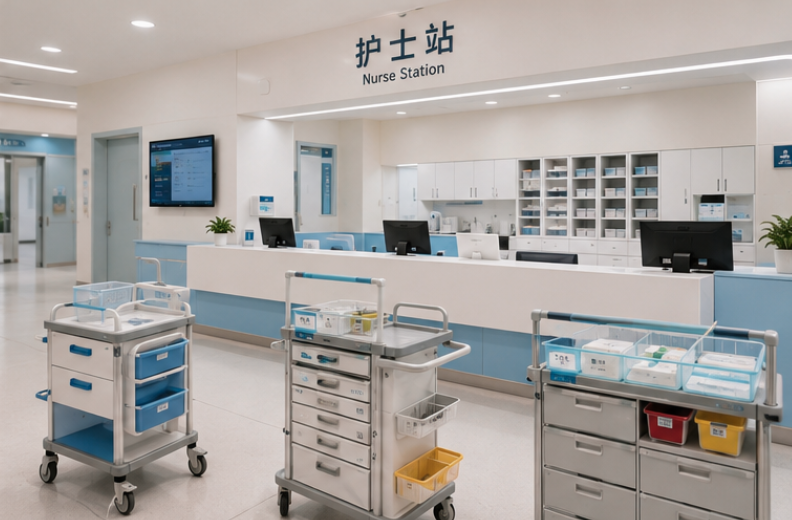
    The nurse station area has a light wood finish & an off-white color décor that is accented with smooth curves and linear lighting features that help to minimize the severity of medical space and provide a gentle & warm appearance. Combination built in cabinets, as well as the addition of plants/greenery, ensure the nurse station has easy-to-use storage capabilities for medical personnel working there while at the same time providing a means of stress reduction for the workforce through nature. The design features clear flow and barrier-free features help to allow for a smooth workflow for medical techs and create an overall better experience for patients; creating both dual perspectives of “professional efficiency” and “humanistic” care.

    Zhobai Nurse Station Interior Design
    Consultation Room Optimization

    The consultation room has been designed with consideration towards the “doctor/patient communication” and also to the “medical experience”. The use of a light beige painted wall, combined with large windows, allows for bright and airy feel. The consultative office layout has been created with respect to provide the medical staff a proper location for integrated consult, designated sofa lounge area, and appropriate place for medicine storage cabinet, while also providing a private and comfortable place for patients to communicate with their doctor. In addition, the use of environmentally friendly, antimicrobial and easy to clean materials for furniture finishes and dimensions are in full compliance with all applicable health care (Hygiene) standards, providing a more effective and safe means by which to administer treatments.

    Professional Consultation Room Design
    Modern Waiting Experience

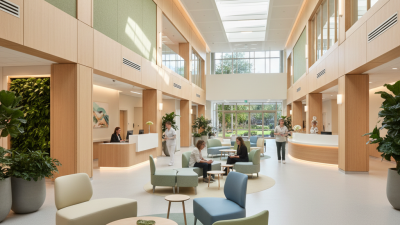
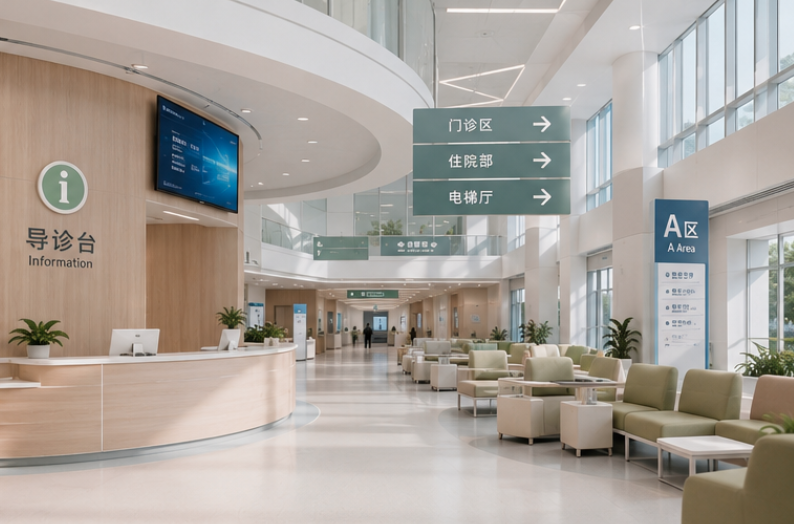
    The waiting area has broken from the old school style of sombre hospital waiting spaces by using softer pink-brown colours, modular type waiting chairs, and smart information screens to create comfortable and structured places to wait for an appointment. There are large windows from floor to ceiling in this waiting area that let the light in and with plants throughout, they help to reduce patients’ stress and worry while at the clinic. The streamlined service desk and effective way finding system create an optimal flow of medical services for the patient, allowing the patient to feel appreciated and cared for while waiting, which allows both an upgrade to the “waiting experience” and the “process efficiency.”

    Modern Hospital Waiting Hall Design

  • Top 10 Treatment Room Designs You Need to Know?

    Top 10 Treatment Room Designs You Need to Know?

    When it comes to wellness and healthcare these days, the design of a Treatment Room really matters more than you might think. Dr. Emily Johnson, who’s pretty well-known in the world of interior design for medical spaces, once said, “The right Treatment Room can really boost a patient’s experience, both physically and mentally.” That message pretty much highlights how much the environment can affect how patients feel and heal.

    Turning a simple visit into something that feels comforting actually starts with making smart, thoughtful choices when setting up the space. A Treatment Room shouldn’t just be functional — it should also feel warm and inviting. Things like choosing calming colors, soft lighting, and even a treatment room cabinet can make a big difference in creating a relaxing vibe. Plus, letting in natural light and picking ergonomic furniture can really help put patients at ease and lower their anxiety. Sometimes, even tiny details—like how you arrange tools or what kind of art hang on the walls—can have a surprising impact.

    That said, not every Treatment Room hits the mark. Some can feel way too sterile or a bit overwhelming. These common pitfalls remind us that designing a good space isn’t a one-and-done deal—it’s an ongoing process. Striving for that perfect environment? Yeah, it’s more of a journey than a destination. The relationship between a space and healing is pretty complex, and it’s worth investing time in understanding and improving it over and over again.

    Top 10 Treatment Room Designs You Need to Know?

    Essential Elements of an Effective Treatment Room Design

    Top 10 Treatment Room Designs You Need to Know?

    Creating an effective treatment room is essential for maximum therapeutic benefit. A well-designed space can enhance the client experience and facilitate healing. Natural light is a crucial element. It creates a warm atmosphere and can significantly affect a person’s mood. Incorporating soothing colors, such as soft blues or greens, helps promote relaxation.

    Comfort is another vital aspect. Treatment rooms should feature ergonomic furniture to support both the practitioner and the client. A high-quality treatment table is key. It should offer comfort and accessibility. Additionally, storage must be well-planned. Gaps in organization can lead to unnecessary stress during a session.

    Acoustics also matter. Soft background music can enhance relaxation. However, silence is beneficial too. Reflect on how your treatment room sounds. Is it noisy or calm? Lastly, consider the scent. Aromatherapy can wonderfully influence a client’s mood. Balance is essential; too much fragrance can be overwhelming. Each element should work harmoniously to create a space where healing can truly occur.

    Color Psychology and Its Impact on Treatment Room Ambiance

    Color psychology plays a crucial role in shaping the ambiance of treatment rooms. Research indicates that colors can significantly affect patients’ emotions and perceptions. For instance, blue is known to promote calmness, while yellow can stimulate feelings of happiness. Incorporating these colors into treatment room designs could enhance patient relaxation. A well-designed room, featuring comfortable waiting room chairs and bench seating, can make a substantial difference in patient experience.

    Colors are not the only element to consider. Lighting and furniture arrangement are equally important. Soft, warm lighting can create a soothing atmosphere, whereas harsh lighting may increase anxiety. Professionals suggest using a combination of waiting room seating options, like bench chairs and waiting room furniture, to encourage comfort. However, the design should remain functional, balancing aesthetics with accessibility. It’s essential to continually assess how these elements affect patient well-being.

    Despite the benefits of thoughtful design, many facilities overlook these details. They might choose cheaper materials or prioritize space over comfort. A thoughtful approach to both color and furniture creates a supportive environment for patients. Striking this balance can foster a more pleasant healing journey, highlighting the ongoing need for improvement in treatment room designs.

    Ergonomic Furniture Choices for Comfort and Efficiency

    Creating an ergonomic treatment room is essential for both client comfort and practitioner efficiency. One of the key elements in this design is the choice of furniture. Ergonomic chairs and adjustable treatment tables can significantly reduce strain during long working hours. A properly organized treatment cabinet is vital. It should be accessible, allowing quick access to essential tools while maintaining a tidy appearance. This organization prevents clutter, which can lead to distractions.

    Lighting is another critical aspect. Natural light can enhance mood and focus, contributing to a soothing environment. However, it’s essential to incorporate adjustable artificial lighting, especially for detailed work. Each piece of furniture should support smooth movement around the room. Consider adequate spacing between the treatment cabinet and chairs. This spacing helps maintain a fluid workflow, essential during busy hours. While aiming for perfection in design, it’s crucial to regularly assess how the setup is working.

    Sometimes, the ideal layout may feel cramped or inefficient. Adaptation is key, as what works best today may need adjustments later. Practitioners should not shy away from seeking feedback from clients or colleagues. Often, small changes can lead to significant improvements in overall comfort and efficiency. Regular reflection on the treatment room’s setup ensures it evolves with changing needs, keeping it both functional and inviting.

    Incorporating Technology in Modern Treatment Room Designs

    Modern treatment room designs are increasingly focusing on the incorporation of technology. Integrating smart devices can enhance patient experience. For instance, automated lighting adjusts according to the treatment type. This creates a calming atmosphere, essential for effective therapy sessions.

    Virtual reality tools are making a significant impact. They provide immersive experiences during treatments. Patients can engage with calming environments, reducing anxiety. However, not all patients respond well to virtual technologies. Traditional methods still hold value, and not every design fits all.

    Monitoring devices are also essential in modern designs. Real-time data collection can lead to better treatment decisions. Equipments like smart sensors track vital signs and provide instant feedback. There’s potential here, but reliance solely on technology can create blind spots. Balancing innovation and human touch is key in treatment room design.

    Creating a Calming Atmosphere with Lighting Techniques

    Creating a calming atmosphere in treatment rooms is essential for patient well-being. Lighting plays a crucial role in this process. A recent study highlights that up to 85% of patients feel more relaxed in spaces with soft, warm lighting. The right lighting can reduce anxiety levels, making it a key element in design.

    Consider using dimmable LED lights. They allow adjustments based on the time of day or treatment type. Soft, ambient light can create a more welcoming environment. Incorporating natural light whenever possible can also enhance mood. Research indicates that exposure to natural light improves emotional health and well-being.

    Tips for your treatment room: Use layered lighting. Combine overhead fixtures with floor lamps to create depth. Avoid harsh fluorescent lights, as they can induce stress. Instead, opt for warm color temperatures, ideally between 2700K to 3000K, to foster a soothing atmosphere. Ensure that lighting is adjustable, allowing for different moods throughout the day. This flexibility can improve patient satisfaction significantly.

    Remember, while aesthetics are essential, functionality should not be overlooked. Evaluate how the lighting interacts with other elements in the space. Poor placement can lead to shadows, which may create discomfort. Regularly reassess your lighting choices to meet the evolving needs of your clients.

    Best Practices for Space Optimization in Treatment Rooms

    Creating an efficient treatment room design is essential for providing optimal care. Space optimization can significantly impact both workflow and patient comfort. Key elements include the layout, furniture, and technology integrations. Arranging equipment in a logical flow reduces unnecessary movement. Utilize modular furniture that can adapt to various treatments. This setup minimizes clutter and enhances accessibility.

    Lighting plays a critical role as well. Natural light creates a calming atmosphere. Adjustable artificial lighting can support tasks that require precision. Consider soundproofing options to ensure privacy. Reflection on these elements can help you spot inefficiencies. Sometimes, the initial design may not fit all needs. Be open to redesigning as your practice evolves. Treating the space as a dynamic environment drives continuous improvement in treatment quality.

    Trends in Sustainable Materials for Treatment Room Interiors

    Sustainable materials are changing the landscape of treatment room designs. Health and wellness spaces now prioritize eco-friendly choices. Natural wood, recycled metals, and organic fabrics enhance aesthetics while reducing environmental impact. Using these materials promotes a calming atmosphere.

    Incorporating elements like bamboo or reclaimed wood in furniture can elevate design. For instance, consider a Waiting Room Chair made from sustainable resources. Such choices reflect a commitment to both style and sustainability. It invites patients into a space that feels safe and nurturing.

    However, selecting the right materials can be challenging. Not every eco-friendly option suits all environments.

    Design trends also emphasize the importance of creating a flexible space. Modular furniture allows for easy reconfiguration. This adaptability aligns with evolving patient needs. But remember, sustainability doesn’t mean sacrificing comfort. Balancing these factors requires careful thought and reflection. Assessing the durability of materials used can lead to long-term benefits for both the environment and the practice.

    Exploring the Versatility and Benefits of the Dual-Purpose Adjustable Folding Hospital Care Bed Chair for Home and Medical Use

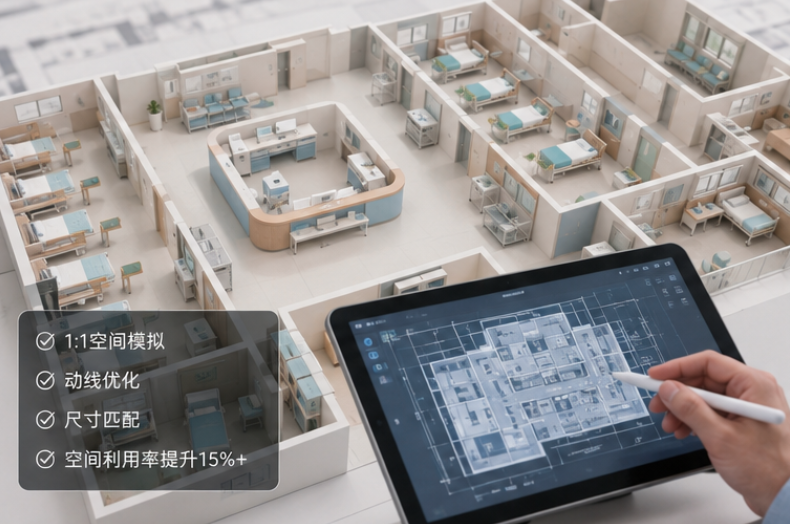
    The Dual-Purpose Adjustable Folding Hospital Care Bed Chair represents a significant advancement in the design of medical and home care furniture, perfectly merging comfort with functionality. A recent report by the Centers for Disease Control and Prevention highlights that approximately 80% of individuals will experience back pain at some point in their lives, leading to a pressing need for furniture that promotes proper posture and alleviates discomfort during prolonged periods of sitting or resting. This multifunctional bed chair offers a multi-angle adjustable backrest, allowing users to transition seamlessly from an infusion chair to a relaxing resting spot, catering to various needs during recovery or routine medical visits.

    Furthermore, the integration of silent universal wheels allows for quiet mobility, making it ideal for hospital settings where noise reduction is crucial to patient comfort. The high-density antibacterial PU cushion not only provides pressure relief but also supports hygiene, which is critical in preventing healthcare-associated infections. A study published in the Journal of Hospital Medicine emphasizes that uncomfortable seating can lead to decreased patient satisfaction and increased stress levels; therefore, the enhanced design of this bed chair is essential for improving the overall patient experience in both clinical and home environments. The innovation of this adjustable bed chair contributes to a shift in how medical settings can balance care with comfort, ultimately elevating the standard of patient care.
    FAQS


    : Why is natural light important in a treatment room?

    : Natural light creates a warm atmosphere and positively affects a person’s mood. It enhances the therapeutic experience.


    What role does color play in treatment room design?

    Soothing colors, like soft blues or greens, promote relaxation. They create a calming environment for clients.


    How can furniture choices impact comfort in treatment rooms?

    Ergonomic furniture is crucial for both practitioners and clients. It reduces strain and enhances overall comfort during sessions.


    What should be considered for sound in a treatment room?

    The acoustics should promote relaxation. Soft music enhances the mood, but silence can also be beneficial.


    How does scent influence the treatment room experience?

    Aromatherapy can uplift a client’s mood. Balance is key; too strong a scent may overwhelm the environment.


    What is the importance of organization in a treatment room?

    A well-organized space reduces stress and distractions. Quick access to tools maintains a smooth workflow.


    How often should treatment room setups be evaluated?

    Regular assessment is crucial. Adaptations based on feedback can improve comfort and efficiency.


    What are some sustainable materials for treatment rooms?

    Natural wood, recycled metals, and organic fabrics are popular choices. They reduce environmental impact while enhancing aesthetics.


    How can modular furniture benefit treatment room design?

    Modular furniture allows for easy reconfiguration. It helps create flexible spaces catering to evolving patient needs.


    What should be addressed when choosing materials for treatment rooms?

    Consider durability and comfort. Not every eco-friendly option fits all environments, requiring careful selection.

    Conclusion

    The article “Top 10 Treatment Room Designs You Need to Know” highlights essential elements for creating effective treatment rooms that enhance the patient experience. It emphasizes the significance of color psychology in establishing a welcoming ambiance, while ergonomic furniture choices are crucial for ensuring comfort and efficiency for both practitioners and patients.

    Moreover, the integration of modern technology is explored, showcasing how it can elevate treatment room functionality. The article also discusses the importance of lighting techniques to create a calming atmosphere, alongside best practices for optimizing space within treatment rooms. Finally, it outlines current trends in sustainable materials, encouraging the use of eco-friendly options to enhance the designs of treatment rooms while promoting a healthier environment.

    Blog Tags:

    Sophia

    Sophia

    Sophia is a dedicated marketing professional with extensive expertise in the healthcare furniture industry. As a key member of our team, she plays a vital role in shaping the company’s online presence and strategy through her insightful blog articles. With a profound understanding of our customized……


    Previous


    2026 How to Choose High Quality ODM Treatment Room Suppliers?

  • 2026 How to Choose High Quality ODM Treatment Room Suppliers?

    2026 How to Choose High Quality ODM Treatment Room Suppliers?

    In today’s fast-changing healthcare world, picking a good quality ODM Treatment Room supplier isn’t just important – it’s pretty much essential. I mean, a recent report from the Healthcare Equipment Association shows that the global market for treatment rooms is set to hit around $10 billion by 2026. That’s a huge number! What that really means is there’s a growing need for furniture like treatment room cabinets that are not only super functional but also look good. Nobody wants a boring or poorly made space, right?

    Dr. Sarah Thompson, who’s pretty well-known in the medical interior design scene, pointed out that, “A nicely designed treatment room can really make a difference in how patients feel and how care is delivered.” Her insights remind us that it’s so important to work with suppliers who get both the clinical side of things and the design aspect. But here’s the thing— not all suppliers out there live up to those standards.

    As more companies jump into the market, it can get tricky to find trustworthy ODM suppliers. Some might cut corners, using lower-quality materials or outdated designs, which can totally mess up the effectiveness of the treatment spaces. So, it’s really worth taking the time to evaluate stuff like treatment room cabinets and other key elements. Checking out their past work, reading client reviews, and looking into their industry credentials can save you from a headache down the line.

    2026 How to Choose High Quality ODM Treatment Room Suppliers?

    Understanding ODM Treatment Rooms: Key Features to Consider

    When selecting an ODM treatment room supplier, consider key features that indicate quality. Look for customizable designs that meet specific treatment needs. Flexibility in layouts allows for changes as technology evolves or therapies expand. This adaptability is crucial for future-proofing your investment.

    Evaluate the materials used in construction. High-quality suppliers choose durable and hygienic materials. These contribute to the room’s overall effectiveness and longevity. Also, consider the noise insulation. A quiet environment enhances the treatment experience, ensuring patient comfort and concentration during procedures.

    Supplier experience matters. Look for companies with a proven track record in the industry. Their expertise can reflect in their designs and customer service. However, not all suppliers meet expectations consistently. Assessing previous projects and client feedback can provide insight into their reliability. Aim for partners who genuinely prioritize your needs while also addressing potential challenges.

    Identifying Your Specific Treatment Room Needs and Requirements

    Identifying specific treatment room needs and requirements is essential for optimizing your space. Begin by analyzing the type of services you provide. For instance, aesthetic treatments require different equipment and layouts than physical therapy. According to a 2022 industry report, 75% of clinics report increased client satisfaction after customizing their treatment rooms to specific needs.

    Consider the size and layout of your treatment room. Space for essential equipment, comfortable seating, and privacy are crucial. A 2023 study revealed that treatment rooms meeting these criteria saw a 40% improvement in patient retention. Focus on lighting as well; proper illumination can affect mood and outcomes. A poorly lit room can make clients uncomfortable, which may hinder their experience.

    It’s also vital to incorporate proper storage solutions. Many practitioners overlook this aspect. Clutter in a treatment room can create a distracting environment, affecting both staff efficiency and client comfort. Reflecting on your current setup may highlight areas needing improvement. Data shows that 30% of treatment rooms are not optimized for workflow. Assessing your needs can lead to significant enhancements in service delivery and patient satisfaction.

    Researching Potential ODM Suppliers: Tools and Strategies

    Researching potential ODM suppliers requires a strategic approach. Start by identifying key platforms like Alibaba, Global Sources, and Maker’s Row. These are valuable tools for comparing different suppliers, especially in the realm of treatment room furniture. Look for suppliers specializing in waiting room chairs, bench seating, and other related categories. An essential factor is the supplier’s production capacity and lead times. According to recent industry surveys, nearly 40% of businesses faced delays due to inadequate supplier capabilities.

    Evaluate product quality through sampling. Request samples of waiting room seating to inspect material quality and craftsmanship. A report from the International Furniture Market indicates that 87% of companies experienced variations in product quality from ODM suppliers. Establish communication standards for ensuring consistent updates throughout the production process. Analyzing customer reviews can help gauge reliability. Engaging with other industry professionals for referrals is also beneficial.

    Consider the supplier’s certifications. Many potential suppliers showcase compliance with ISO or CPSC standards. Such qualifications indicate their commitment to quality and safety in manufacturing. Reflect on your specific needs; the perfect supplier might still have gaps in certain areas. The ideal supplier should match your operational scale while delivering exceptional products, like a perfect arrangement of bench chairs or a cohesive collection of waiting room furniture.

    Evaluating Supplier Credentials: Certifications and Experience

    When evaluating ODM treatment room suppliers, certifications and experience are crucial factors. Certifications are tangible proof of a supplier’s commitment to quality and standards. Look for suppliers with recognized industry credentials. These certifications indicate that they meet specific guidelines. A supplier who holds valid certifications demonstrates professionalism and adherence to best practices.

    Experience is equally significant. A supplier with years of experience is likely to have faced various challenges. They can bring valuable insights to the table. However, it’s essential to reflect on their past projects. Have they worked with similar clients? Can they provide case studies that showcase their problem-solving abilities? A solid track record is a good indicator of reliability.

    Also, consider the communication style of potential suppliers. How responsive are they to your inquiries? Clear communication is vital for a successful partnership. Delays or unclear answers can lead to misunderstandings. Trust your instincts when assessing their interactions with you. Balancing credentials and experience will guide you in selecting a suitable ODM treatment room supplier.

    Assessing Product Quality: Materials and Construction Standards

    When assessing the quality of ODM treatment room suppliers, materials and construction standards play a crucial role. High-quality materials enhance durability and ensure safety for both patients and practitioners. Consider using eco-friendly materials that comply with health regulations. The selection of materials influences functionality and overall aesthetics. Stainless steel is often preferred for its resistance to corrosion and ease of cleaning.

    Construction standards are equally important. Look for suppliers that adhere to recognized international standards. Inspections during manufacturing can prevent defects and ensure consistency. Pay attention to how different components fit together. Gaps and misalignments can lead to safety issues down the line. You want a seamless construction that stands the test of time.

    **Tip:** Always request samples to examine quality firsthand. This helps you assess if the materials feel robust and sturdy.

    **Tip:** Engage with previous clients. Their experiences can provide insights into the supplier’s reliability and product performance.

    Quality assessment is ongoing. Don’t rush the selection process. Take your time to evaluate each aspect thoroughly.

    2026 How to Choose High Quality ODM Treatment Room Suppliers?

    Criteria Description Rating (1-5)
    Material Quality Evaluate the types of materials used in products, ensuring they meet health and safety standards. 4
    Construction Standards Check if the manufacturing processes adhere to industry standards and regulations. 5
    Certification Ensure the supplier has relevant certifications indicating compliance with industry standards. 4
    Customer Reviews Analyze feedback from previous clients to assess satisfaction and product performance. 5
    After-Sales Support Evaluate the supplier’s commitment to after-sales service and support. 4

    Comparing Pricing Models: Ensuring Value for Your Investment

    When choosing ODM treatment room suppliers, understanding pricing models is crucial. Reports indicate that around 70% of healthcare providers struggle with balancing cost and quality. It’s essential to ensure that your investment yields value without compromising on service quality.

    Many suppliers offer tiered pricing. This can sometimes lead to hidden costs. A recent industry study found that 45% of organizations encountered unexpected fees after initial quotations. Be cautious with suppliers who don’t provide transparent pricing models. Always request a detailed breakdown of costs associated with treatment cabinets.

    Tip: Compare at least three suppliers before making a decision. This approach allows you to better understand market standards and negotiate effectively. Additionally, prioritize suppliers who emphasize quality control in their manufacturing processes. Their commitment to standards often reflects in the durability and reliability of products.

    Selecting the right supplier involves critical assessment. Consider their reputation in the industry and seek reviews from current users. Only then can you ensure that your treatment room is equipped effectively and efficiently.

    Reviewing Supplier Reputation: Customer Feedback and Case Studies

    2026 How to Choose High Quality ODM Treatment Room Suppliers?

    When choosing ODM treatment room suppliers, customer feedback and case studies hold significant weight. Quality suppliers often showcase their reputation through testimonials and successful projects. A recent survey found that 65% of healthcare providers prioritize past client experiences over price. Positive reviews can indicate reliability and service quality.

    Tips: Research online platforms for authentic customer reviews. Look for detailed case studies that highlight successful outcomes. These insights can guide your decision-making.

    Approaching supplier evaluations requires careful consideration. A company’s past performance can reveal their suitability. However, beware of overly curated reviews. The best insights come from varied sources, including forums and industry publications. Seek out feedback on essential elements like ergonomics of treatment room furniture, including the comfort of items such as the Waiting Room Chair.

    Balancing your options may not be straightforward. Suppliers may present polished images but digging deeper is crucial. Scrutinize their claims and approach their case studies critically. Authenticity often lies beneath the surface.

    FAQS


    : Why are certifications important when choosing a supplier?

    : Certifications show a supplier’s commitment to quality and adherence to industry standards.


    How does experience factor into supplier selection?

    Experienced suppliers have faced challenges and gained insights, making them reliable partners.


    What should I look for in a supplier’s past projects?

    Review their experience with similar clients and request case studies to gauge their problem-solving skills.


    How can I assess a supplier’s communication style?

    Pay attention to their responsiveness. Clear communication is key to avoid misunderstandings.


    What can hidden costs in pricing models indicate?

    Hidden costs may point to a lack of transparency; ensure you ask for a detailed cost breakdown.


    Why is comparing multiple suppliers beneficial?

    Comparing suppliers helps you understand market standards and enhances your negotiating power.


    What should I prioritize when evaluating suppliers?

    Focus on quality control in manufacturing, as it reflects product durability and reliability.


    How can reviews help in selecting a supplier?

    Seeking user reviews provides insights into the supplier’s reputation and service quality.


    What is a common challenge healthcare providers face with suppliers?

    Many providers struggle to balance cost effectively with the quality of services they receive.


    Why is trusting your instincts important in supplier assessment?

    Your instincts can reflect subtle cues in interactions that may indicate the supplier’s reliability.

    Conclusion

    Choosing high-quality ODM treatment room suppliers requires a thorough understanding of your specific needs and the essential features of treatment rooms. Start by identifying the unique requirements for your space and what functionalities are necessary for optimal performance. Researching potential suppliers can involve using various tools and strategies, such as online reviews and industry forums, to compile a list of credible options.

    Once you have potential suppliers, assess their credentials by looking into their certifications and experience in the field. Investigating product quality is also vital; examine the materials used and the construction standards to ensure durability and effectiveness. Pricing models should be compared to ensure that you receive the best value for your investment. Finally, reviewing supplier reputations through customer feedback and case studies can provide insights into their reliability and service quality, ensuring you make an informed decision for your treatment room needs.

    Blog Tags:

    Liam

    Liam

    Liam is a dedicated marketing professional with extensive expertise in the healthcare furniture industry. As an integral member of our team, he plays a vital role in promoting our customized hospital and healthcare furniture solutions. With years of experience, Liam possesses a deep understanding……


    Previous


    2026 Best OEM High-Quality Treatment Room Manufacturer Insights?

  • 2026 Best OEM High-Quality Treatment Room Manufacturer Insights?

    2026 Best OEM High-Quality Treatment Room Manufacturer Insights?

    When it comes to health and wellness, setting up the perfect treatment room really matters. A thoughtfully designed space can make a huge difference in how patients feel—creating an environment that promotes both healing and relaxation. Things like a sturdy, comfy treatment room cabinet not only look good but also boost the room’s functionality. It’s those little details that can really elevate the whole experience.

    As we head into 2026 and start looking at the top OEM manufacturers out there, it’s super important to pick carefully. These companies set the standards for treatment room design, especially when it comes to durability and style. Sure, a lot promise top-notch quality—and some actually do—but not everyone consistently hits the mark. Reading reviews and testimonials can give you a good sense of their strengths and any quirks or weaknesses.

    When choosing a manufacturer, try to get a feel for their expertise and reputation. Knowing their background and what kind of quality they deliver can really help you make a smarter choice. Look for someone innovative but reliable too. Building the perfect treatment room isn’t a one-and-done deal; it’s a process that involves tweaking and improving over time. Your space should grow and adapt, balancing practical needs with patient comfort — it’s all about creating an environment where everyone feels cared for.

    2026 Best OEM High-Quality Treatment Room Manufacturer Insights?

    2026 Trends in OEM Treatment Room Manufacturing

    The OEM treatment room manufacturing landscape is evolving rapidly. As we approach 2026, several key trends are shaping the industry. Innovation in materials and designs is becoming vital. Many manufacturers are focusing on sustainable materials to reduce environmental impact. This not only meets regulatory needs but also appeals to eco-conscious consumers.

    Customization stands out as a driving force. Treatment rooms are increasingly tailored to fit specific client needs. Flexible design allows for multifunctional spaces. This versatility can enhance the patient experience significantly. However, achieving this balance is challenging. Manufacturers must adapt while maintaining high-quality standards.

    Technology integration is another noteworthy trend. Advanced automation and smart systems are gaining traction in treatment rooms. These innovations aim to streamline operations and improve care efficiency. Yet, not all manufacturers are keeping pace. Some struggle with resource allocation and the ever-increasing demands for updates. Addressing these challenges will be crucial for success in the coming years.

    Key Features of High-Quality Treatment Rooms

    2026 Best OEM High-Quality Treatment Room Manufacturer Insights?

    When designing high-quality treatment rooms, several key features stand out. Effective layouts maximize space and ensure accessibility for both practitioners and patients. Consider the flow of movement; it should feel intuitive. Adjustable lighting plays a crucial role. Soft, adjustable lights can create calming environments for patients.

    Comfort is essential. High-quality treatment rooms prioritize ergonomic furniture. Chairs and beds should support various body types and sizes. This reduces strain for both patients and practitioners. Textiles should be easy to clean but also soft and inviting.

    **Tip:** Always choose materials that are durable and easy to sanitize. Assess the practicality of each element. Consider the acoustics as well. A quiet environment enhances the treatment experience, making patients feel more at ease.

    Remember, high-quality treatment rooms can reflect the care offered. Small details like artwork or plants may create a welcoming atmosphere. However, keep it simple. An overcrowded space can feel chaotic and uninviting. Reflect on your design choices frequently to ensure they meet ongoing needs and preferences.

    Top OEM Manufacturers in the Treatment Room Industry

    The treatment room industry has seen an evolution in OEM manufacturing. As healthcare demands increase, more manufacturers are striving to meet these needs. High-quality treatment rooms are essential for effective patient care. Many OEM manufacturers focus on durability and functionality in their designs. However, not all manufacturers prioritize these aspects equally.
    When looking to identify top OEM manufacturers, it is crucial to assess their track record. Experience in the treatment room industry matters significantly. Manufacturers with a history of delivering reliable products often distinguish themselves. Additionally, their ability to incorporate innovative designs is vital. Attention to detail in manufacturing processes can set successful OEMs apart. It’s important to consider user feedback on product performance too. Sometimes, even the best manufacturers face challenges in meeting every expectation.

    Investing in high-quality treatment rooms shows commitment to providing excellent healthcare. The best OEMs understand the importance of collaborating with healthcare professionals. While some manufacturers excel, others may fall short. It’s essential to remain informed and critical when evaluating options. This reflection ensures that you choose reputable manufacturers for your treatment room needs.

    Quality Control Processes in Treatment Room Production

    Quality control processes in treatment room production are crucial for ensuring top-notch quality and safety.
    A robust quality management system can significantly impact patient satisfaction.
    According to a recent industry report, about 86% of healthcare professionals believe that high-quality treatment environments improve patient outcomes. This data reflects the growing recognition of well-designed treatment rooms.

    Effective quality control must encompass all aspects, from design to materials. Each element, like waiting room chairs or bench seating, must adhere to strict quality standards. For example, ensuring that waiting room chairs provide adequate support requires ergonomic testing.
    Additionally, maintaining consistent quality in bench seating is essential for patient comfort. When furniture is made with non-toxic materials, it reflects a commitment to patient safety and well-being.

    However, despite these standards, challenges remain. Some manufacturers struggle with consistency in production. Fluctuations in material quality can compromise the entire treatment room design.
    This emphasizes the importance of frequent audits and inspections. It’s a reminder that achieving perfection in quality control is an ongoing process in the industry.

    Sustainability Practices in Treatment Room Manufacturing

    2026 Best OEM High-Quality Treatment Room Manufacturer Insights?

    Sustainability in treatment room manufacturing is becoming increasingly vital. Many manufacturers are now focused on reducing waste and using eco-friendly materials. Reports indicate that approximately 70% of manufacturers are investing in sustainable practices. These practices not only benefit the environment but also enhance the credibility of manufacturers.

    The production of treatment cabinets involves various stages, including sourcing, design, and assembly. Each stage presents opportunities for eco-conscious choices. For instance, using recycled materials can significantly lower carbon footprints. Additionally, energy-efficient manufacturing processes can reduce overall production costs. However, many manufacturers still struggle with fully adopting these sustainable methods due to higher initial costs.

    Another key area is the end-of-life management of treatment room equipment. Many products are not designed with recycling in mind. A significant portion of discarded treatment cabinets ends up in landfills, which raises concerns. Implementing take-back programs can help address this issue, encouraging the recycling of components. Manufacturers need to reflect on their practices continuously to improve sustainability efforts while meeting increasing consumer demand for environmentally friendly products.

    Technological Innovations in Treatment Room Solutions

    In today’s healthcare landscape, technological innovations drive the evolution of treatment room solutions. Manufacturers focus on ergonomics, advanced materials, and integrated systems. Enhanced patient experiences are a key focus as well. High-quality
    Waiting Room Chairs now incorporate smart technology to improve comfort. These chairs can even monitor vital signs, displaying them in a connected system. Such innovations promise to boost efficiency and effectiveness in treatment environments.

    Tips: Consider the layout of your treatment room. An optimized space can improve workflow and patient satisfaction. Assess the placement of essential equipment, ensuring easy access yet maintaining a calming atmosphere.

    Personalization in treatment room design is becoming increasingly important. Customizable settings can enhance patient comfort and trust. However, balance is crucial. Too much technology can overwhelm both patients and staff. It can detract from the human touch vital in healthcare. Experts advise testing new tools while gathering feedback from users. This iterative process can lead to better solutions that truly meet needs.

    Ultimately, embracing technological trends requires thoughtful consideration. Manufacturers need to be aware of potential drawbacks. Innovations must be reliable and user-friendly. Education for healthcare professionals on new technologies is essential for successful implementation. The goal remains to create therapeutic spaces that foster healing and connection.

    Market Demand and Growth Projections for Treatment Rooms

    The demand for high-quality treatment rooms is steadily increasing. A recent report indicates that the global market is projected to grow at a CAGR of 7.5% over the next five years. This trend highlights the growing recognition of effective treatment environments in healthcare.

    Healthcare providers are prioritizing the design and functionality of treatment rooms. A well-designed room can enhance patient comfort and improve operational efficiency. Studies show that better room environments lead to higher patient satisfaction rates. The need for advanced technology is also rising. Facilities that invest in modern equipment may see improved outcomes.

    While the growth projections are promising, challenges remain. Many facilities struggle with budget constraints, limiting their ability to upgrade treatment rooms. Additionally, not all manufacturers meet the increasing demand for quality and innovation. This creates an ongoing tension between cost and quality in the market. Addressing these issues is crucial for sustained growth in this sector.

    2026 Best OEM High-Quality Treatment Room Manufacturer Insights

    Dimension 2024 Estimate 2025 Estimate 2026 Projection
    Market Demand ($ billion) 12.5 14.0 15.5
    Growth Rate (%) 6.5 7.5 8.0
    Key Regions North America, Europe Asia, Latin America Global
    Major Trends Technological Advancements Sustainability Focus Personalized Treatments
    Consumer Preferences Luxury Convenience Technology Integration

    Exploring the Elegance and Functionality of the Modern Nordic Farmhouse Marble Bar Coffee Table

    The modern Nordic farmhouse style embraces a harmonious blend of elegance and functionality, exemplified in the design of the marble bar coffee table. This sleek piece features a round top crafted from pristine white marble, sitting atop a classic tulip base that adds a touch of sophistication to any setting. Its design not only complements contemporary aesthetics but also enhances the overall ambiance of your space, whether it be a cozy home bar, a charming kitchen nook, or a bustling café.

    Constructed with sturdy stainless steel, this table ensures durability while maintaining a lightweight and space-saving design. The easy-to-clean surface of the marble top makes it an ideal choice for busy environments, where spills can occur. Its versatility allows it to fit seamlessly into various settings, from residential homes to chic bistros, making it a practical yet stylish addition to your décor. Embracing both elegance and functionality, this marble bar coffee table embodies the essence of modern Nordic design, creating a welcoming atmosphere for gatherings with friends or intimate coffee breaks.

    FAQS


    : What are the current trends in treatment room manufacturing?

    : Key trends include sustainable materials, customization, and technology integration. Each trend shapes how treatment rooms are designed.


    Why is customization important in treatment rooms?

    Customization allows treatment rooms to meet specific client needs. It enhances the overall patient experience significantly.


    How does technology impact treatment rooms?

    Technology integration improves operational efficiency. However, some manufacturers struggle to keep up with technological demands.


    What are essential features of high-quality treatment rooms?

    Effective layouts, adjustable lighting, and ergonomic furniture are vital. These elements enhance accessibility and comfort for patients.


    How should materials be chosen for treatment rooms?

    Choose durable and easy-to-sanitize materials. Reflect on practicality and comfort for both patients and practitioners.


    What role does sustainability play in treatment room manufacturing?

    Sustainability is critical, with many manufacturers focusing on eco-friendly materials. It supports environmental goals and manufacturer credibility.


    What challenges do manufacturers face regarding sustainability?

    Some manufacturers struggle with the initial costs of adopting sustainable practices. This can slow down their progress towards eco-friendly methods.


    How can end-of-life management of equipment be improved?

    Many products lack recycling considerations. Implementing take-back programs can promote recycling and reduce landfill waste.


    What details can enhance the atmosphere of treatment rooms?

    Small touches like artwork or plants create a welcoming space. However, avoid overcrowding as it might feel chaotic.


    Why is regular reflection on design choices important?

    Frequent reflection ensures treatment rooms continuously meet patient needs and preferences, adapting as those needs evolve.

    Conclusion

    The article “2026 Best OEM High-Quality Treatment Room Manufacturer Insights” delves into emerging trends and innovations in the treatment room manufacturing industry. It highlights the increasing demand for high-quality treatment rooms, driven by advancements in technology, sustainability practices, and stringent quality control processes. Key features of these treatment rooms include ergonomic design, versatility, and incorporation of the latest medical equipment.

    As the market continues to evolve, OEM manufacturers are focusing on integrating sustainable practices and technological innovations to meet the growing expectations of healthcare providers. The article also examines growth projections and market demand, emphasizing the need for manufacturers to adapt to changing industry standards and consumer preferences while maintaining high quality and efficiency in treatment room production.

    Blog Tags:

    Isabella

    Isabella

    Isabella is a dedicated marketing professional with extensive expertise in the healthcare furniture manufacturing industry. With years of experience under her belt, she possesses an in-depth understanding of the intricate needs of hospitals, clinics, and laboratories. Isabella is passionate about……


    Previous


    Best Medical Trolley for Efficient Hospital Management?

  • Zhongbai Technology Delivers Comprehensive Medical Furniture Solutions for Linshui County TCM Hospital (Sichuan)

    Zhongbai Technology Delivers Comprehensive Medical Furniture Solutions for Linshui County TCM Hospital (Sichuan)

    Linshui County TCMP
    Linshui County TCMP: Linshui County, China TCM Hospital City Guangan Sichuan Area 156,000 SQFT. Service center, information desk, nurse station, treatment cabinets, procedure cabinets, etc.;
    e369f748240804a45775c7c34fc30614
    Linshui County TCM Hospital has been in operation since 5/83. It is a National Grade III Class B TCM Hospital with comprehensive medical care, research, education, health care, rehabilitation, TCM hospital. Zhongbai Technology provides a comprehensive solution for medical/nursing furniture at this project, inclusive of service center, information desk, nurse station, treatment cabinets and procedures cabinet.
    cd08c0c9e8e532f6e15ac2981cc16ca8
    The standard floor nurse station continues the circular design of the out patient hall main service station, which has a simple and elegant appearance. The sea blue waistline creates a three dimensional effect while the streamlined transition from the high to low platform creates visual continuity, which reinforces the perception of length.
    1579e8df6350e048673363ae4890543c
    Treatment rooms have been designed using U shaped, L shaped and straight layouts. All cabinet surfaces are finished with an electrostatic powder coated anti-microbial surface that are also resistant to corrosion, acids, bases and wear. The medication dispense area has been equipped with LED Lights to assist care providers in preparing medications for patients. The high humidity, hazardous medications cabinet was specifically designed to meet the multi-user storage requirements for hazardous drugs.
    e86c9061267cb55ae33652795abe3e27

  • Best Medical Trolley for Efficient Hospital Management?

    Best Medical Trolley for Efficient Hospital Management?

    In today’s healthcare settings, being efficient really makes all the difference when it comes to patient care. According to a report from the World Health Organization, more than 90% of healthcare workers agree that having the right equipment actually impacts how well they can do their jobs. One key piece of equipment? The good old Medical Trolley. It might seem simple, but it’s super important because it helps staff quickly grab the supplies they need, which can be a real lifesaver during urgent situations.

    And yeah, that speed and efficiency are everything here. A survey from the American Hospital Association shows that hospitals are aiming to cut down patient wait times by around 20% over the next few years. A well-designed Medical Trolley can really help with that—think accessibility, organization, and something that actually fits the daily needs of healthcare workers.

    That said, not all trolleys are created equal. Some might have cramped storage, bad wheels, or just not cut it when things get hectic. Picking the right Medical Trolley isn’t just about it looking good—it’s about making sure it can handle the fast-paced, sometimes chaotic, world of hospitals. Upgrading your trolley game isn’t just about convenience; it’s actually about better patient care overall.

    Best Medical Trolley for Efficient Hospital Management?

    Overview of Medical Trolleys in Hospital Management Efficiency

    In hospital settings, medical trolleys play a crucial role in enhancing management efficiency. These trolleys provide convenient storage for medical supplies and equipment, ensuring quick access during emergencies. A well-designed trolley minimizes the time spent searching for tools, allowing healthcare professionals to focus on patient care.

    The Aluminum Medical Trolley stands out for its lightweight yet durable construction. This material is easy to maneuver, essential in busy hospital environments. Trolleys need appropriate organization features, like drawers and compartments, ensuring everything is easy to find. However, not all trolleys meet these requirements effectively. Many hospitals face challenges with poorly designed models that don’t accommodate the demands of modern medical practices.

    While efficiency is key, some trolleys lack the adaptability needed for various clinical scenarios. Stakeholders should assess how well a trolley can adjust to different needs. Regular feedback from healthcare teams can help identify areas of improvement. Hospital management must consider trolleys as a vital part of their operational strategy, reflecting the importance of thoughtful design and functionality.

    Key Features of High-Quality Medical Trolleys: A Data-Driven Analysis

    When selecting a medical trolley, several key features matter significantly for efficient hospital management.
    Durability is one such trait. High-quality trolleys
    are often made from robust materials that withstand daily wear and tear. They should resist scratches and dents,
    ensuring longevity in a demanding environment.

    Mobility is another critical consideration. A well-designed trolley should feature smooth-rolling wheels for easy transport. The ability to maneuver quickly through crowded hallways enhances workflow.
    Also, weight capacity must align with the items it carries.
    Overloading can be hazardous and lead to equipment failure.

    Storage capacity should not be overlooked. A high-quality trolley
    typically includes various compartments. These help organize medical supplies systematically.
    Additionally, easy access to items can save valuable time during emergencies.
    However, some designs may be overly complex, complicating rather than simplifying access. It is essential to balance efficiency
    with practicality to ensure user-friendliness.

    Impact of Medical Trolley Design on Patient Care and Staff Workflow

    In modern healthcare settings, the design of medical trolleys directly influences patient care and staff workflow. A well-structured medical trolley, such as a
    Monitor Trolley,
    can enhance efficiency by centralizing important supplies and equipment. According to a study by the
    Journal of Healthcare Management, efficient trolley designs can reduce response times to patient needs by up to 25%.
    This supports quicker interventions, ultimately leading to better patient outcomes.

    The layout and accessibility of trolleys greatly affect how staff interact with their tasks. If medical trolleys are not ergonomically designed, staff may experience physical strain.
    Reports indicate that nearly 40% of healthcare workers face musculoskeletal injuries due to poorly designed workstations.
    This indicates a pressing need for thoughtful trolley design that prioritizes usability and safety.

    Tips: Consider the height and weight distribution of your medical trolley.
    Ensure that it accommodates different tasks without sacrificing user comfort. Incorporate color-coded sections to facilitate rapid identification of supplies.
    Lastly, gather regular feedback from staff to refine the design based on actual usage and challenges faced in daily operations.

    Comparative Analysis of Leading Medical Trolley Brands in the Market

    Best Medical Trolley for Efficient Hospital Management?

    In the dynamic environment of healthcare, the choice of a medical trolley can greatly impact operational efficiency. A thorough analysis of various brands reveals differences in design and functionality. Many practitioners have noted that trolleys offering modular configurations allow for greater flexibility. This adaptability can be essential in emergency situations where quick access to equipment is vital.

    Among the brands examined, some prioritize lightweight materials, enhancing mobility within tight spaces. However, this can sometimes compromise durability. Healthcare professionals often express concern about the stability of these trolleys under load. Others focus on ergonomic designs that reduce strain on staff during transport. Yet, this focus may overlook the need for robust storage options.

    Effective hospital management demands that medical trolleys cater to specific needs while maintaining reliability. It’s evident that not all products excel in every category. A well-rounded evaluation should consider user feedback and practical performance. Trolley selection should never be a one-size-fits-all solution. Each healthcare setting may require tailored features to enhance patient care effectively.

    Evidence-Based Benefits of Utilizing Medical Trolleys in Emergency Care

    In emergency care, efficiency and organization are crucial. A well-designed Hospital Trolley can make a significant difference. These trolleys provide easy access to essential medical supplies. They often include divided compartments for medications, tools, and documentation. This setup helps healthcare providers respond quickly. An organized workspace reduces stress during critical moments.

    Yet, not all trolleys meet the needs of every emergency situation. Some may lack adequate storage space or be hard to maneuver. It’s important to assess the layout of the hospital environment. A trolley that works in one unit might not be effective in another. Regular feedback from medical staff can enhance trolley design, ensuring practicality.

    Utilizing medical trolleys also supports collaboration among healthcare teams. They serve as mobile hubs for various instruments and supplies. Team members can easily find what they need without delay. However, it’s worth considering whether the current trolley systems truly enhance teamwork. Hospitals must continuously evaluate how their equipment, including trolleys, impacts patient care.

    Impact of Medical Trolley Utilization in Emergency Care

    This bar chart illustrates the evidence-based benefits of utilizing medical trolleys in emergency care settings. It highlights how medical trolleys contribute to time savings, reduce errors, enhance patient satisfaction, and improve equipment accessibility, demonstrating their critical role in efficient hospital management.

    Cost-Benefit Analysis: Investing in Advanced Medical Trolley Systems

    Investing in advanced medical trolley systems can transform hospital management. A recent study showed that hospitals with efficient trolleys increased staff productivity by 15%. This is significant. Healthcare workers can focus more on patient care rather than searching for supplies. In a high-pressure environment, even small time savings count.

    However, challenges exist. The upfront investment in high-quality trolleys can be daunting. A report from the Health Technology Assessment Agency suggests that costs can vary widely, between $3,000 and $8,000 per unit. While the initial outlay is considerable, the long-term benefits may outweigh the costs. Improved workflows lead to better patient outcomes, reducing readmission rates.

    Integration of advanced features also impacts usability. Some trolleys offer built-in storage solutions and power sources for devices. A survey indicated that 70% of medical staff prefer versatile trolleys that adapt to different roles. Nonetheless, not every trolley suits every environment. It remains essential for hospitals to evaluate their specific needs before making a decision. This approach will maximize both efficiency and return on investment.

    Best Medical Trolley for Efficient Hospital Management

    Feature Standard Model Advanced Model Cost ($) Benefit Rating (1-10)
    Weight Capacity 150 lbs 250 lbs 500 8
    Material Quality Plastic Stainless Steel 1200 9
    Mobility Standard Wheels Swivel Wheels 700 7
    Storage Options 3 Drawers 5 Drawers + Cabinet 800 8
    Ease of Cleaning Moderate Easy 600 9
    Overall Durability 5 years 10 years 1100 10

    Future Trends in Medical Trolley Technology and Hospital Management

    The landscape of medical trolley technology is evolving rapidly. Innovations in design and functionality enhance hospital management significantly. The introduction of smart features in medical trolleys, including the integration of IoT devices, is transforming efficiency. Hospitals can monitor equipment in real time, ensuring everything works when needed.

    Moreover, Ultrasound Trolleys are becoming more advanced. They are now equipped with touch-screen interfaces and better storage solutions. This allows nurses and doctors to access patient data effortlessly. However, training staff to use these new features is a challenge. Ensuring everyone is comfortable with technology is crucial for maximizing efficiency.

    In addition to these advancements, sustainability is becoming a priority. Medical facilities are exploring eco-friendly materials for trolleys. It is commendable, but the transition could pose logistical issues. Balancing innovation with practical implementation remains a constant struggle for hospital management. The future may promise smarter medical trolleys, but overcoming these challenges is essential for success.

    FAQS


    : What are the key benefits of using medical trolleys in emergency care?

    : Medical trolleys improve efficiency and organization. They provide quick access to essential supplies and reduce stress.


    How do medical trolleys impact collaboration among healthcare teams?

    Trolleys act as mobile hubs. They help team members locate instruments and supplies promptly, but effectiveness varies.


    Are all medical trolleys suitable for every emergency situation?

    No, some trolleys may lack adequate storage or maneuverability. Assessment of hospital layout is crucial for effectiveness.


    What is the potential return on investment for advanced medical trolleys?

    The benefits can outweigh costs. Increased productivity can lead to better patient outcomes, reducing readmission rates.


    Why is staff feedback important for trolley design?

    Regular feedback ensures that trolleys meet practical needs. New designs should reflect real-world demands of medical personnel.


    What challenges do hospitals face when investing in medical trolleys?

    The initial cost can be significant, ranging from $3,000 to $8,000. Balancing cost and benefit is essential to decision-making.


    How can advanced features of trolleys enhance their usability?

    Features like built-in storage and power sources make trolleys more versatile. Staff often prefer trolleys that adapt to various roles.


    Is the upfront investment in high-quality trolleys worth it?

    Yes, long-term benefits often justify the cost. Efficient workflows contribute to improved care and patient satisfaction.


    How can hospitals ensure the best trolley selection for their needs?

    They should assess specific requirements before selection. Not all trolleys perform equally in differing environments.


    What role does emergency care environment play in trolley effectiveness?

    Each unit may require different trolley designs. Evaluating the environment is crucial for maximizing operational efficiency.

    Conclusion

    The article titled “Best Medical Trolley for Efficient Hospital Management” explores the crucial role of medical trolleys in enhancing the operational efficiency of healthcare facilities. It begins with an overview of how these essential tools contribute to streamlined hospital management, highlighting their importance in maintaining order and accessibility in clinical environments.

    Key features of high-quality medical trolleys are analyzed based on data-driven insights, focusing on design elements that improve patient care and optimize staff workflow. The comparative analysis of leading medical trolley brands showcases the varying functionalities that can influence emergency care outcomes. Additionally, a cost-benefit analysis emphasizes the value of investing in advanced medical trolley systems, which not only improve efficiency but also support future trends in medical technology. Overall, the article underscores the evidence-based benefits of utilizing medical trolleys, especially in critical care settings, affirming their indispensable role in modern hospital management.

    Blog Tags:

    Sophia

    Sophia

    Sophia is a dedicated marketing professional with extensive expertise in the healthcare furniture industry. As a key member of our team, she plays a vital role in shaping the company’s online presence and strategy through her insightful blog articles. With a profound understanding of our customized……


    Previous


    Custom Furniture Trends in China What Global Buyers Need to Know