As hospitals and care facilities focus more and more on making patients comfortable and helping them recover, choosing the right hospital bed has become a pretty important decision for medical staff and caregivers alike. I mean, did you know that, according to a report by Grand View Research, the global market for hospital beds is expected to hit around $5.57 billion by 2025? That really shows just how much demand there’s for specialized furniture that can meet different patient needs. Here at Jiangsu Zhongbai Nano New Material Technology Co., Ltd., we get how these needs are changing all the time. With years of experience under our belt and a talented in-house design and production team, we’re really committed to providing interior solutions that truly improve patient care. We make sure every hospital bed is customized to fit the individual, helping create a healing environment that feels just right.
Understanding Different Types of Hospital Beds: Acute Care, Long-term Care, and Overbed Variants
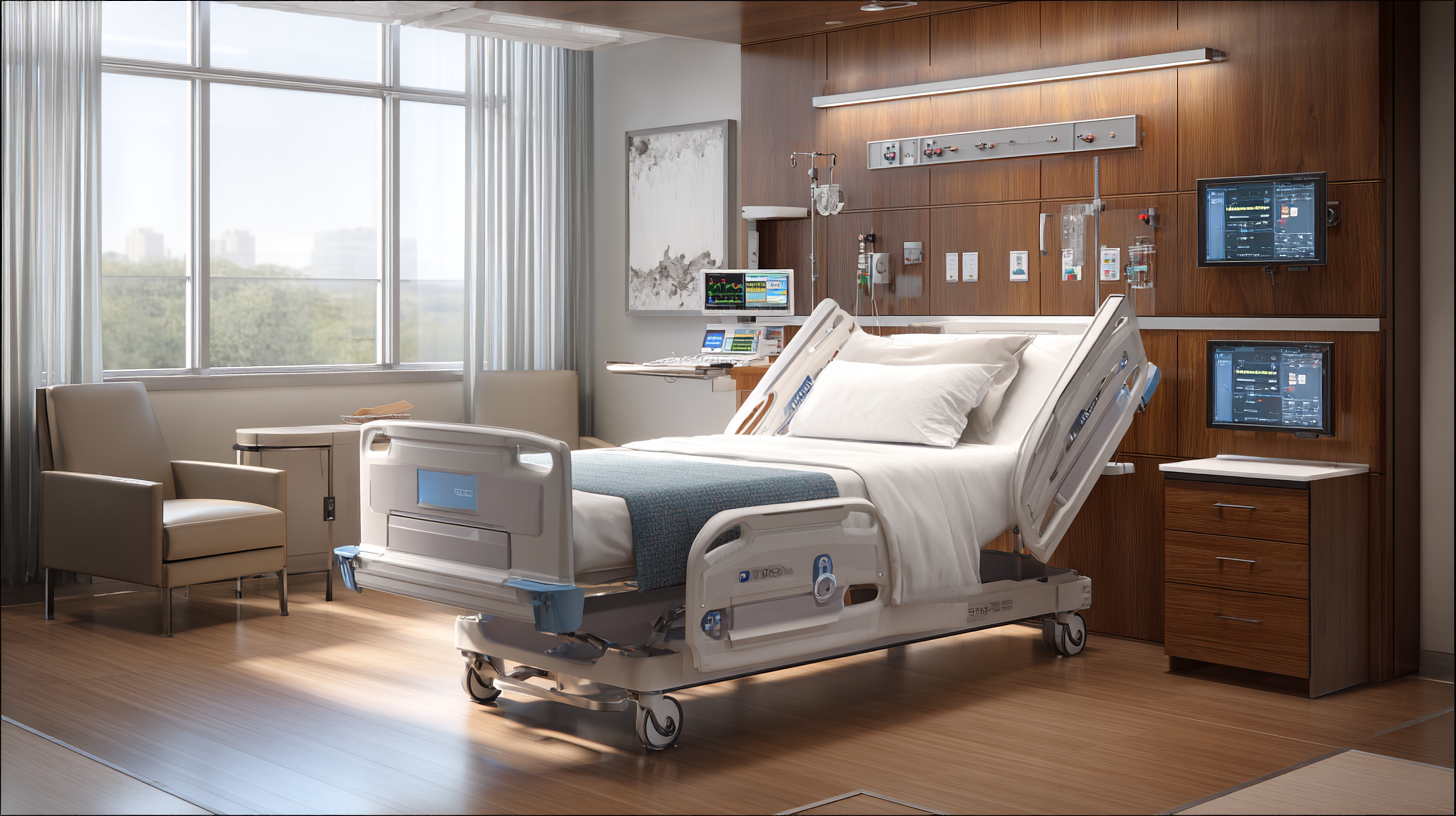
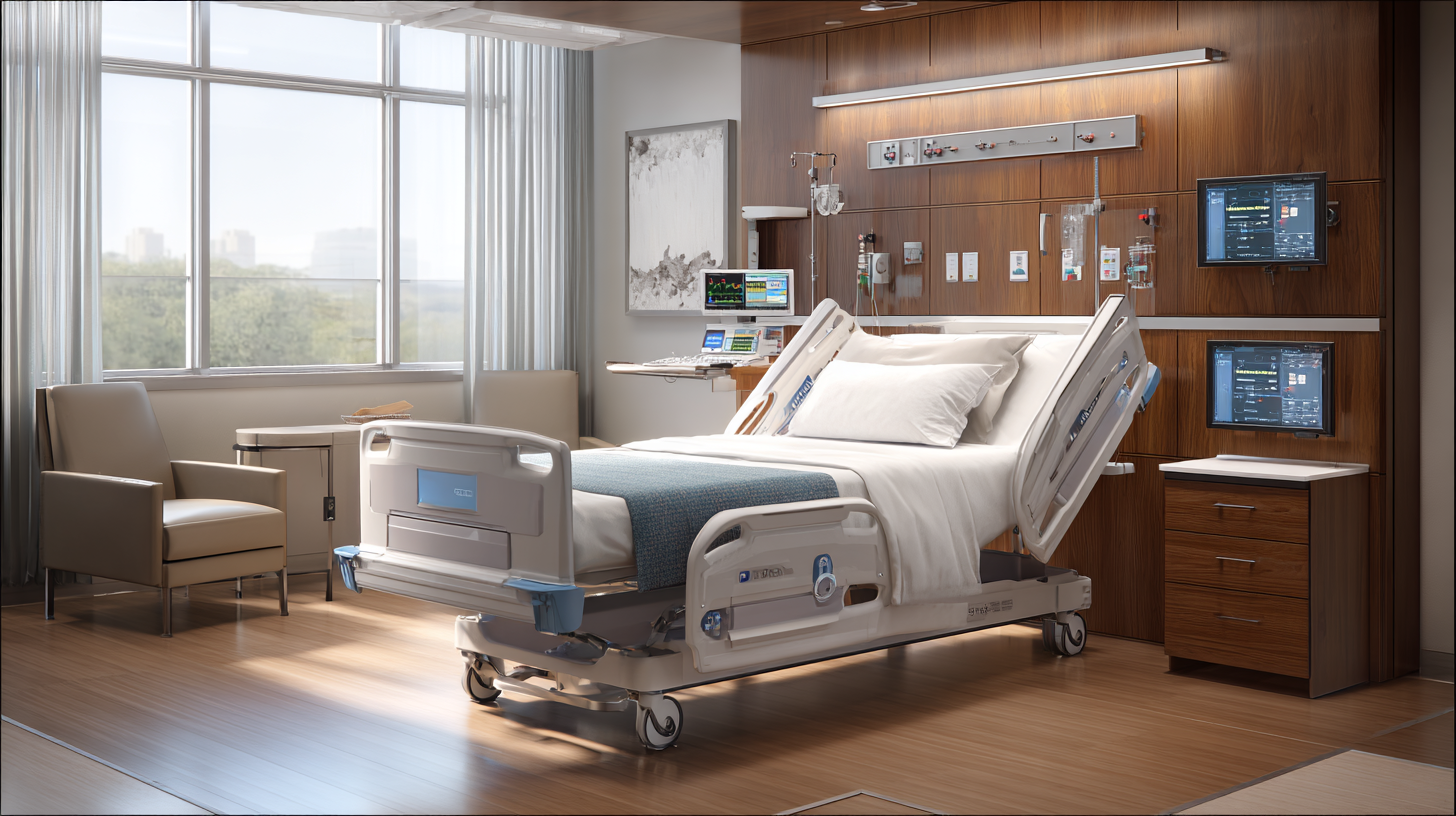
When you’re trying to pick the right hospital bed, it’s really helpful to get a handle on the different types out there. For example, acute care beds are made for short stays in the hospital. They come with some pretty advanced features—think adjustable positions, built-in monitoring systems—that are especially useful for patients with complicated medical needs. These beds boost both comfort and safety, making them perfect for critical care units.
On the flip side, long-term care beds are more suited for folks who need to stay hospitalized or rehab for a longer period. They tend to have more ergonomic designs, making it easier for patients to get in and out, and for healthcare providers to do their work smoothly.
There are also overbed options that are pretty versatile and can fit into different hospital settings. These beds can be customized with handy features like built-in tables, extra storage, or mobility aids, depending on what’s needed.
At Jiangsu Zhongbai Nano New Material Technology Co., Ltd., we’re all about creating customized hospital and healthcare furniture tailored to each facility’s unique needs. Our experienced team works hard to ensure every bed isn’t just safe and comfortable, but also blends seamlessly into the overall look and feel of hospitals, clinics, or labs.
Key Features to Consider: Adjustable Heights, Weight Capacity, and Comfort Levels
So, when you’re trying to pick out the right hospital bed, there are a few key features you’ll definitely want to keep in mind—things like adjustable heights, weight capacity, and how comfortable it actually is. The adjustable heights? They’re super handy for caregivers because they make taking care of patients way easier and also help folks get in and out of bed without too much trouble. Plus, this feature helps keep everyone safe by reducing the risk of accidents or injuries for both the patient and the staff.
Then there’s the weight capacity—pretty important, right? You need a bed that can handle different body types without feeling wobbly or unsafe. A sturdy, reliable bed gives everyone peace of mind. And don’t forget about comfort! A good bed with a quality mattress and good support can really make a difference in how well someone sleeps and how they feel overall during recovery.
Here at Jiangsu Zhongbai Nano New Material Technology Co., Ltd., we’re all about creating customized hospital and healthcare furniture that ticks all these boxes. Our team is passionate about designing and building solutions that boost both the functionality and comfort of hospitals and clinics. With years of experience under our belt, we can customize beds and furniture to match the specific needs of healthcare providers and their patients—because we know every detail matters.
Evaluating Patient Needs: Mobility, Medical Conditions, and Level of Care Required
Choosing the right hospital bed really matters because it needs to fit each patient’s unique needs. For instance, think about mobility—if someone has trouble moving around, adjustable beds can make a huge difference in comfort and ease of access. They help with better positioning and making it easier to get in and out of bed. Plus, understanding the patient’s medical conditions is super important. If they’re limited in mobility or just coming out of surgery, you’ll want a bed that offers support features like pressure relief or height adjustments—that stuff can really support their recovery.
When you’re shopping around for a hospital bed, start by considering how mobile the patient is. If they need help getting in and out regularly, look for ones that can adjust height—they make transferring so much easier. And hey, don’t forget about tech stuff! There are cool AI-assisted devices now that can help with healing and even monitor the patient’s progress.
Talking to healthcare Pros is a must, too. They have loads of insights on what features will really help based on the patient’s ongoing conditions. Also, using patient feedback can be super helpful—find out what makes them comfortable or what they feel is working or not. That way, you get a clearer picture of how effective the bed is in their recovery.
And one last tip—don’t hesitate to ask physiotherapists or occupational therapists for their advice. They often know exactly which features will be most beneficial, so you can make a smarter, more confident choice.
The Essential Guide to Choosing the Perfect Hospital Bed
This chart displays various patient needs for hospital beds, emphasizing mobility, medical conditions, and level of care required. It aids in understanding how different factors influence the choice of a hospital bed.
Safety and Accessibility: Ensuring Stability, Side Rails, and Ease of Use for Caregivers
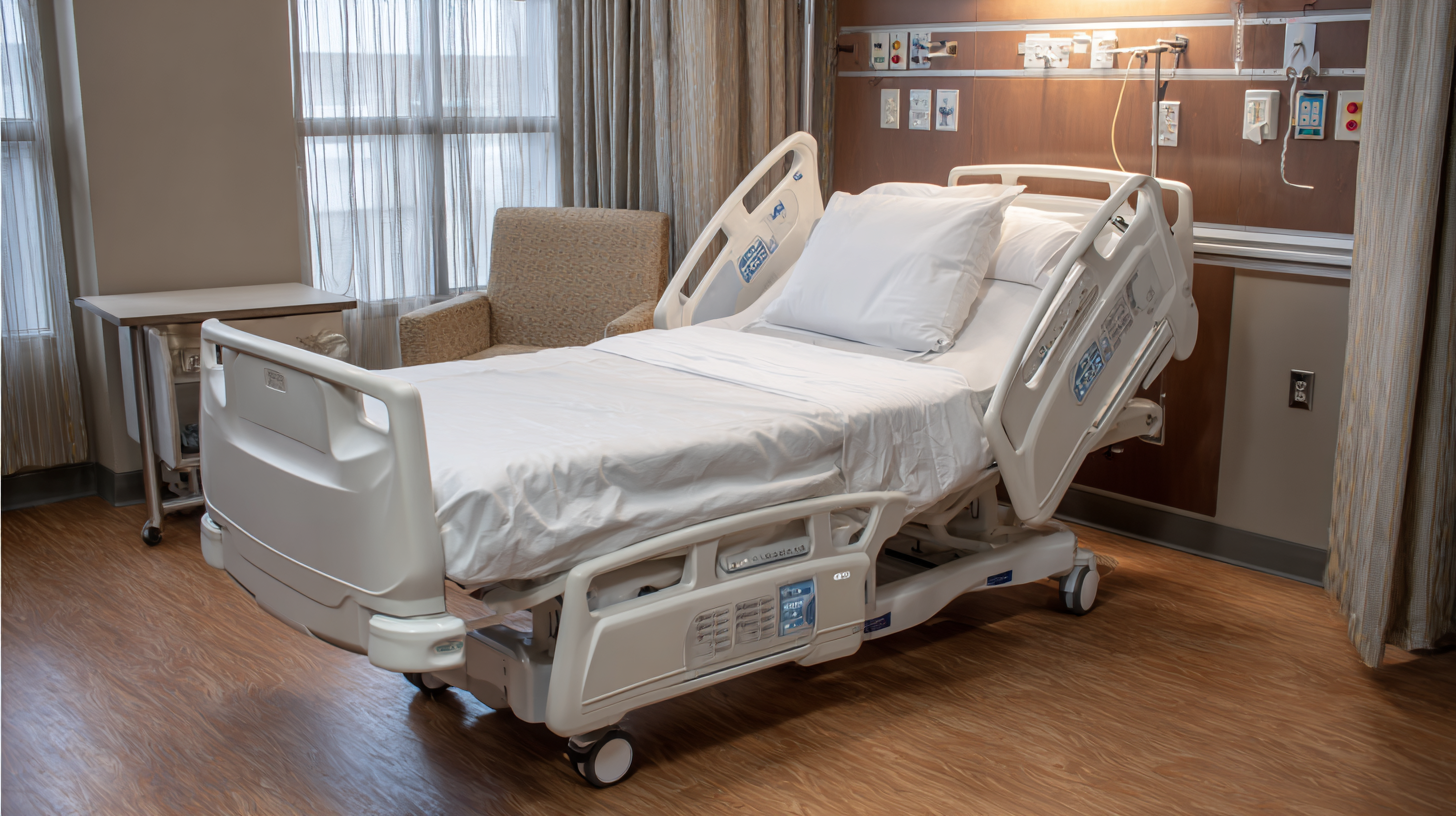
When you’re choosing the right hospital bed, safety and ease of use are really the top priorities—not just for the patient, but also for the caregivers. A good hospital bed should feel solid and stable, built with sturdy materials to help prevent accidents. The bed’s height needs to be adjustable too; this makes it easier for caregivers to get the patient in and out, or to do routine care without pulling their back every time. It’s honestly a game-changer when the bed can be positioned comfortably for both; it makes life so much easier for everyone involved.
And don’t overlook the side rails—they’re actually pretty important when it comes to safety and helping out caregivers. They give patients something to hold onto if they’re at risk of falling or need help shifting around. Plus, good rails should be simple to raise or lower—not making any awkward noises or requiring too much effort—so caregivers can do it smoothly without upsetting the patient. Also, pay attention to the bed’s controls. Those should be easy to understand and ergonomic, so adjusting the bed for different needs doesn’t become a struggle. Overall, focusing on these little details really helps in picking a hospital bed that’s not only practical for medical reasons but also makes the whole experience better for both patients and caregivers.
The Essential Guide to Choosing the Perfect Hospital Bed for Your Needs
Feature
Importance
Considerations
Stability
High
Ensure weight capacity meets user needs
Adjustability
Medium
Ease of changing positions for comfort
Side Rails
High
Prevents falls and enhances safety
Ease of Use for Caregivers
High
Consider height, weight, and functionality
Mobility Features
Medium
Look for options like wheels or electric functions
Size and Dimensions
High
Must fit user’s living space
Budgeting for Hospital Beds: Average Costs, Insurance Coverage, and Financing Options
When you’re looking into getting a hospital bed, it helps to have a rough idea of what the costs might be. Generally, a standard hospital bed can range from about $500 all the way up to $3,000. The price really depends on features like adjustable height, side rails, and specialized mattresses. I came across a report from the Healthcare Cost and Utilization Project, which mentioned that hospital bed prices tend to go up around 5% each year. That’s probably because of improvements in technology and the growing demand for home healthcare options. If you have insurance, it’s worth noting that coverage can vary quite a bit. For example, Medicare usually covers about 80% of the cost for medically necessary hospital beds, so you’d be responsible for the remaining 20%. Private insurance plans may have different rules, so definitely check your policy details.
A couple of tips—when you’re thinking about financing, see if you can find suppliers that offer flexible payment plans. Many places even have rent-to-own options, which can really lighten the upfront financial load. You might also want to look into community programs or local resources that help with getting medical equipment at a lower cost.
And don’t forget about ongoing costs—maintenance and replacement parts can add up over time, especially if the bed needs specific mattresses or accessories. It’s always a good idea to chat with a healthcare professional before making a final choice. They can help ensure you pick the right bed for your needs, which is super important because it not only impacts comfort but could also affect your insurance coverage.
Essential Accessories: Mattresses, Bed Rails, and Overbed Tables for Enhanced Patient Care
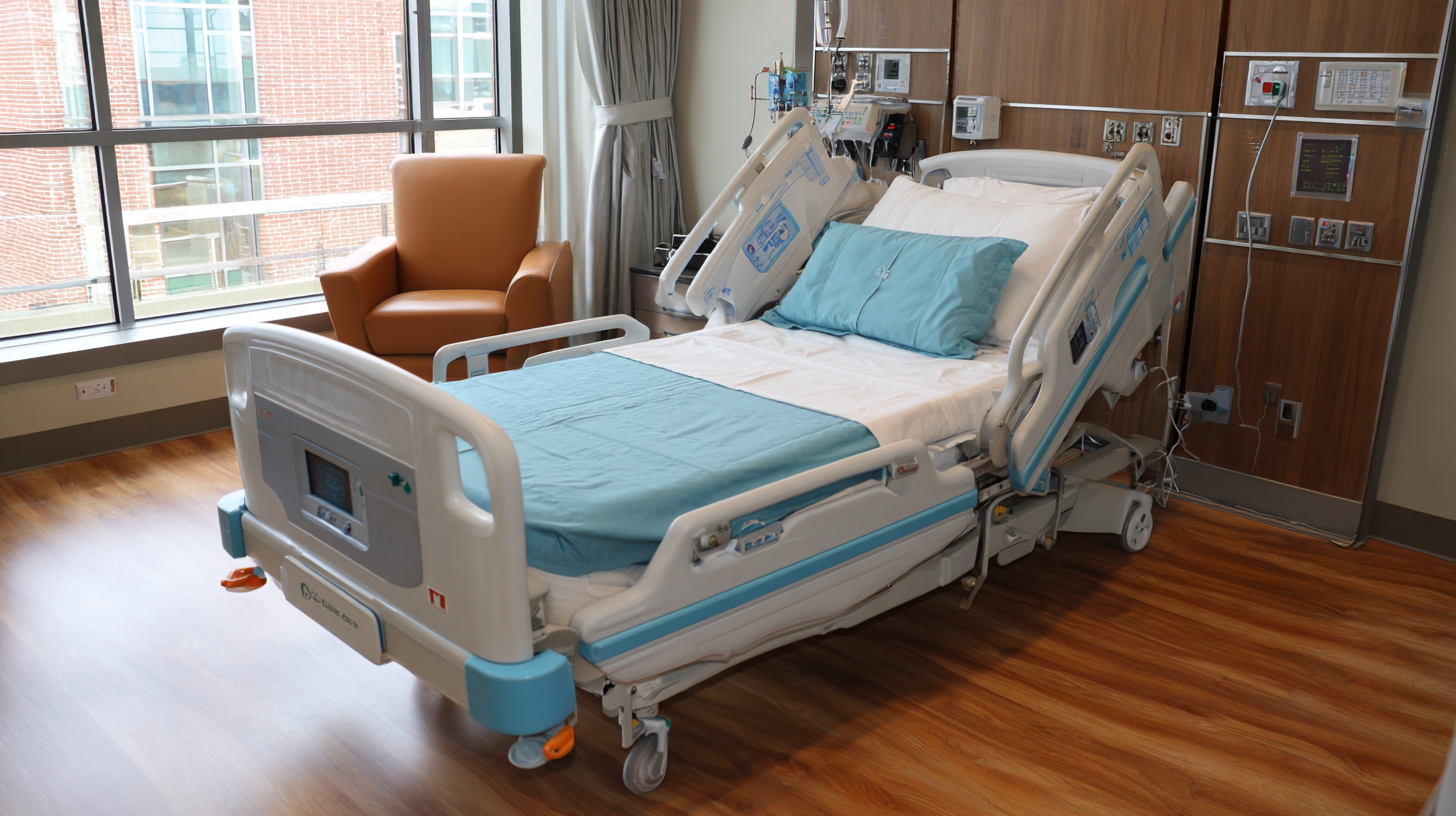
When you’re choosing a hospital bed, it’s really important to think about the accessories that can make a difference—things that boost comfort and help with care.
For starters, the mattress is a big deal; a good-quality one can actually prevent pressure sores and give the right support, especially since people’s needs can vary a lot.
There are lots of options out there, from foam to air-filled mattresses, each with their own perks depending on how much mobility someone has or how much comfort they need.
Picking the right mattress is pretty crucial — it can really improve a patient’s overall quality of life, so it’s definitely something to give some thought to.
And then, there are bed rails — don’t overlook them! They’re super helpful for safety and independence.
They help patients move around more easily and give a sense of security so they don’t fall out of bed. Whether they’re adjustable or fixed, the key is choosing the right type based on how mobile the patient is and what kind of bed it’s going on.
Lastly, overbed tables are a handy addition because they give patients a surface for eating, reading, or even keeping medical stuff within reach.
All these accessories really work together to create a supportive environment, emphasizing comfort, safety, and easy access during hospital stays.
Transforming Healthcare: The Impact of Modular Hospital Pharmacy Room Furniture Systems on Efficiency and Patient Care
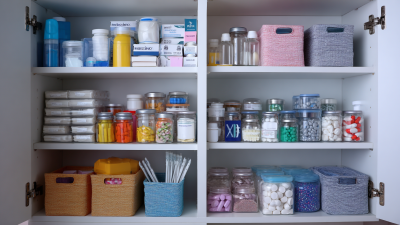
The evolving landscape of healthcare demands innovative approaches to improve efficiency and enhance patient care. One area where this transformation is particularly notable is in the design and functionality of hospital pharmacy environments. Modern modular hospital pharmacy room furniture systems offer a comprehensive solution for drug storage in hospitals and clinics, catering to both Western and traditional Chinese medicine practices. These systems include well-designed cabinets, shelving, and trolleys that streamline pharmaceutical management while ensuring compliance with hygiene standards.
According to a report from the American Association of Colleges of Pharmacy, efficient pharmacy operations can significantly reduce medication errors, which, in turn, improves patient outcomes. Modular pharmacy furniture solutions, like those provided by Jiangsu Zhongbai Nano New Material Technology Co., Ltd., are engineered to allow seamless organization and accessibility of medications. With over a decade of manufacturing expertise, the company has developed custom furniture systems that not only enhance workflow but also optimize space utilization. This is critical in a healthcare setting where every square foot can impact patient care delivery.
The integration of modular systems is also supported by trends in healthcare facilities aiming for greater flexibility and adaptability in design. The 2021 Healthcare Design Annual Report highlights that adaptable environments contribute to increased operational efficiency and improved staff satisfaction, ultimately benefiting patient care. By implementing modular furniture solutions, hospitals can create dynamic pharmacy spaces that support the rapid changes in healthcare demands, ensuring that both medication storage and processing are handled with utmost efficiency and care.
: Why is it important to choose the right hospital bed?
: Choosing the right hospital bed is crucial to meet individual patient needs, especially considering factors like mobility, medical conditions, and the required level of care.
What features should be considered for patients with mobility issues?
For patients with mobility issues, adjustable beds are recommended as they improve comfort and accessibility, allowing for better movement and positioning.
How can a patient’s medical conditions influence the choice of a hospital bed?
Understanding a patient’s medical conditions is vital for selecting a bed that provides necessary support features, such as pressure relief and height adjustment, essential for recovery and comfort.
What should I do if a patient requires regular assistance?
If a patient requires regular assistance, consider beds with adjustable height features to facilitate easier transfers and improve caregiver access.
How does insurance coverage affect the cost of hospital beds?
Insurance coverage varies; Medicare generally covers 80% of medically necessary hospital beds, but the remaining 20% is the patient’s responsibility. Private insurance plans may have different terms.
What are some budgeting tips for acquiring a hospital bed?
Explore flexible payment plans and rent-to-own options from medical equipment suppliers to ease initial costs. Also, consider local community programs offering medical equipment assistance.
Why should healthcare professionals be consulted when choosing a hospital bed?
Healthcare professionals can provide insights on specific patient needs related to ongoing medical conditions and recommend the most beneficial bed features for recovery.
What additional costs should be considered when purchasing a hospital bed?
It’s important to factor in the costs of maintenance, replacement parts, and any specific mattresses or accessories needed, as these can add to long-term expenses.
Conclusion
Picking the right hospital bed is really important—not just for patient comfort, but also to make things easier for caregivers. There are different types out there — like acute care beds, long-term beds, and overbed options — each serving a specific purpose. When you’re choosing one, think about features like adjustable height, weight limits, and how comfy it is, especially based on the patient’s medical needs and mobility. Safety is a big deal too—things like sturdy stability, side rails, and simple designs can make a real difference for both patients and those helping care for them.
If you’re on a budget, it’s smart to look at the average costs, what your insurance might cover, and financing choices to keep everything affordable. Don’t forget, adding on accessories like good mattresses, bed rails, or overbed tables can really boost patient comfort and care. Here at Jiangsu Zhongbai Nano New Material Technology Co., Ltd., we’re all about providing customized hospital and healthcare furniture that’s tailored to fit all kinds of healthcare settings—making sure you get what you need without the hassle.
Isabella is a dedicated marketing professional with extensive expertise in the healthcare furniture manufacturing industry. With years of experience under her belt, she possesses an in-depth understanding of the intricate needs of hospitals, clinics, and laboratories. Isabella is passionate about……


发表回复