zhobai Facilitates Implementation of County-Level General Hospital Furniture Project, Providing a One-Stop Solution to Address Construction Challenges
Recently, zhobai successfully delivered a one-stop medical furniture solution for the new campus of a county-level general hospital. From early-stage space planning and material-size coordination to rendering previews, customized production, and sea freight delivery, the company provided dedicated one-on-one services throughout the entire process. This comprehensive approach effectively addressed key challenges commonly faced in hospital construction, such as “confusing material selection across multiple areas, inefficient space utilization, uncontrolled budgets, and complicated coordination among multiple parties.” The project helped the hospital create an efficient, safe, and human-centered medical environment, providing strong support for the upgrade of local healthcare services.
Project Background & Challenges
The new campus of the county-level general hospital covers more than 12,000 square meters and includes three major areas: the outpatient building, inpatient building, and medical technology building. The project involved multiple functional scenarios, including outpatient waiting areas, nurse stations, consultation rooms, inpatient wards, and medical staff office areas.
During the initial construction phase, the hospital faced numerous challenges: different departments such as internal medicine, surgery, pediatrics, and emergency required furniture with varying materials and dimensions, making it difficult to balance medical safety, durability, and comfort in product selection; public spaces like outpatient waiting areas and inpatient corridors were limited in size, making it challenging to achieve both “efficient traffic flow and comfortable experiences”; the project budget was tight, requiring strict cost control while maintaining furniture quality and medical suitability; and traditional procurement methods required separate coordination with design, production, logistics, and other parties, resulting in high communication costs and difficult schedule management.
Customized One-Stop Solutions
In response to the hospital’s actual needs and pain points, zhobai established a dedicated project team that conducted a week-long comprehensive on-site investigation at the new campus. Combining insights from medical treatment processes, healthcare staff work habits, and patient needs, the team developed a customized one-stop solution.
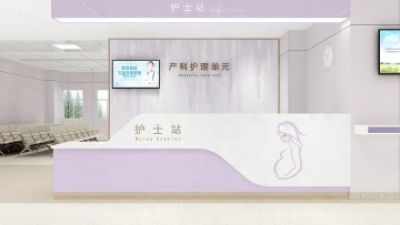
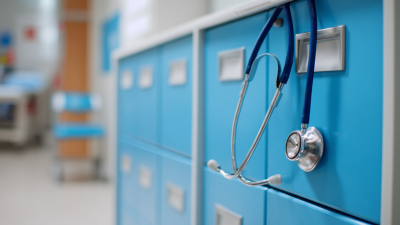
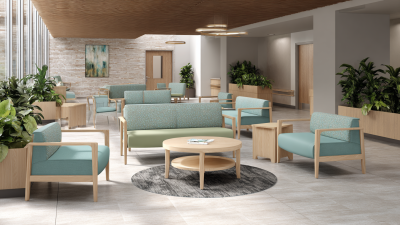
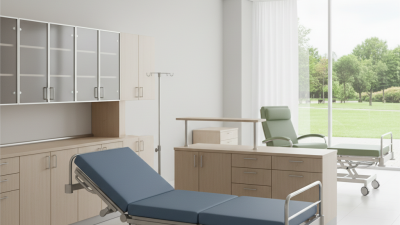
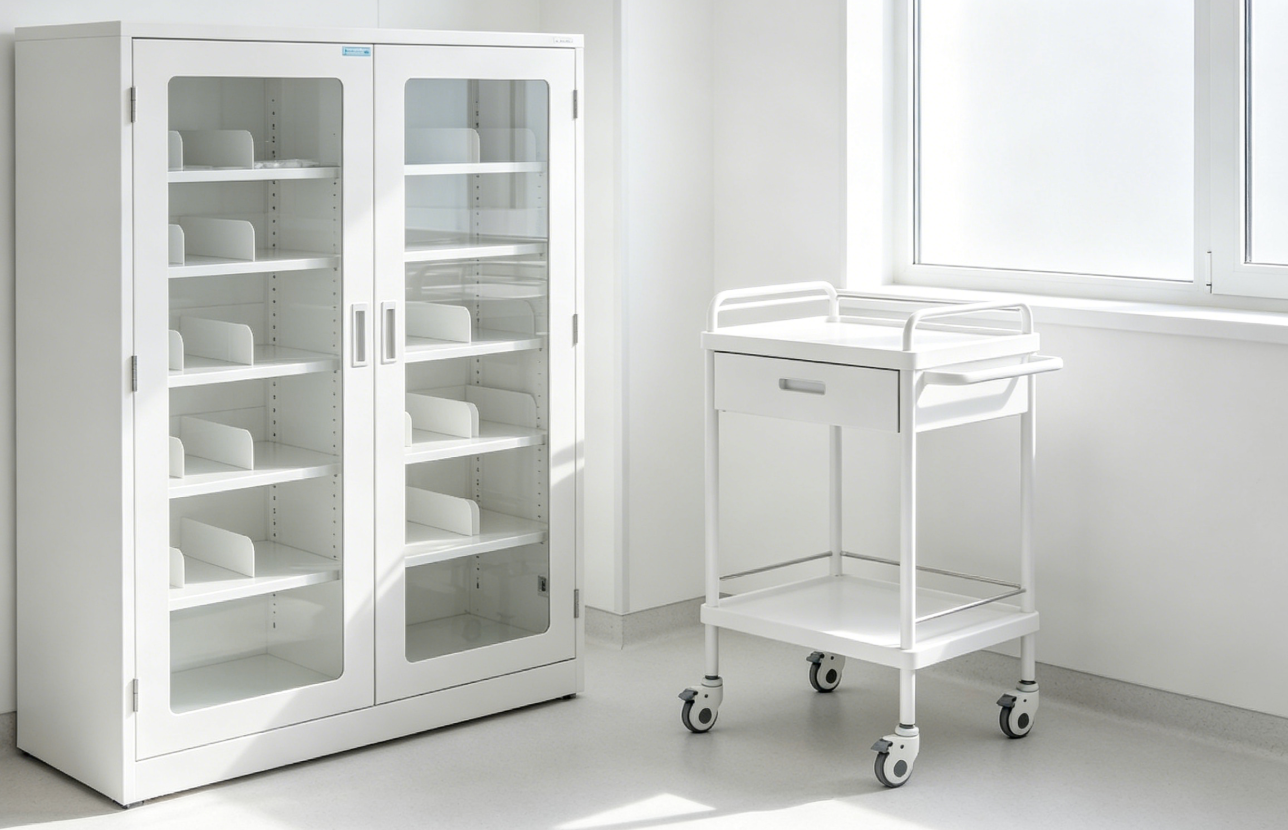
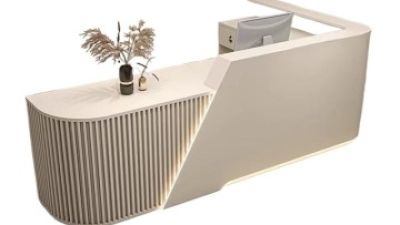
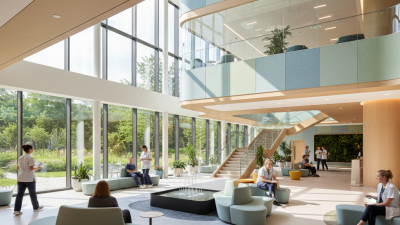
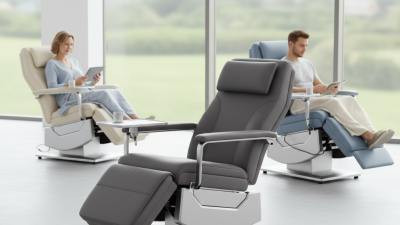
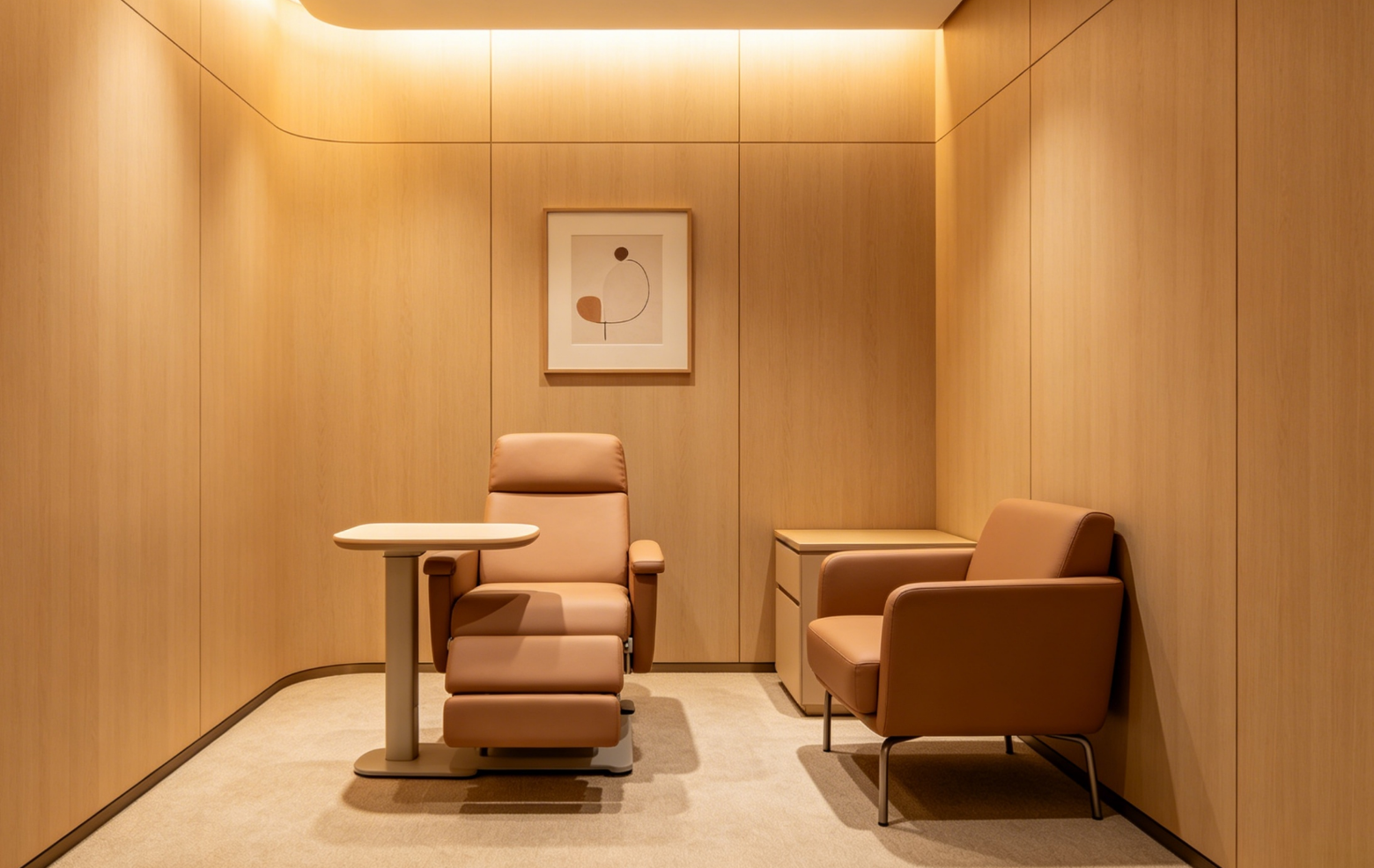
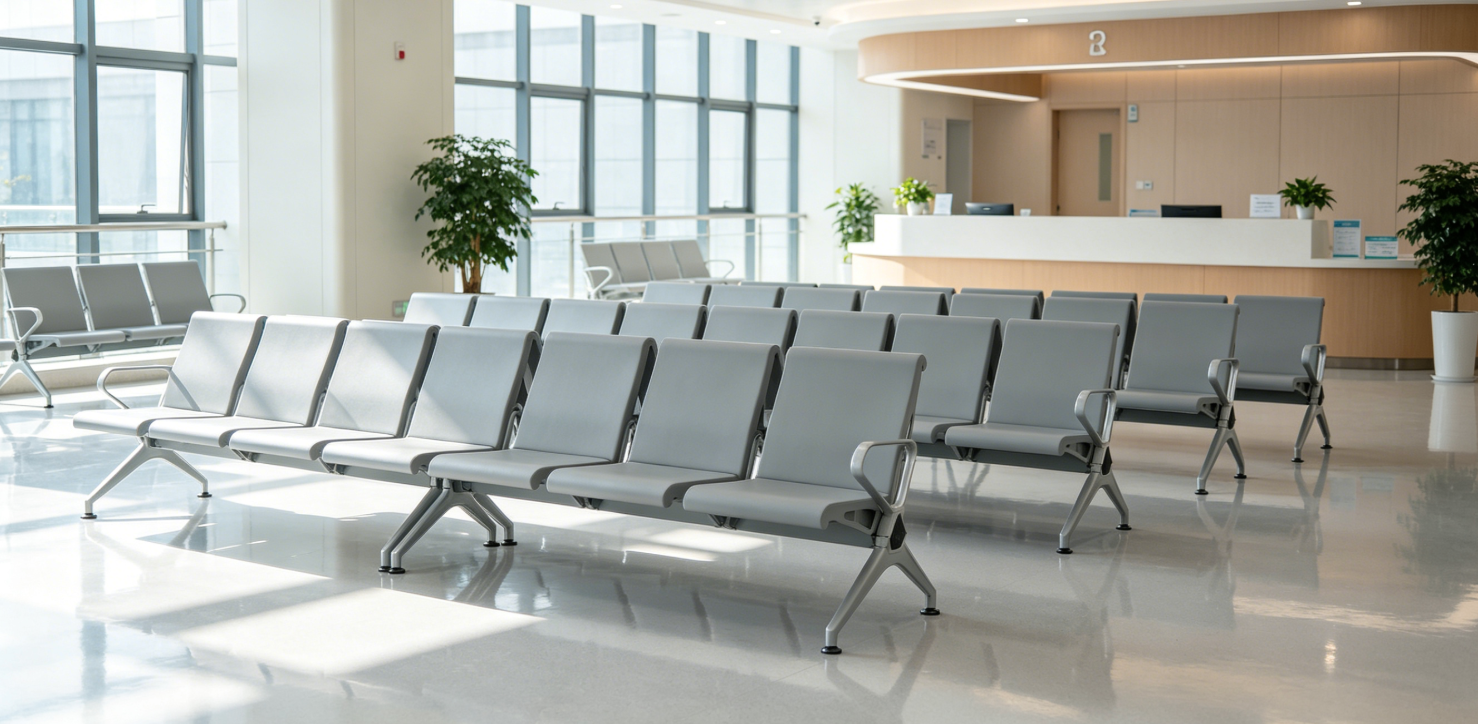
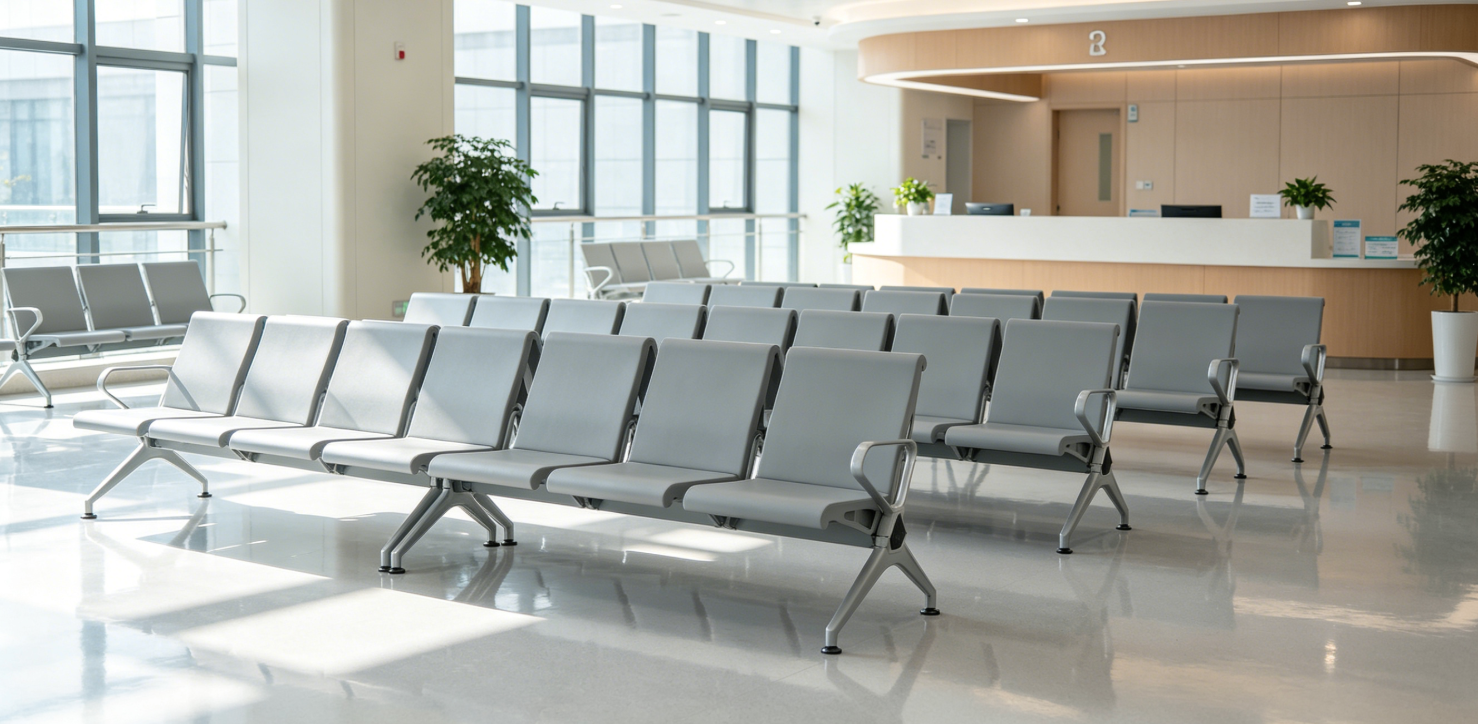
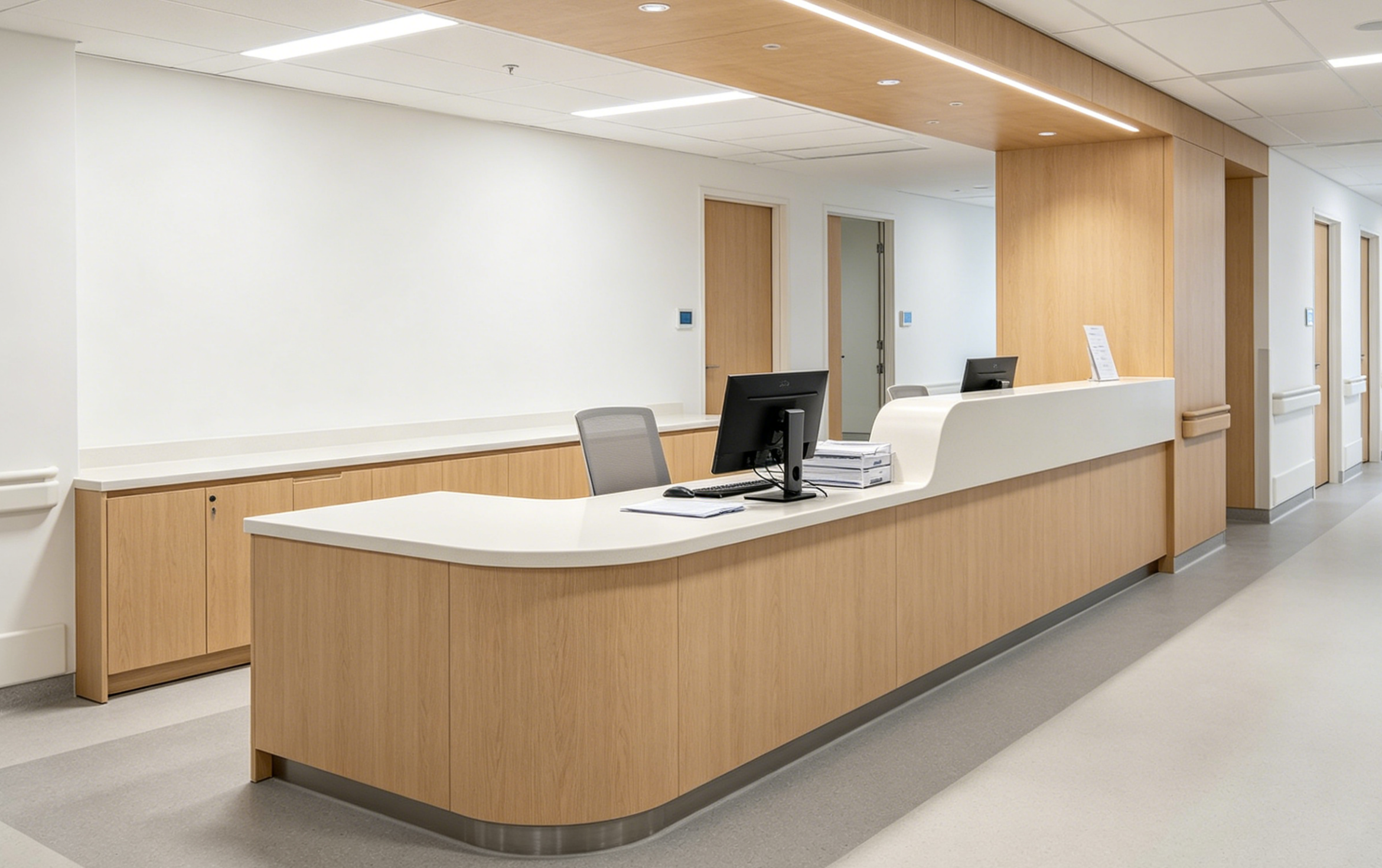
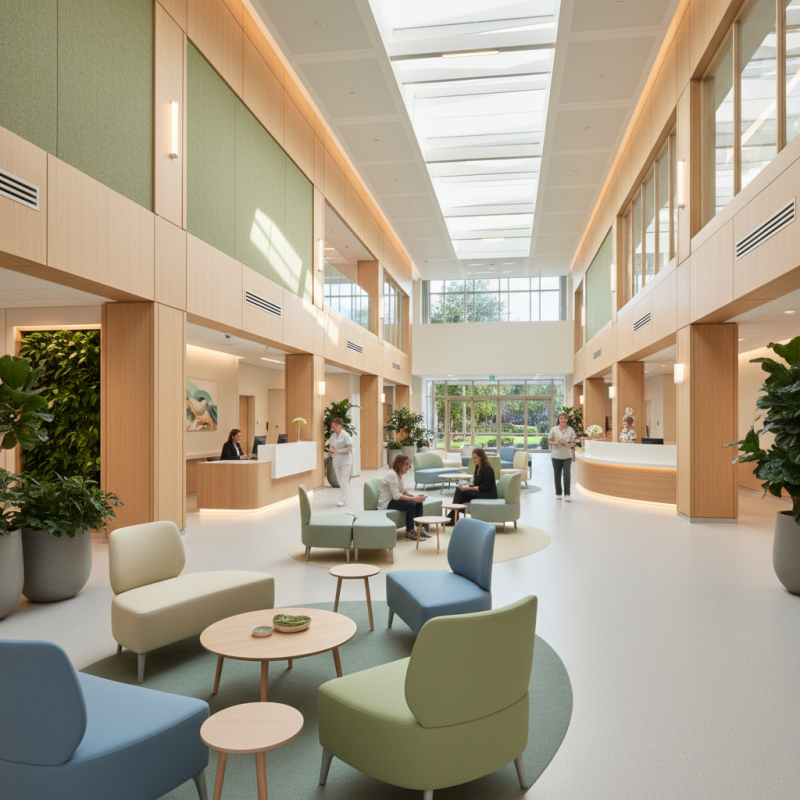
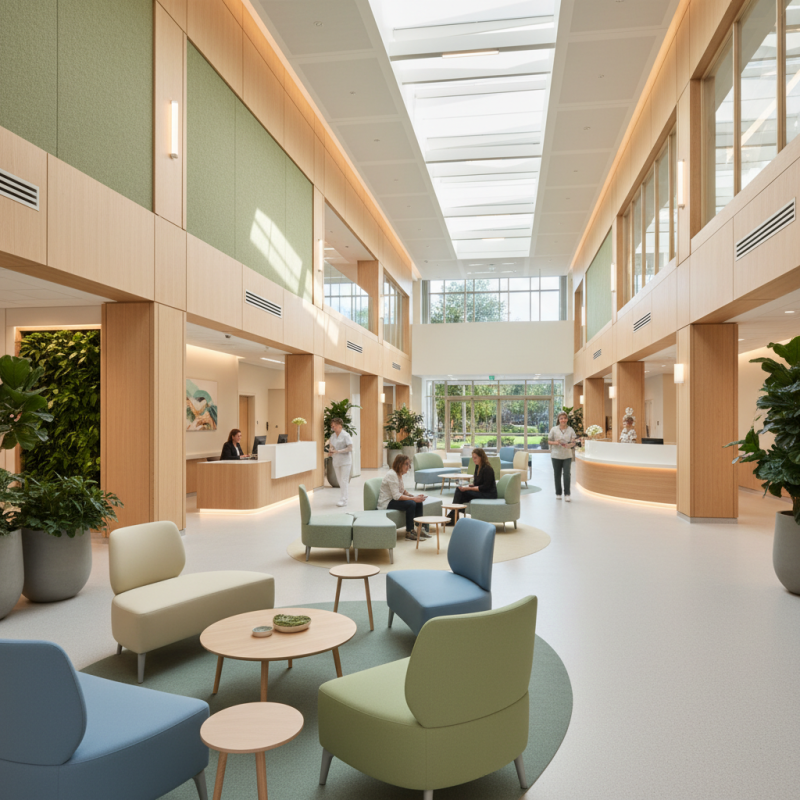
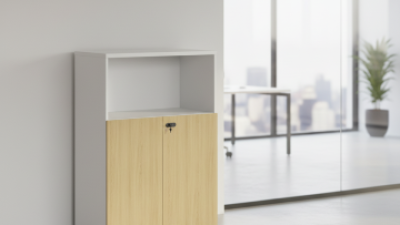
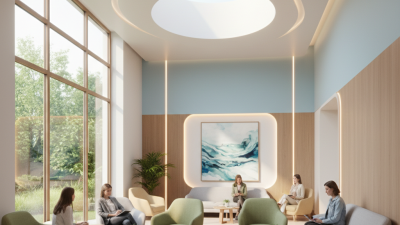
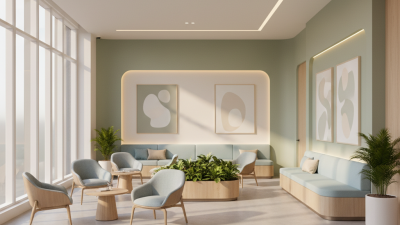
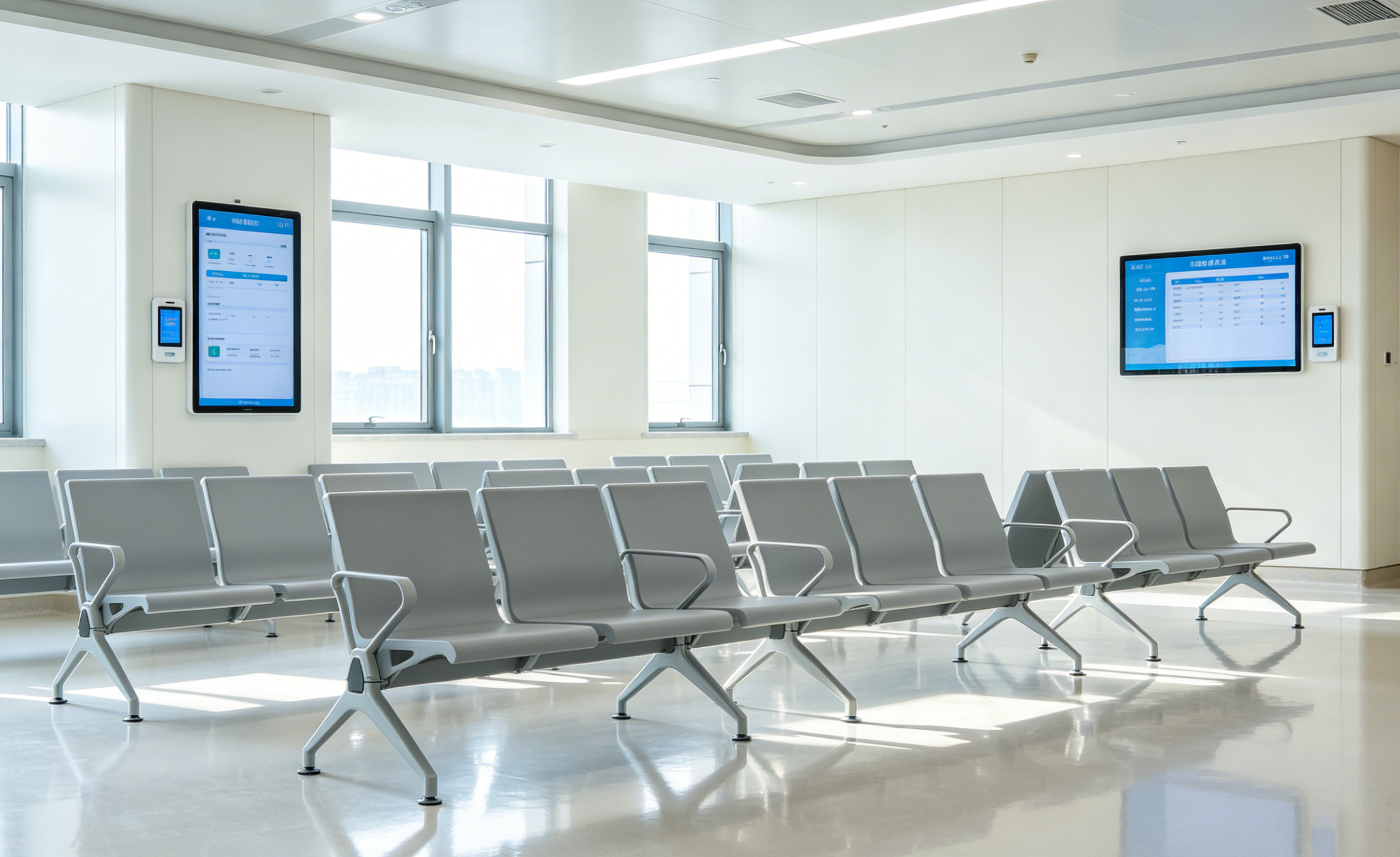
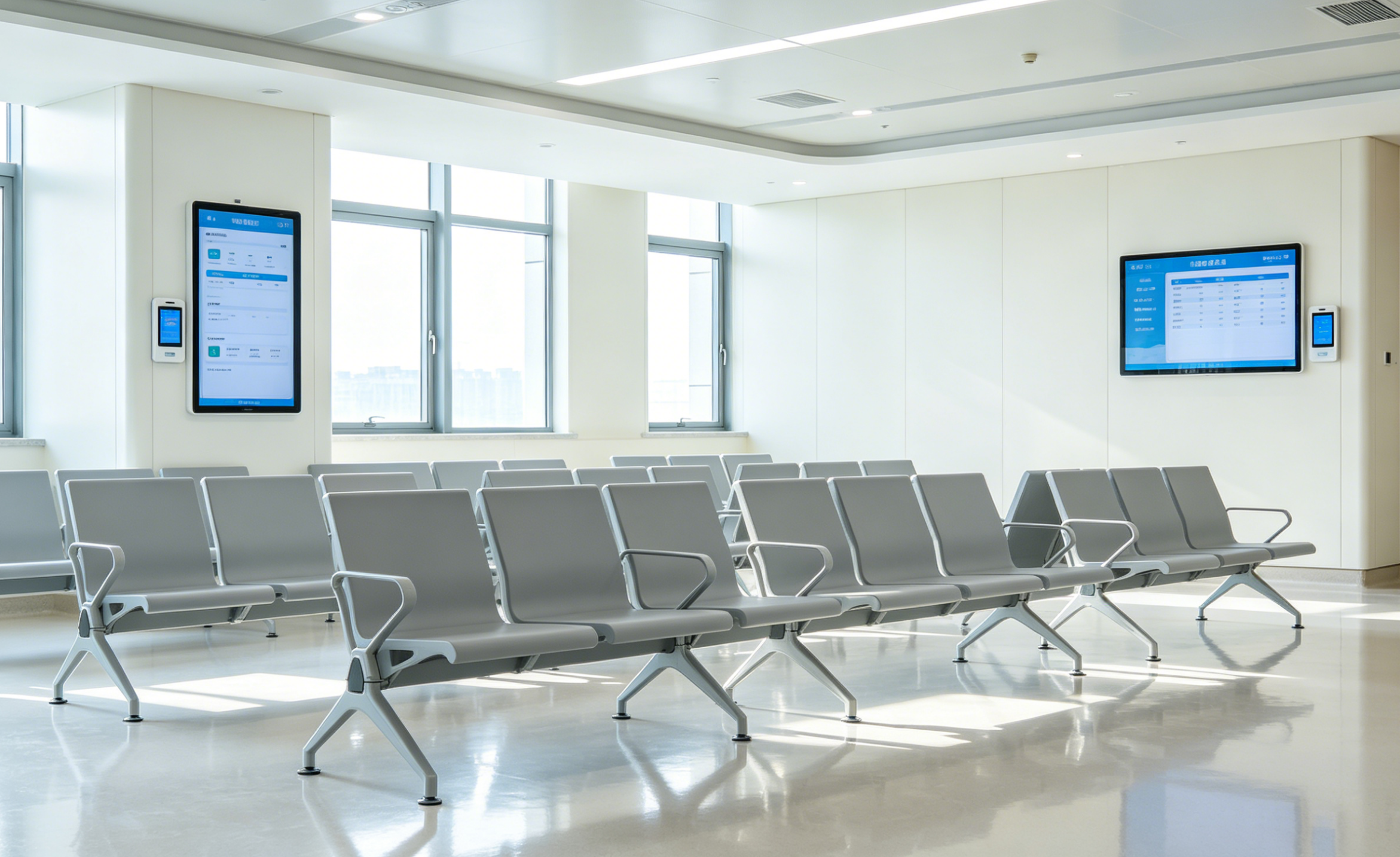
For the outpatient waiting areas, considering the high-frequency usage, they recommended wear-resistant, easy-to-clean, antibacterial eco-friendly panels paired with modular seating arrangements. The layout was optimized to maximize space utilization and alleviate congestion during peak consultation hours, while an intelligent wayfinding system was added to help patients quickly locate the correct departments. The nurse stations adopted an integrated custom design featuring antibacterial and stain-resistant countertops and storage cabinets, with precise size control tailored to nurses’ daily workflow. Rounded corners were added to enhance safety for both patients and medical staff. Customized nurse carts and medical trolleys were also designed to facilitate ward rounds and medication delivery.
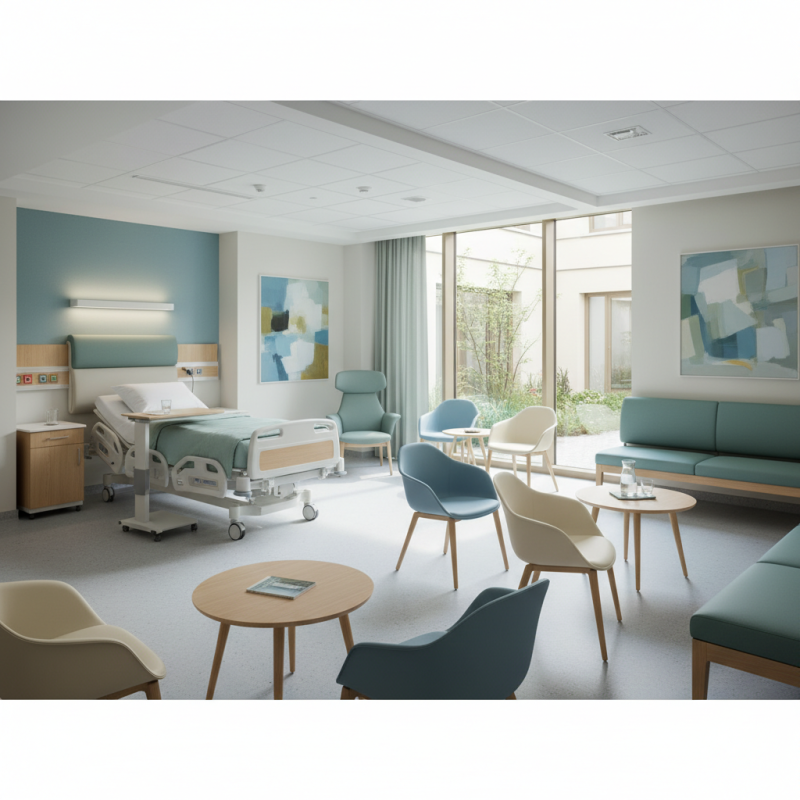
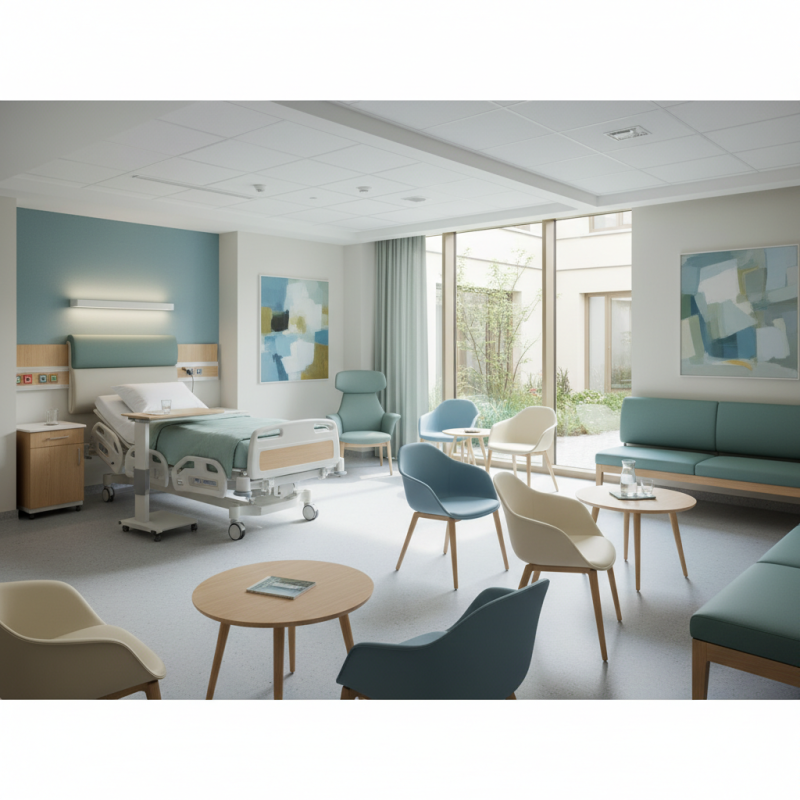
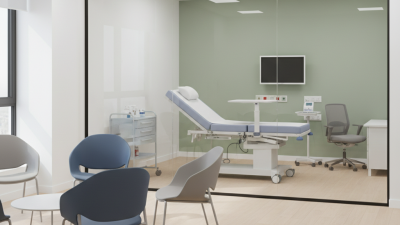
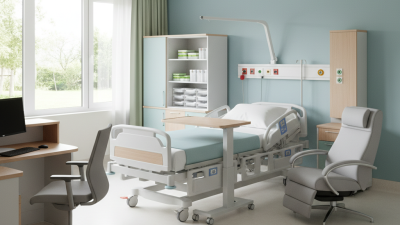
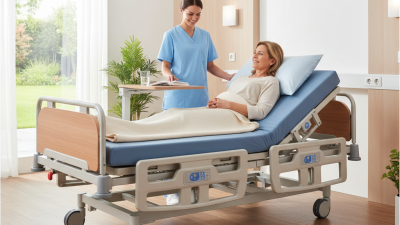
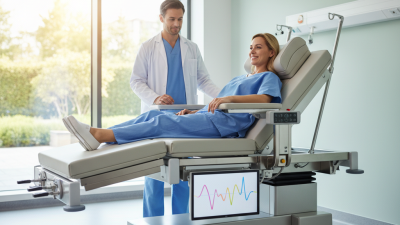
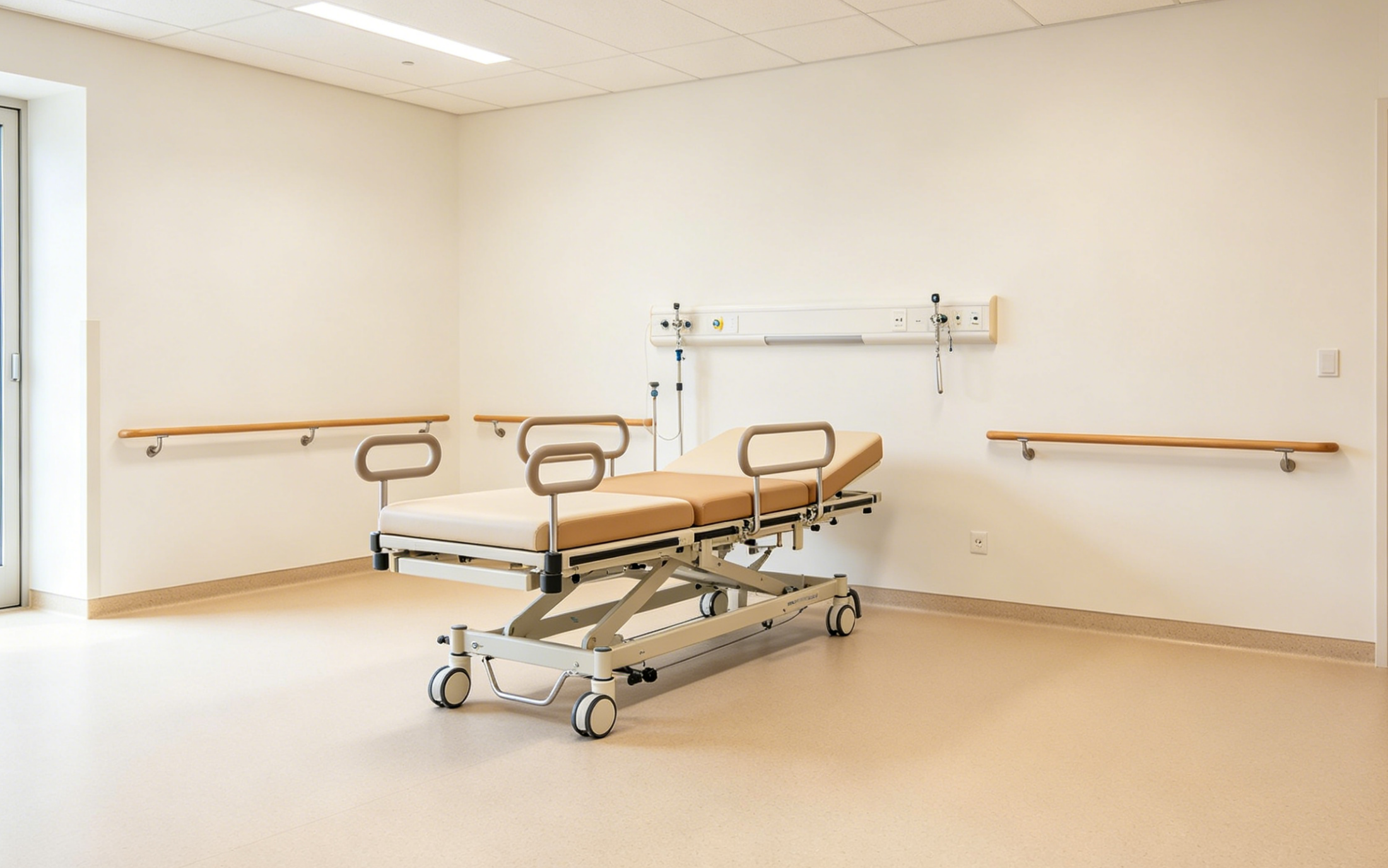
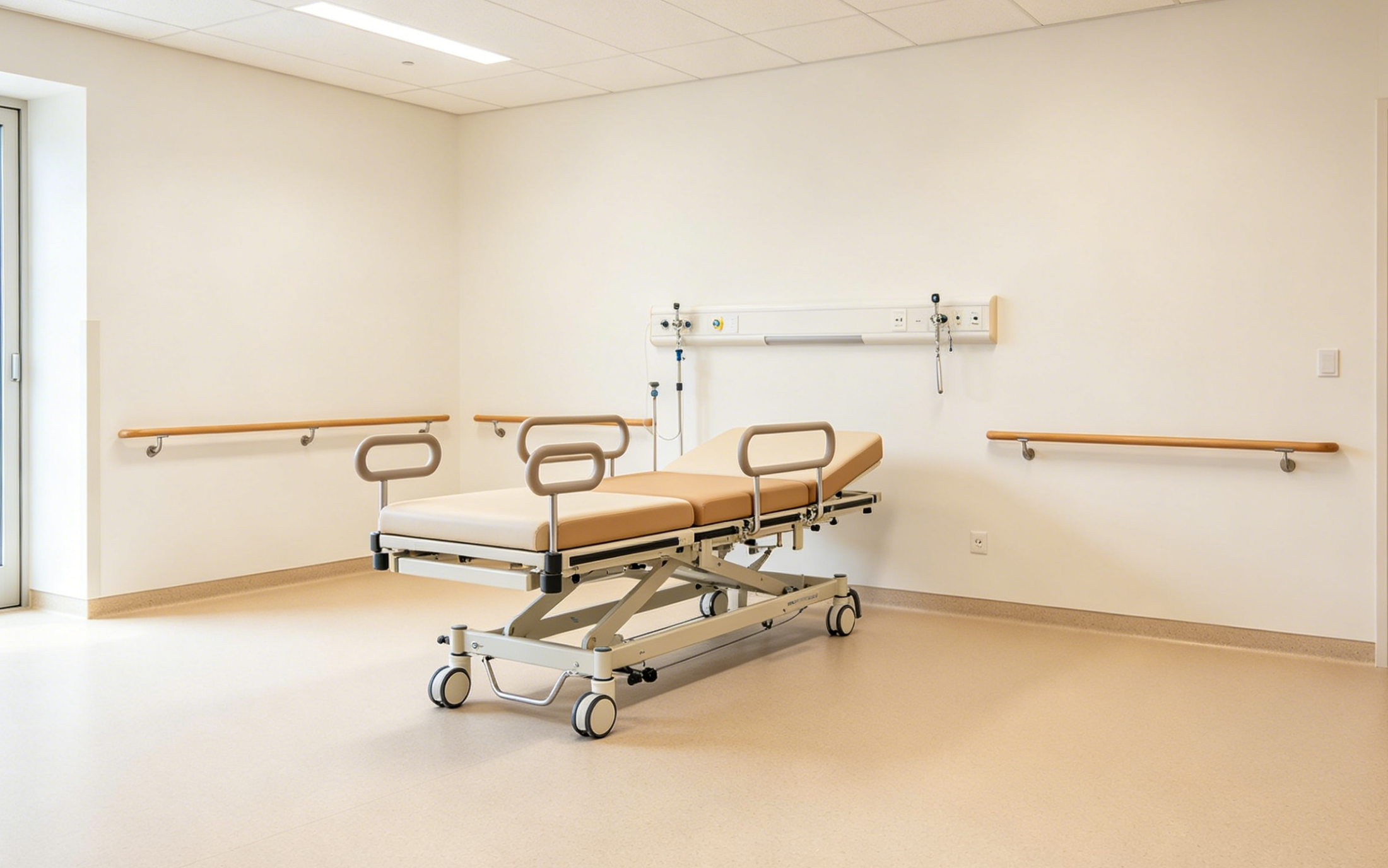
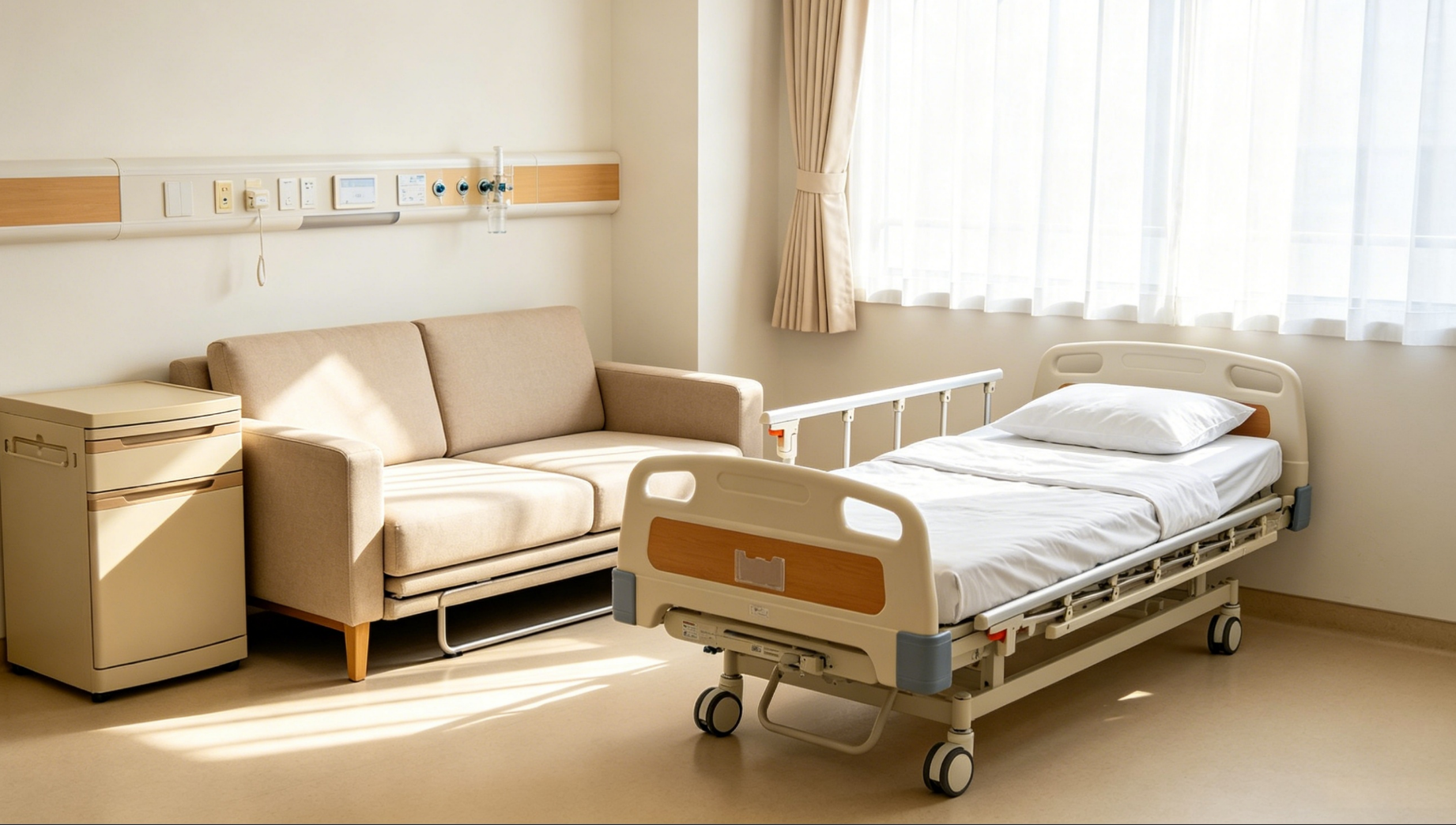
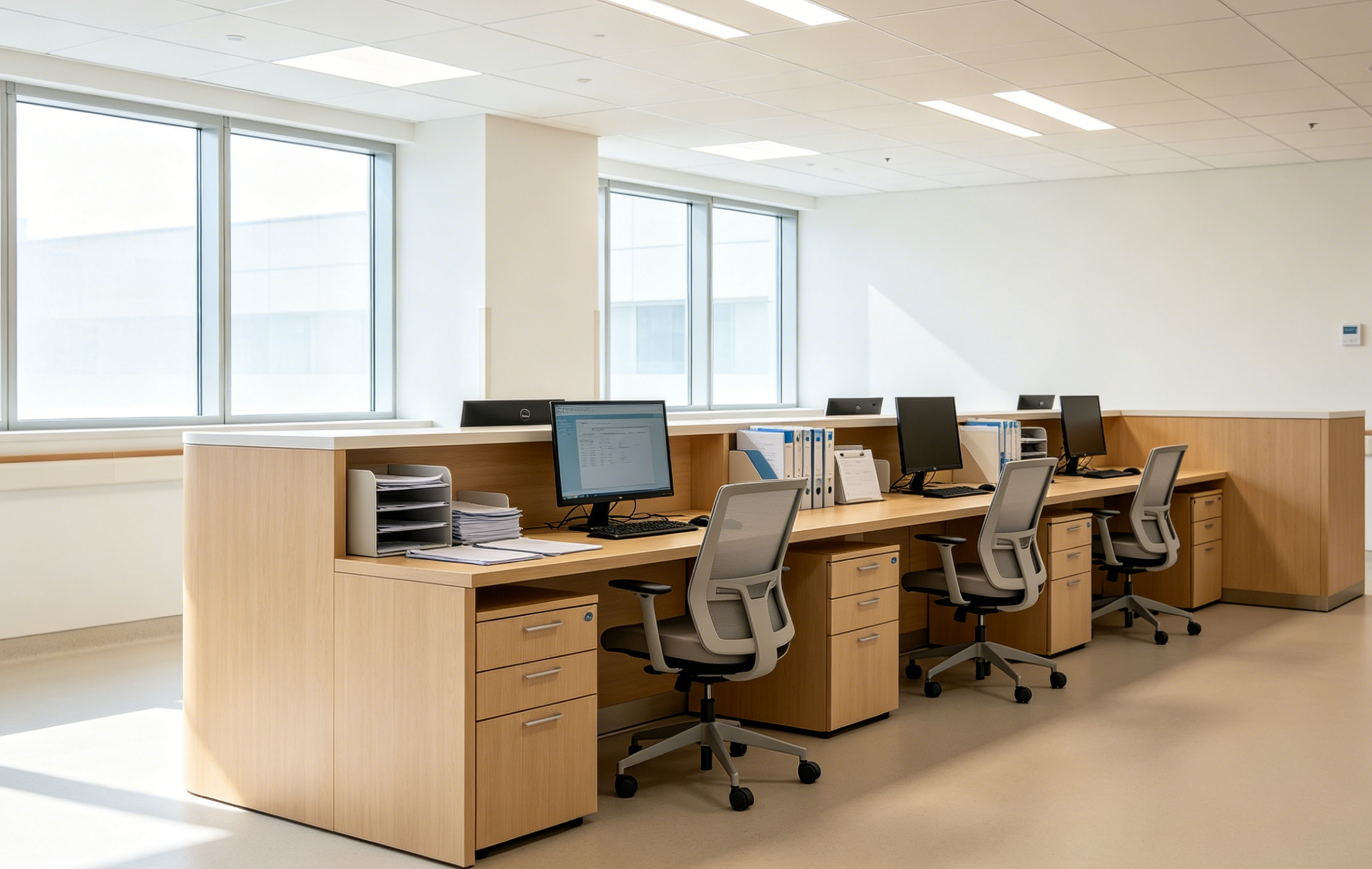
For inpatient wards, multifunctional hospital beds with companion seating and adjustable medical cabinets were customized according to the needs of different departments. Pediatric wards featured soft color schemes, rounded furniture, and cartoon elements to ease children’s anxiety, while adult wards balanced medical functionality with residential comfort. All hospital beds supported height adjustment to meet different rehabilitation requirements. In medical staff office areas, integrated office desks and filing cabinets were customized to optimize workflow and improve efficiency, while environmentally friendly and durable materials ensured a comfortable working environment for healthcare professionals.
Visualization & Quality Control
To help the hospital visualize the proposed solution, the zhobai team created detailed full-scene renderings covering furniture layouts, material textures, lighting effects, and overall atmosphere for every area. From the outpatient building to the inpatient building, and from public spaces to specialized departments, every detail was clearly presented. This allowed the hospital to preview the final effect intuitively. In response to requests regarding department layout optimization and furniture dimension adjustments, the team quickly revised and iterated the plans, avoiding later rework and effectively shortening the construction timeline.
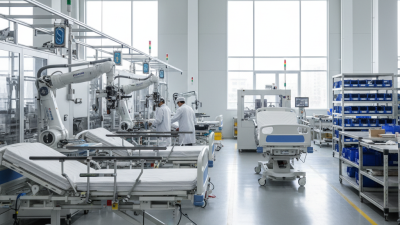
After the proposal was confirmed, zhobai launched the customized production process. All furniture strictly complied with medical industry standards and underwent multiple rounds of quality inspections focusing on antibacterial performance, environmental protection ratings, structural stability, and durability. This ensured the products met the requirements of high-frequency hospital use and medical safety standards.
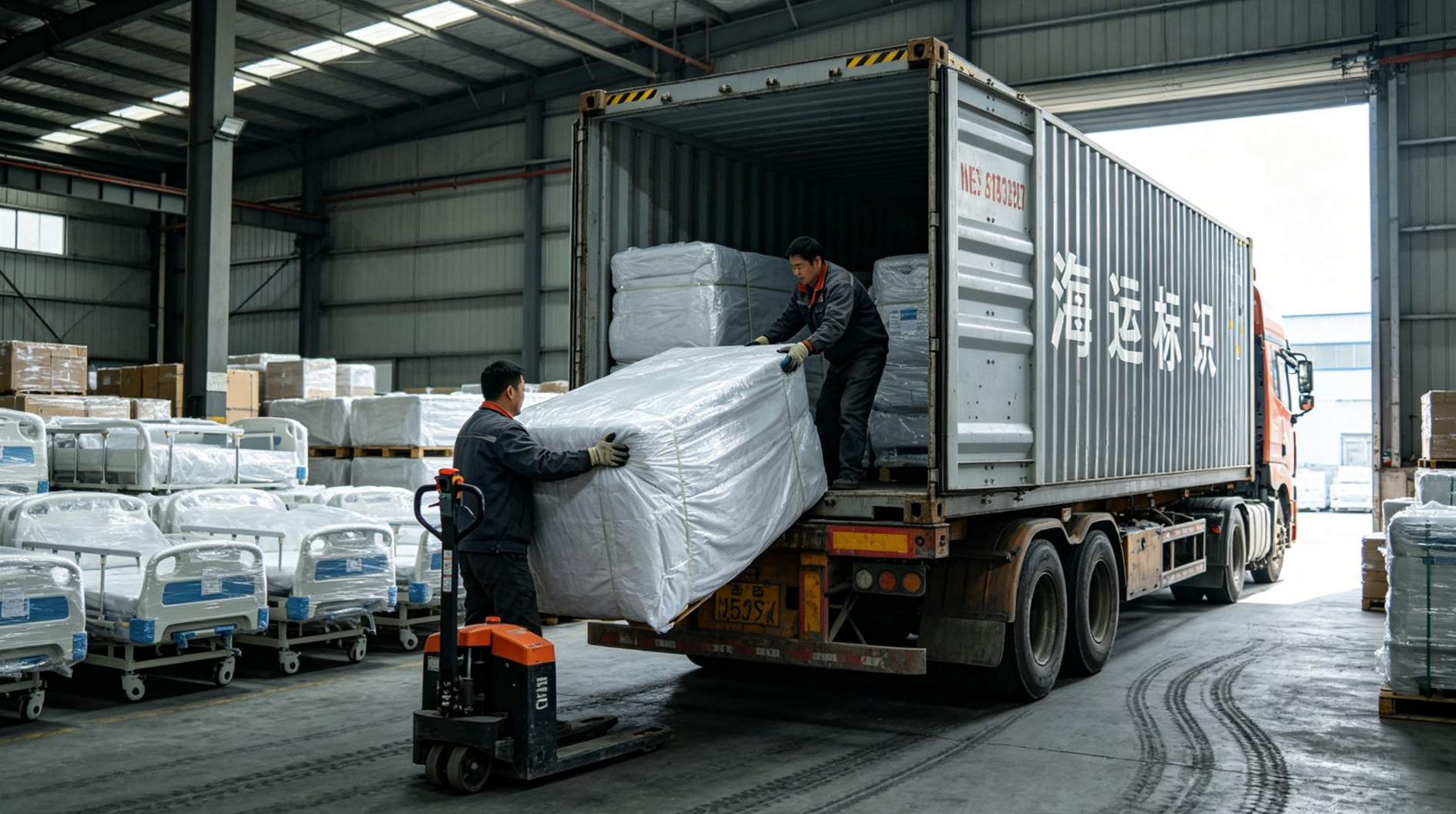
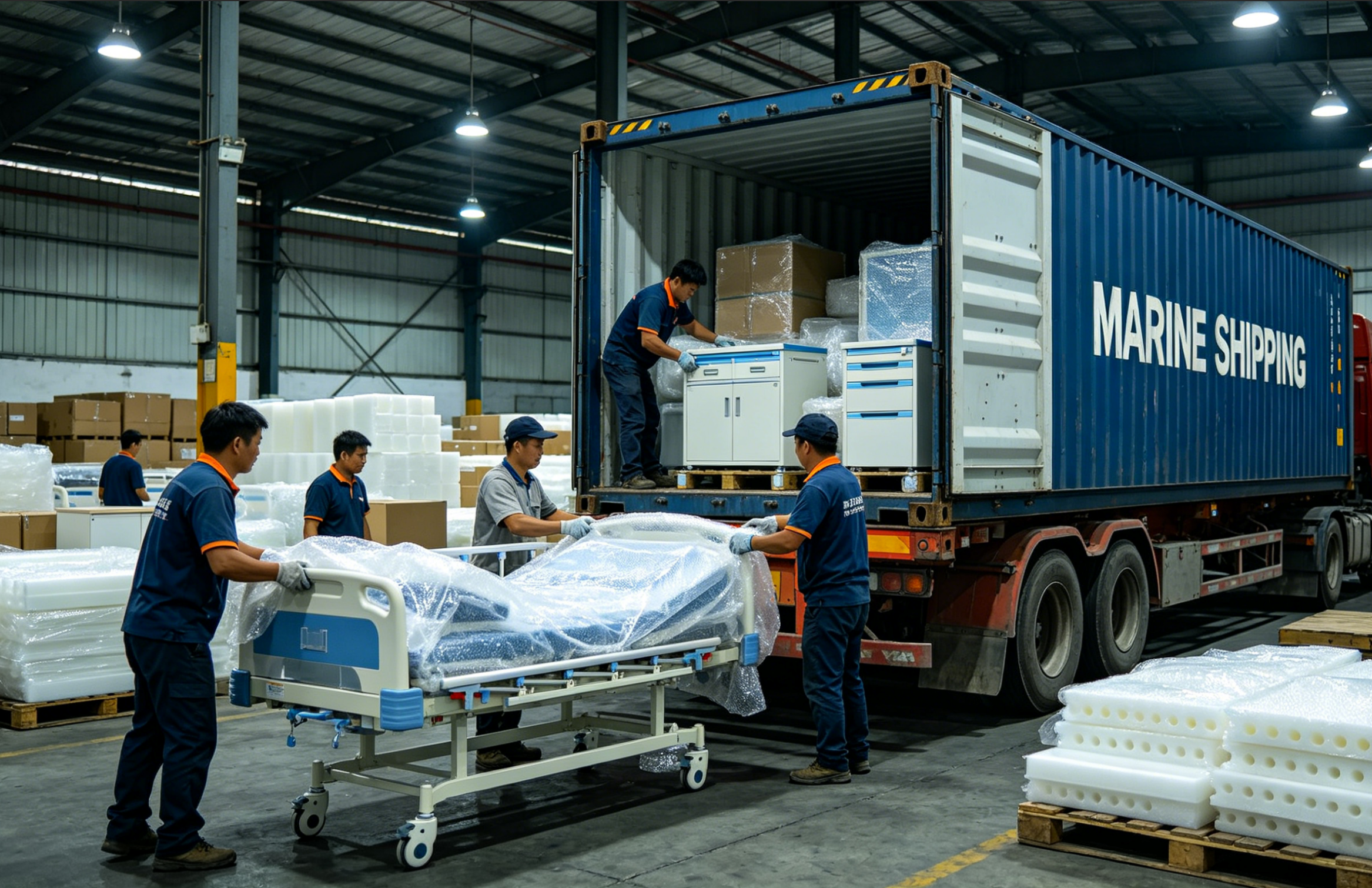
Furniture for specialized departments such as emergency and pediatrics was specifically manufactured using anti-slip, impact-resistant, and easy-to-disinfect materials. After production, professional moisture-proof, shockproof, and damage-resistant packaging was used to safely transport the furniture to the hospital’s new campus by sea freight. The team continuously monitored logistics, customs clearance, and delivery processes while assigning dedicated personnel for coordination, ensuring all products arrived intact. This achieved a full-process closed loop covering “planning–design–production–delivery,” allowing the hospital to avoid coordinating with multiple suppliers while saving both time and effort.
“The construction funds and professional resources for county-level hospitals are limited. At the beginning, we were most concerned about furniture selection, space planning, and budget control. zhobai’s one-stop service perfectly solved all our problems,” said the hospital project manager. “From the early-stage research to the final delivery, the zhobai team consistently maintained a professional and efficient service attitude. The customized furniture precisely matched our needs, ensuring medical safety, optimizing space utilization, and controlling costs, laying a solid foundation for the successful operation of the hospital’s new campus.”
Future Development
The successful delivery of this county-level general hospital project further enriched zhobai’s portfolio of medical furniture projects and demonstrated the team’s professional strength and service advantages in large-scale healthcare institution projects. In the future, zhobai will continue to deepen its focus on the medical furniture sector, optimize its one-stop service system, and provide comprehensive customized solutions for more general hospitals, specialized hospitals, and other healthcare institutions. These efforts will support the high-quality development of the healthcare industry while enhancing the brand’s credibility and visibility and driving increased traffic to its independent website.