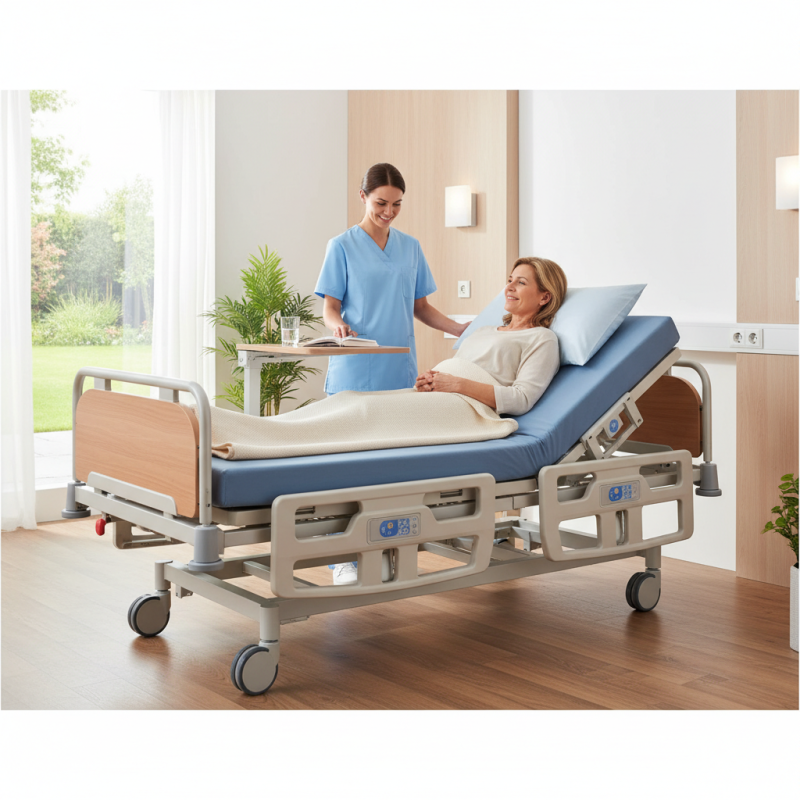
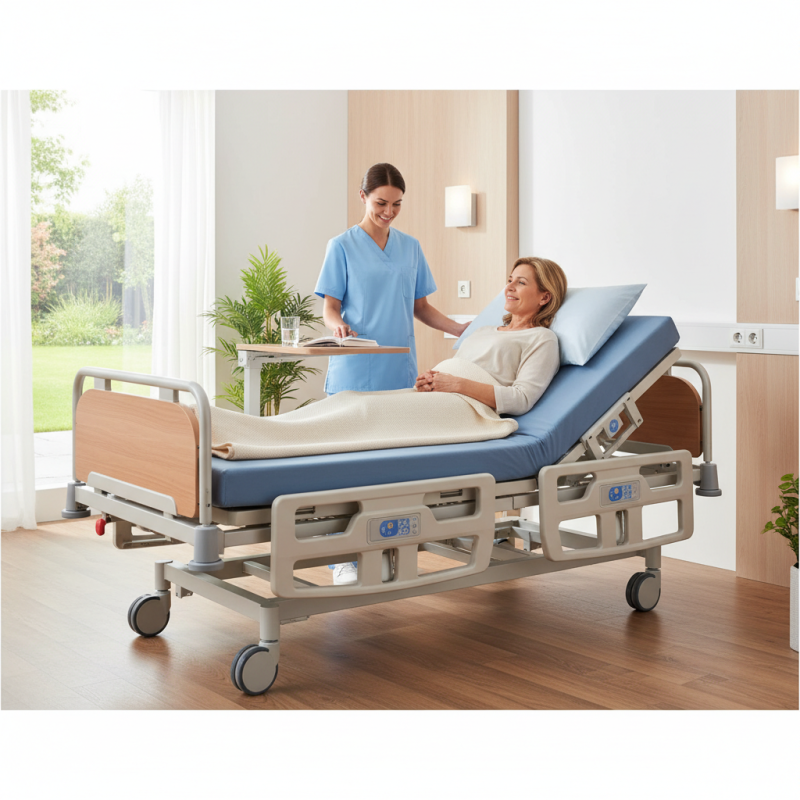
When it comes to taking care of patients and making sure they’re comfortable, choosing the right hospital bed is a pretty big deal. It’s not just about getting better sleep or faster recovery—having the right bed also helps caregivers do their job more easily. With so many options out there, figuring out which hospital bed is the best fit can honestly feel pretty overwhelming, whether you’re a family member or a healthcare pro.
In this guide, I’ll share some top tips to help you pick the perfect bed that suits each patient’s unique needs. We’ll look at things like how adjustable the bed is, comfort features, and safety mechanisms—stuff that really makes a difference. Knowing what to look for can make a huge difference in the patient’s experience, helping them feel more at ease physically and emotionally. Whether it’s for home care or a hospital, investing in a good hospital bed really makes a difference in supporting patient recovery and comfort.
Factors Influencing Patient Comfort in Hospital Bed Selection
When selecting a hospital bed, several key factors greatly influence patient comfort and overall care. One of the primary considerations is the bed’s adjustability. A study published in the Journal of Hospital Medicine revealed that beds with customizable positions can significantly enhance patient comfort and promote better health outcomes.
Adjustable features, such as the head and foot elevation, allow patients to find their preferred sleeping or resting position, which is critical for reducing pressure sores and improving circulation.
Additionally, the mattress type plays a crucial role in patient comfort. Research from the Journal of Clinical Nursing indicates that high-quality foam mattresses, especially those designed with pressure-relief technology, can reduce pain levels and improve patient satisfaction. These specialized mattresses conform to the body’s shape, distributing weight evenly and alleviating pressure points. Adapting the bed to the patient’s specific medical needs and comfort preferences is essential for recovery and maintaining dignity during hospital stays.
Lastly, the bed’s ease of use for caregivers is another factor that cannot be overlooked. According to the Healthcare Technology Report, hospital beds that feature user-friendly controls and mobility enhancements can facilitate better patient care. By ensuring that caregivers can easily adjust the bed without physical strain, healthcare providers can deliver timely interventions, further enhancing the patient’s comfort and safety in the hospital environment.
Types of Hospital Beds: Manual vs Electric and Their Benefits
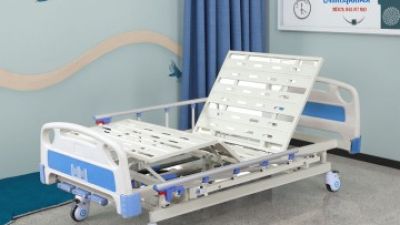
When selecting a hospital bed, one of the most critical decisions is choosing between manual and electric options. Manual hospital beds are simpler and more cost-effective, making them a good choice for basic care needs. These beds rely on hand cranks to adjust the position, allowing caregivers to elevate the head or foot of the bed without the need for electricity. This can be particularly beneficial in situations where access to power source is limited or when the budget is tighter. Manual beds are also often lighter and easier to move, which is advantageous in smaller spaces.
On the other hand, electric hospital beds offer a higher level of convenience and comfort for both patients and caregivers. With the push of a button, these beds can be easily adjusted to various positions, enhancing patient comfort and facilitating easier care. This is especially important for individuals who may have mobility issues or require frequent repositioning to prevent pressure sores. Additionally, electric beds often come with features such as adjustable height and specialized support for better comfort during recovery. Ultimately, the choice between manual and electric beds should be guided by the specific needs of the patient, the type of care required, and the available resources.
Key Features to Look for in a Hospital Bed for Enhanced Care
When selecting a hospital bed to enhance patient comfort and care, there are several key features to consider that can significantly impact recovery outcomes. According to a report by the American Hospital Association, the right hospital bed can improve patient mobility and reduce the risk of pressure ulcers, which affect approximately 2.5 million patients each year in the U.S. To mitigate such risks, hospital beds should offer adjustable positioning options, allowing for optimal elevation of the head, feet, and knees to enhance circulation and comfort.
Another important feature is the mattress quality. A supportive, pressure-relieving mattress can greatly influence a patient’s comfort and overall health. Research from the Journal of Wound Care indicates that beds with advanced pressure management systems can reduce the incidence of bedsores by up to 50%, demonstrating the critical role of appropriate bedding materials. Furthermore, ease of use for caregivers is essential; beds equipped with integrated controls enable efficient adjustments without disrupting the patient, streamlining care delivery and improving the overall care experience.
Additionally, safety features such as side rails and advanced braking systems are crucial in preventing falls, which is a major concern for hospitalized patients, especially the elderly. Data from the National Institute for Health and Care Excellence highlights that falls in hospital settings account for a significant number of accidents, thus reinforcing the need for beds designed with safety in mind. Overall, choosing a hospital bed with these key features ensures not only enhanced patient comfort but also a higher standard of care.
Understanding Patient Mobility Needs for Optimal Bed Choice
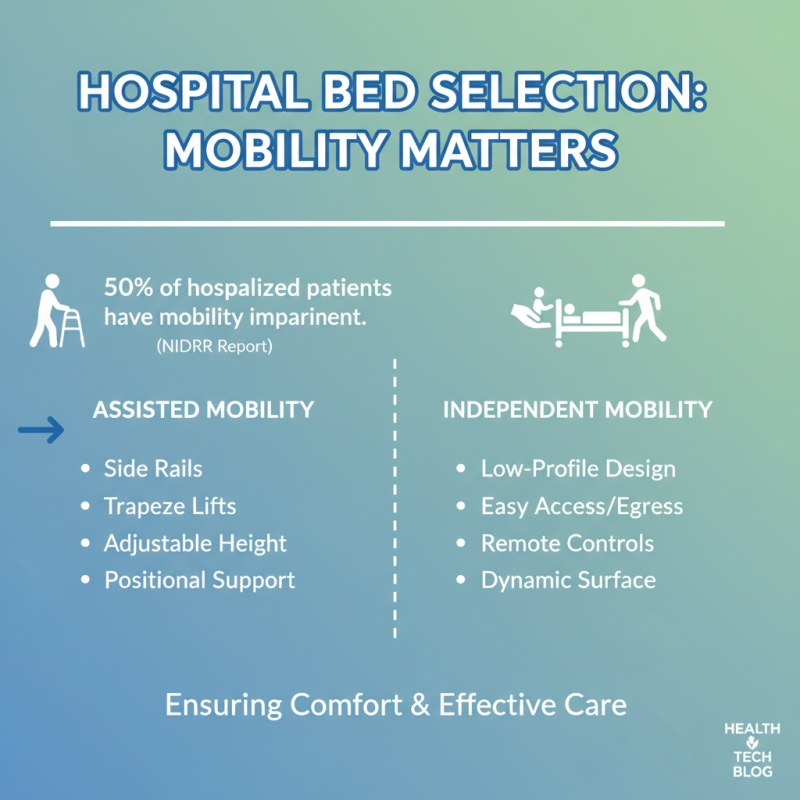
When selecting a hospital bed, understanding patient mobility needs is crucial for ensuring both comfort and effective care. According to a report by the National Institute of Disability and Rehabilitation Research, nearly 50% of hospitalized patients have some level of mobility impairment. This statistic emphasizes the necessity for hospital beds that can accommodate various mobility conditions—whether that be patients who require assistance to move, or those who are more mobile and need beds that allow for easier access.
Hospital beds equipped with adjustable features such as height modifications, backrests, and leg lifts can significantly enhance patient comfort and facilitate better mobility management. Research published in the Journal of Rehabilitation Research and Development states that adjustable beds can reduce the incidence of skin breakdown and improve overall patient satisfaction scores by 25%. This improvement is closely linked to how well patients can reposition themselves and maintain their comfort throughout prolonged bed rest.
Furthermore, individuals with limited mobility often require beds that not only promote safety but also ease of use for caregivers. Features such as side rails, anti-roll mechanisms, and easy-to-reach controls can ensure that both patient and caregiver experiences are optimized. A study in the Archives of Physical Medicine and Rehabilitation found that beds designed with these considerations led to a 30% decrease in caregiver strain, highlighting the importance of choosing a bed that meets both patient and caregiver needs for efficient and compassionate care.
Industry Standards: Recommended Bed Dimensions for Patient Safety
When selecting a hospital bed, one of the critical factors to consider is adherence to industry standards for bed dimensions, which play a vital role in ensuring patient safety and comfort. According to a study published by the American Hospital Association, the standard hospital bed width ranges from 36 to 42 inches, while the length typically measures between 80 to 84 inches. These dimensions are designed to accommodate a diverse range of patient sizes and promote effective care by allowing medical staff easy access for procedures and assistance.
In addition to basic dimensions, the height of the bed is equally important. The recommended height for hospital beds usually falls between 18 to 24 inches from the ground, enabling patients to get in and out of bed safely. Furthermore, bed width should provide adequate space to use various medical equipment without compromising patient security. Recent guidelines from the National Institute of Health emphasize that optimal bed dimensions not only improve patient comfort but also reduce the risk of falls and injuries, significantly enhancing the overall quality of care in healthcare settings. Properly dimensioned hospital beds cater to both patients’ physical needs and the functional requirements of healthcare providers, leading to better health outcomes.
Importance of Mattresses in Hospital Beds for Pressure Relief
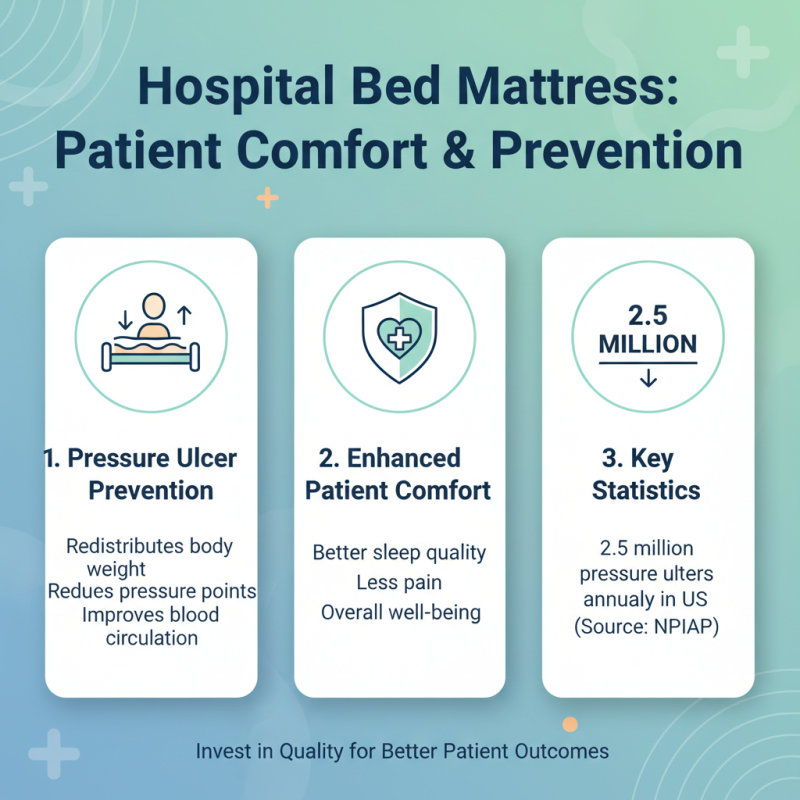
Selecting the right mattress for a hospital bed plays a crucial role in enhancing patient comfort and preventing complications related to prolonged immobility, such as pressure ulcers. According to the National Pressure Injury Advisory Panel, approximately 2.5 million patients in the United States develop pressure ulcers each year, emphasizing the need for effective pressure relief solutions. A quality mattress is essential in distributing body weight evenly, reducing pressure points, and allowing for better blood circulation, all of which contribute to a patient’s overall wellbeing.
When choosing a mattress, consider the different types available, such as memory foam, air-filled, and gel-infused options. Memory foam mattresses contour to the body, providing excellent support and comfort, while air-filled mattresses allow for adjustability in firmness and pressure settings, which can be vital for patients with varying needs. Tips for enhancing patient comfort include regularly checking and adjusting the mattress firmness based on the patient’s condition and providing proper training to staff on how to assist patients in changing positions to further alleviate pressure.
Furthermore, the importance of mattress maintenance cannot be overlooked. Regular inspections and timely replacement of worn mattresses can significantly reduce the risk of patient complications. According to recent findings, replacing mattresses every 3-5 years is recommended to ensure optimal support and hygiene. Implementing these tips can lead to improved patient satisfaction and better recovery outcomes, reflecting the committed care in hospital settings.
Guidelines for Evaluating Hospital Bed Accessories and Add-ons
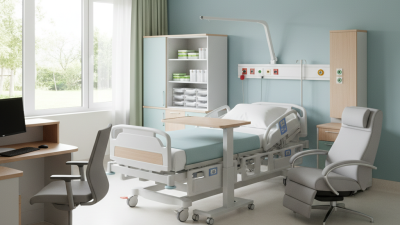
When selecting a hospital bed, it is essential to consider not only the bed itself but also the various accessories and add-ons that can enhance patient comfort and care. According to a report by the Agency for Healthcare Research and Quality, appropriate accessories can significantly reduce the risk of pressure ulcers and improve overall patient satisfaction. Elements such as adjustable side rails, specialized mattresses, and well-designed bed trays can transform a standard hospital bed into a more functional and supportive environment for patients.
One of the key accessories to evaluate is the mattress type, which plays a crucial role in maintaining patient comfort. For instance, pressure-relieving foam mattresses have been shown to decrease the incidence of bed sores by up to 50%, according to data from the National Pressure Injury Advisory Panel. Additionally, adjustable side rails can be crucial for ensuring patient safety, allowing caregivers to provide assistance when needed while giving patients a sense of independence. Furthermore, the addition of bed mobility aids, such as trapeze bars or grabbing straps, empowers patients to reposition themselves, fostering both comfort and self-sufficiency during recovery.
Another important aspect is the inclusion of bedside commodes and storage solutions, which facilitate easier access for patients with mobility constraints. Weighing the benefits of various add-ons against the specific needs of the patient will ensure a tailored approach to care, enhancing the overall experience for both patients and healthcare providers. By thoughtfully choosing hospital bed accessories, facilities can significantly improve patient outcomes and satisfaction levels.
Essential Features of a Stainless Steel Three-Function Adjustable Foldable Bed for Home and Outdoor Care
The Stainless Steel Three-Function Adjustable Foldable Bed is an essential piece of equipment for both home and outdoor care, particularly designed with versatility and patient comfort in mind. Its height-adjustable feature allows it to accommodate a wide range of users, with a load capacity of up to 240kg and a height adjustment range from 400mm to 700mm. This adaptability is crucial in healthcare settings where individualized care is paramount, as it enables caregivers to position the bed appropriately for each patient’s needs, reducing the physical strain involved in caregiving tasks.
Featuring a manual adjustment system that allows for seamless modifications of the backrest (0–75°) and footrest (0–45°), this bed ensures that patients can find the most comfortable and supportive positions without relying on electrical mechanisms. Moreover, the durable ABS hand crank system guarantees reliability, essential for settings like clinics or nursing homes, where important equipment must be safe and functional. According to industry reports, the demand for manual beds in healthcare facilities is on the rise, as they are often considered more reliable and lower maintenance compared to electric alternatives.
Hygiene and safety are further prioritized with the ventilated punching/slat surface, which promotes proper airflow and comfort during extended use. The inclusion of secure five-leg side rails and easy-to-clean ABS headboards enhances safety while simplifying the cleaning process. Silent locking casters allow for easy transportation without disturbing patients, streamlining caregiver workflows in high-turnover environments. By combining these essential features, the adjustable foldable bed not only supports patients recovering from injuries or surgeries but also provides peace of mind to caregivers, ensuring high-quality care in both home and outdoor settings.
: What is the importance of adjustability in hospital beds?
: Adjustability is critical as it allows patients to customize their sleeping or resting positions, which can significantly enhance comfort, reduce pressure sores, and improve circulation.
How does the type of mattress affect patient comfort?
The quality and design of the mattress play a vital role in comfort; high-quality foam mattresses with pressure-relief technology can alleviate pain and enhance patient satisfaction by evenly distributing weight and relieving pressure points.
What features should be considered for enhanced patient care in hospital beds?
Key features include adjustable positioning options for the head, feet, and knees, supportive pressure-relieving mattresses, and ease of use for caregivers to streamline care delivery.
Why is caregiver usability important when selecting a hospital bed?
Beds with user-friendly controls allow caregivers to make timely adjustments without physical strain, thereby enhancing patient comfort and safety during hospital stays.
What are the recommended dimensions for hospital beds to ensure patient safety?
Standard hospital bed widths range from 36 to 42 inches, and lengths typically measure between 80 to 84 inches, which accommodate diverse patient sizes and enable effective care.
What height should hospital beds be for optimal patient safety?
The recommended height for hospital beds is usually between 18 to 24 inches from the ground, facilitating safe entry and exit for patients.
How can hospital beds help prevent falls?
Safety features such as side rails and advanced braking systems are crucial in preventing falls, particularly among elderly patients, reducing the number of accidents in hospital settings.
What impact do proper bed dimensions have on patient care?
Properly dimensioned hospital beds improve patient comfort and safety, reduce the risk of falls and injuries, and enhance the overall quality of care delivered by healthcare providers.
How do advanced pressure management systems in mattresses affect health outcomes?
Beds equipped with advanced pressure management systems can reduce the incidence of bedsores by up to 50%, showcasing the significance of appropriate bedding materials in improving patient health.
What is the overall benefit of selecting the right hospital bed?
Choosing the right hospital bed with the necessary features ensures enhanced patient comfort, promotes better recovery outcomes, and raises the standard of care in healthcare settings.
Conclusion
Choosing the right hospital bed is crucial for ensuring patient comfort and effective care. Various factors influence this decision, including the type of hospital bed—manual or electric—which each offers distinct benefits. Key features to consider include adjustability, safety rails, and weight capacity, all of which cater to different patient mobility needs. Industry standards recommend specific bed dimensions to enhance patient safety and comfort.
Additionally, the choice of mattress plays a vital role in pressure relief, an essential consideration for patients at risk of bedsores. Evaluating hospital bed accessories and add-ons, such as bedside tables and overbed trays, can further improve the overall care experience. By understanding these elements, caregivers can select the most suitable hospital bed for their patients, ensuring a safe and comfortable environment.
Isabella is a dedicated marketing professional with extensive expertise in the healthcare furniture manufacturing industry. With years of experience under her belt, she possesses an in-depth understanding of the intricate needs of hospitals, clinics, and laboratories. Isabella is passionate about……





发表回复