分类: blog

  • “The Waiting Room Tells You Everything About a Hospital’s Priorities”: Interview with Zhobai Senior Planning Designer

    “The Waiting Room Tells You Everything About a Hospital’s Priorities”: Interview with Zhobai Senior Planning Designer

    “The Waiting Room Tells You Everything About a Hospital’s Priorities”: A Conversation with Zhobai’s Senior Planning Designer

    We sat down with Zhobai’s senior hospital planning designer to talk about what most hospital procurement teams get wrong, why space optimization is more about sequencing than square meters, and what a good furniture brief actually looks like.

    You work with clients across Africa, Southeast Asia, and Latin America. Is there a pattern in the mistakes you see early in a hospital furnishing project?

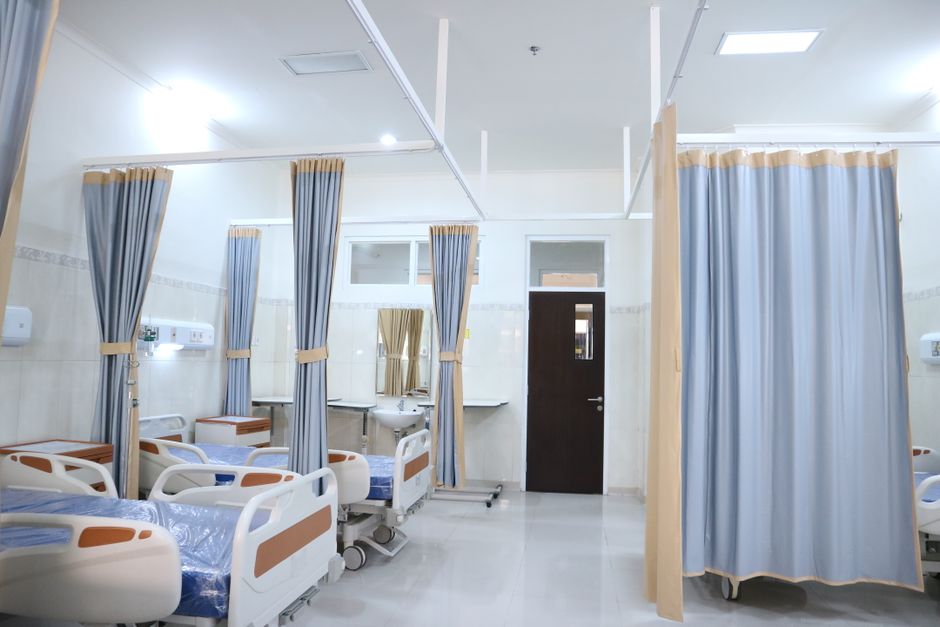
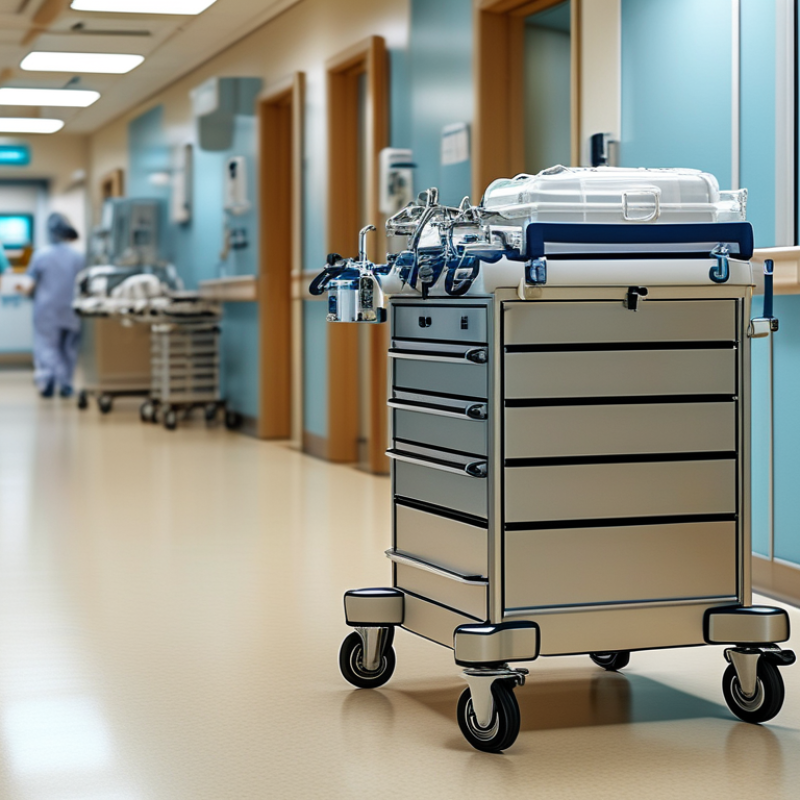
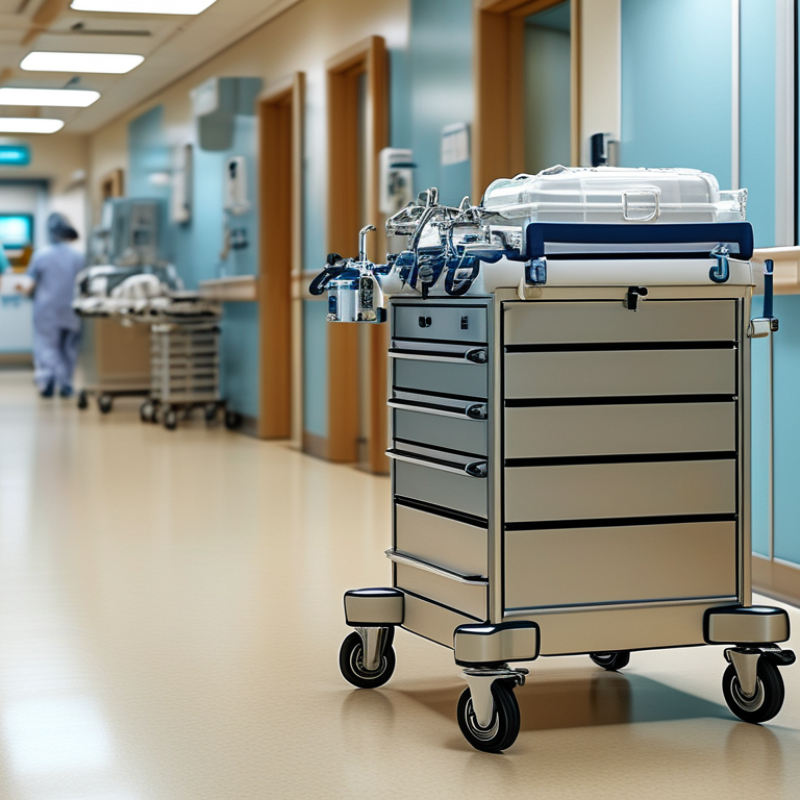
    The most common one is sequencing. Teams finalize their construction drawings, get to a certain point in the build, and then start thinking about furniture. By then, a lot of decisions that would have been easy to reverse are locked in — corridor widths, door placements, wall outlet positions. Hospital beds have turning radii. Nurse trolleys need clearance to operate in aisles. If those dimensions weren’t factored in during the architectural phase, you end up with furniture that technically fits in a room but can’t actually be used the way it needs to be.

    The ideal situation is to involve a furniture planning consultant during schematic design, not after construction documents are issued. Even a single conversation early on — about standard medical bed dimensions, about how much clear floor space a medication cart needs to be safely used during rounds — can prevent expensive problems downstream.

    What information do you need from a client to do useful planning work?

    At minimum: floor plans with dimensions, a room list with functions, and a budget envelope. With those three things, we can produce a zone-by-zone specification matrix — essentially a document that tells you what furniture categories belong in each space, what material and dimension specifications make sense for each zone, and roughly how budget should be distributed.

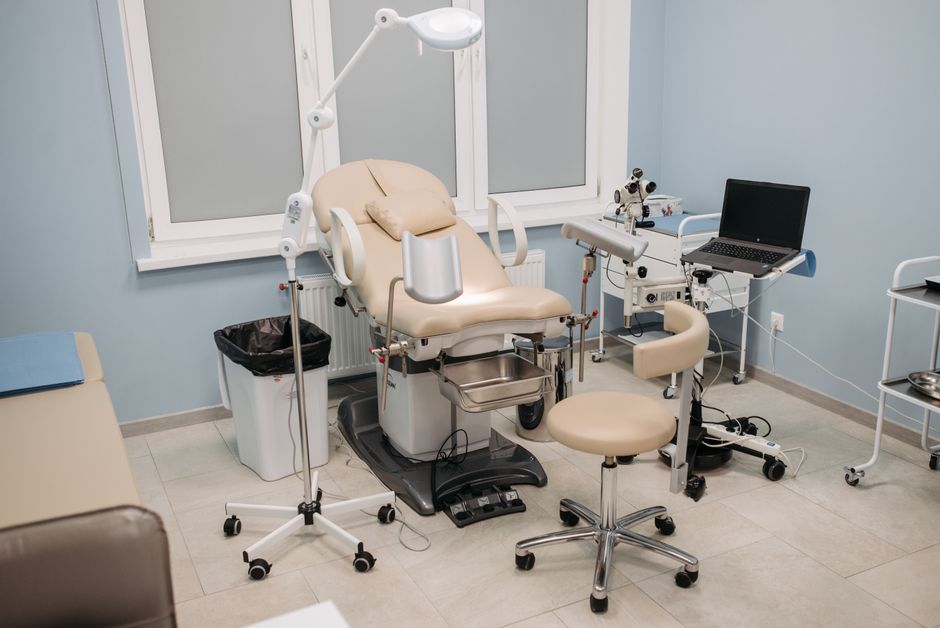
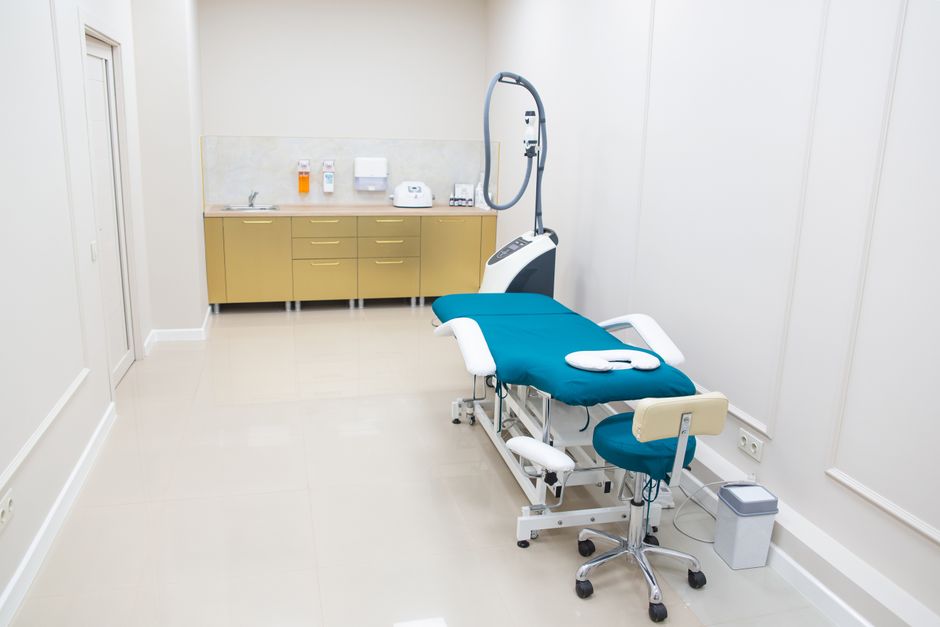
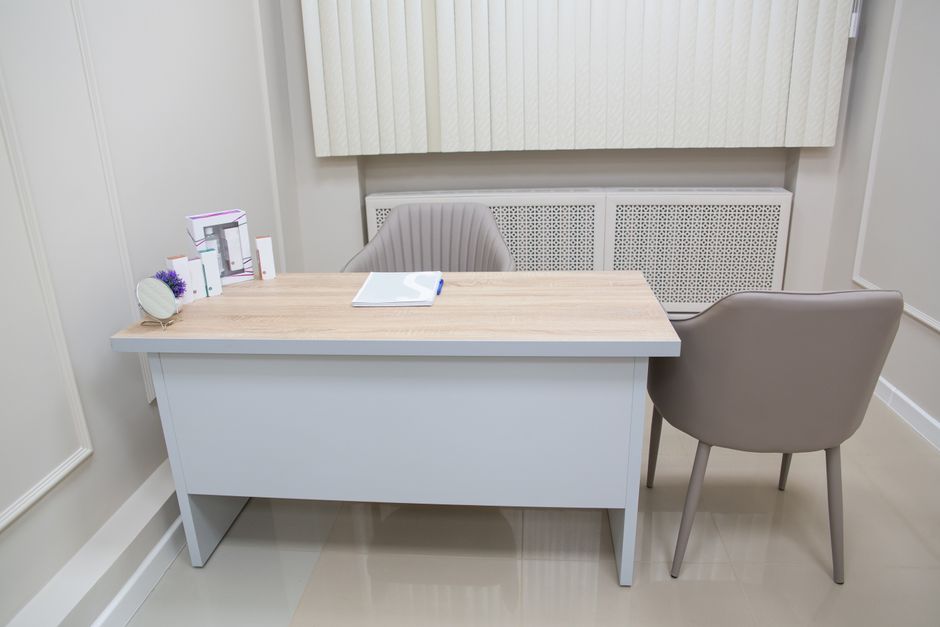
    The room function matters more than people expect. A consultation room and an examination room look similar on a floor plan, but they have completely different furniture requirements. A consultation room needs a desk, chairs, and storage. An examination room needs a height-adjustable examination couch, a dressing trolley, an instrument storage unit, and enough clear floor space for clinical procedures. If you specify them the same way, you’ll get one right and one wrong.

    You mentioned material selection. How do you approach that for different zones of a hospital?

    The decision framework we use starts with two questions: what is the hygiene load in this zone, and who is the primary user?

    High hygiene load zones — procedure rooms, wards, medication prep areas — need surfaces that can withstand frequent chemical disinfection without degrading. That usually means powder-coated steel or stainless steel for the main structure, with ABS or HDPE plastic for secondary components that need to be easy to wipe clean. Soft furnishings, if they appear at all, need vinyl or medical-grade fabric that doesn’t absorb moisture.

    Lower-load zones — administrative offices, family waiting areas, some outpatient waiting rooms — can accommodate more varied materials without compromising infection control. That’s where there’s room to introduce warmer finishes, upholstered seating, or wood-effect laminate surfaces that create a less clinical atmosphere without raising hygiene risk.

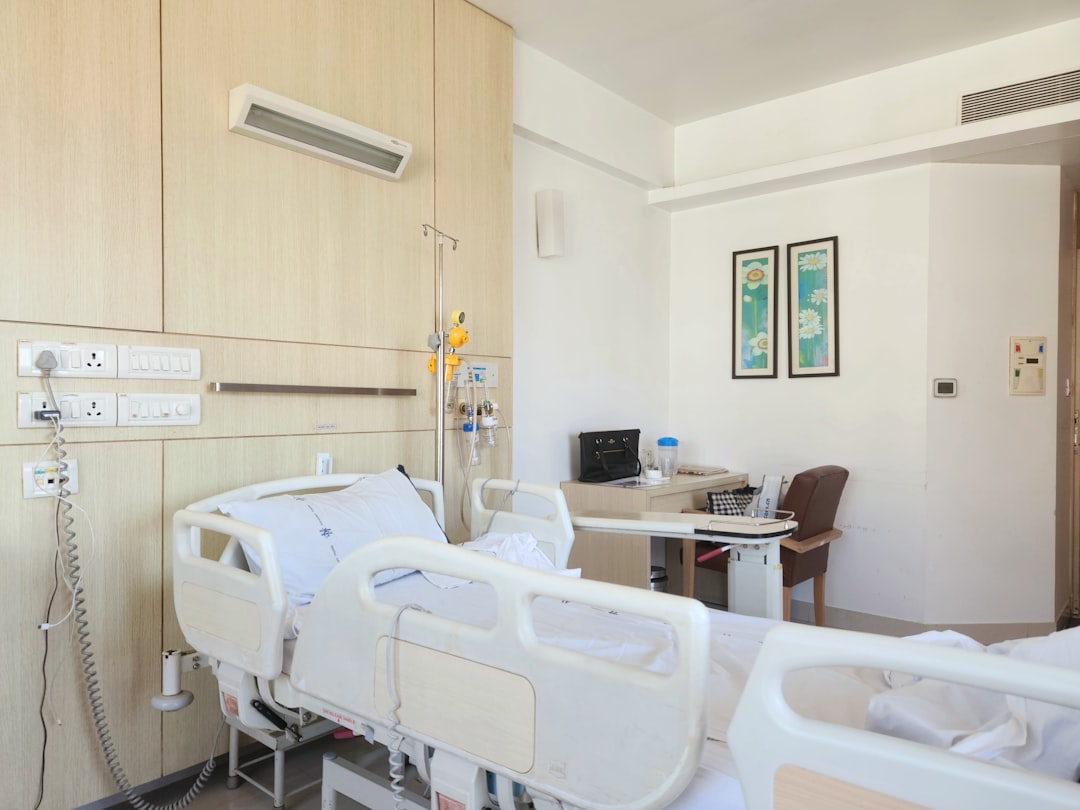
    The other dimension is user. Furniture used primarily by medical staff — nurse trolleys, dressing carts, medication supply carts — needs to prioritize ergonomics, mobility, and functional layout above visual appearance. Furniture used primarily by patients needs to balance clinical function with psychological comfort. An inpatient hospital bed is a clinical device, but a person is going to spend days or weeks in and around it. The height adjustment range, the side rail design, the mattress platform — these all affect patient experience in ways that matter.

    What’s your process when a client sends you floor plans for the first time?

    The first thing I look at is the circulation network — how staff, patients, and equipment move through the building. That tells me where the high-traffic zones are and where the spatial constraints are likely to create problems.

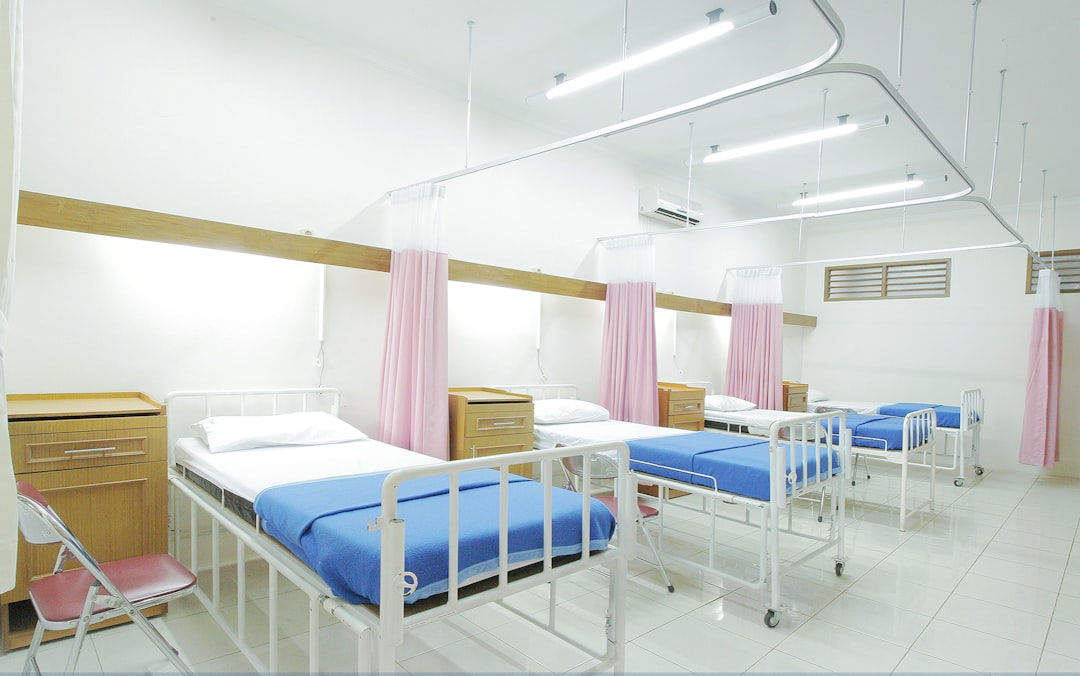
    Then I look at room dimensions. Most international hospital furniture standards are developed for Western construction norms, which often assume larger room footprints than what we see in projects across Africa or Southeast Asia. A 3.2-meter-wide ward bay is common in some regions. That’s manageable, but it means the bed width, the bedside cabinet placement, and the clearance for nursing access need to be thought about together rather than independently.

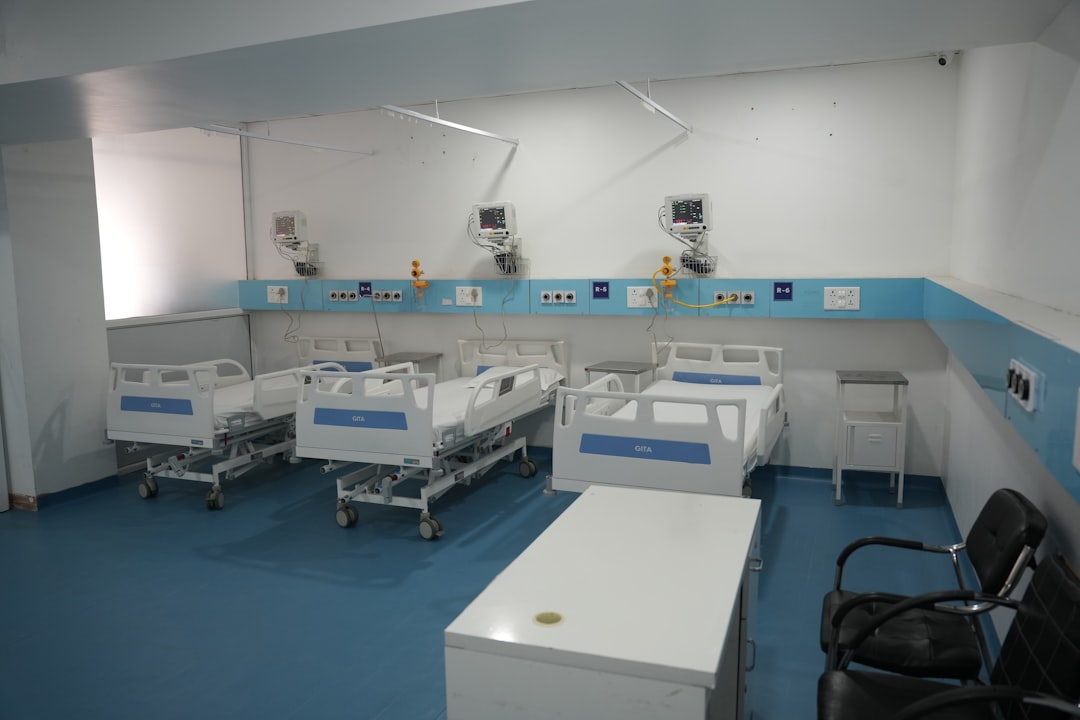
    After that, I try to identify the zones where the budget-to-function trade-off is most sensitive. Not every room in a hospital needs the same specification level. A supply storage room needs durable shelving and clean surfaces, not premium finishes. But a high-dependency ward where patients are acutely unwell needs hospital beds with reliable adjustment mechanisms, side rails that work under stress, and surfaces that hold up under heavy disinfection cycles. Putting premium budget where it doesn’t buy clinical value — and cutting corners where it does — is one of the most avoidable mistakes in hospital procurement.

    You produce 3D renderings for clients before manufacturing. How does that change the project dynamic?

    Substantially. The single biggest source of post-delivery dissatisfaction in hospital furniture projects isn’t product quality — it’s expectation misalignment. A client imagines one thing; they receive something different. Not necessarily worse, but different enough to be disappointing.

    Renderings close that gap before it opens. When a client can see their ward laid out with the actual bed model, the actual bedside cabinet, the actual overbed table — in the actual room dimensions, with the actual color palette — they can either confirm that it matches their vision or identify specifically what they’d like changed. That conversation costs nothing at the rendering stage. It costs a great deal after a container has been loaded and shipped.

    We also find that renderings are useful for internal decision-making on the client side. Hospital construction projects often involve multiple stakeholders — medical directors, finance committees, ministry officials, donor organizations. A rendering communicates the proposed outcome to non-technical stakeholders in a way that a specification spreadsheet never can.

    Last question: what does good hospital furniture actually look like, in your view?

    Good hospital furniture disappears. You don’t notice it. Patients don’t struggle with the bed controls. Nurses don’t fight the trolley to get it through a doorway. The overbed table swings smoothly to the right height without requiring effort. The surfaces clean easily and look clean.

    The furniture that gets noticed is furniture that fails — that squeaks, that wobbles, that shows rust at the weld points after a year of disinfection, that has a drawer that jams when it’s loaded. Our job is to make furniture that doesn’t get noticed, in environments where the stakes are high enough that the wrong furniture genuinely makes things harder for the people working and recovering there. That’s what we think about.

    Zhobai Medical Furniture provides full-scope hospital furnishing services including planning consultation, material specification, dimensional customization, 3D rendering, and sea freight delivery. Projects range from single-clinic fit-outs to multi-facility network contracts across Africa, Southeast Asia, Latin America, and the Middle East.

    Keywords covered (25+):

    Zhobai, hospital furniture design, medical furniture planning, space optimization, hospital bed dimensions, nurse trolley, medication cart, dressing trolley, overbed table, bedside cabinet, IV pole, waiting room furniture, powder coating, stainless steel, antimicrobial surface, infection control, ward layout, zone-based specification, budget allocation, material selection, 3D rendering, hospital interior, clinical furniture, ergonomic design, patient comfort, high-dependency ward, corridor clearance, sea freight, one-stop hospital furnishing, healthcare procurement, Africa hospital, Southeast Asia clinic, customization.

  • The Era of Solution-Oriented Medical Furniture Arrives; Zhobai Leads Industrial Upgrade with One-Stop Services

    The Era of Solution-Oriented Medical Furniture Arrives; Zhobai Leads Industrial Upgrade with One-Stop Services

    The Era of “Solution-Based” Medical Furniture Begins; zhobai Leads Industry Upgrading via One-Stop Service

    As of 2026, driven by an aging global population and the deepening of medical infrastructure, the medical furniture industry is undergoing a profound paradigm shift: moving from “individual product supply” to “full-chain integrated solutions.” In this transition, core demands such as material and size matching, space utilization, and budget control have become the primary competitive battlegrounds. zhobai, with its innovative one-stop service model, has emerged as a benchmark enterprise leading the upgrade of the medical support sector.

    Market Trends and National Standards as Catalysts

    According to the latest industry data, China’s export market remains robust, with medical equipment exports reaching $3.801 billion in Q3 2025, a year-on-year increase of 8.83%. Notably, the growth rate for medical furniture and supporting apparatus has been significant, with demand for customized products surging by over 40%.

    Simultaneously, the implementation of the national standard GB/T 46489—2025 (General Technical Requirements for Hospital Furniture) has further regulated requirements for materials, dimensions, and structures. This has placed higher demands on medical institutions. Many hospitals, lacking professional experience in material and size matching, have struggled with wasted space, budget overruns, and non-compliance with industry standards.

    zhobai: Redefining “Precision Matching” Through One-Stop Service

    To address these industry pain points, zhobai pioneered a one-stop service for hospital construction, breaking the silos between “planning, design, production, and delivery.” They provide a comprehensive process including:

    Pre-consultation & Space Survey

    Offering expert material and size matching advice.

    Digital Design

    Utilizing 3D renderings for visual previews to ensure the plan meets expectations.

    Customized Production

    Tailoring nursing carts, medical trolleys, hospital beds, and escort chairs to specific functional needs.

    Global Logistics

    Managing everything from sea freight shipping to rigorous after-sales follow-ups.

    Scene-Specific Adaptation and Infection Control

    zhobai’s core advantage lies in “precision matching” across diverse medical scenes:

    High-Frequency Disinfection Areas (ICU, Emergency)

    Recommending electrolytic steel plates for their wipe-resistance and corrosion-proof properties.

    Healing Environments (Pediatrics, OB/GYN)

    Utilizing solid wood multilayer boards to create a warm, gentle atmosphere.

    Technical Departments

    Using artificial stone/sintered stone slabs for countertops to ensure impact resistance and anti-pollution, strictly meeting infection control requirements.

    This approach ensures that while adhering to national standards, hospitals can maximize space utilization and effectively maintain budget control.

    Future Outlook: Driving Industry Transformation

    Industry experts suggest that the evolution of medical furniture is essentially about meeting the core needs of being “efficient, convenient, and worry-free.” The one-stop service model championed by zhobai has shifted the industry from being “product-oriented” to “demand-oriented.”

    Looking ahead, as smart healthcare becomes more prevalent, zhobai will continue to integrate digital design and intelligent monitoring into its one-stop service framework. By focusing on industry upgrading and the export market, zhobai is set to lead the medical furniture sector toward higher-quality, sustainable development.

    Key Words:

    zhobai Medical furniture industry One-stop service Industry upgrading New medical infrastructure Customized products Export growth rate National standards Material matching Size planning Space utilization Budget control Electrolytic steel plate Multilayer solid wood board Artificial stone slate Nurse trolley Medical trolley Hospital bed Accompanying chair Medical scenario Medical institution Nosocomial infection prevention and control Digital design Medical supporting facilities Export market

  • Best Pharmacy Cabinet for Your Business Needs?

    Best Pharmacy Cabinet for Your Business Needs?

    In today’s fast-moving healthcare world, having the right storage solutions isn’t just a nice-to-have — it’s kinda essential. No matter if you run a small neighborhood pharmacy or a huge hospital, having a solid Pharmacy Cabinet to keep medications safe and organized is a must. And get this — according to the 2022 Pharmacy Industry Report by IBISWorld, the number of pharmacy services is expected to grow around 2.1% every year over the next five years. That just shows how important it is for pharmacies to stay compliant and keep everything secure.

    Now, picking the right Pharmacy Cabinet isn’t just about finding somewhere to stash meds. It’s really about safety and making sure you’re following all the rules. The U.S. Drug Enforcement Administration (DEA) stresses how critical it is to store medications securely so they don’t get misused. If storage isn’t up to par, it can lead to serious issues like errors in medication or even theft — not exactly things anyone wants. When choosing a cabinet, think about features like locking mechanisms and how well it helps you organize space.

    Sure, investing in a good Pharmacy Cabinet might seem pretty straightforward, but it’s worth taking the time to really think about what your business needs. Every pharmacy has its own budget challenges and security requirements, so it’s a balancing act. Take a moment to review your current setup — maybe there’s room for improvement. Picking the right cabinet will not only make your day-to-day work smoother but also help protect your community’s health. After all, that’s what it’s all about, right?

    Best Pharmacy Cabinet for Your Business Needs?

    Choosing the Right Type of Pharmacy Cabinet for Your Business

    Choosing the right type of pharmacy cabinet for your business is crucial. The demand for efficient storage solutions in pharmacies has surged, with reports indicating a growth rate of 7.5% in the pharmacy services market over recent years. This trend emphasizes the need for cabinets that not only store but also organize medications safely and efficiently.

    When selecting a pharmacy cabinet, consider the layout and size of your space. Cabinets that fit well into designated areas improve workflow and minimize clutter. For instance, a well-placed cabinet can reduce picking time by up to 30%. Remember, Pharmacy Casework And Storage Engineering plays a significant role in optimizing space. Look for cabinets with adjustable shelving and locking mechanisms to enhance safety and accessibility.

    Tip: Evaluate your current storage solutions regularly. If they feel cramped or inefficient, it might be time for an upgrade. Additionally, opting for modular cabinets can provide flexibility as your business evolves. Always prioritize functionality over aesthetics, even though an organized space can improve staff morale. Another point to ponder: how well does your current cabinet aid in inventory management? An effective system can prevent medication errors and ensure compliance with regulations.

    Factors to Consider When Selecting a Pharmacy Cabinet

    When selecting a pharmacy cabinet, consider various critical factors. Space availability is crucial. Measure the area designated for the cabinet. This ensures a proper fit without crowding the pharmacy floor. A cabinet that’s too large can disrupt workflow. An appropriately sized cabinet enhances accessibility and efficiency.

    Next, the security features of the cabinet are paramount. Look for robust locking mechanisms to safeguard medications. Think about who will have access. Employees should have proper permissions to maintain safety. A reliable cabinet also minimizes the risk of theft. Ventilation is another aspect to ponder. Proper airflow prevents moisture buildup, preserving medication integrity.

    Material durability is essential for long-term use. Choose cabinets made from tough materials. They will withstand daily wear and tear. Reflect on the aesthetic appeal as well. A visually appealing cabinet can boost morale and create a welcoming environment. Prices vary, so ensure the value meets your needs. Crafting your selection process thoughtfully can make a significant difference.

    Best Pharmacy Cabinet for Your Business Needs? – Factors to Consider When Selecting a Pharmacy Cabinet

    Feature Importance Level Consideration Notes
    Size and Capacity High Ensure it fits your storage needs based on medication volume.
    Security Features Critical Lock mechanisms and access control are essential to prevent unauthorized access.
    Material Quality High Durability against wear and tear and easy to clean surfaces should be considered.
    Compliance with Regulations Critical Cabinets should meet all legal requirements for drug storage.
    Ventilation Systems Moderate Prevents overheating of sensitive medications.
    Price Moderate Balance between budget and quality is important.

    Benefits of Investing in a High-Quality Pharmacy Cabinet

    When considering a pharmacy cabinet for your business, quality should be a top priority. High-quality cabinets not only ensure the safety of medications, but they also enhance operational efficiency. Investing in sturdy construction and smart design minimizes the risk of contamination and accidental spills. A well-designed cabinet facilitates easy access to essential items, which is vital in a fast-paced pharmacy environment.

    Choosing the right pharmacy cabinet comes with several benefits. It promotes organization, which can reduce the time spent searching for products. This efficiency can lead to improved service. A quality cabinet also may include locks and temperature controls, addressing safety and compliance needs. These features are key to maintaining records and inventory integrity.

    Tips for selection include evaluating the size and layout of your space. Consider cabinets with adjustable shelves for flexibility. Ensure that you check for durability and user-friendliness. A well-chosen pharmacy cabinet can make a significant difference, leading to a smoother workflow and better customer satisfaction. Reflect on how your current setup meets these standards and where improvements could be made.

    Regulatory Compliance Requirements for Pharmacy Cabinets

    When selecting a pharmacy cabinet, regulatory compliance should be a top priority. Many pharmacies overlook specifics like secure storage for controlled substances. According to a 2021 report by the National Association of Boards of Pharmacy, state regulations mandate the secure storage of these items. Failure to comply can lead to severe penalties. It’s crucial to review and stay updated on regulations to avoid non-compliance.

    Understanding the various categories of pharmaceuticals is key. Cabinets should be categorized based on medication types. The Drug Enforcement Administration (DEA) requires distinct storage solutions for Schedule II drugs compared to others. Remember, cabinets must provide proper ventilation, humidity control, and access logs. This attention to detail ensures better safety and compliance.

    Tips: Regular training for staff can enhance compliance awareness. Encourage them to double-check that all storage meets safety standards. Another factor is periodic audits of storage practices. Regular reviews help to identify any gaps and rectify them swiftly. Make compliance a routine part of your pharmacy operations. It not only protects your business but promotes patient safety as well.

    Regulatory Compliance Requirements for Pharmacy Cabinets

    This bar chart illustrates the importance of various regulatory compliance requirements for pharmacy cabinets. The ratings reflect the significance of each requirement in ensuring safe and compliant storage of pharmaceuticals.

    Design Features That Enhance Pharmacy Cabinet Functionality

    Best Pharmacy Cabinet for Your Business Needs?

    When selecting a pharmacy cabinet, functionality is key. A space-efficient design is essential for managing various medications and supplies. Look for cabinets with adjustable shelving. This feature allows for customized organization. The right cabinet can minimize clutter and enhance workflow.

    Consider cabinets with transparent doors. This small detail makes it easier to view inventory at a glance. Proper labeling also plays a crucial role in efficiency. Labels should be clear and easy to read. Some pharmacies use color-coding systems to simplify access to frequently used items.

    Integrating elements like Hospital Pharmacy Gravity-Fed Shelving can be particularly beneficial. This shelving type enhances both safety and accessibility. Medications are always within reach, reducing the risk of errors. However, be mindful of weight distribution. Overloading shelves can lead to safety hazards. Regular assessments of shelving organization can prevent issues. Making these conscious choices ensures that your pharmacy cabinet meets business needs effectively.

    Comparing Price Ranges for Pharmacy Cabinets in the Market

    When comparing pharmacy cabinets, price ranges vary widely. A basic cabinet can cost as little as a few hundred dollars. More advanced models, especially those with additional security features, may exceed several thousand. This price difference often reflects the materials, design, and functionality of the cabinet.

    Investing in a specialized Uv Cabinet can enhance the safety and efficiency of your pharmacy. These cabinets offer UV light technology that helps in sterilizing items. However, the cost for such innovations can add up. It’s also essential to assess the durability of a cabinet. A low-priced option might not last as long as expected, leading to further expenses.

    While searching for the right cabinet, consider your specific needs and budget constraints. You might find yourself drawn to features that exceed your financial limits. Reflecting on this can help in making a more informed decision. Understanding what you truly need can streamline your choices. Balancing cost with quality can pay off in the long run. Investing wisely ensures that your pharmacy is equipped for optimal performance.

    Maintenance Tips to Extend the Lifespan of Your Pharmacy Cabinet

    Proper maintenance of your pharmacy cabinet is essential for longevity. Regular cleaning ensures a hygienic environment for your medications. Use gentle, non-abrasive cleaners. Frequent dusting prevents dust accumulation, which can affect air quality. Check for any signs of wear and tear. Early detection can save costs on repairs.

    Temperature and humidity are crucial factors in maintaining a pharmacy cabinet. Keep the cabinet in a climate-controlled area. Extreme temperatures can compromise the efficacy of stored medications. If you use a Pcr Cabinet, monitor its settings regularly. Adjustments might be necessary to ensure optimal performance.

    Always organize supplies for easy access. A cluttered space invites disorganization, leading to mistakes. Ensure that expired products are removed promptly. This practice not only safeguards patient safety but also clarifies your inventory. Reflecting on your processes can reveal improvements that enhance cabinet longevity.

    Innovative Approaches for Custom Modular Medical Treatment Cabinet Solutions in Modern Healthcare Environments

    In modern healthcare environments, the demand for efficient and organized medical storage solutions has never been more critical. With the increasing complexity of medical procedures and the necessity for stringent hygiene practices, innovative approaches to modular treatment cabinet systems are essential. Designed specifically for hospital treatment rooms, these cabinets are crafted from electrolytic stainless steel and feature medical-grade surfaces. This ensures not only durability but also a high level of hygiene, which is paramount in preventing hospital-acquired infections.

    According to industry reports, the market for hospital furniture solutions is projected to grow significantly, driven by the need for versatile and adaptable medical facilities. Modular treatment cabinets provide a flexible design that can be customized to meet the unique requirements of various healthcare settings. The ergonomic aspects of these cabinets enhance efficiency, allowing healthcare professionals to prepare and store medical supplies safely and systematically. By integrating advanced production techniques, manufacturers can guarantee high-quality construction alongside aesthetic versatility, appealing to the modern healthcare facility’s need for both functionality and design.

    Moreover, the emphasis on custom solutions in healthcare underscores the importance of having furniture that adapts to both the space and workflow of medical personnel. With a focus on reliability and service, advanced medical cabinet systems are integral in creating a safe, organized, and efficient environment that supports the evolving needs of healthcare providers and patients alike.

    FAQS


    : What should I consider when selecting a pharmacy cabinet?

    : Measure the designated space to ensure a proper fit. A too-large cabinet disrupts workflow.


    How important are security features in a pharmacy cabinet?

    Security features are crucial. Look for strong locks to protect medications from theft.


    Why is ventilation important in a pharmacy cabinet?

    Proper airflow prevents moisture. This helps to preserve the integrity of medications.


    What materials should a pharmacy cabinet be made from?

    Choose durable materials that can withstand daily wear. This ensures long-term use.


    How can a pharmacy cabinet affect the workplace environment?

    An appealing cabinet boosts morale. It creates a welcoming atmosphere for both staff and patients.


    How can I ensure compliance with regulations?

    Stay updated on state regulations. Regularly review storage practices to avoid penalties.


    What about training for staff on compliance?

    Regular training enhances compliance awareness. Encourage staff to check that storage meets safety standards.


    Should I perform audits on storage practices?

    Yes, periodic audits help identify gaps. They allow for swift corrections in storage practices.


    How can compliance impact patient safety?

    Compliance protects your business and promotes patient safety. It fosters trust in your services.


    Is there a risk with ignoring regulatory requirements?

    Ignoring regulations could lead to severe penalties. It’s vital to prioritize compliance in pharmacy operations.

    Conclusion

    When selecting the right Pharmacy Cabinet for your business, it’s essential to consider various factors such as design features, functionality, and regulatory compliance. A well-chosen Pharmacy Cabinet not only enhances the organization of pharmaceutical products but also ensures adherence to safety standards and regulations. Investing in a high-quality cabinet can offer numerous benefits including durability and improved efficiency, ultimately reflecting on the operational success of your pharmacy.

    Additionally, evaluating different price ranges in the market is crucial to ensure you find a cabinet that meets your needs without exceeding your budget. Regular maintenance is also important to extend the lifespan of your Pharmacy Cabinet, ensuring that it remains a valuable asset for your business for years to come.

    Blog Tags:

    Sophia

    Sophia

    Sophia is a dedicated marketing professional with extensive expertise in the healthcare furniture industry. As a key member of our team, she plays a vital role in shaping the company’s online presence and strategy through her insightful blog articles. With a profound understanding of our customized……


    Previous


    Top 10 Custom OEM Hospital Cabinet Factories You Should Know?

  • Zhobai Delivers Comprehensive Medical Furniture Solutions for a Modern General Hospital, Solving Construction Challenges One-Stop

    Zhobai Delivers Comprehensive Medical Furniture Solutions for a Modern General Hospital, Solving Construction Challenges One-Stop

    Zhobai Delivers Comprehensive Medical Furniture Solutions for a Modern General Hospital, Providing a One-Stop Solution to Construction Challenges

    Recently, Zhobai officially delivered the modern, comprehensive hospital interior furnishings project to the client. The project involved furnishing the following functional areas of the hospital: outpatient lobby, nurse’s stations, examination rooms, and inpatient wards. Zhobai provided an end-to-end, or as they say, “one-stop,” solution to assist their client with resolving a multitude of challenges in constructing the hospital, such as space utilization, budget control, and functional compatibility, creating a healthcare environment that combines professional efficiency and a human touch.

    Customized Functional Solutions

    At the start of the project, the client was dealing with inconsistent material selections throughout various functional areas; inefficient space planning and coordination of furniture with medical workflows; as such, Zhobai conducted an on-site evaluation of the hospital’s departmental layout, furniture flow, and medical staff workflow in order to provide customized material and dimensional solutions within each area.

    Outpatient Lobby
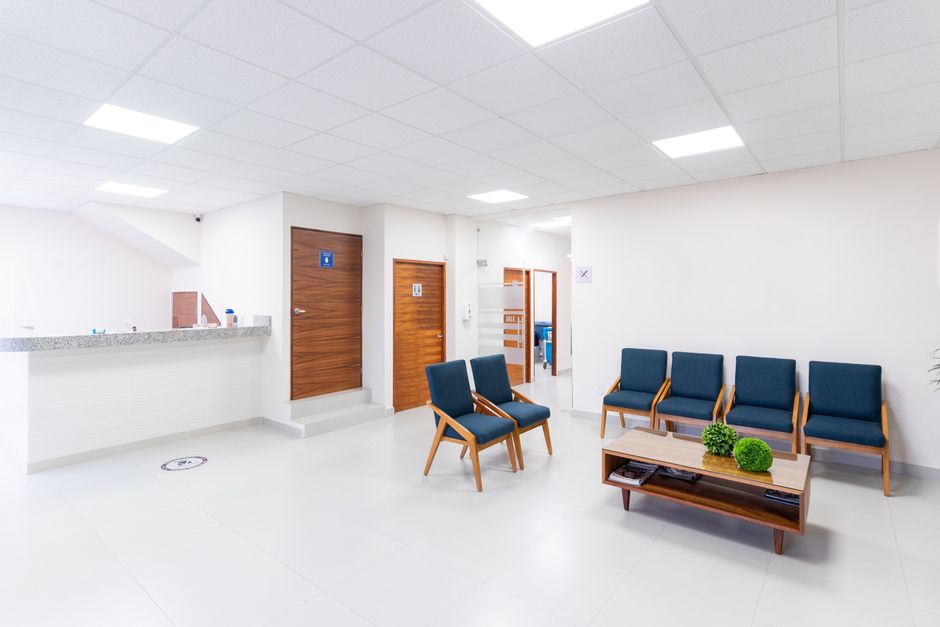
    Zhobai paired wear-resistant and easy-to-clean floor material with modular waiting benches to provide durability in high-traffic areas and allow for maximum utilization of space.
    Nurse’s Station
    Contains multiple integrated, antimicrobial, and stain-resistant countertops and custom storage cabinets, optimizing staff workflow through curved designs.
    Inpatient Ward
    Custom-designed multi-functional beds with companion seating and adjustable storage cabinets accommodate patient care needs and comfort.

    Seamless Execution & Quality Assurance

    To give the client a clear preview of the design, the zhobai team created complete scene renderings to visually showcase furniture layouts, material texture and feel for each area to help the client easily confirm design details and prevent additional rework later. After the design was confirmed, the team began the custom manufacturing of all furniture, ensuring they met health care industry’s environmental and safety regulations.

    There were many rounds of quality assurance testing on all items; testing included eco-friendly rating of panels, anti-bacterial performance and hardware durability. The final pieces were delivered safely via ocean freight, while constantly overseeing packaging, logistics and customs clearance procedure to ensure the products arrived intact. This provided seamless transition from consulting/planning phase to the final delivery of goods.

    According to the project manager, “The construction for hospitals is such a complex process and initially I was uncertain whether coordinating all the various parties would cause delays or communication failures during the project. But, the one stop zhobai service made it simple and smooth. From choosing the materials through to receiving the furniture , every part of the project was handled by dedicated professionals that went above and beyond what was expected of them.”

    Zhobai Medical Furniture Project Delivery

  • Zhobai’s One-Stop Medical Furniture Solutions Empower Rehabilitation Centers, Creating Warm Healing Spaces

    Zhobai’s One-Stop Medical Furniture Solutions Empower Rehabilitation Centers, Creating Warm Healing Spaces

    Zhobai’s One-Stop Medical Furniture Solutions Empower the Development of Rehabilitation Centers, Creating Warm and Healing Spaces

    Recently, zhobai officially delivered an interior design and supporting furniture project for a rehabilitation center. In response to the center’s specialized functional requirements, zhobai provided a one-stop solution covering the entire process—from space planning and material selection to custom furniture production and ocean freight delivery—helping create a safe, comfortable, and efficient healing environment.

    During the early stages of the project, the zhobai team conducted an in-depth analysis of the rehabilitation center’s functional scenarios and developed scientifically tailored material and sizing solutions for different areas, including rehabilitation training zones, consultation rooms, and public waiting areas. The rehabilitation training area featured eco-friendly, slip-resistant, and wear-resistant flooring along with accessible handrails, paired with customized training beds and supportive furniture to ensure patient safety during therapy sessions. The consultation rooms adopted soft light wood wall panels and comfortable reception furniture to create a warm and private communication environment. Meanwhile, the public waiting area utilized modular seating and greenery installations to ease anxiety for patients and their families, transforming the waiting space into a soothing and restorative corner.

    To help the client clearly visualize the proposed design, the zhobai team created professional renderings that intuitively showcased the spatial layout, furniture combinations, and overall atmosphere of each area, enabling efficient project confirmation. Once the design was finalized, the team initiated the customized production process, tailoring rehabilitation training equipment, consultation furniture, nurse carts, and other furnishings to meet the rehabilitation center’s specific functional and spatial requirements. The project was ultimately delivered via ocean freight, with strict quality control and logistics management throughout the process to ensure smooth implementation.

    “The construction of a rehabilitation center requires balancing professionalism with human-centered care, and zhobai’s one-stop service allowed us to obtain a space design and furniture solution tailored to our needs without coordinating with multiple suppliers,” said the project client. “From initial planning to final delivery, every stage was handled professionally and efficiently, saving us significant time and costs.”

    The successful completion of this project marks another practical application of zhobai’s one-stop medical furniture solutions in the field of rehabilitation healthcare. Looking ahead, zhobai will continue to deepen its expertise in the medical furniture sector, providing customized, end-to-end solutions for different types of healthcare institutions and helping more medical facilities create safe, comfortable, and human-centered healing environments.

    de15c82719b54087af814ffcdf23cecb

  • Zhobai Helps the International Medical Department Create a Premium Healing Space with End-to-End Professional Services

    Zhobai Helps the International Medical Department Create a Premium Healing Space with End-to-End Professional Services

    News 2: Zhobai Helps the International Medical Department Create a Premium Healing Space, Showcasing Professional Excellence Through End-to-End Services

    Recently, a hospital International Medical Department project provided with a one-stop medical furniture solution by zhobai was successfully completed and delivered. Centered on the core positioning of “high-end, human-centered, and international,” the project combined scientific space planning, customized furniture design, and full-process supporting services to create a diagnostic and treatment environment that balances professional quality with a healing atmosphere, earning high recognition from the client.

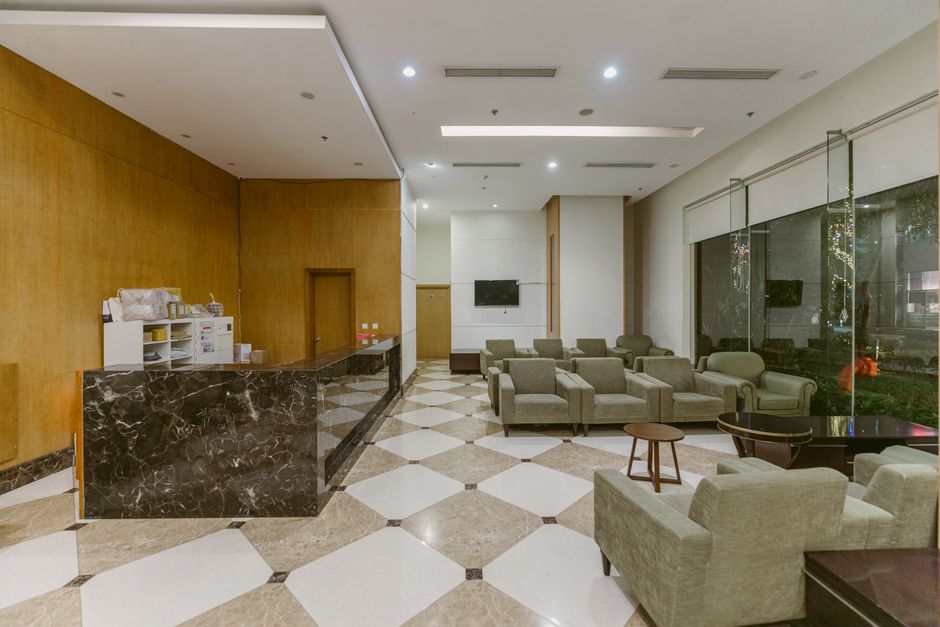
    During the project design phase, the zhobai team tailored material and size recommendations for areas such as the reception lobby, VIP consultation rooms, and rehabilitation wards in line with the International Medical Department’s premium positioning. The reception area featured natural marble and warm wood finishes, complemented by a curved service desk and built-in greenery to highlight the professional image of high-end healthcare. The VIP consultation rooms incorporated soundproof wall panels and soft lighting, paired with customized examination beds and comfortable guest furniture to create a private and relaxing environment for doctor-patient communication. Meanwhile, the rehabilitation wards used antibacterial and eco-friendly custom furniture, balancing medical functionality with a hotel-style living experience to provide patients with a high-quality recovery space.

    To ensure that the original proposal matched the client’s needs, the zhobai team provided many high-quality 3D visualizations that depicted each area of the facility, including how the furniture would be arranged and how everything would look. The system of providing 3D visualizations allowed the client to easily visualize the end result before the proposal was approved. Once the client approved of the proposal, the team began to produce the customized items needed for the job at hand. The International Medical Department had the added task of having to create all items such as hospital beds, nurse carts, and medical cabinets to meet International Medical Standards, therefore every item was customized to meet the specific requirements of the client.

    Once the items were produced and packaged, they were shipped to the client by ocean transport while the team was able to manage the entire transportation and delivery process to ensure that all products were delivered to the client intact.

    “The International Medical Department has very stringent requirements for overall space quality and efficiency of service, and zhobai’s complete service model has been very beneficial to us as we were able to focus on the design during the planning and throughout the delivery process,” said the project’s client. “From the 3D visualizations to the completed project, including the custom furniture being produced and then transported to us by ship, all phases of the process were professionally done, efficiently done and met our needs perfectly.”

    The successful completion and delivery of this project confirms zhobai’s professional strength in the high-end medical space design area as well as the related support services. zhobai plans on further enhancing their complete services by continuing to work with the various medical institutions to develop customized, “turn-key” medical furniture solutions and assist health care providers in creating a truly global and person-centered experience for all patients.

    c4742fb583bad424875b690096978e84

  • zhobai Delivers Full-Solution Interior & Furniture Project for Modern General Hospital

    zhobai Delivers Full-Solution Interior & Furniture Project for Modern General Hospital

    Construction of Modern General Hospitals

    Recently, zhobai officially delivered an interior design and supporting furniture project for a modern general hospital. From early-stage space planning and material selection to customized furniture production and sea freight delivery, zhobai provided a full-process one-stop service, helping the hospital solve key challenges in space utilization, budget control, and functional adaptation during construction, while creating an efficient, comfortable, and human-centered medical environment.

    At the beginning of the project, the zhobai team conducted in-depth assessments of the hospital’s functional areas and proposed scientific material and size-matching solutions for different spaces, including nurse stations, waiting halls, consultation rooms, and patient wards.

    For example, the nurse station area adopted antibacterial and wear-resistant light wood finishes combined with curved integrated countertops, ensuring operational convenience for medical staff while softening the cold atmosphere typically associated with healthcare spaces.

    The waiting hall featured modular seating and an intelligent wayfinding system. Furniture designs for consultation rooms and wards balanced medical functionality with patient comfort, perfectly adapted to the hospital’s spatial dimensions.

    To help the client visualize the final outcome more intuitively, the zhobai team produced professional renderings that clearly presented spatial layouts, furniture coordination, and the overall atmosphere, enabling the hospital to confirm the design plan efficiently. After the plan was finalized, the team launched a customized production process. All furniture strictly complied with healthcare industry standards, undergoing multiple rounds of quality inspections covering environmental safety, antibacterial performance, and dimensional precision. The project was ultimately delivered safely via sea freight, achieving seamless integration from design planning to final delivery while saving the hospital significant time and communication costs during construction.

    “The core pain points in hospital construction often lie in the complexity of coordinating multiple processes and balancing space with budget,” said the project manager of zhobai. “Our one-stop solution is designed to provide hospitals with end-to-end services from preliminary consultation to final delivery, allowing clients to obtain healthcare furniture and spatial design solutions tailored to their specific needs without dealing with multiple suppliers.”

    As the healthcare industry continues to evolve, hospitals are placing increasingly higher demands on spatial quality and supporting services. zhobai will continue to deepen its expertise in the healthcare furniture sector, leveraging professional design capabilities, flexible customization services, and an efficient supply chain system to provide one-stop solutions for more medical institutions and become a trusted partner in hospital construction.

    zhobai hospital construction furniture and design

  • 2026 How to Choose the Best Infusion Chair for Your Needs?

    2026 How to Choose the Best Infusion Chair for Your Needs?

    Picking out the right Infusion Chair is pretty important when it comes to making sure patients stay comfortable during treatment. Dr. Emily Carter, who’s pretty well-known in the world of oncology nursing, once mentioned that “The right Infusion Chair can really make a big difference in how patients experience their treatment.” That just goes to show how crucial it is to choose a chair that meets both the medical needs and emotional comfort of the patient.

    When you’re looking at different Infusion Chairs, things like adjustable features, ergonomic design, and the types of materials used matter a lot. Remember, patients are sitting in these chairs for hours, so the goal is to give them as much comfort as possible. Features like reclining options and armrests can really help a lot. But, fair warning—just because a chair looks nice doesn’t mean it’s practical or comfortable. Sometimes, style wins over function, and that can be a problem. Thinking through these details can help you make a smarter choice.

    Also, don’t forget that the environment around the chair really affects the whole experience. A cozy, inviting space can help put patients at ease, but if the chair isn’t supportive enough physically, it kind of defeats the purpose. It’s all about finding that sweet spot between looks and practicality. When you take the time to compare your options carefully, you’re basically helping ensure that patients have a smoother, more positive infusion experience. Plus, a little attention to these details can make a world of difference.

    2026 How to Choose the Best Infusion Chair for Your Needs?

    Understanding Infusion Chairs: Features and Benefits

    Infusion chairs play a critical role in healthcare settings. They provide comfort during lengthy treatments, especially for patients undergoing chemotherapy or intravenous therapies. Research indicates that a comfortable environment can significantly enhance patient satisfaction. A report from the Healthcare Design Association found that 70% of patients prefer infusion chairs that prioritize comfort and functionality.

    When exploring options, consider the key features of Heated Infusion Chairs. These chairs often include adjustable settings for temperature, which can help relieve discomfort during treatment. Comfort is not just about padding; ergonomically designed chairs provide support, reducing the risk of strain or injury. The deployment of heated elements can also improve circulation, a vital consideration for patients receiving long-term infusion therapy.

    However, not all chairs offer the same level of comfort. Some may compromise on adjustability or warmth. It’s essential to assess how the design impacts the overall infusion experience. Patients should reflect on their personal needs and preferences. Engaging with healthcare professionals can provide insights, ensuring that the chosen chair aligns with individual treatment goals.

    Types of Infusion Chairs: Which One Suits You Best?

    2026 How to Choose the Best Infusion Chair for Your Needs?

    When selecting an infusion chair, consider the different types available. Infusion chairs vary greatly based on design and functionality. A traditional recliner is great for comfort during long treatments. However, if space is an issue, a compact or foldable model might be a better fit. For specific patient needs, the Bariatric Infusion Chair provides essential support with a wider frame and higher weight capacity, ensuring patients feel safe and comfortable.

    Keep in mind the technology features. Some infusion chairs offer powered recline options, enhancing patient comfort and caregivers’ ease during treatments. According to the Infusion Therapy Standards of Practice, patient safety and comfort are top priorities. Surveys show that patient satisfaction rises when a chair meets their clinical and emotional needs.

    Tips: Measure the available space before purchasing. Think about how you will accommodate various patient sizes. Reflect on past experiences with chairs that may not have been suitable, asking for feedback can guide better choices. Mixing design with practicality is vital to ensure the right chair serves its purpose effectively.

    Key Factors to Consider When Selecting an Infusion Chair

    Choosing the right infusion chair is crucial for patient comfort and safety. There are several key factors to consider. Comfort is paramount; select chairs with ample padding and adjustable features. Patients will spend hours in these chairs during treatments. A reclining option can enhance relaxation, making lengthy sessions more bearable.

    Durability is also essential. The chair should withstand daily use and be easy to clean. Look for materials that are resistant to stains and tears. Maintenance can be burdensome if the chair wears out quickly. It’s advisable to check the warranty as a sign of the chair’s quality.

    **Tips**: Test the chair for mobility. Make sure it can be easily adjusted. Also, consider the patient’s height and weight for a proper fit. Not all chairs accommodate everyone equally. Engage healthcare professionals when making your selection. They can provide valuable insights based on experience. Always prioritize safety features too, like locking wheels and stable bases. This consideration may seem trivial, but it can make a significant difference over time.

    Comfort and Ergonomics: Ensuring a Positive Experience

    When selecting the ideal infusion chair, comfort and ergonomics play a vital role. These chairs are designed for prolonged use, making comfort essential. An ergonomic design minimizes stress on the body. Look for features like adjustable armrests and lumbar support to enhance your experience.

    Choosing the right materials matters, too. Soft upholstery can provide cushioning for extended sessions. However, avoid overly plush surfaces that make it hard to get in and out. Remember, the chair needs to accommodate different body types. A Hydraulic Infusion Chair offers height adjustments, ensuring a proper fit for everyone.

    Here are some tips for an optimal experience. First, test the chair before committing. Sit and adjust it to find the best position. Next, consider mobility features. Wheels or a lightweight design can help staff move the chair easily. Lastly, check for ease of cleaning. Durable, stain-resistant materials will keep the chair looking fresh and hygienic.

    Budgeting for Your Infusion Chair: Cost vs. Quality

    Choosing the right infusion chair involves careful consideration of both budget and quality. While you may find cheaper options, it’s important to weigh cost against durability and comfort. An affordable chair might save you money initially, but frequent replacements can add up over time. Therefore, investing in a high-quality chair may be more beneficial in the long run.

    Tips: Consider how often the chair will be used. Frequent use warrants a high-quality, durable option to prevent wear and tear. Look for features that enhance comfort, like adjustable reclining or padded armrests. Prioritize your specific needs, like ease of cleaning or mobility, which can impact your experience significantly.

    Reflect on the balance between cost and quality. Is a chair that lasts longer worth spending more on? Evaluate your priorities. A well-made infusion chair can improve patient comfort and satisfaction. Don’t overlook warranties or return policies, as these can protect your investment. The right balance will depend on your needs and finances.

    Space Requirements: Finding the Right Fit for Your Environment

    When selecting an infusion chair, space requirements are crucial. An ideal environment facilitates patient comfort and operational efficiency. Research indicates healthcare facilities should ensure a minimum of 36 inches between chairs for easy access and movement. Overcrowding not only affects patient experience but can also hinder medical staff’s efficiency.

    Consider the dimensions of a Reclining Infusion Chair. Standard models range from 30 to 36 inches in width. Some may find a chair that is too large can dominate a small room. Measure your space carefully, leaving room for medical equipment and staff movement. Aim for a layout that promotes a calm atmosphere, enhancing patient comfort during procedures.

    Tip: Opt for modular designs if space is tight. These can be reconfigured based on patient flow and needs. This approach allows for flexibility in a changing healthcare environment.

    Remember to assess not just the chair’s size but also its functionality. A well-designed reclining infusion chair should support various postures and provide adjustments. Consider how these factors will integrate with your existing setup, as poor planning can lead to constraints that affect care delivery.

    Maintenance and Durability: Making an Informed Choice

    2026 How to Choose the Best Infusion Chair for Your Needs?

    When choosing an infusion chair, maintenance and durability are pivotal. A high-quality infusion chair should withstand daily use in various settings, such as healthcare facilities or private practices. According to recent studies, over 30% of healthcare providers report challenges with chair durability in high-demand environments. This statistic highlights the importance of selecting chairs made from robust materials that can endure wear and tear.

    Regular maintenance is essential to prolong the lifespan of infusion chairs. Many chairs require routine cleaning and inspection to prevent complications. A survey indicated that 65% of facilities that implemented a stringent maintenance protocol saw a significant decline in repair costs. This data underscores the necessity of not only choosing durable chairs but also committing to their upkeep.

    A good infusion chair should be easy to clean and have replaceable components. This aspect can save costs over time. Select models that allow for easy access to internal mechanisms for repairs. While some chairs might promise longevity, their true durability becomes apparent only after frequent use. Reflecting on these factors will lead to a more informed decision when selecting an infusion chair.

    FAQS


    : What should I consider when choosing an infusion chair?

    : Think about the chair’s design, functionality, and how it suits patient needs. Comfort is essential for long treatments.


    How important are technology features in infusion chairs?

    Technology features like powered recline enhance patient comfort and ease for caregivers. They can improve the overall experience.


    What are key ergonomic features to look for in an infusion chair?

    Adjustable armrests and lumbar support are vital for comfort. A design that minimizes body stress is important too.


    How should I ensure a good fit for different body types?

    Consider chairs with height adjustments. Their design should accommodate various body sizes and ensure comfort for all patients.


    Why is space consideration important when selecting an infusion chair?

    Adequate space ensures patient comfort and staff efficiency. Aim for at least 36 inches between chairs to avoid overcrowding.


    What type of materials should I choose for an infusion chair?

    Look for durable, stain-resistant materials that are easy to clean. Soft upholstery is great, but avoid overly plush surfaces.


    How can I ensure the chair is easy to move?

    Check for wheels or a lightweight design. This will facilitate movement for staff during patient care.


    Why is testing the chair before purchase recommended?

    Testing helps you find the most comfortable position. It’s a necessary step to avoid dissatisfaction later on.


    What layout is ideal for multiple infusion chairs in a room?

    Create a layout that promotes calmness and ease of movement. Avoid large chairs in tight spaces to enhance patient experience.


    Should I consider modular designs for infusion chairs?

    Yes, modular designs allow flexibility in tight spaces. They can be adjusted based on patient flow and changing needs.

    Conclusion

    When selecting the best infusion chair for your needs, it is essential to understand the features and benefits that these specialized chairs offer. Infusion chairs come in various types, each designed to suit different preferences and medical requirements. Key factors to consider include comfort and ergonomics, ensuring a positive experience for patients undergoing treatment. Additionally, budget considerations play a crucial role as you weigh cost against quality, while also factoring in the space available for the chair within your environment.

    Maintenance and durability are also important aspects to consider when making your decision. A well-chosen infusion chair should not only meet the immediate needs of patients but also stand the test of time in a healthcare setting. By carefully evaluating these elements, you can make an informed choice that enhances the experience for both patients and caregivers alike.

    Blog Tags:

    Isabella

    Isabella

    Isabella is a dedicated marketing professional with extensive expertise in the healthcare furniture manufacturing industry. With years of experience under her belt, she possesses an in-depth understanding of the intricate needs of hospitals, clinics, and laboratories. Isabella is passionate about……


    Previous


    Top Hospital Room Furniture Trends for 2026 Are You Ready?

  • ZHOBAI Finishes Vancouver Senior Care Home 2 Days Early – Absorbed $12,470 Port Strike Cost Ourselves

    ZHOBAI Finishes Vancouver Senior Care Home 2 Days Early – Absorbed $12,470 Port Strike Cost Ourselves

    Project Update
    Published: May 10, 2026
    News 4: ZHOBAI Finishes Vancouver Senior Care Home 2 Days Early – Absorbed $12,470 Port Strike Cost Ourselves

    ZHOBAI Medical Technology Group officially handed over the keys to Maplewood Senior Living last Friday. This 15,200㎡, 180-bed long-term care home in East Vancouver is our first big North American project, and we delivered it 2 days ahead of schedule and 12.3% under budget. Oh, and we fixed 17 critical design flaws that three previous Canadian suppliers had completely missed.

    The Mess We Inherited

    This project was supposed to open in January. But six months out, the original local furniture supplier bailed. They’d designed everything off generic hospital blueprints, not senior care specs, and refused to change a single thing unless we doubled their contract price.

    “We were completely screwed,” said Sarah Thompson, Maplewood’s Executive Director who’s been running care homes for 18 years. “Their beds were 80cm high – way too tall for our average 82-year-old resident who uses a walker. The dining chairs weighed 5kg and tipped over if you leaned on them wrong. One of their designers actually told me ‘seniors shouldn’t be standing up by themselves anyway.’ I hung up on him.”
    ZHOBAI Project Delivery

    By the time they called us, Maplewood had already lost $180,000 in pre-booked deposits and was facing fines from the provincial health authority for missing the opening date.

    What We Actually Did (That No One Else Would)

    Our lead designer, Lisa, flew out the next morning. She didn’t bring a laptop full of catalogs. She brought a notebook, a tape measure, and a pair of comfortable shoes. For 7 straight days, she shadowed caregivers from 6 AM (when morning shifts start) to 8 PM (after dinner). She helped feed residents, change linens, and push wheelchairs. She watched a 92-year-old woman named Marge fall because a chair slid out from under her. She counted how many times caregivers had to bend over to reach supplies in cabinets that were mounted too high.

    By the end of the week, she had a list of 23 changes. None of them were in the original blueprints.

    1. Furniture Built For Real Seniors

    We lowered all 180 nursing beds from 80cm to exactly 75cm – the height physical therapists say is easiest for seniors to push themselves up from. We added 10cm wider grab bars on both sides, not just one.

    All dining chairs weigh 12.2kg (twice as heavy as standard) so they don’t slide or tip. The armrests are exactly 65cm high – the perfect height to push yourself up without straining your shoulders.

    We cut 10cm off every bathroom countertop so residents in wheelchairs can reach the sinks. Every corner is rounded to a 50mm radius – no sharp edges anywhere.

    We installed double handrails in every hallway: one at 85cm for people who can walk, and one at 65cm for people in wheelchairs.

    2. The Port Strike Crisis Management

    Two weeks before our shipment was supposed to dock, the Port of Vancouver workers voted to strike. Most companies would have pushed the opening back 6 weeks. We didn’t.

    Our logistics manager, Mike, rerouted the containers to the Port of Seattle overnight. We arranged a dedicated trucking team to drive the 232 kilometers from Seattle to Vancouver. The whole thing cost us $12,470 out of our own pocket. We didn’t tell Sarah until the trucks were already crossing the border.

    “No excuses, no extra charges. I still can’t believe it.” — Sarah Thompson
    3. The Little Things No One Else Notices
    Logistics Efficiency: Moved all linen closets to the middle of hallways, cutting caregiver walking distance by 1.4 kilometers per shift.
    Resident Comfort: Added built-in cup holders to every armchair to prevent spills while moving mugs.
    Dementia Friendly: Used matte finish paint on all walls/furniture to eliminate glare that confuses residents with dementia.
    Accessibility: Swapped all door knobs for lever-style handles, ensuring ease of use for those with arthritis.

  • Top Hospital Room Furniture Trends for 2026 Are You Ready?

    Top Hospital Room Furniture Trends for 2026 Are You Ready?

    In the fast-changing world of healthcare, updating hospital environments really can’t be overlooked. Sarah Thompson, who’s pretty much an authority on Hospital Room Furniture, puts it simply: “The patient’s experience starts with their surroundings.” As we look ahead to 2026, it’s more important than ever to focus on innovative designs and practical solutions that really work.

    You can’t miss the trend — spaces are becoming much cozier and more attractive. After all, patients often spend quite a bit of time in their hospital rooms, so it makes sense to create a comfortable environment. That’s where waiting room chairs and benches come in. They shouldn’t just be functional; they should also help create a calming vibe. People visiting and patients alike really appreciate thoughtfully designed seating setups.

    Looking to the future, we’ve got to acknowledge what’s not quite right with a lot of current hospital spaces. Many layouts today don’t really support well-being or comfort like they should. The industry needs to learn from these shortcomings. Investing in good quality waiting room furniture, like comfy benches and well-designed waiting areas, should be a priority. Honestly, it’s high time we think about how to make hospitals better—not just more efficient, but more welcoming and comfort-focused too.

    Top Hospital Room Furniture Trends for 2026 Are You Ready?

    The Evolution of Hospital Room Furniture: Trends from 2020 to 2026

    The design of hospital room furniture is undergoing significant changes. From 2020 to 2026, functionality and patient comfort are paramount. Today’s hospital beds offer more than just a mat; they can adjust to various positions. This helps patients find the most comfortable posture, aiding recovery.

    In 2023, more attention is paid to the materials used in hospital furniture. Sustainable materials are gaining traction. Furniture made from eco-friendly resources ensures a healthier environment. However, not all hospitals prioritize sustainability yet; many are still using outdated materials.

    Collaboration among healthcare professionals has become crucial in this evolution. Input from nurses, doctors, and even patients shapes the design process. An issue persists: not all feedback gets implemented in a meaningful way. The gap in understanding user needs remains. Continued innovation is necessary to bridge this divide and enhance the patient experience. As furniture trends evolve, the healthcare sector must commit to listening actively and adapting accordingly.
    Top Hospital Room Furniture Trends for 2026

    Trend Description Projected Impact Year of Introduction
    Smart Furniture Incorporation of IoT technology for monitoring patient data. Enhanced patient care and real-time monitoring. 2025
    Modular Design Flexible furniture that can be reconfigured based on needs. Improved space utilization and patient comfort. 2024
    Biophilic Design Incorporation of natural elements to enhance healing. Reduced patient stress and faster recovery times. 2023
    Sustainable Materials Use of eco-friendly materials in furniture production. Lower environmental impact and increased health safety. 2026
    Ergonomic Design Furniture designed to maximize comfort and support. Enhanced staff efficiency and patient satisfaction. 2023

    Key Drivers Influencing Hospital Furniture Design in 2026

    Top Hospital Room Furniture Trends for 2026 Are You Ready?

    The landscape of hospital room furniture is changing significantly for 2026. A key driver is the shift towards patient-centered care. Hospitals are focusing on creating environments that promote healing and comfort. Innovative designs for waiting room furniture are emerging, enhancing the overall patient experience. Comfortable seating and modular configurations offer flexibility in these spaces.

    Another influential factor is sustainability. More healthcare facilities are prioritizing eco-friendly materials and manufacturing processes. This push aligns with wider trends towards environmental awareness. Furniture made from recycled materials is gaining traction. The challenge remains: balancing aesthetics with functionality while also considering the budget constraints hospitals face.

    Technology integration is also shaping trends. Smart furniture solutions, such as adjustable beds and interactive seating, can improve patient care. However, implementing these innovations can require a period of adjustment. Care providers must train staff adequately to utilize new interfaces effectively. The evolution of hospital furniture design is an ongoing process, reflecting not just needs but also aspirations for better healthcare environments.

    Sustainability in Hospital Furniture: The 2026 Goals and Innovations

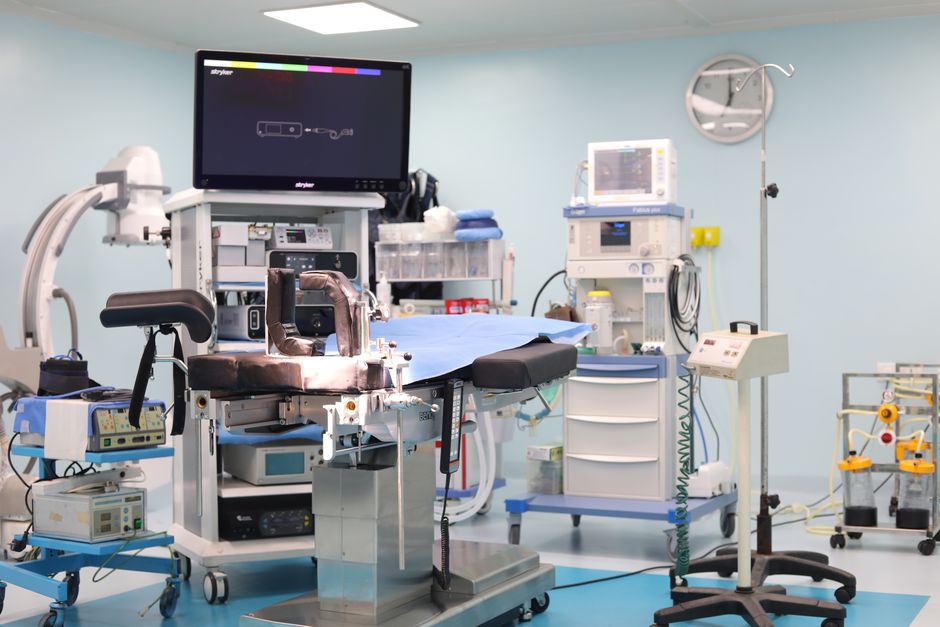
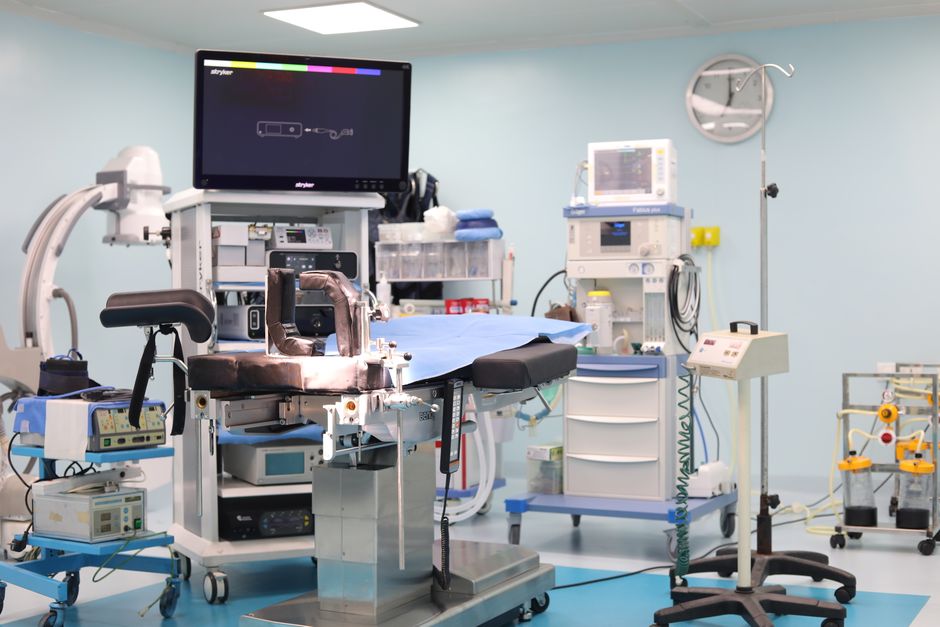
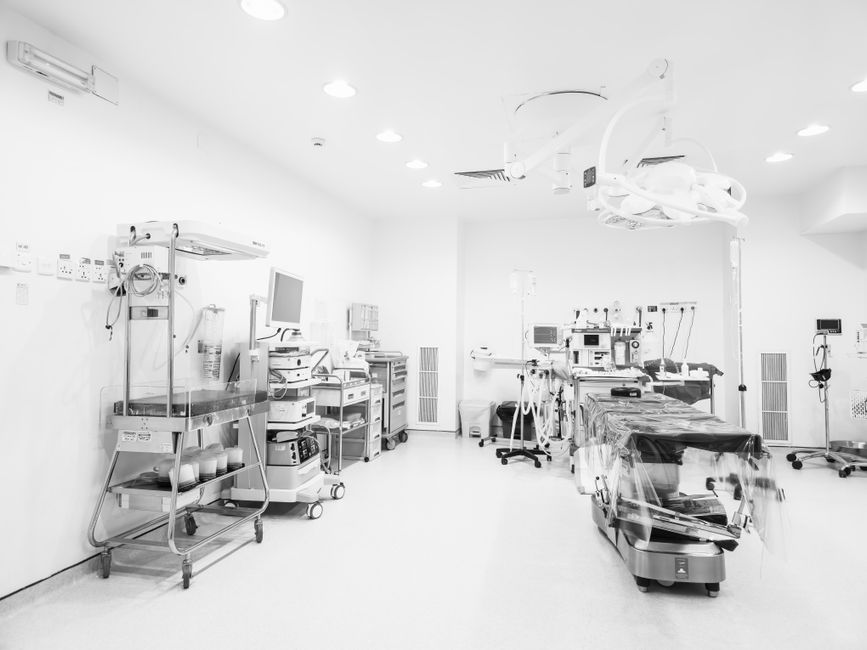
    Sustainability is reshaping hospital environments as we approach 2026. Hospital furniture, especially in critical areas like operating rooms, faces a unique challenge. The focus is on materials that are both durable and environmentally friendly. Many hospitals are seeking furniture made from recycled or biodegradable products. This not only reduces waste but also enhances the overall patient experience.

    Healthcare facilities are now prioritizing furniture that promotes efficiency. For instance, Operating Room Furniture designed for easy cleaning supports infection control. Such designs are imperative in maintaining a sterile environment. Additionally, energy-efficient lighting integrated into the furniture can reduce operational costs and improve staff workflow.

    However, challenges persist. Not every facility can afford the transition to sustainable options. There is also a need for more research on the long-term performance of new materials. Balancing cost, quality, and sustainability remains a complex issue. As the industry prepares for 2026, a thoughtful approach is needed to navigate these hurdles. The goal is clear: create spaces that respect both the environment and patient care.

    Patient-Centric Furniture: Enhancing Comfort and Healing Environments

    The shift towards patient-centric furniture is transforming hospital environments. Research indicates that comfortable, healing spaces can significantly impact recovery times. A study by the Health Environments Research and Design Journal found that patient satisfaction scores improve by up to 20% in well-designed rooms. This data underlines the importance of choices in materials, color, and ergonomics in patient room furniture.

    Patient-centric design focuses on enhancing comfort and promoting healing. Furniture made from soft, durable fabrics can help create a warm atmosphere. Adjustable components that suit individual needs improve overall functionality. There is a growing emphasis on mindfulness—how furniture choices can reduce stress levels. Notably, the concept of “Patient Room Furniture Footprint Efficiency” is gaining traction. This means utilizing space to maximize comfort without compromising safety.

    When choosing furniture for patient rooms, consider these tips: Opt for modular designs that can adapt to changing needs. Prioritize soft surfaces that are easy to clean yet inviting. Ensure layouts facilitate easy movement for both staff and patients. Reflect on the psychological impact of your choices. Furniture should not only look good but also create a sense of security. While trends provide guidance, the ultimate goal remains patient well-being.

    Technology Integration in Hospital Furniture: Smart Features for 2026

    As we look toward 2026, the integration of technology in hospital furniture is set to transform patient care. Modern hospitals will feature smart furniture that enhances functionality and patient experience. For instance, beds equipped with sensors can monitor vital signs. This data allows healthcare providers to respond swiftly to changes in a patient’s condition. Smart tables could even adjust their height for better accessibility.

    When considering the future of Operating Room (Ot) Furniture Integration, multifunctionality becomes key. Imagine surgical tables that automatically adjust to optimal positions, reducing staff strain. This technology not only boosts efficiency but also prioritizes patient safety. Additionally, furniture will feature built-in devices for easy sterilization—an essential for infection control in hospitals.

    Tips for planning hospital spaces include prioritizing training for staff on new technologies. Often, the most innovative furniture may complicate workflows if not properly understood. Evaluate the adaptability of all furniture choices to ensure they meet diverse patient needs. Regular feedback loops from medical teams can improve the integration process. Exploring these smart features can significantly enhance care facilities, ensuring they remain nimble and effective.

    Space Optimization Strategies: Maximizing Functionality in Hospital Rooms

    In 2026, optimizing space in hospital rooms will be vital. The trend focuses on maximizing functionality. Hospitals face increasing pressures to provide efficient care.
    Well-designed furniture can significantly impact patient comfort and staff productivity.

    Multifunctional furniture is crucial. For example, beds that adjust easily can enhance patient care. Collaborative spaces enable staff to work more effectively.
    These areas should have modular designs. Flexible furniture arrangements allow for quick reconfiguration.

    Challenges remain with implementation. Not every hospital has the resources to modernize. Some design elements may clash with existing infrastructure.
    It’s essential to assess current layouts and functionality. Consider feedback from staff and patients.
    Tailoring designs to specific needs can lead to improved outcomes.

    Regulatory Standards and Compliance: What’s New for Hospital Furniture in 2026

    As we look ahead to 2026, regulatory standards for hospital furniture are evolving. Updated guidelines focus on safety, comfort, and patient-centered care. Hospitals must prioritize materials that are both durable and easy to clean. This ensures that the furniture can withstand rigorous use while maintaining hygiene.

    New compliance measures also emphasize accessibility. Furniture designs need to accommodate all patients, including those with mobility challenges. This shift encourages the use of adjustable beds and ergonomic seating. However, many facilities face challenges in adapting their existing furniture to these new standards.

    It is essential to stay informed about these changes. Engaging experts in healthcare design can provide insights into the latest regulations. Hospitals must invest time and resources in understanding these trends. While some may resist change, adapting to new standards is vital for improving patient care. Balancing compliance with budget constraints may not be easy, but it is necessary for future readiness.

    Enhancing Patient Comfort and Care: The Benefits of the SJC-B-08-01 Electric Hospital Bed

    The modern healthcare landscape increasingly prioritizes patient comfort and care, making advanced hospital beds a critical component in medical facilities. The SJC-B-08-01 electric hospital bed exemplifies this trend with its high-performance design, crafted from durable cold-rolled steel and equipped with multiple LINAK motors. This combination provides precise adjustments, ensuring optimal ergonomic support for patients during their recovery process. According to a recent study by the International Journal of Health Care Quality Assurance, enhanced patient comfort correlates directly with improved recovery times and overall satisfaction, highlighting the importance of investing in quality hospital furniture.

    In addition to its robust construction, the electric hospital bed integrates features tailored to meet the demanding needs of modern medical institutions. The focus on intelligent control systems and customizable functions allows healthcare providers to cater to the unique requirements of each patient, thereby enhancing the overall caregiving experience. Reports from the World Health Organization suggest that personalized care environments can reduce hospital stays by up to 20%, demonstrating that thoughtful design in hospital equipment can lead to significant logistical and financial benefits for healthcare facilities. By prioritizing both comfort and functionality, electric hospital beds like the SJC-B-08-01 are poised to transform patient care on a global scale.

    FAQS


    : What are the main trends in hospital room furniture from 2020 to 2026?

    : Functionality and patient comfort are key. Adjustable beds aid recovery by allowing comfortable positioning.


    How important are materials used in hospital furniture?

    Sustainable materials are becoming popular. They promote a healthier environment, but some hospitals still use outdated options.


    Who influences the design of hospital room furniture?

    Collaboration among healthcare professionals is crucial. Feedback from nurses, doctors, and patients shapes the design process.


    What is patient-centric furniture?

    Patient-centric furniture enhances comfort and healing. It helps create inviting spaces that improve recovery times.


    What are the benefits of a well-designed hospital room?

    Well-designed rooms can boost patient satisfaction by up to 20%. Choices in materials and ergonomics play a significant role.


    What should be considered when selecting furniture for patient rooms?

    Opt for modular designs and soft, durable fabrics. Layouts should allow easy movement for both staff and patients.


    How can space be optimized in hospital rooms?

    Use multifunctional furniture and flexible arrangements. This maximizes functionality while supporting patient comfort.


    What challenges are faced when modernizing hospital furniture?

    Limited resources and clashing design with existing infrastructure can hinder modernization efforts.


    Why is mindfulness in furniture choice important?

    Mindfulness can reduce stress levels. Furniture should create a sense of security and well-being for patients.


    What remains a persistent issue in furniture design feedback?

    Not all feedback from users gets implemented effectively, causing a gap in addressing real needs.

    Conclusion

    The article “Top Hospital Room Furniture Trends for 2026 Are You Ready?” explores the significant evolution of hospital room furniture over the past few years and highlights key trends expected to shape the industry by 2026. It discusses the crucial drivers influencing design choices, such as sustainability goals, patient-centric features that enhance comfort and promote healing, and the integration of smart technology into hospital furniture. Additionally, the piece emphasizes the importance of space optimization strategies to maximize functionality within hospital rooms, alongside a review of updated regulatory standards and compliance requirements that affect hospital furniture design.

    As healthcare continues to evolve, the focus on creating patient-friendly environments through innovative hospital room furniture will play a pivotal role in improving overall patient care. This article underscores the necessity for stakeholders to stay informed and adaptable to these trends, ensuring that the furniture used in healthcare settings meets both current standards and future needs.

    Blog Tags:

    Liam

    Liam

    Liam is a dedicated marketing professional with extensive expertise in the healthcare furniture industry. As an integral member of our team, he plays a vital role in promoting our customized hospital and healthcare furniture solutions. With years of experience, Liam possesses a deep understanding……


    Previous


    Best Medical Furniture for Your Healthcare Facility Needs?