Picking the right hospital furniture is honestly pretty crucial when it comes to giving patients the best care possible. It really affects how comfortable they are, how safe they feel, and how smoothly their recovery goes. Good quality furniture can totally make a difference in how patients experience their stay, and it should also be easy for both patients and staff to use. No one wants stuff that’s complicated or hard to handle!
When you’re choosing hospital furniture, think about what it’s supposed to do and how tough it needs to be. It needs to stand up to daily use and be cleaned repeatedly without falling apart. And, let’s not forget about how it looks! A calm, inviting design can boost a patient’s mood and make the whole environment feel less clinical. Still, it’s all about finding that sweet spot between looks and practicality.
Healthcare workers often run into issues with furniture that just doesn’t cut it. Poor choices can slow things down or make their jobs harder. That’s why it’s a good idea to get feedback from staff who are actually using this stuff every day. Their insights can really help in making smarter decisions. In the end, choosing the right hospital furniture isn’t just about style — it can genuinely change the environment, making it a more healing, comfortable space for everyone involved.
Importance of Ergonomics in Hospital Furniture Selection
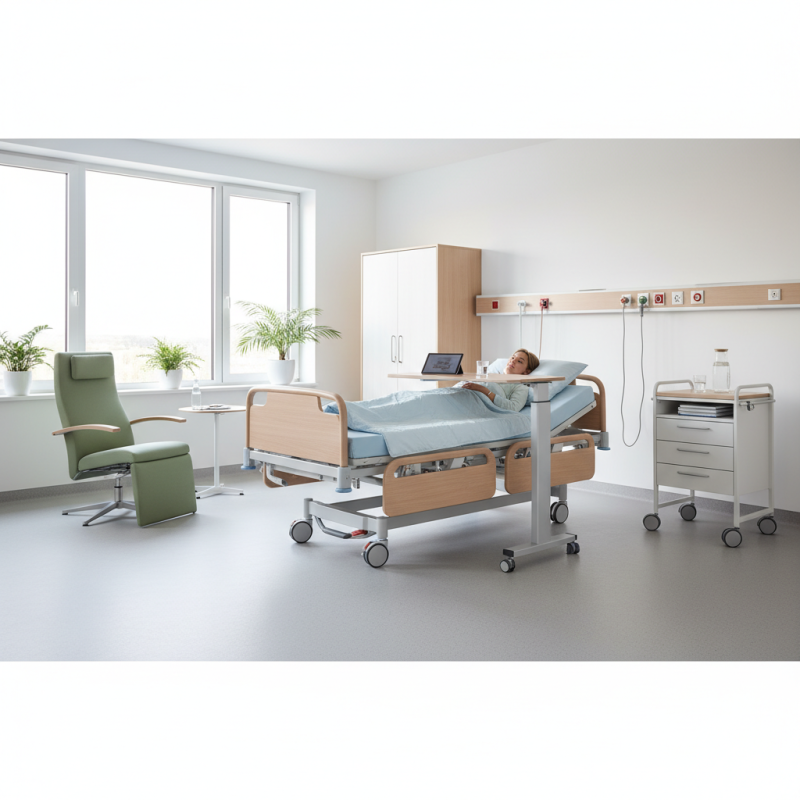
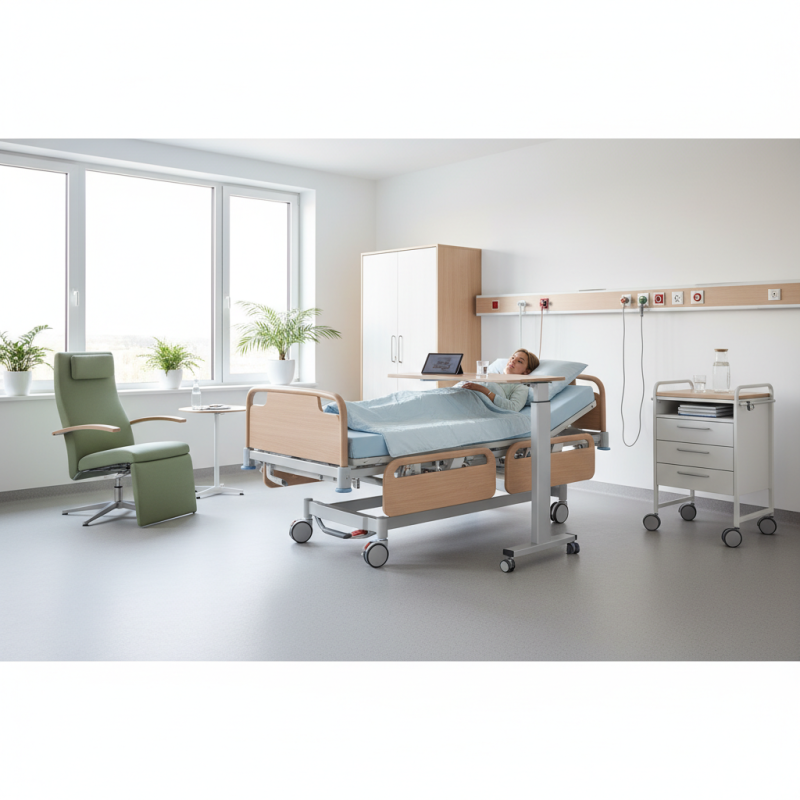
When selecting hospital furniture, ergonomics plays a crucial role in enhancing patient care. Well-designed furniture can significantly impact patient recovery and comfort. Ergonomic furniture reduces strain on both patients and healthcare staff. It ensures safety and promotes better mobility within hospital settings.
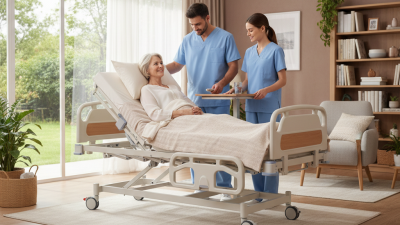
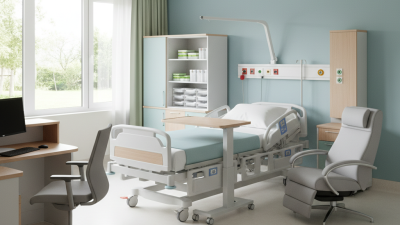
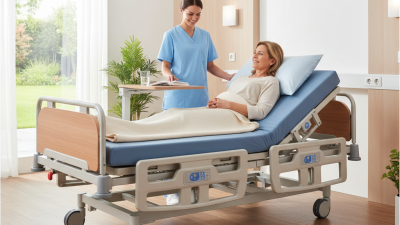
Tips: Choose adjustable beds that accommodate different patient needs. This encourages independent movement and enhances comfort. Look for chairs with proper lumbar support. They help prevent long-term back issues for patients and caregivers alike.
Modular units can be rearranged to serve various functions. This adaptability meets the changing needs of patient care. Moreover, these designs often facilitate easier cleaning and maintenance.
Attention to detail in ergonomic design can prevent injuries. Check the height of tables and counters. They should be accessible for all users. Remember, furniture should feel intuitive to use, promoting a sense of independence for patients.
Key Factors to Consider for Patient Comfort and Safety
Choosing hospital furniture requires careful attention to patient comfort and safety. The design and materials of furniture can greatly impact recovery and overall well-being. A study by the Healthcare Association reveals that 78% of patients report feeling more relaxed in well-designed spaces. Comfortable seating can reduce anxiety, which plays a crucial role in healing.
Supportive mattresses and ergonomic chairs help alleviate pressure points. According to the American Medical Association, the right mattress can lower the risk of bedsores by 50%. This statistic highlights the need for furniture that adapts to patient needs. Using easily cleanable materials is also vital. Infection control is paramount, and furniture that withstands rigorous cleaning can minimize hospital-acquired infections.
Not all furniture meets these standards. Some pieces may lack durability or comfort, necessitating a critical evaluation. Regular assessments should be done to identify weaknesses in furniture choices. Incorporating feedback from both patients and staff can drive improvements. Ensuring furniture meets the latest safety regulations is equally essential. Prioritizing these factors creates an environment conducive to healing, benefiting both patients and healthcare providers alike.
How to Choose Hospital Furniture for Optimal Patient Care? – Key Factors to Consider for Patient Comfort and Safety
Furniture Type
Key Features
Considerations for Patient Comfort
Safety Features
Hospital Bed
Adjustable height, side rails
Pressure relief mattresses, ease of access
Lockable wheels, sturdy construction
Overbed Table
Height adjustable, tiltable surface
Convenient for meals and activities
Stable base to prevent tipping
Patient Chair
Comfortable upholstery, swivel base
Ergonomic design for extended sitting
Non-slip feet, sturdy design
Carts and Trolleys
Multiple shelves, easy maneuverability
Accessible layout for staff and patients
Secure locking mechanisms, rounded edges
Storage Cabinets
Adjustable shelves, locking doors
Organized storage for patient supplies
Sturdy construction, safety locks
Assessing Durability and Maintenance Needs of Hospital Furniture
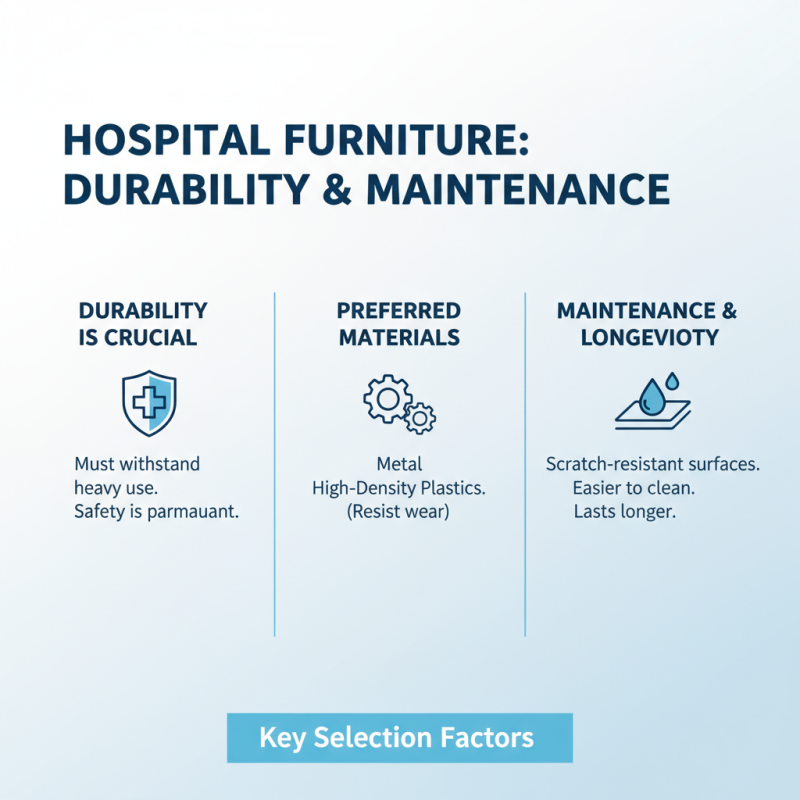
When selecting hospital furniture, durability is crucial. Furniture must endure heavy use without compromising safety. Materials like metal and high-density plastics often withstand wear better than wood. Examine the quality of these materials before making a purchase. Look for products that feature scratch-resistant surfaces. They are easier to maintain and can last longer.
Maintenance needs also play a significant role in decision-making. Hospital environments require frequent disinfection. Fabrics and surfaces should be chosen accordingly. Some materials are easier to clean than others. Bacteria can thrive in poorly maintained areas. Therefore, consider furniture with simple designs that have fewer crevices, making cleaning more efficient.
A reflection on the balance between resilience and aesthetics is essential. While durable furniture is a priority, design still impacts patient comfort. Can the furniture provide a welcoming atmosphere? Striking a balance is challenging. Frequent evaluations can help in refining choices. Engage staff for feedback on usability. This encourages a collaborative effort towards optimal patient care.
Impact of Hospital Furniture on Infection Control and Hygiene
Infection control is crucial in hospital settings. The furniture used in these environments plays a significant role in maintaining hygiene. Studies suggest that smooth, non-porous surfaces reduce the accumulation of bacteria. According to a report by the Association for the Healthcare Environment, approximately 80% of infections are transmitted through surfaces. Choosing the right materials for hospital furniture can make a difference.
Turnkey Hospital Furniture often incorporates antimicrobial finishes. These finishes actively inhibit the growth of harmful bacteria and viruses. Hospitals report lower infection rates when using such furniture. For instance, a study in the “American Journal of Infection Control” noted a 30% decrease in hospital-acquired infections with improved furniture designs. However, integrating these features can be costly, and some facilities may struggle to keep up with the required standards.
Choosing furniture with easy-to-clean designs is vital. Items that can be easily disinfected reduce time spent on cleaning. Inadequate maintenance and outdated furniture can create a haven for pathogens. Staff training on proper cleaning protocols is essential. Hospitals must ensure that investment in quality furniture aligns with their infection control strategies.
Patient-Centered Design Principles in Hospital Furniture
When selecting hospital furniture, it’s crucial to prioritize patient-centered design principles. These principles focus on enhancing the overall experience for patients. Comfort and accessibility should be at the forefront. For example, beds should be adjustable to accommodate different patient needs. They should also feature easy-to-reach controls. This simplicity allows patients to operate their own beds without assistance.
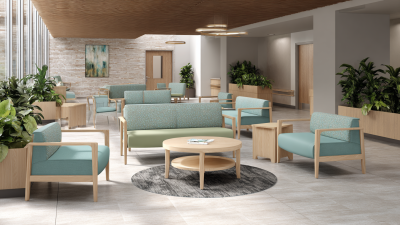
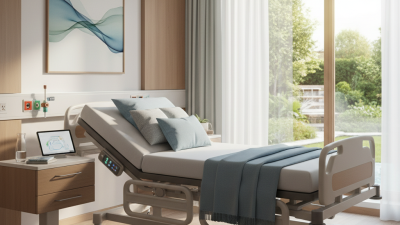
Beyond comfort, furniture should support healing environments. Natural light and soft colors can promote calmness. Spaces that encourage social interaction are also important. For instance, communal areas with cozy seating can enhance patient morale. It’s essential to reflect on how furniture choices impact recovery. Are the chairs supportive enough? Is there adequate space for mobility devices? These questions need answers.
Incorporating feedback from healthcare professionals is vital too. They understand the practical side of furniture use within clinical settings. Continuous improvement in design will lead to better outcomes. However, challenges remain. Balancing durability with aesthetics is not always easy. Each piece of furniture must withstand daily wear while remaining inviting. A thoughtful approach to design can bridge these gaps and ultimately improve patient care.
Usage Statistics: How Furniture Quality Influences Patient Recovery
When choosing hospital furniture, it’s crucial to understand its impact on patient recovery. Studies show that quality furnishings can enhance comfort, promote better healing, and even reduce hospital stays. For instance, ergonomic beds and supportive chairs encourage mobility, which is essential for swift recovery. Not all furniture meets these criteria, so careful selection is necessary.
Tips: Look for Hospital Furniture Solutions designed with flexibility in mind. Adjustable beds and movable tables accommodate various patient needs. Ensure that materials are easy to clean and durable, as hygiene is paramount. Aesthetics matter too; calming colors and designs can create a healing environment.
Patient interaction with furniture is often overlooked. Furniture that fosters socialization can improve emotional well-being. However, when overcrowded or poorly designed spaces are present, patients may feel isolated. Reflect on how your choices can affect the overall experience. Prioritize furniture that encourages connection without compromising comfort.
Sustainability Considerations in Hospital Furniture Procurement
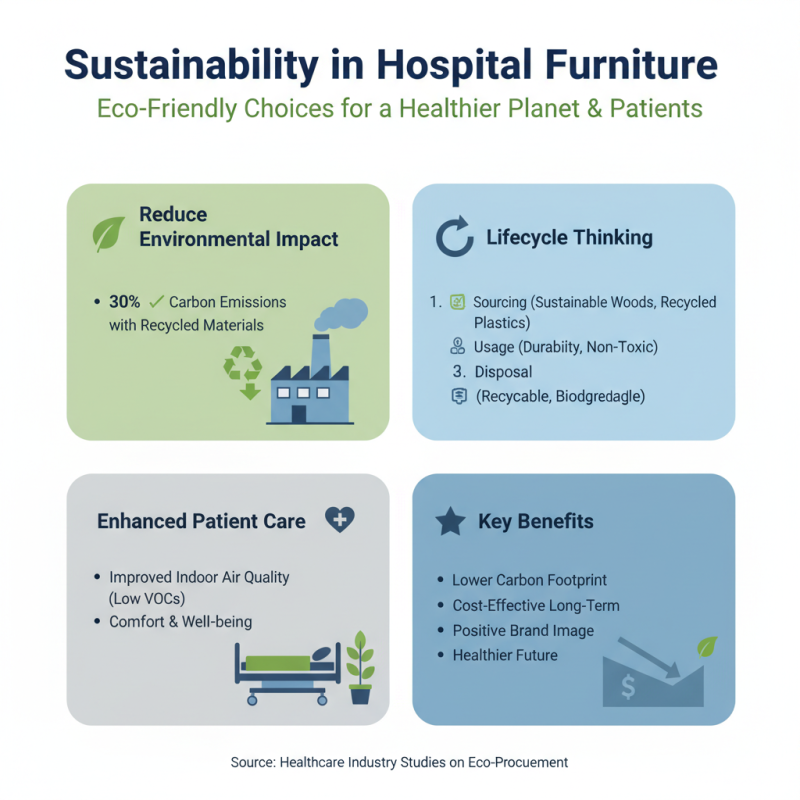
When selecting hospital furniture, sustainability should be a key focus. Studies reveal that healthcare institutions can significantly reduce their environmental impact through eco-friendly procurement practices. For example, using furniture made from recycled materials can lead to a 30% decrease in carbon emissions associated with production. Hospitals are encouraged to consider the lifecycle of their furniture, from sourcing to disposal. Sustainable options not only lower the environmental footprint but also enhance patient care.
One common oversight is neglecting the importance of certifications. Furniture marked with sustainability certifications can ensure compliance with rigorous environmental standards. It is crucial for hospitals to actively seek out such certifications to create safer spaces for patients and staff. A report by the Healthcare Sustainability Initiative states that utilizing certified green products can improve indoor air quality by up to 60%. This directly affects patient recovery and overall well-being.
Furthermore, hospitals face challenges in finding suppliers committed to sustainability. Often, the perceived high cost of sustainable furniture deters procurement teams. However, investing in durable, sustainable options can yield long-term savings. The concept of a One-Stop Hospital Furniture service can help streamline sustainable choices, making it easier for hospitals to prioritize eco-friendly options. Reflecting on these issues can drive deeper understanding and commitment to sustainability in healthcare.
Designing Versatile and Durable Reception Desks: A Guide to Customizable Stainless Steel Solutions for Healthcare and Education
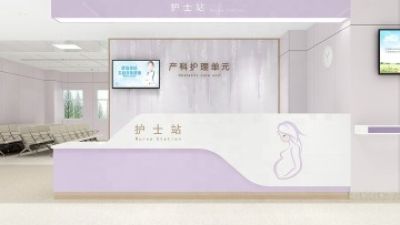
In the realm of healthcare and education, reception desks play a pivotal role in shaping the first impression of a facility. Designing versatile and durable reception desks, particularly those crafted from stainless steel, can significantly enhance the functionality and aesthetic appeal of spaces such as maternity wards, birthing centers, and women’s health clinics. A well-thought-out design combines both form and function, ensuring that the desk not only meets the practical needs of staff but also creates a welcoming atmosphere for patients.
Consider a customizable desk measuring 48” H x 84” W x 36” D, featuring a soothing lavender-white finish and a curved ergonomic design. This structure can be tailored to include specialized branding, such as maternity-themed elements like a pregnant figure silhouette and appropriate labeling. Furthermore, built-in storage and cable management systems are integral features that help streamline workflows for healthcare professionals. The use of healthcare-grade sanitizable laminate ensures compliance with infection control standards, making it an ideal choice for high-traffic environments where cleanliness is paramount. By fostering a calm and organized setting, such desks can significantly enhance the experience for expecting patients while also boosting administrative efficiency.
: Why is patient comfort important in hospital furniture design?
: Comfortable furniture helps patients feel relaxed. This can significantly improve their overall well-being and contribute to healing.
How can the right mattress affect patients?
A suitable mattress can reduce pressure points. It may also decrease the risk of bedsores by up to 50%.
What materials should hospital furniture be made of?
Furniture should use easily cleanable, non-porous materials. Such surfaces help in maintaining hygiene and reducing infection risk.
How does furniture design impact infection control?
Properly designed furniture can reduce bacteria accumulation. This is crucial, as up to 80% of hospital infections come from surfaces.
Are antimicrobial finishes beneficial for hospital furniture?
Yes, antimicrobial finishes inhibit harmful bacteria growth. Hospitals using such furniture often report lower infection rates.
What challenges do hospitals face with furniture maintenance?
Some hospitals struggle to invest in quality furniture. Outdated or poorly maintained items can increase infection risks.
Is patient feedback considered in furniture choices?
Yes, feedback from patients and staff is vital. It helps hospitals evaluate and improve furniture selections regularly.
How often should furniture be assessed for safety and comfort?
Regular assessments are essential. They help identify weaknesses and ensure that furniture meets current safety regulations.
Conclusion
Choosing the right hospital furniture is crucial for enhancing patient care and ensuring comfort and safety. Ergonomics play a vital role in furniture selection, as the design must accommodate the diverse needs of patients and healthcare providers. Key factors to consider include optimal comfort, durability, maintenance needs, and the furniture’s impact on infection control and hygiene. Implementing patient-centered design principles can significantly influence the overall healing environment.
Additionally, studies show that the quality of hospital furniture can directly affect patient recovery rates, emphasizing the importance of careful procurement processes. Furthermore, sustainability considerations are becoming increasingly relevant in hospital furniture selection, as environmentally friendly options can benefit both patients and the broader community. Ultimately, effective hospital furniture not only enhances the patient experience but also supports healthcare staff in providing high-quality care.
Liam is a dedicated marketing professional with extensive expertise in the healthcare furniture industry. As an integral member of our team, he plays a vital role in promoting our customized hospital and healthcare furniture solutions. With years of experience, Liam possesses a deep understanding……


发表回复