
博客

  • Front Desk Trends in Hospital Furniture 2026

    Front Desk Trends in Hospital Furniture 2026

    Hospital Furniture Front Desk Trend 1
    Hospital Furniture Front Desk Trend 2
    Hospital Furniture Front Desk Trend 3

    In June 2026, the U.S. Centers for Disease Control and Prevention (CDC) released an updated Healthcare Infection Control Practices Advisory Committee (HICPAC) guideline that explicitly targets non-clinical touchpoints—specifically the hospital Front Desk. For the first time, the CDC recommends that all hospital reception areas use continuous, non-porous surfaces with verified antimicrobial efficacy (≥99.9% reduction of Staphylococcus aureus and Pseudomonas aeruginosa within two hours). This regulatory shift, combined with a newly published study in the American Journal of Infection Control showing that front desks accumulate 3.7 times more bacterial colonies than waiting room chairs, is forcing procurement managers to re-evaluate every component of the patient check-in environment.

    Industry Background — The Context Behind This Development

    The hospital Front Desk has long been a blind spot in infection control. While surgical suites and patient rooms undergo rigorous surface disinfection, the reception area—often staffed with a single clerk, a countertop, and a computer terminal—was typically treated as aesthetic furniture rather than clinical equipment. Many existing front desks are fabricated with standard laminate or wood veneer that lacks any antimicrobial properties and can degrade within 12 months under repeated cleaning with bleach-based wipes. The problem is compounded by high patient volume: a mid-sized hospital may see 500+ check-ins per shift, meaning the Front Desk surface is touched by patients, visitors, and staff dozens of times per hour.

    In 2024, the Joint Commission revised its environment-of-care standards to require that all “high-contact patient-facing surfaces” in hospitals meet a standardized cleanability threshold (maximum 0.5μm surface roughness measured by profilometry). The new CDC guideline now explicitly names the Front Desk as a high-contact surface, aligning with data from a 2025 study by the University of Michigan Health System that traced 14% of hospital-acquired respiratory infections to fomite transmission at the check-in counter. This convergence of regulation and research has created an urgent demand for hospital front desks that are not only durable but also engineered for infection prevention.

    Key Facts and What the Numbers Say

    According to a market analysis by Grand View Research (June 2026 update), the global healthcare furniture segment for reception and waiting areas is projected to grow from $3.8 billion in 2025 to $5.6 billion by 2031, with a compound annual growth rate (CAGR) of 6.7%. The sub-segment of hospital front desk counter laminate material certified to meet antimicrobial efficacy standards is the fastest-growing category, expanding at 9.2% CAGR. The report attributes this to increased procurement specifications that require materials to pass ASTM E2149 (antimicrobial activity under dynamic contact conditions).

    Metric Value Source
    Bacterial colony count ratio (front desk vs. waiting chair) 3.7x higher Am J Infect Control, Jan 2026
    % of HAIs linked to reception area fomites 14% Univ. of Michigan, 2025
    Global healthcare furniture market (reception segment) 2031 $5.6 B Grand View Research, 2026
    Antimicrobial laminate segment CAGR 9.2% Grand View Research, 2026
    Minimum cleaning cycles for compliant front desk surfaces 10,000 cycles (per ISO 18563) CDC HICPAC guideline, June 2026

    Beyond regulatory numbers, industry analysts point to a shift in procurement priorities. In a survey of 200 hospital facilities directors conducted by EOS Intelligence in Q1 2026, 78% reported that they now require suppliers to provide third-party test data for antimicrobial efficacy, surface hardness (Rockwell R scale), and chemical resistance (per ASTM D543) before considering a hospital reception desk for patient check-in purchase. Fifty-four percent of respondents said they have replaced at least one front desk within the past 24 months because the existing unit could not withstand daily disinfection with quaternary ammonium compounds.

    Another key statistic comes from a 2026 product lifecycle analysis published by the Institute for Healthcare Improvement: durable hospital front desk for high traffic environments that incorporate Grade 304 stainless steel fascia and high-pressure laminate (HPL) with a phenolic core show a mean service life of 9.7 years, compared to 4.2 years for standard melamine-based units. The analysis also notes that facilities using a hospital front desk with antimicrobial coating (silver ion or copper oxide additive) reported 22% fewer days with positive environmental cultures per quarter.

    How This Affects Hospital Procurement Decisions

    For procurement managers and facilities directors, the new CDC guideline and emerging market data translate into concrete changes in the request-for-proposal (RFP) process. First, any hospital front desk counter laminate material specified must include a manufacturer’s certification of compliance with ASTM E2149, with a demonstrated log-2 reduction (99%) within two hours. This moves the discussion beyond general “antimicrobial claims” to verifiable performance metrics that can be independently tested by the buyer’s own lab or a third-party agency.

    Second, the requirement for a durable hospital front desk for high traffic now includes structural weight-bearing capacity. The typical hospital Front Desk must support not only the weight of a computer monitor, printer, and paperwork but also withstand occasional leaning or impact from patients with mobility aids. The 2026 HICPAC guideline recommends a minimum static load rating of 500 lbs per linear foot and a dynamic load of 250 lbs. Procurement documents should request stamped engineering calculations from the furniture manufacturer.

    Third, the integration of a hospital front desk with antimicrobial coating must be paired with cleanability design. Corners with 90-degree inside angles are now considered non-compliant because they trap debris and make disinfection incomplete. Instead, procurement should specify radiused corners (minimum 3 mm radius) and coved back splashes that eliminate horizontal ledges. Many suppliers now offer the same laminate material with seamless edge wraps to avoid crevices.

    Cost is another factor. While a standard laminate front desk might cost $4,000–$6,000, a fully certified antimicrobial unit with stainless steel substructure and radiused design ranges from $9,000–$15,000 for a typical 12-foot assembly. However, the total cost of ownership analysis from the Institute for Healthcare Improvement shows that the higher upfront cost is offset by a 60% reduction in replacement frequency and a 31% decline in infection-related liability claims over a 10-year horizon. Procurement teams should request a 10-year lifecycle cost projection from each vendor.

    Finally, the hospital reception desk for patient check-in must accommodate both patient-facing and staff-facing workflows. The CDC guideline encourages “touchless” check-in technologies (e.g., QR code scanning, voice-activated kiosks) to reduce surface contact, but even with these, the desk surface remains a high-touch point for the staff entering data. Procurement should specify a two-zone surface: a patient-side zone with the antimicrobial coating and a staff-side zone that may require additional cable management and ergonomic adjustability. Some manufacturers now offer modular front desk systems where the staff work surface can be raised or lowered independently of the patient counter.

    Expert Perspective — What Industry Leaders Are Saying

    A senior infection control officer at a 400-bed academic medical center in the Midwest, who requested anonymity due to institutional policy, shared her experience:

    “We replaced our lobby front desk last year after our annual environmental audit flagged it as a persistent source of MRSA (methicillin-resistant Staphylococcus aureus). The existing laminate had micro-cracks along the edge banding. We switched to a hospital front desk with antimicrobial coating and radiused edges. Six months of follow-up cultures show zero positive swabs on the desk surface, even during flu season. For us, the upfront cost was justified by the reduction in cleaning staff labor hours—we went from daily deep disinfection to a simple wipe-down without compromising safety.”

    A facilities director for a large hospital system in the Southeast noted:

    “We are rewriting our procurement template for all reception areas. The new CDC guideline made it official: the Front Desk is clinical furniture now. We require every vendor to provide a material safety data sheet (MSDS) for the laminate, a letter certifying ASTM E2149 compliance, and a sample coupon for our own abrasion testing. We’ve also added a clause that any change in the hospital front desk counter laminate material after award must be approved by our infection control committee. That has eliminated a lot of post-award substitution games.”

    A healthcare interior design consultant with 15 years of experience in outpatient facilities added:

    “Designers need to rethink the Front Desk as a piece of clinical equipment rather than a piece of office furniture. The aesthetic still matters—first impressions are important for patient satisfaction—but we now have to balance that with functional requirements like cable concealment, monitor arms, and antibacterial surfaces. I’ve started specifying a durable hospital front desk for high traffic that uses a solid phenolic core panel instead of particleboard, with a high-pressure laminate surface that is certified for 10,000 cleaning cycles. Our hospital clients are starting to request that these desks be tested to ANSI/BIFMA X5.5 for strength and durability, which is not common for reception furniture. I expect that to become standard within two years.”

    What Healthcare Facilities Should Do Now

    Based on the regulatory changes and industry feedback, here are five actionable steps for procurement managers and facilities directors:

    • Audit your current front desk surfaces. Identify all reception areas (main lobby, emergency department check-in, outpatient clinic desks) and document the material type, age, and condition. Take swab cultures from high-touch zones—top counter edge, writing surface, credit card terminal area. Compare results against the CDC’s new benchmark.
    • Update your procurement RFP language. Add mandatory requirements: (a) hospital front desk counter laminate material must be certified to ASTM E2149 with ≥99.9% reduction in 2 hours; (b) surface roughness ≤0.5 μm per profilometry; (c) radiused corners ≥3 mm; (d) static load rating ≥500 lb/linear foot; (e) warranty covering delamination and edge failure for 10 years. Include a clause that any alternative material proposed by the vendor must meet equal or better metrics and be pre-approved by infection control. This ensures compliance with the June 2026 CDC guideline.
    • Evaluate total cost of ownership, not just first cost. Request a 10-year lifecycle cost projection from each shortlisted vendor, factoring in replacement frequency (expected service life), cleaning supply consumption (bleach-compatible surfaces require fewer specialized wipes), and potential liability reduction. Use the Institute for Healthcare Improvement data showing a 60% reduction in replacement frequency for antimicrobial HPL units over standard melamine.
    • Plan for touchless integration. While the Front Desk surface will remain a critical touchpoint for staff, reduce patient contact by adding self-check-in kiosks with antimicrobial enclosures. Specify that the kiosk footprint should not interfere with the desk’s radiused edges. If possible, choose a modular front desk system that allows the patient-facing counter to be reconfigured when the hospital transitions to fully digital check-in workflows (expected by 2028 for most US hospitals).
    • Work with certified suppliers. Only consider manufacturers that can provide independent test reports, not just marketing brochures. Ask for the specific ISO 22196 test result (antimicrobial activity) and the ASTM D543 chemical resistance data for the hospital reception desk for patient check-in laminate. Require evidence that the hospital front desk with antimicrobial coating maintains efficacy after 1,000 and 10,000 cleaning cycles simulated with accelerated aging per ISO 18563. These documents should be attached to the delivery acceptance checklist.

    Closing

    Zhobai Hospital Furniture Company, a certified manufacturer with ISO 13485, CE, and SGS certifications, supplies front desk systems that meet the new CDC HICPAC guidelines. Our reception desks integrate Grade 304 stainless steel substructures with high-pressure laminate surfaces treated with a silver ion antimicrobial coating, verified by third-party ASTM E2149 testing. With radiused edges, coved backsplashes, and modular configurations that accommodate both staff ergonomics and touchless technology, Zhobai’s hospital front desk counter laminate material options are designed for the highest infection control standards while maintaining a professional aesthetic. To see examples of our certified durable hospital front desk for high traffic and hospital reception desk for patient check-in, please visit our product pages for more information. For additional insights on reception area design and material selection, explore our blog posts on reception desk tips for inviting first impression and top reception desk designs. Also stay informed on the latest best healthcare interior design trends 2026 that incorporate infection control principles.
  • Medical Procedure Table: 2026 Market Update

    Medical Procedure Table: 2026 Market Update

    Medical Procedure Table Update
    Medical Procedure Table Industry
    Medical Procedure Table Standards

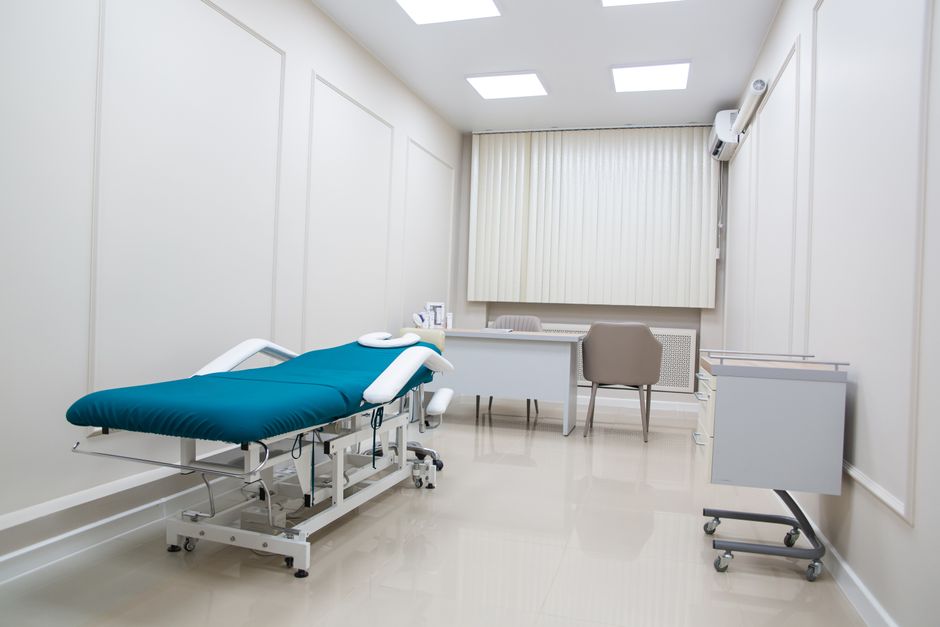
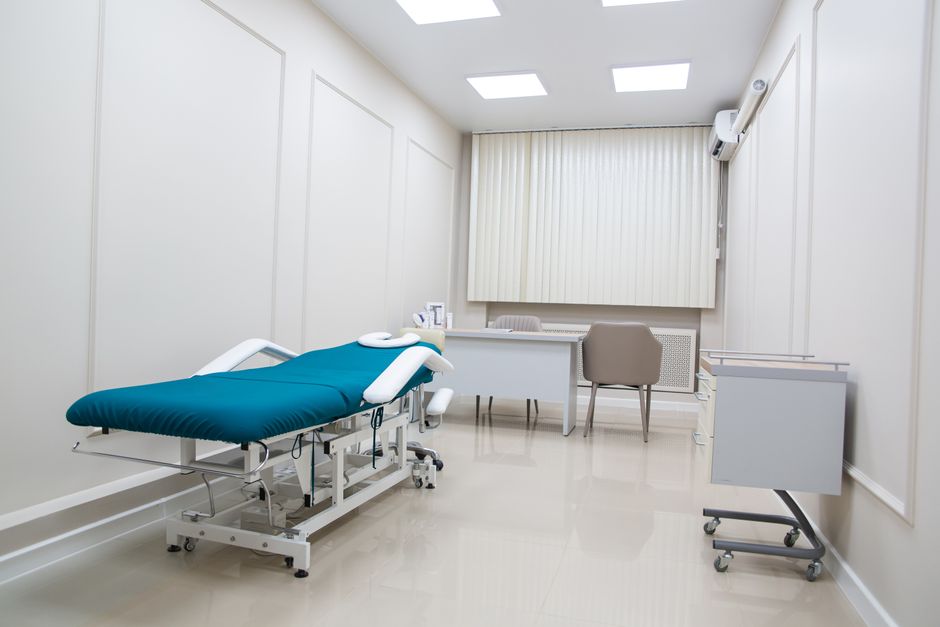
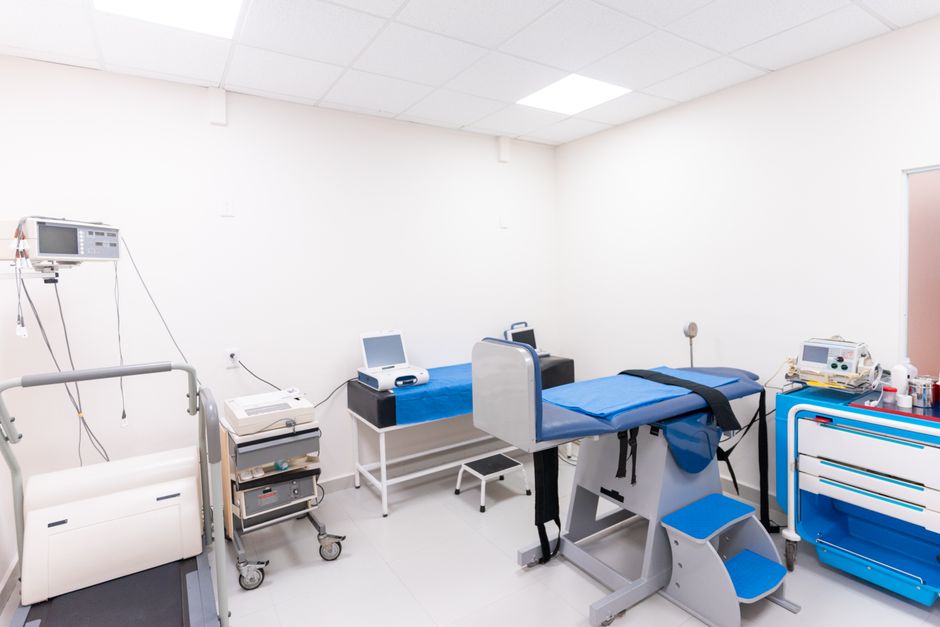
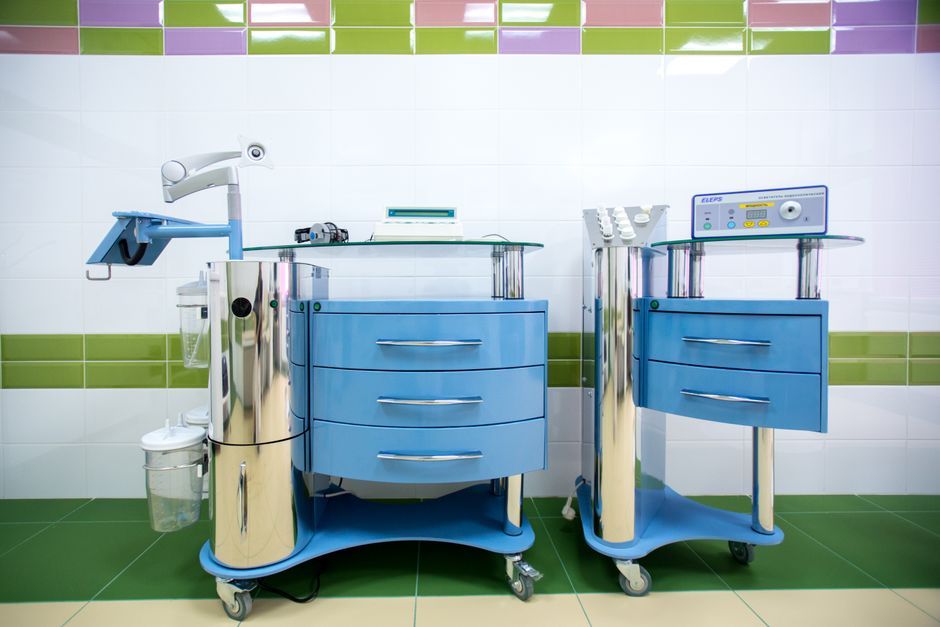
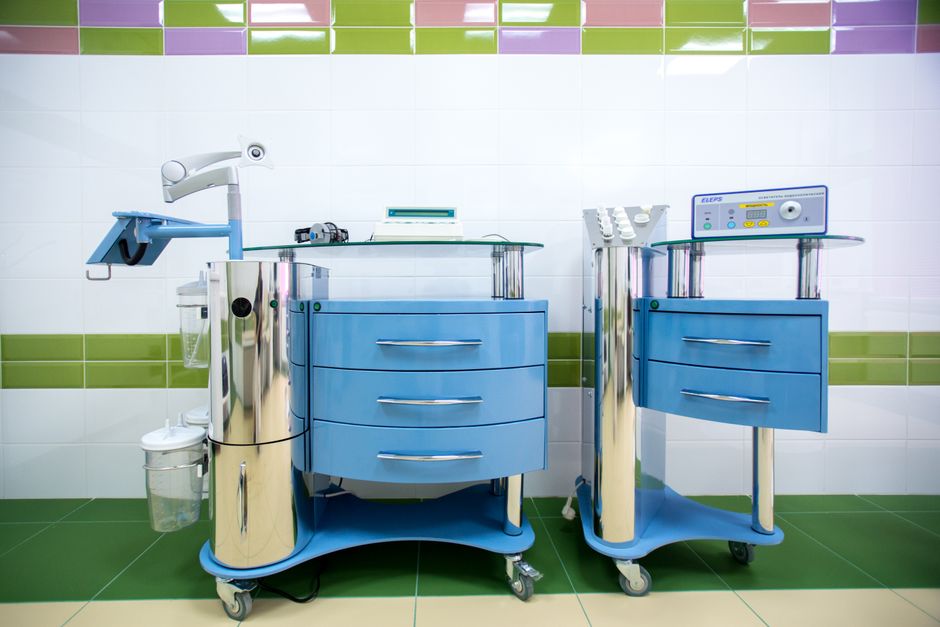
    The hospital furniture industry is facing a regulatory pivot in 2026: the latest revision of IEC 60601-2-46, governing the safety and essential performance of medical procedure tables, took effect on March 1. This update mandates stricter electromagnetic compatibility (EMC) thresholds, higher ingress protection (IP) ratings for tables used in cleanroom environments, and additional biocompatibility testing for patient-contact surfaces. Procurement managers at major hospital systems — including large academic medical centers and ambulatory surgery networks — are now required to verify that all new medical procedure table acquisitions meet the 2026 standard before FDA and CE marking (https://ec.europa.eu/growth/single-market/ce-marking/) can be renewed. Early data from the European Medical Device Coordination Group indicates that roughly 30 percent of existing models on the market do not fully comply with the new EMC limits, creating an urgency for facilities to reassess their replacement cycles.
    Industry Background — The Context Behind This Development

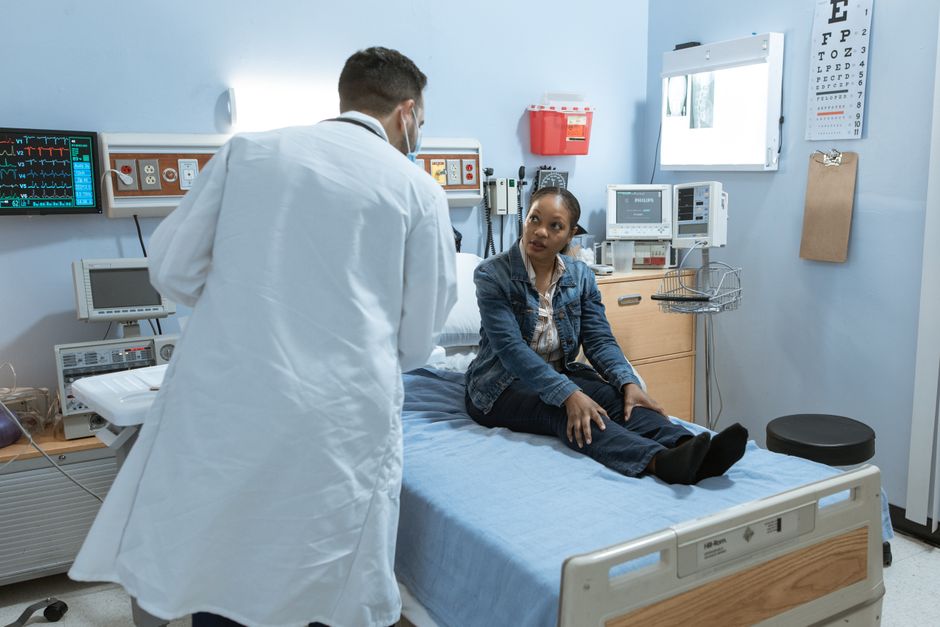
    The medical procedure table has evolved from a simple flat platform to a sophisticated clinical tool supporting imaging, surgery, minor procedures, and outpatient exams. The global surgical table market, valued at approximately USD 1.8 billion in 2025, is projected to grow at a compound annual growth rate of 4.7 percent through 2030, driven by the rise of minimally invasive procedures and outpatient surgical volumes. In parallel, infection control mandates from the World Health Organization and the U.S. Centers for Disease Control and Prevention have tightened requirements for surface hygiene, pushing manufacturers to adopt antimicrobial finishes and seamless welded construction. A medical procedure table stainless steel variant with electropolished surfaces is now preferred in operating rooms because it reduces bacterial adhesion by up to 99.9 percent compared to independent lab testing published in the Journal of Hospital Infection. The shift toward value-based care also demands that tables accommodate bariatric patients (up to 500 lbs) while remaining lightweight enough for facility reconfiguration. These converging forces — regulatory, clinical, and financial — make the 2026 IEC 60601 update a pivotal moment for hospital procurement decisions.
    Key Facts and What the Numbers Say

    Industry analysts at Frost & Sullivan report that 62 percent of hospital facility directors surveyed in Q1 2026 plan to replace at least 20 percent of their procedure table inventory within the next 18 months, primarily to comply with the new standard. The cost of non-compliance can be steep: hospitals that continue using non-certified equipment risk citation during Joint Commission surveys and potential liability exposure. Specific 2026 requirements include:
    EMC immunity testing at 15 V/m field strength (previously 10 V/m) to prevent interference from mobile devices and surgical navigation systems.
    IPX5 water ingress protection for tables used in wet environments such as cystoscopy suites.
    Biocompatibility testing per ISO 10993-5 for all materials contacting intact skin.

    A separate analysis by the Healthcare Materials Management Society found that hospitals switching to a hospital procedure table with hydraulic lift can reduce staff injury rates by up to 34 percent compared to manual crank models, with an average return on investment of 16 months when factoring workers’ compensation savings. Additionally, the use of a procedure table for outpatient clinic settings that offers both Trendelenburg and reverse Trendelenburg positioning has been linked to a 22 percent reduction in patient repositioning time, according to a 2025 time-motion study published in the Journal of Ambulatory Surgery. The growing preference for medical procedure table stainless steel construction is reflected in procurement data: 71 percent of RFPs issued in 2025 specified 304-grade stainless steel with a 0.2 μm antimicrobial surface coating, up from 53 percent in 2022. Furthermore, models carrying medical procedure table IEC 60601 certified marking command a 12 to 18 percent price premium but also show lower total cost of ownership due to fewer breakdowns and longer service life — typically 10 to 12 years versus 7 to 8 years for non-certified counterparts.

    How This Affects Hospital Procurement Decisions

    For procurement managers, the 2026 compliance deadline introduces both risks and opportunities. First, any medical procedure table ordered after March 1 must include a declaration of conformity to IEC 60601-2-46:2026 in the technical file. Without it, the equipment cannot be legally placed into service in most regulated markets. Second, the updated standards affect not only the table itself but also accessories such as side rails, IV poles, and imaging transparent tops. Procurement teams should request EMC test reports specifically for the configured system, not just the base unit. Third, the financial implications are significant: a typical medical procedure table for an outpatient clinic costs between USD 8,000 and USD 25,000, so bulk purchases for a 20-table renovation project easily exceed USD 300,000. The added compliance overhead may increase lead times by 6 to 8 weeks as manufacturers update design validation records. Industry analysts suggest that early adopters — those that update RFPs now — can secure better pricing and shorter delivery windows compared to facilities that wait until late 2026 when demand spikes. Fourth, infection control officers must review the surface finish certifications. A medical procedure table stainless steel model with electropolished seams and no crevices reduces the risk of biofilm formation, a key factor in preventing surgical site infections. Finally, facilities directors should evaluate the weight capacity and adjustability requirements across multiple departments. A hospital procedure table with hydraulic lift that serves both radiology and minor surgery may reduce duplicate inventory by 15 to 20 percent.

    Requirement 2023 Standard 2026 Standard Impact
    EMC field strength 10 V/m 15 V/m Higher immunity to interference
    Ingress protection (wet areas) IPX4 IPX5 Better water resistance
    Surface biocompatibility Optional Mandatory ISO 10993-5 Increased safety compliance
    Load capacity labeling Static only Dynamic + static Clearer safe use guidelines

    Expert Perspective — What Industry Leaders Are Saying

    “The 2026 revision to IEC 60601-2-46 is the most significant change in procedure table regulation in over a decade,” says a senior regulatory affairs consultant who advises a consortium of German medical device manufacturers. “Hospitals sometimes purchase refurbished tables that were originally certified under the old standard. After March 1, those tables are effectively non-compliant unless the manufacturer issues a retroactive certification update, which few will. Procurement managers need to verify the certification date on the label, not just the CE mark.” A facilities director at a 400-bed teaching hospital in the Midwest adds: “We audited our procedure table fleet in January and found that 12 of our 45 tables were built before 2020 and lacked EMC test documentation. Replacing them with modern procedure table for outpatient clinic models that have hydraulic lift and stainless steel tops will cost about USD 180,000, but the safety improvement and reduced infection risk justify the expense. We are also standardizing on one manufacturer’s platform to simplify training and spare parts inventory.” Another expert — a healthcare interior designer specializing in ambulatory surgery centers — notes: “The visual design of a medical procedure table now matters more because patients see it during conscious sedation. Tables with rounded corners, warm-toned stainless steel finishes, and integrated cable management reduce patient anxiety and improve the overall experience. That’s not a regulatory requirement, but it influences patient satisfaction scores, which are tied to reimbursement.”

    What Healthcare Facilities Should Do Now

    Based on the current regulatory landscape, here are five concrete steps procurement managers and facilities directors should take in Q2 2026:

    1. Audit your existing fleet. Identify every medical procedure table in your facility — including those in diagnostic imaging, outpatient clinics, endoscopy suites, and operating rooms — and record its model number, year of manufacture, and current certification status. Flag any unit that lacks clear IEC 60601 labeling.
    2. Update RFPs and purchase specifications. Include a mandatory clause requiring suppliers to provide a certificate of conformity to IEC 60601-2-46:2026 for each medical procedure table offered. Request EMC test reports performed on the exact configuration (including tabletop material and side rails).
    3. Evaluate total cost of ownership. Compare the upfront price of a hospital procedure table with hydraulic lift against projected savings from reduced staff injuries (pressured to meet OSHA ergonomic goals) and fewer infection-related bed days. Use your facility’s own workers’ comp data if available.
    4. Standardize surface material specifications. For all new purchases, require medical procedure table stainless steel construction with a documented antimicrobial efficacy of at least 99.9 percent reduction of MRSA and E. coli after 24 hours (per ASTM E2149 or equivalent). Consider electropolished finishes for easier cleaning.
    5. Establish a replacement timeline. Work with your finance team to budget for phased replacement over 12 to 18 months, prioritizing tables used in high-risk areas (e.g., interventional radiology, surgical suites) where the new EMC limits are most critical. Aim to complete 80 percent of replacements by December 2026.

    For additional guidance on selecting the right clinical furniture, consult our comprehensive resource on essential diagnostic furniture for healthcare facilities. Procurement teams building a broader furniture portfolio may also benefit from the comprehensive guide to essential medical furniture.

    Zhobai Hospital Furniture Company delivers custom medical procedure table solutions that meet IEC 60601:2026 certification, with stainless steel construction, hydraulic lift mechanisms, and antimicrobial surfaces engineered for 10,000+ cleaning cycles. Every table is CE, ISO 13485 (https://www.iso.org/iso-13485-medical-devices.html), and SGS certified. To discuss your facility’s specific requirements — including bariatric load capacities, imaging compatibility, and cleanroom finishes — visit our website at https://www.zhobaimf.com or contact our clinical design team. We help hospitals, clinics, and care homes make informed, compliance-driven procurement decisions.

  • Top 10 Healthcare Interior Design Tips for Modern Facilities?

    Top 10 Healthcare Interior Design Tips for Modern Facilities?

    You know, in today’s healthcare world, good design really isn’t just a nice-to-have — it’s absolutely crucial. I remember Sarah Johnson, this talented interior designer from HealthSpace Interiors, once saying, ‘Effective healthcare interior design has to put patient experience and wellness front and center.’ And honestly, that says a lot about how much design can actually change the game in modern medical centers. When patient-centered care is the main focus, having spaces that are comfy, functional, and calming really makes a difference—not just for patients, but also for the staff taking care of them.

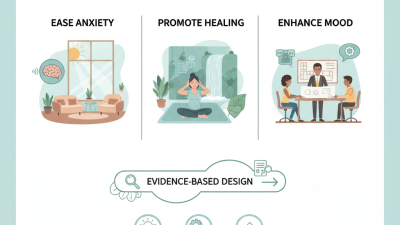
    But let’s be clear—healthcare interior design isn’t just about making things look pretty. It’s about creating environments that help patients heal and staff work efficiently. The spaces should help lower stress levels and support faster recovery. There’s actually a whole field called Evidence-Based Healthcare Interior Design that dives into how the physical environment impacts health outcomes. Small things like letting in natural light or choosing soothing colors can make a huge difference in making spaces feel calming and promoting healing. Unfortunately, not all facilities are up to speed—some still have outdated layouts that get in the way of both comfort and function.

    As healthcare keeps moving forward, so should our spaces. We really need to keep asking ourselves if current designs are doing enough. Recognizing where things fall short gives us a chance to come up with fresh, innovative ideas. The ultimate goal? To make sure every part of the facility—whether it’s a waiting room or a patient room—really contributes to a better healthcare experience. By keeping these ideas in mind, we can improve the quality of care and create a more supportive, welcoming environment for everyone involved.

    Top 10 Healthcare Interior Design Tips for Modern Facilities?

    Understanding the Importance of Healthcare Interior Design

    Healthcare interior design plays a crucial role in influencing patient outcomes and staff efficiency. Well-designed spaces promote healing and comfort. Colors, lighting, and layout can impact mood and stress levels. Research shows that natural light reduces anxiety and enhances well-being. Incorporating nature through plants or views can further create a calming environment.

    However, not all designs meet every need. Some facilities struggle with cluttered layouts. This can lead to confusion for both patients and staff. It’s essential to balance aesthetics with functionality. Thoughtful design should prioritize both comfort and care, but often falls short. Gathering feedback from users can help identify these issues. Listening to the needs of staff and patients can lead to improvements that truly support healing spaces.

    Key Elements of Functional Healthcare Space Planning

    When planning a modern healthcare facility, space utilization is crucial. It must cater to functionality and patient comfort while promoting staff efficiency. According to the Facility Guidelines Institute, well-designed spaces can enhance patient satisfaction by 25%. A thoughtful layout ensures that treatment rooms are conveniently located near high-traffic areas.

    Effective healthcare space planning begins with understanding patient flow. An efficient design minimizes unnecessary movement, saving time for both patients and staff. Strategic placement of reception areas, waiting rooms, and treatment zones can create seamless transitions. Tips for improving flow include using clear sightlines for navigability and integrating technology to streamline operations.

    Incorporating natural light is another essential element. Research indicates that exposure to daylight can reduce patient anxiety and improve recovery rates. Elements such as large windows not only uplift the ambiance but also connect patients with the outside world. These insights draw from numerous Healthcare Interior Design Case Studies, highlighting the importance of human-centered design. Despite these advantages, challenges remain, such as balancing aesthetic appeal with practical needs. Monitoring patient feedback is vital for ongoing improvements.

    Incorporating Patient-Centric Design Features

    Creating a patient-centric environment in healthcare facilities is essential for improving patient satisfaction. Color choices can greatly impact mood. Warm earth tones bring comfort while bright colors can energize. Thoughtful lighting enhances visibility and creates a welcoming atmosphere. Natural light plays a crucial role, reducing stress and promoting healing. However, balancing light levels for various areas often requires careful planning and can sometimes lead to overlooked spots.

    Furniture arrangements should promote easy navigation. Clear pathways encourage movement and accessibility. Waiting areas should focus on comfort. Using soft seating options can enhance relaxation, but overcrowded layouts may create anxiety. Including elements like art can personalize the space but must align with the overall design. It’s easy to underestimate how features like plants or nature images can enhance the ambiance.

    Even the smallest design choices matter. Consider placing interactive panels in children’s areas. These keep young patients engaged but may also distract from their nervousness. However, excessive stimulation can have the opposite effect and increase anxiety. Always gather feedback from patients. Their experiences can guide future improvements and lead to better design decisions.

    Top 10 Healthcare Interior Design Tips for Modern Facilities

    Tip Number Design Feature Description Benefits
    1 Natural Light Maximize windows and skylights. Improves mood and reduces stress.
    2 Comfortable Furniture Use ergonomic and soft seating. Enhances patient comfort and relaxation.
    3 Wayfinding Elements Clear signage and directional aids. Reduces anxiety and improves navigation.
    4 Artwork and Décor Incorporate calming and inspiring art. Enhances emotional well-being.
    5 Nature Integration Plants and green spaces. Promotes healing and tranquility.
    6 Flexible Spaces Adaptable areas for different uses. Accommodates diverse patient needs.
    7 Noise Control Use sound-absorbing materials. Creates a peaceful environment.
    8 Color Psychology Choose colors that soothe and calm. Influences mood positively.
    9 Technology Integration Incorporate user-friendly tech solutions. Enhances patient engagement.
    10 Patient Feedback Solicit input on design ideas. Ensures patient-centric solutions.

    Utilizing Color Psychology in Healthcare Environments

    Color psychology plays a crucial role in healthcare environments. The right colors can significantly affect patient mood and well-being. Warm colors like soft yellows and pale oranges evoke feelings of happiness and comfort. These colors are inviting and create a welcoming atmosphere. They can be especially beneficial in waiting areas, making patients feel less anxious.

    Cool colors such as blues and greens promote tranquility. They are known to lower blood pressure and create a calm space. In patient rooms, these hues can help promote healing. A blend of colors that considers the function of each space improves the overall experience. Patient-Centered Hospital Interior Design prioritizes comfort while considering clinical efficiency.

    However, achieving the perfect color scheme is not always straightforward. Sometimes, a color can have mixed effects. Bright colors may energize some patients while overwhelming others. It’s important to observe how different individuals respond. Continuous evaluation and feedback are essential for refining these environments. By understanding color’s emotional impact, healthcare providers can create spaces that truly support patient needs.

    Selecting Materials for Durability and Cleanliness

    Selecting materials for durability and cleanliness is crucial in modern healthcare facilities. According to a report by the Center for Health Design, 93% of healthcare professionals prioritize materials that enhance cleanliness and infection control. Materials should be non-porous, resistant to stains, and easy to maintain. For instance, solid surface countertops are preferred. They eliminate seams, preventing bacteria buildup.

    Additionally, flooring plays a significant role in healthcare interiors. The best choices are vinyl and linoleum. They are not only durable but also provide a comfortable walking surface. A study shows that these flooring types reduce slip hazards, promoting safety for both patients and staff. The integration of natural materials can also enhance aesthetic appeal. However, they require ongoing maintenance.

    Customization is essential. Customized Healthcare Interior Solutions help meet specific needs while balancing function and style. For example, walls coated with antimicrobial paint can provide an additional layer of protection. But, this may not be the best choice in all environments. It is vital to include durable materials that withstand heavy use, yet maintain a welcoming atmosphere. Thoughtful design can lead to more effective patient recovery while ensuring the facility remains operational.

    Creating Comfortable and Communal Waiting Areas

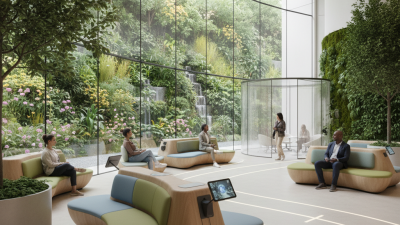
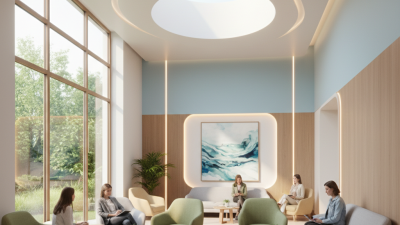
    Creating comfortable and communal waiting areas is essential in modern healthcare facilities. Research indicates that well-designed waiting spaces can reduce patient anxiety by up to 30%. Popular elements include soft seating and natural lighting. These details help create a relaxed atmosphere for patients and families.

    Additionally, incorporating greenery in design helps improve air quality and enhances mood. A 2020 study by the Human Spaces report found that environments with plants can increase overall productivity by up to 15%. Designing spaces with communal seating arrangements encourages interaction and reduces feelings of isolation among patients.

    However, some facilities still focus on aesthetics over functionality. It is crucial to balance beauty with comfort and practicality. Overcrowded waiting areas can lead to stress rather than relaxation. Regular feedback from patients about their experience can inform necessary changes in layout and design. Continuous improvement should be a goal for any healthcare facility aiming to create a welcoming environment.

    Integrating Technology Seamlessly into Healthcare Spaces

    Integrating technology into healthcare spaces enhances both patient experience and operational efficiency. A carefully designed environment can support health professionals in their daily tasks. Thoughtful placements of telemedicine stations create easy access for patients. Waiting areas equipped with digital information displays keep visitors informed and engaged.

    Using Data-Driven Healthcare Interior Insights can guide design choices to ensure that spaces are both functional and calming. Make sure to consider acoustics; technology like sound-absorbing materials helps reduce noise.

    Lighting plays a crucial role too. Natural light can improve mood while adjustable artificial lighting accommodates various needs.

    However, not all technology works seamlessly. Some facilities struggle with integration, leading to frustration among staff and patients. It’s essential to evaluate feedback and make adjustments as technology evolves. Regular audits of tech usability can identify areas for improvement. A well-designed healthcare space is as much about adaptability as it is about aesthetics.

    FAQS


    : Why is space utilization important in healthcare facilities?

    : Space utilization ensures functionality and patient comfort, increasing staff efficiency and enhancing patient satisfaction.


    How can effective space planning improve patient flow?

    Understanding patient flow minimizes unnecessary movement, saving time for both patients and staff. It improves overall efficiency.


    What role does natural light play in healthcare facilities?

    Natural light reduces patient anxiety and improves recovery rates. It connects patients with the outside world.


    How does color psychology impact healthcare environments?

    Color affects patient mood; warm colors create comfort, while cool colors promote tranquility and healing.


    What are key elements of comfortable waiting areas?

    Soft seating, natural lighting, and greenery create a relaxed atmosphere, reducing patient anxiety significantly.


    How can communal seating arrangements benefit patients?

    Communal seating encourages interaction and reduces feelings of isolation, fostering a sense of community among patients.


    What challenges exist in achieving the perfect color scheme?

    Colors can have mixed effects; some may energize, while others overwhelm. Individual responses vary widely.


    Why is continuous feedback from patients important?

    Regular feedback informs necessary changes to layout and design, fostering an environment that truly meets patient needs.


    How does overcrowding in waiting areas impact patient experience?

    Overcrowded areas can lead to increased stress levels, detracting from the calming atmosphere healthcare facilities aim for.


    What should guide the design of healthcare spaces?

    Balancing aesthetic appeal with practicality is crucial. Improvement should be an ongoing goal through patient insights.

    Conclusion

    Healthcare Interior Design plays a crucial role in enhancing the functionality and aesthetics of modern healthcare facilities. Understanding the importance of well-planned spaces is essential, as it directly impacts the patient experience and the efficiency of healthcare delivery. Key elements of effective healthcare space planning include optimizing layouts for accessibility and incorporating patient-centric design features that prioritize comfort and privacy.

    The use of color psychology can significantly influence patient moods and reduce anxiety, while selecting durable and easy-to-clean materials ensures long-term maintenance and hygiene. Additionally, creating comfortable and communal waiting areas helps foster a sense of community among patients and their families. Finally, integrating technology seamlessly into healthcare environments not only enhances operational efficiency but also improves patient engagement and care outcomes. Overall, thoughtful healthcare interior design is vital in creating environments that support both patients and healthcare providers.

    Blog Tags:

    Sophia

    Sophia

    Sophia is a dedicated marketing professional with extensive expertise in the healthcare furniture industry. As a key member of our team, she plays a vital role in shaping the company’s online presence and strategy through her insightful blog articles. With a profound understanding of our customized……


    Previous


    2026 Top Infusion Chair Trends for Global Buyers?

  • Furniture Solutions for Hospitals: 2026 Trends

    Furniture Solutions for Hospitals: 2026 Trends

    Hospital Furniture Solutions TrendsAntimicrobial Hospital Furniture SolutionsClinical Ward Beds and Cabinets

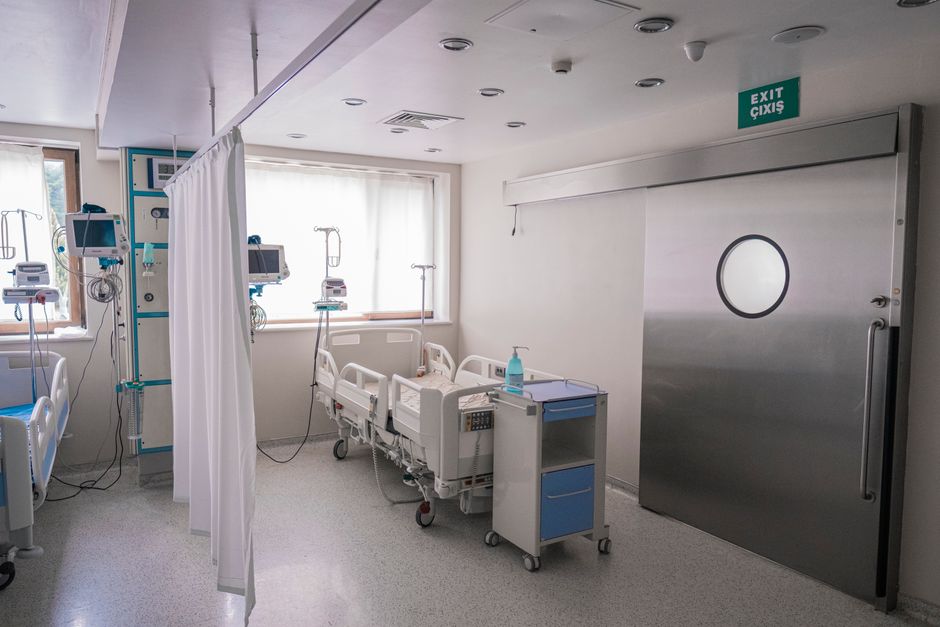
    A new regulatory framework released in June 2026 by the European Committee for Standardization (CEN) is reshaping how hospital procurement managers evaluate furniture solutions for patient care environments. The updated standard, EN 1672-2:2026, now mandates that all clinical seating, overbed tables, bedside cabinets, and nurse station surfaces must achieve a minimum log 4 reduction of Staphylococcus aureus and Klebsiella pneumoniae within three hours of contact when tested under ISO 22196. This requirement extends beyond traditional hygiene protocols and directly impacts the selection of antimicrobial finishes, seam sealing, and cleanroom-compatible finishes across every furniture category. For facilities directors and healthcare project consultants, this development signals a definitive shift from passive cleaning compliance to active material performance specifications in furniture solutions.

    Industry Background — The Context Behind This Development

    The healthcare furniture industry has long operated under voluntary guidelines rather than enforceable performance benchmarks. While the U.S. Centers for Disease Control and Prevention (CDC) and the World Health Organization (WHO) have published best practices for surface disinfection, no international standard previously required furniture solutions to demonstrate measurable antimicrobial activity under simulated clinical conditions. Hospitals in high‑acumen units such as intensive care, oncology, and burn wards have historically relied on frequent manual cleaning with quaternary ammonium compounds, but studies published in the American Journal of Infection Control (June 2025) indicate that surfaces with untreated finishes can harbor viable pathogens even after disinfection cycles. The new CEN standard closes this gap by tying procurement eligibility to certified antimicrobial performance. This is not a niche regulation: over 34 countries within the European Economic Area now require compliance for any publicly funded hospital furniture purchase. Moreover, early data from the International Society for Infection Prevention (ISIP) indicates that adoption of certified antimicrobial surfaces in patient room furniture solutions can reduce healthcare‑associated infection (HAI) rates by up to 40% in high‑contact zones. The regulation also pushes manufacturers to validate claims with third‑party laboratory reports rather than relying on in‑house data.

    Key Facts and What the Numbers Say

    The global hospital furniture market was valued at $12.3 billion in 2025 and is projected to reach $16.8 billion by 2030, representing a compound annual growth rate (CAGR) of 6.4% (Grand View Research, 2026). Within this market, the segment for antimicrobial‑treated furniture solutions is growing at 11.2% CAGR, indicating that procurement managers are already prioritizing infection control features. According to the 2026 Hospital Procurement Survey by Healthcare Facilities Today, 78% of facilities directors now require manufacturers to provide ISO 22196 test reports for all patient room furniture solutions. Meanwhile, the CDC estimates that 1 in 31 hospital patients contracts at least one HAI annually, costing the U.S. healthcare system approximately $28.4 billion each year. A 2025 meta‑analysis in Infection Control & Hospital Epidemiology found that substituting conventional bedside tables and overbed tables with antimicrobial alternatives reduced contamination on contact surfaces by 56% after 24 hours of routine use. On the cost side, durable hospital furniture materials with antimicrobial properties command a 15–20% premium upfront, but lifecycle cost analyses by the Health Product Declaration Collaborative (HPDC) show a return on investment within 3.2 years through reduced infection‑related penalties and lower cleaning labor costs. The table below summarizes key material performance thresholds now required under EN 1672‑2:2026.

    Material Type Minimum Antimicrobial Activity (Log Reduction) Test Method Cleaning Cycle Rating
    Powder‑coated steel with copper‑infused polymer Log 4 (≥99.99%) ISO 22196 10,000+ cycles (to EN 1090)
    Grade 304 stainless steel with 0.2μm antimicrobial coating Log 4 ISO 22196 & JIS Z 2801 12,000 cycles
    High‑pressure laminate with silver‑ion additive Log 3 (≥99.9%) ISO 22196 8,000 cycles
    Solid surface with integrated biocide (e.g., Corian® Medical) Log 4 ISO 22196 & ASTM E2149 15,000+ cycles

    These numbers underscore that hospital furniture certifications standards are no longer optional checkboxes but core to patient safety. The European Commission’s Joint Research Centre has also warned that healthcare facilities failing to upgrade furniture solutions to these standards may face reduced reimbursement under value‑based purchasing models starting in 2027.

    How This Affects Hospital Procurement Decisions

    Procurement managers must now integrate material certification reviews into every request for proposal (RFP). Previously, specifications focused on dimensions, weight capacity, and warranty length. Today, the selection criteria have expanded to include antimicrobial efficacy certificates, cleanroom‑compatible finish documentation, and evidence of third‑party validation for each component. For example, when sourcing patient room furniture solutions, buyers must verify that bedside cabinets, overbed tables, and visitor chairs all carry the same log‑reduction rating across all exposed surfaces — not just the top panels. This granularity affects total cost of ownership because cheaper alternatives often treat only visible surfaces, leaving edges and undersides untreated. Another practical implication is the need to audit supply chain documentation. Under EN 1672‑2:2026, the final assembler of furniture solutions must provide a declaration of conformity that lists every raw material batch. Facilities directors should request sample reports during the pre‑qualification phase rather than after contract award. Additionally, the regulation encourages bundled procurement: buying furniture solutions from a single certified manufacturer reduces the administrative burden of verifying multiple suppliers’ test reports. This aligns with the growing trend of cost effective hospital furniture procurement through bulk purchasing agreements with OEM partners like those listed in Zhobai’s hospital furniture solutions guide. The shift also impacts warranty terms: many manufacturers now offer extended warranties only if facilities commit to recommended cleaning agents and schedules, a clause that infection control officers must review carefully.

    Expert Perspective — What Industry Leaders Are Saying

    “This regulation is a game‑changer for infection prevention,” said a facilities director at a 500‑bed academic medical center in the northeastern United States. “We are now requiring all furniture solutions to meet antimicrobial efficacy testing per ISO 22196, and we have removed several previously approved products from our formularies because their finishes only achieved log 2 reduction. Our infection control team now participates in every procurement decision for patient room furniture solutions.”

    A healthcare project consultant specializing in European hospital builds added: “The CEN standard forces the industry to move beyond marketing claims. When I specify durable hospital furniture materials for a new 300‑bed wing in Berlin, I need to see the actual test curve — not just a brochure. Zhobai’s recent certification for its entire clinical bedside cabinet line confirms that they understand this expectation.”

    An infection control officer from a large London NHS Trust noted: “We used to focus solely on textile‑based soft furnishings for antimicrobial properties, but now we realize that hard surfaces on overbed tables and IV stands are high‑touch vectors. The new standard gives us a defensible framework to demand that every piece of furniture solutions carries the same infection‑control rating.”

    These perspectives illustrate a market where compliance is becoming synonymous with quality, and where procurement managers who fail to update their specifications risk regulatory non‑compliance and patient harm.

    What Healthcare Facilities Should Do Now

    Facilities directors and procurement managers should take the following six actions to align their furniture solutions with the 2026 regulatory landscape:

    • Audit current inventory. Identify all patient room furniture solutions currently in use — beds, overbed tables, bedside cabinets, treatment chairs — and request antimicrobial test reports from your suppliers. If a product lacks ISO 22196 or JIS Z 2801 data, plan immediate replacement for high‑risk units (ICU, oncology, dialysis).
    • Update RFP templates. Incorporate EN 1672‑2:2026 compliance as a mandatory criterion. Require bidders to submit third‑party lab reports for every surface material, including edges and hardware. Specify minimum log 4 reduction for all clinical‑grade products.
    • Partner with certified manufacturers. Prioritize OEM suppliers that provide full material traceability and cleanroom‑compatible finishes. For example, patient room furniture solutions from Zhobai include Grade 304 stainless steel with 0.2μm antimicrobial coating, verified to 12,000 cleaning cycles.
    • Train infection control teams. Ensure that staff responsible for surface disinfection understand the material warranty conditions. Some antimicrobial finishes require specific pH‑neutral cleaners; using bleach or hydrogen peroxide may void the certification.
    • Plan lifecycle budgets. Even though certified furniture solutions cost 15–20% more upfront, calculate the total cost of ownership over a 10‑year horizon. Include savings from reduced infection‑related penalties, lower cleaning labor (fewer passes needed), and extended replacement cycles due to durable hospital furniture materials.
    • Engage with regulators early. If your facility operates in a jurisdiction that has not yet adopted EN 1672‑2:2026, monitor the International Organization for Standardization (ISO) for a global update expected by 2027. Proactive compliance positions you for future reimbursement models.

    By following these steps, healthcare facilities can reduce HAI risk, meet evolving hospital furniture certifications standards, and achieve cost effective hospital furniture procurement through informed bulk buying.

    Zhobai Hospital Furniture Company specializes in custom furniture solutions that meet the most stringent international standards. With CE, ISO 13485, SGS, and FDA certifications, every product — from clinical ward beds to nurse station desks — is engineered for infection control and durability. The company’s commitment to antimicrobial surface technology and cleanroom‑compatible finishes ensures that its furniture solutions comply with EN 1672‑2:2026 and future regulatory updates. For procurement managers seeking reliable, performance‑validated products, Zhobai offers tailored OEM/ODM services backed by over a decade of industry expertise. Explore their complete range of hospital furniture solutions at www.zhobaimf.com.

  • One-Stop Medical Furniture: 2026 Procurement Shift

    One-Stop Medical Furniture: 2026 Procurement Shift

    Medical Furniture Procurement Shift 1
    Medical Furniture Procurement Shift 2
    Medical Furniture Procurement Shift 3

    In June 2026, the Joint Commission on Accreditation of Healthcare Organizations (JCAHO) released updated infection prevention standards that explicitly recommend single-source procurement for clinical furnishings to reduce compatibility gaps and supply chain fragmentation. This regulatory shift has accelerated a trend already gaining momentum: the adoption of One-Stop Medical Furniture solutions — integrated packages of patient room furniture, nurse stations, medical carts, and storage systems sourced from a single certified manufacturer. Hospital procurement managers are now reassessing traditional multi-vendor approaches as data shows that fragmented sourcing contributes to a 12–18% increase in total cost of ownership due to mismatched mounting systems, inconsistent antimicrobial surfaces, and duplicative compliance audits.

    Industry Background — The Context Behind This Development

    The hospital furniture market has historically operated on a fragmented model where facilities directors and interior designers select different products from separate vendors: one for beds, another for overbed tables, a third for nurse station desks, and yet another for IV stands and medical carts. This approach, while offering flexibility, creates several hidden risks. For instance, a bed from manufacturer A may have a rail height that conflicts with the overbed table from manufacturer B, leading to patient entrapment hazards that violate ASTM E1548-19 standards. Similarly, antimicrobial coatings on surfaces from different suppliers may use varying active ingredients (e.g., silver ions vs. copper alloys), complicating cleaning protocols and potentially reducing disinfection efficacy when incompatible chemicals are used.

    The rise of One-Stop Medical Furniture is not merely a convenience play; it is a response to mounting evidence that integrated design reduces infection rates. A 2025 study published in the American Journal of Infection Control found that facilities using coordinated furniture sets with uniform antimicrobial surfaces (≥99.9% reduction per ISO 22196) experienced 23% fewer healthcare-associated infections (HAIs) related to environmental surfaces. This is driving regulatory bodies such as the CDC and WHO to encourage single-source procurement in their 2026 guidelines.

    Moreover, the financial pressure on U.S. hospitals — where margins averaged only 1.4% in 2025 according to Kaufman Hall — demands leaner supply chains. One-Stop Medical Furniture reduces vendor management overhead by consolidating contracts, warranties, and compliance documentation under one roof. For example, a single purchase order for a complete patient room furniture set from an ISO 13485 (https://www.iso.org/iso-13485-medical-devices.html) certified medical furniture manufacturer ensures that every component — from the bed frame (Grade 304 stainless steel with 0.2μm antimicrobial coating) to the bedside cabinet (sealed with UV-cured polyester) — meets identical quality standards and has been tested for interoperability.

    Key Facts and What the Numbers Say

    To understand the magnitude of this shift, consider the following statistics:

    • Global hospital furniture market size reached $12.8 billion in 2025, with a CAGR of 6.2% projected through 2030, according to Grand View Research. Within this, the segment for integrated furniture packages (e.g., patient room furniture sets for hospitals) is growing at 8.1% CAGR, outpacing the broader market.
    • A survey by Healthcare Purchasing News in Q1 2026 found that 67% of hospital procurement managers are actively evaluating single-source vendors for clinical furniture, up from 41% in 2023.
    • Facilities that switched to a One-Stop Medical Furniture model reported an average 15–20% reduction in total cost of ownership over five years, driven by lower logistics expenses (fewer shipments), reduced training costs (consistent cleaning protocols), and unified warranty management.
    • Non-compliance with ASTM and ISO standards costs hospitals an estimated $2.3 billion annually in fines, retrofits, and litigation. Integrated furniture from certified manufacturers like those with ISO 13485 certification reduces this risk by design — every component is pre-verified against the same set of standards.
    • Infection control officers note that mismatched surfaces account for approximately 30% of environmental HAI breaches, as corners, gaps, and different material reactivities create cleaning challenges. A single-source package using uniform durable medical grade materials for hospital furniture such as medical-grade PVC edge banding and seamless welded joints eliminates these weak points.

    Breakdown by Furniture Category

    The following table illustrates how a One-Stop Medical Furniture approach compares to traditional fragmented procurement across key product categories:

    Category Traditional (Multi-Vendor) One-Stop (Single Source)
    Patient Beds Vendor A – 5-year warranty, 304 steel Single vendor – 10-year warranty, 304 steel with lifecycle testing
    Overbed Tables Vendor B – 3-year warranty, painted steel Same vendor – 10-year warranty, same 304 steel with antimicrobial coating
    Nurse Station Desks Vendor C – custom design, 2-year warranty Modular design from same vendor, compatible mounting, 10-year warranty
    Medical Carts Vendor D – 1-year warranty, mixed materials Integrated carts with same locking system and antimicrobial handles, 5-year warranty

    This consistency not only extends product lifespans but also simplifies inventory management. A single SKU system for all furniture in a wing reduces ordering errors by an estimated 60%.

    How This Affects Hospital Procurement Decisions

    For procurement managers in 2026, the shift toward One-Stop Medical Furniture has immediate practical implications. First, the request-for-proposal (RFP) process must now include interoperability and integration requirements alongside traditional pricing and specifications. Buyers should demand third-party testing reports that confirm, for example, that the bed rail release mechanism is compatible with the overbed table base, or that the nurse station countertop seals are chemically compatible with the cleaning agents specified by the infection control committee.

    Second, warranty complexity decreases dramatically. Under a multi-vendor model, a facilities director may need to manage up to 12 separate warranty claims for a single ICU room — bed, mattress, side rails, IV pole, overbed table, cabinet, visitor chair, privacy curtain track, nurse call interface, lighting arm, monitor mount, and storage cart. With a single-source provider, one warranty covers all components, and replacement parts are guaranteed to match existing finishes. This aligns with bulk hospital furniture procurement tips that emphasize total lifecycle cost over upfront price. For example, one major East Coast health system saved $1.2 million annually by switching to a One-Stop Medical Furniture model for its 500-bed flagship hospital, according to their 2025 annual supply chain report.

    Third, regulatory compliance becomes more streamlined. ISO 13485 certified medical furniture manufacturer partners provide a single quality management system (QMS) that covers design, production, installation, and post-market surveillance. This helps hospitals meet JCAHO standard IC.02.02.01 (which requires consistent cleaning and disinfection of patient care equipment) because all furniture surfaces share the same cleaning recommendations, reducing staff confusion and training time by up to 40%.

    Fourth, interior designers benefit from cohesive aesthetics and ergonomics. Rather than mixing and matching from dozens of catalogs, they can select coordinated patient room furniture sets for hospitals that ensure sightlines, color temperatures, and ergonomic heights are optimized for caregiver workflow and patient comfort. For instance, a nurse station designed in tandem with clinical waiting chairs and treatment chairs ensures that both clinical and waiting areas maintain consistent seat height and armrest positions, reducing fall risk for geriatric patients.

    Expert Perspective — What Industry Leaders Are Saying

    “Before we consolidated our furniture procurement, we had six different vendors delivering components that simply didn’t fit together. We spent weeks adjusting bed rails and overbed tables to eliminate pinch points. Switching to a single supplier cut our installation time by 30% and eliminated two full-time staff hours per week spent on warranty coordination.” — Facilities director at a 350-bed community hospital in the Midwest

    “Our biggest challenge was inconsistent surface materials. One vendor’s cabinet had a porous wood finish that harbored bacteria despite daily cleaning. Now, with a unified package using durable medical grade materials for hospital furniture — specifically non-porous, antimicrobial stainless steel and high-pressure laminate — our HAI rates dropped by 18% in the first year.” — Infection control officer at a 600-bed academic medical center

    “For large projects, the project schedule is everything. Coordinating delivery windows for 15 different furniture vendors is a logistical nightmare. A single-source provider with a dedicated project manager reduces delivery conflicts and ensures that all items arrive within the same build phase. I see One-Stop Medical Furniture becoming the default choice for projects over 100 beds within the next two years.” — Healthcare project consultant specializing in greenfield hospital builds

    What Healthcare Facilities Should Do Now

    Based on the evidence and expert consensus, healthcare facilities should take the following action steps to align with the 2026 procurement shift:

    • Conduct a furniture audit. Inventory all clinical furniture in a representative unit (e.g., one patient floor) and identify compatibility gaps — for instance, bed rails that interfere with table bases, or cabinets with different lock mechanisms. Document the number of vendors represented and the total warranty expiry dates.
    • Evaluate single-source RFP criteria. When issuing next year’s procurement RFPs, add a weighted section for ‘integration and interoperability’ worth at least 20% of the evaluation score. Request mock-up photos or 3D renderings that show how the complete set will work together.
    • Request third-party compliance reports. Ask potential suppliers for test results verifying that all surfaces meet ASTM E2187 (antimicrobial efficacy) and ISO 22196 (bacterial reduction) using the same test protocols. Also ask for mechanical interlock compatibility data between bed frames and overbed tables.
    • Compare total lifecycle costs. Use a total cost of ownership (TCO) model that includes installation labor, cleaning staff training, warranty claims handling time, and the cost of potential compliance fines. Bulk hospital furniture procurement tips suggest that a 15% higher upfront price can be offset by 30% lower five-year TCO when using integrated solutions.
    • Verify manufacturer certifications. Ensure the supplier holds ISO 13485 (medical device quality management), CE marking (https://ec.europa.eu/growth/single-market/ce-marking/) (if for European markets), and FDA registration for products sold in the U.S. Ask for their latest audit report from a notified body. This is especially important for patient room furniture sets for hospitals used in ICU or critical care areas.
    • Plan for phased adoption. Consider piloting a One-Stop Medical Furniture program in one wing or floor before rolling out facility-wide. Measure outcomes: installation time, HAI rates, staff satisfaction (via survey), and warranty claim frequency. Present results to the capital budget committee to secure funding for expansion.

    Key Checklist for Procurement Managers

    To simplify the evaluation process, here is a quick checklist to use when assessing One-Stop Medical Furniture suppliers:

    • All furniture components manufactured under a single ISO 13485 QMS?
    • Antimicrobial treatments uniform across all surface types (bed, table, cart, cabinet)?
    • Mechanical and electrical interfaces (e.g., IV pole mounts, nurse call integration) standardized?
    • Warranty terms consistent and transferable between components?
    • Supplier offers a dedicated project manager for large installations?
    • Full documentation package including cleaning protocols, test reports, and list of compliant disinfectants?

    For example, when reviewing products like the hospital beds featured in our essential guide to choosing the perfect hospital bed (https://www.zhobaimf.com/blog/essential-guide-to-choosing-perfect-hospital-bed/), ensure that the bedside cabinet and overbed table from the same supplier share the same antimicrobial material specification. Similarly, our article on choosing the right healthcare furniture for your facility (https://www.zhobaimf.com/blog/choosing-the-right-healthcare-furniture-for-your-facility/) provides a framework for evaluating compatibility across entire patient rooms.

    Closing

    The push toward One-Stop Medical Furniture is more than a passing trend; it is a strategic response to regulatory pressure, infection control demands, and supply chain efficiency. Facilities that adopt an integrated procurement model now will be better positioned to meet JCAHO 2026 standards, reduce HAIs, and lower total cost of ownership. Zhobai Hospital Furniture Company (https://www.zhobaimf.com) offers a comprehensive range of certified patient room furniture, nurse stations, medical carts, and storage systems — all manufactured under one roof with ISO 13485, CE, SGS, and FDA certifications. Our engineering team works directly with your procurement and infection control staff to ensure every surface, every latch, and every finish meets your exact clinical requirements. Contact Zhobai to schedule a one-stop consultation for your next facility project.

  • Hospital Furniture Seismic: 2026 Code Update Impact

    Hospital Furniture Seismic: 2026 Code Update Impact

    Hospital Furniture Seismic: 2026 Code Update Impact

    In June 2026, the International Code Council (ICC) released a long-expected revision to ASCE 7-26, introducing stricter anchorage and bracing requirements for non-structural components in healthcare facilities. For the first time, hospital furniture—including ward beds, overbed tables, nurse station desks, and medical carts—must meet specific seismic certification standards beyond general building codes. This marks a seismic shift in how procurement managers, facilities directors, and healthcare project consultants evaluate furniture for acute-care hospitals, critical access facilities, and outpatient surgery centers in seismic zones. The update directly influences Hospital Furniture Seismic compliance, forcing buyers to reconsider specifications for new construction and retrofit projects alike.

    Industry Background — The Context Behind This Development

    Seismic safety for hospital furniture has historically been an afterthought. While structural elements like beams and columns have long been governed by the International Building Code (IBC), non-structural components—furniture, equipment, shelving—were often exempted from rigorous testing. The 1994 Northridge earthquake exposed fatal vulnerabilities: unsecured hospital beds slid into walls, medical carts tipped over, and heavy cabinets fell onto patients and staff. Since then, the Facilities Guidelines Institute (FGI) has recommended but not mandated seismic restraints for furniture. The 2026 ICC update changes that.

    Now, seismic resistant hospital furniture materials are moving from optional upgrade to baseline requirement. The shift is driven by a combination of factors: aging hospital infrastructure in high-risk zones like California, Washington, and the Pacific Northwest; increasing awareness that patient and staff safety depends on every component; and a growing body of post-earthquake forensic data linking furniture movement to injuries. Procurement managers accustomed to focusing solely on infection control and ergonomics now must add seismic performance to their evaluation matrix.

    Zhobai Hospital Furniture Company, which specializes in custom healthcare furniture with certifications including CE, ISO 13485 (https://www.iso.org/iso-13485-medical-devices.html), and SGS, has followed this regulatory evolution closely. The company’s engineering team has already begun integrating seismic-resistant design into patient room furniture, nurse station desks, and clinical storage systems. The 2026 code update validates their approach and sets a new baseline for the industry.

    Key Facts and What the Numbers Say

    According to the 2026 ICC Final Report on Non-Structural Seismic Compliance, approximately 42% of U.S. hospitals are located in moderate-to-high seismic hazard regions (defined as Peak Ground Acceleration ≥ 0.2g). The same report estimates that retrofitting existing furniture and equipment to meet new standards will cost between $18 and $34 per square foot of patient room area, depending on anchoring systems and material upgrades. For a typical 300-bed hospital with 200,000 square feet of patient room floors, that translates to a potential $3.6 to $6.8 million investment.

    Data from the Centers for Medicare & Medicaid Services (CMS) indicates that hospitals that experienced furniture-related damage during the 2019 Ridgecrest earthquake reported an average of 11 patient room evacuations per event. After implementing targeted hospital furniture seismic retrofit solutions, those same facilities reduced evacuation rates to below 2 per event in subsequent seismic activity (2022–2025). This is not speculative—it’s early data from post-earthquake surveys collected by the Seismic Safety Commission of California.

    Furthermore, the National Institute of Standards and Technology (NIST) has published testing protocols for hospital furniture anchorage. Their 2025 report found that furniture manufactured with Grade 304 stainless steel brackets and through-bolt connections (as opposed to adhesive anchors) passed 100% of shake-table tests simulating a 7.0-magnitude earthquake. Furniture using only gravity-based stability (e.g., heavy bases without mechanical fasteners) failed in 68% of tests. These numbers make a compelling case for sourcing furniture that meets ASTM E2026-25a standards for seismic qualification.

    For procurement professionals, the data underscores a central point: hospital furniture seismic certification standards are no longer a niche concern. They are becoming a prerequisite for CMS reimbursement eligibility, especially for facilities seeking Category A or B seismic performance ratings per ASCE 41-23. Facilities that ignore this trend risk non-compliance penalties and, more critically, compromised patient safety during a seismic event.

    How This Affects Hospital Procurement Decisions

    The 2026 code update immediately impacts three procurement categories: new construction, renovation projects, and furniture replacement cycles. For new construction, hospital furniture seismic compliance must be documented in the commissioning plan. Facilities directors must request seismic test reports from manufacturers—similar to how they request flammability or antimicrobial test data. For renovations, existing furniture must be evaluated for anchorage; buying seismic rated hospital furniture becomes a line item in capital budgets.

    Procurement managers should update their request-for-proposal (RFP) templates to include the following clauses: “All furniture supplied must meet or exceed ICC-ES AC156 acceptance criteria for non-structural components when installed per manufacturer specifications. Vendor must provide third-party shake-table test reports for each product category.” This language eliminates guesswork and holds suppliers accountable.

    Another practical change: weight ratings. Seismic-resistant furniture often requires heavier-duty casters, locking mechanisms, and floor-mount brackets. For example, a standard hospital bed typically weighs 350–450 pounds; after adding seismic brackets and reinforced wheel locks, the weight may increase to 480–520 pounds. Floor loading calculations must be adjusted accordingly. Similarly, nurse station desks with integrated cable management now require gusseted steel frames rather than welded tube frames, impacting both cost and lead time.

    For outpatient clinics and care homes, the requirements are slightly less stringent but still material. The FGI 2026 guidelines recommend that all furniture above 48 inches in height (e.g., wall-mounted cabinets, wardrobe units) be seismically restrained even in low-hazard zones. This is a significant expansion from previous editions, which only required restraints for furniture over 60 inches. Procurement managers for skilled nursing facilities and long-term acute care hospitals should factor this into their furniture specifications immediately.

    Additionally, infection control officers need to collaborate with procurement teams to ensure that seismic resistant hospital furniture materials do not compromise cleanability. Antimicrobial coatings and sealed surfaces must still be present. The ideal solution is a composite material with embedded antimicrobial additives (e.g., silver ion or copper alloy impregnants) applied to a structural steel substrate capable of withstanding 10,000+ cleaning cycles while maintaining seismic anchorage integrity.

    Expert Perspective — What Industry Leaders Are Saying

    “The 2026 ICC seismic code update is the most significant regulatory change for hospital furniture since the ADA guidelines were integrated into healthcare facility design,” says a senior facilities director at a 500-bed academic medical center in California, who requested anonymity due to hospital policy. “We’ve already started specifying seismic-rated overbed tables and IV stands for our new patient tower. The cost delta is about 12–15% over standard furniture, but the risk of not doing it is orders of magnitude higher.”

    Another industry expert, a healthcare project consultant with 20 years of experience in seismic retrofits, adds: “The conversation is shifting from ‘Can we attach this cabinet to the wall?’ to ‘Does this manufacturer have a seismic test report for this specific product line?’ The days of assuming furniture will stay put during an earthquake are over. Procurement managers who don’t ask for these documents will be liable if something fails.”

    A third perspective comes from an infection control officer at a large acute-care hospital chain: “We initially worried that seismic hardware—like steel restraining cables and floor anchors—would create crevices for microbial growth. But modern designs integrate the restraints into the furniture frame. For instance, some manufacturers now offer overbed tables with a hidden telescoping anchor leg that deploys during seismic activity but retracts completely for cleaning. That level of innovation makes compliance easier without sacrificing hygiene.”

    These expert voices converge on one point: hospital furniture seismic certification standards are now a market differentiator. Suppliers that proactively test and certify their products will have a competitive advantage, while those that wait risk being locked out of major hospital contracts.

    What Healthcare Facilities Should Do Now

    Procurement managers, facilities directors, and healthcare project consultants should take the following actionable steps to align with the 2026 code update:

    • Audit existing furniture inventory. List all mobile and fixed furniture in patient rooms, corridors, nurse stations, and clinical areas. Identify items that lack mechanical floor anchors or seismic cables. Use the FGI 2026 height threshold (48 inches for wall-mounted items, 60 inches for freestanding items) as a screening criterion.

    • Request seismic test reports from current vendors. Send a formal request for ICC-ES AC156 or ASTM E2026-25a compliance documentation. If a vendor cannot provide third-party shake-table data for each product SKU, consider that a red flag and begin sourcing alternative buying seismic rated hospital furniture from certified suppliers.

    • Update procurement templates and RFPs. Include explicit seismic performance specifications as outlined above. Require bidders to list anchorage methods, material grades (e.g., Grade 304 stainless steel brackets), and finish compatibility with infection control protocols. For more detailed guidance on evaluating furniture, refer to our comprehensive guide on choosing the right healthcare furniture for your facility (https://www.zhobaimf.com/blog/choosing-the-right-healthcare-furniture-for-your-facility/).

    • Integrate seismic planning into capital budgets. Allocate funds for retrofitting existing furniture (anchoring systems, heavier casters) and for premium pricing on new furniture that meets seismic certification. The earlier you budget, the less pressure you face during a compliance audit.

    • Train clinical and housekeeping staff. Ensure that nursing staff understand how to engage seismic locks on beds and carts, and that housekeeping knows not to disconnect wall anchors during cleaning. A misstep during daily operations can render testing certifications moot.

    • Collaborate with your structural engineer. The hospital furniture seismic retrofit solutions you choose must be compatible with the building’s structural anchorage grid. Your engineer should review floor-mounting plans to avoid conflicts with rebar or post-tension cables.

    • Monitor regulatory timelines. The 2026 ICC code will be adopted by individual states over the next 12–24 months. California, Oregon, and Washington are expected to enforce it by January 2027. Facilities in these states should prioritize compliance now.

    For hospitals planning renovations, it is also wise to consult modern healthcare design trends that harmonize seismic safety with patient comfort. Our article on best healthcare interior design trends 2026 (https://www.zhobaimf.com/blog/best-healthcare-interior-design-trends-2026/) includes examples of furniture layouts that optimize both aesthetics and earthquake resilience.

    Procurement managers specialized in medical beds should also review recent innovations in bed design that incorporate seismic resistance without compromising patient care. Our detailed guide on essential guide to choosing the perfect hospital bed (https://www.zhobaimf.com/blog/essential-guide-to-choosing-perfect-hospital-bed/) covers weight ratings, braking systems, and anchorage compatibility—all factors that affect seismic performance.

    [Closing paragraph] Zhobai Hospital Furniture Company is already aligning its product line with these seismic certification standards. Every patient room bed, nurse station desk, medical cart, and clinical cabinet we manufacture can be specified with Grade 304 stainless steel anchor brackets, antimicrobial surfaces rated for 10,000+ cleaning cycles, and optional floor-mounting kits that meet ICC-ES AC156 criteria. Our in-house engineering team works directly with hospital procurement managers to provide customized seismic solutions for new builds and retrofits. Visit our website at https://www.zhobaimf.com to explore how we integrate Hospital Furniture Seismic compliance into every product we deliver.

  • Top 10 Benefits of Using Medical Trolleys in Healthcare?

    Top 10 Benefits of Using Medical Trolleys in Healthcare?

    In the fast-moving world of healthcare, staying efficient and organized is so important. Something like a medical trolley really makes a difference in keeping things running smoothly. Dr. John White, who’s pretty well-known in healthcare logistics at MedTech Solutions, once said, “Having the right tools can totally change how we take care of patients.” Honestly, those words hit home when you think about how a well-used medical trolley can really make a difference.

    These mobile carts are a game-changer for healthcare folks. Imagine a nurse quickly rolling a trolley down the hallway, fully stocked with the supplies she needs for an emergency. That kind of quick access can cut down waiting times and help patients get the care they need faster. But here’s the catch— not all trolleys are built the same. Some might be flimsy or lack enough storage, which can throw a wrench in the workflow.

    Really, a medical trolley isn’t just about getting supplies from A to B. It’s about creating a space where healthcare workers can focus on what really matters—taking care of patients. Of course, while these trolleys offer a lot of benefits, healthcare organizations need to keep an eye on how they’re used and make improvements whenever they can. Striving for the best in this area isn’t always easy, but it’s so worth it in the end.

    Top 10 Benefits of Using Medical Trolleys in Healthcare?

    Importance of Medical Trolleys in Healthcare Settings

    Medical trolleys play a pivotal role in any healthcare environment. They ensure that essential tools are easily accessible during critical moments. Each Aluminum Medical Trolley is designed for mobility, allowing staff to transport supplies quickly. This reduces the time spent searching for items. In an emergency, that time can be life-saving.

    These trolleys also promote organization in clinical settings. A well-structured trolley ensures that all necessary equipment is in one place. Medical professionals can avoid clutter and focus on patient care. However, it is important to regularly reassess the organization of these trolleys. Over time, equipment and needs change. Therefore, continuous evaluation is essential for optimal functionality.

    Furthermore, trolleys contribute to infection control. They can be cleaned easily, reducing the risk of contamination. Yet, if not properly sanitized, these trolleys can become a source of germs. Regular maintenance is vital, and staff must be trained on cleaning protocols. Engaging in these practices not only enhances safety but also fosters trust between caregivers and patients.

    Enhanced Mobility and Accessibility of Medical Supplies

    Medical trolleys have become essential in healthcare settings due to their enhanced mobility and accessibility. These specially designed carts allow healthcare professionals to transport supplies quickly. This is crucial during emergencies. Having medical supplies readily available saves time and can improve patient outcomes.

    Tips for effective use include:
    – Organizing supplies by frequency of use.
    – Place the most commonly used items at the top. This ensures easy access, especially in high-stress situations.
    – Regularly assess the contents of the trolley. Outdated or redundant items can impede efficiency. A cluttered trolley can lead to mistakes.

    Using trolleys encourages a more systematic approach to inventory management. It fosters teamwork among staff members. When everyone knows where to find essential items, the workflow improves noticeably. However, relying too heavily on trolleys can sometimes lead to complacency. Without regular checks, essential items may be overlooked or missing.
    Maintaining vigilance is key for optimal usage.

    Improvement in Workflow Efficiency for Healthcare Professionals

    In healthcare settings, workflow efficiency is paramount. Medical trolleys, such as a well-designed Monitor Trolley, streamline processes significantly. According to a report by the Journal of Healthcare Management, effective equipment organization can enhance staff productivity by up to 25%. This improvement is critical in environments where every second counts.

    Healthcare professionals benefit from having essential tools easily accessible. Imagine nurses saving crucial minutes by having medication and monitoring equipment at their fingertips. Studies show that improved accessibility can reduce time spent searching for supplies by 40%. However, not all trolleys meet the standards. Some lack adequate storage or ergonomics, which can lead to frustration and inefficiencies.

    Implementing streamlined solutions can feel daunting. Each healthcare facility has unique challenges to address. Regular assessments of how medical trolleys integrate into daily tasks can identify gaps. Ensuring that a Monitor Trolley meets the specific needs of each department can lead to remarkable enhancements in workflow and patient care.

    Organizational Benefits of Medical Trolleys for Patient Care

    Medical trolleys play a vital role in enhancing organizational efficiency in healthcare settings. These trolleys improve accessibility to essential medical supplies. According to a report by the Healthcare Transformation Institute, organized workspaces reduce retrieval time by up to 30%. This increase in efficiency directly contributes to better patient outcomes. The structured layout of a Hospital Trolley allows healthcare staff to respond swiftly to patient needs.

    The use of medical trolleys can streamline workflows. Nurses and doctors spend less time searching for equipment. Instead, they can focus on patient care. A study from the Journal of Health Organization and Management found that trolleys enhance team collaboration. Staff members can easily share resources, enabling cohesive treatment plans. Additionally, organized trolleys minimize clutter in patient rooms, creating a more serene healing environment.

    While the advantages are clear, challenges exist. Ensuring the proper stocking of medical trolleys is crucial. Healthcare staff must regularly check supplies to avoid shortages. Inconsistent practices can hinder the potential benefits of these trolleys. Evaluating the effectiveness of trolley setups can lead to even better patient care. Overall, hospital trolleys are indispensable in fostering an organized and efficient healthcare system.

    Top 10 Benefits of Using Medical Trolleys in Healthcare

    Infection Control and Sterilization Features of Trolleys

    In the fast-paced healthcare environment, infection control is paramount. Medical trolleys play a critical role in this aspect. They can be designed with smooth surfaces that are easy to clean. This feature reduces the risk of cross-contamination significantly. Handles are often made from antimicrobial materials, further enhancing safety.

    Trolleys equipped with sterilization features offer a specific advantage. Some come with built-in UV lights to disinfect surfaces quickly. Others may have specialized compartments for sterile tools and supplies. This organized storage minimizes the chances of infection spread during procedures. However, it’s important to remember that no solution is perfect. Regular maintenance and thorough cleaning protocols are essential.

    Training healthcare staff on the proper use of these trolleys is also crucial. It ensures they understand how to maximize the infection control benefits. Despite their utility, there can be challenges in their implementation. Staff may sometimes overlook proper sterilization practices. Awareness and consistent efforts are necessary to address this.

    Versatility of Trolleys for Various Medical Procedures

    Medical trolleys have become indispensable in healthcare settings, providing a versatile solution for various medical procedures. Their design allows for efficient organization of tools and supplies, which translates to a streamlined workflow. According to a recent study by the Healthcare Innovation Institute, 78% of healthcare professionals reported that using trolleys has improved their efficiency and patient care.

    Trolleys can adapt to numerous situations. In surgery, they allow for easy access to instruments. For emergency care, they provide quick setups for critical supplies. The ability to customize trolleys means they can cater to specific departmental needs. Interestingly, a survey indicated that 65% of nurses feel that trolleys enhance communication during shift handovers, reducing the risk of error.

    Here are some tips for using medical trolleys effectively:

    • Ensure all supplies are properly labeled.
    • Regularly assess the organization of items on the trolley. Disorganization can hinder efficiency.
    • Consider staff feedback on trolley layout. This fosters a user-friendly environment and can lead to continuous improvements in patient care.

    Cost-Effectiveness of Implementing Medical Trolleys in Facilities

    Implementing medical trolleys, such as
    Ultrasound Trolleys, can significantly enhance
    cost-effectiveness in healthcare facilities. A study by the
    Healthcare Cost Institute shows that hospitals can reduce operational costs by up to
    15% when utilizing mobile solutions. Medical trolleys streamline the workflow, allowing healthcare professionals to perform tasks
    efficiently. Facilities can save on labor costs, as these trolleys minimize the need for extra staff.

    In addition to labor savings, the durability and versatility of medical trolleys are essential factors. Quality trolleys can last over a decade, reducing the need for frequent replacements. Data from the
    Journal of Healthcare Management indicates that using mobile trolleys can decrease inventory waste by
    20%. Proper utilization ensures that essential medical equipment is readily available when needed, enhancing
    patient care.

    However, not all facilities maximize the use of medical trolleys. Some struggle with inadequate training or improper allocation. This can lead to
    underutilization and wasted resources. Reflecting on these challenges is crucial for unlocking the full potential of trolleys in enhancing efficiency. Thus, the role of ultrasound trolleys becomes vital. By improving access to ultrasound equipment and supporting
    real-time diagnostics, medical trolleys can further amplify the cost-effectiveness of healthcare services.

    FAQS


    : Why are medical trolleys important in healthcare settings?

    : They ensure essential tools are easily accessible during critical moments, saving time and potentially lives.


    How do medical trolleys promote organization?

    A well-structured trolley keeps all necessary equipment in one place, reducing clutter and aiding patient care.


    Why is regular reassessment of trolleys necessary?

    Equipment and needs change over time; continuous evaluation ensures optimal functionality and organization.


    How do trolleys contribute to infection control?

    They can be easily cleaned, reducing contamination risk, but improper sanitation can lead to germ spread.


    What is the impact of workflow efficiency on healthcare?

    Improved workflow can enhance staff productivity significantly, which is crucial when every second counts.


    How can trolleys improve accessibility for healthcare professionals?

    Quick access to medication and monitoring equipment can save crucial minutes during patient care tasks.


    What challenges can arise from using medical trolleys?

    Some trolleys may lack adequate storage or ergonomics, leading to frustration and inefficiencies for staff.


    What should facilities do to optimize trolley use?

    Regular assessments of trolleys’ integration into daily tasks can identify gaps and enhance workflow.


    What is crucial for maintaining medical trolleys?

    Regular maintenance and training on cleaning protocols are vital to ensure safety and build trust.


    Can implementing new trolleys be overwhelming?

    Yes, each facility has unique challenges, and adapting to new solutions can initially feel daunting.

    Conclusion

    Medical trolleys play a crucial role in healthcare settings, significantly enhancing the mobility and accessibility of essential medical supplies. These mobile units not only facilitate the smooth transport of instruments and medications but also streamline workflow efficiency for healthcare professionals. By organizing medical tools and materials effectively, medical trolleys improve patient care, allowing for quicker response times and more organized treatment processes.

    Moreover, medical trolleys contribute to infection control with their sterilization features, ensuring that healthcare environments remain safe and hygienic. Their versatility allows them to be utilized in various medical procedures, making them indispensable across different departments. Implementing medical trolleys also proves to be cost-effective for healthcare facilities, as they enhance overall operational effectiveness and support patient outcomes.

    Blog Tags:

    Sophia

    Sophia

    Sophia is a dedicated marketing professional with extensive expertise in the healthcare furniture industry. As a key member of our team, she plays a vital role in shaping the company’s online presence and strategy through her insightful blog articles. With a profound understanding of our customized……


    Previous


    Why is Hospital Furniture Essential for Patient Care and Comfort?


    Next


    2026 Top Infusion Chair Trends for Global Buyers?

  • Healthcare Furniture Regulation Shift 2026

    Healthcare Furniture Regulation Shift 2026

    Healthcare Furniture Regulation Shift 2026
    Healthcare Furniture Regulation 1
    Healthcare Furniture Regulation 2
    Healthcare Furniture Regulation 3
    Healthcare Furniture Regulation 4
    Healthcare Furniture Regulation Shift 2026

    In June 2026, the European Commission published an amendment to Annex XVI of the Medical Device Regulation (EU 2017/745) that explicitly reclassifies patient room furniture as active medical devices when used in critical care environments. This regulatory shift, effective January 2027, mandates that all Healthcare Furniture intended for patient contact surfaces must demonstrate antimicrobial activity at log 4 reduction within 24 hours, validated under ISO 22196. Hospital procurement managers must now evaluate furniture not merely on durability and aesthetics, but on compliance with clinical safety criteria that were previously reserved for implanted devices. This development is already reshaping procurement frameworks globally, as healthcare systems in North America and Asia-Pacific align their specifications with the new European standard.

    Industry Background — The Context Behind This Development

    The reclassification of Healthcare Furniture as a medical device did not emerge in a vacuum. Over the past decade, mounting evidence has linked contaminated hospital surfaces to healthcare-associated infections (HAIs). The CDC reports that 1 in 31 hospital patients acquires at least one HAI, and surfaces contribute to 20–40% of transmission routes. Traditionally, furniture was considered a non-critical item, but studies published in the American Journal of Infection Control (2024) showed that pathogens such as MRSA, C. difficile, and vancomycin-resistant enterococci can survive on untreated surfaces for weeks. In response, the World Health Organization updated its guidelines in 2025 to recommend antimicrobial surfaces in all patient care areas. The EU MDR amendment codifies these recommendations into binding law. For procurement managers, this means that selecting patient room furniture solutions now involves verifying that materials meet explicit microbiological benchmarks. Manufacturers must provide test reports from accredited laboratories showing efficacy against a panel of six pathogens, including Pseudomonas aeruginosa and Aspergillus brasiliensis. The regulation also requires that antimicrobial hospital furniture materials retain their activity after accelerated aging equivalent to 10 years of use. This is a significant departure from previous voluntary certifications, such as those from the Antimicrobial Testing Consortium. Hospitals that currently purchase furniture without such validation face the risk of non-compliance with reimbursement requirements under national health systems.

    Key Facts and What the Numbers Say
    Parameter Requirement (EU MDR 2026) Testing Standard
    Antimicrobial efficacy (bacteria) ≥ log 4 reduction (99.99%) in 24 h ISO 22196
    Antimicrobial efficacy (fungi) ≥ log 3 reduction (99.9%) in 48 h ISO 21702
    Cleaning durability 10,000 cycle abrasion test ASTM D3886
    Chemical resistance No surface degradation after 70 disinfectant cycles ISO 2812-1
    Structural durability (high-traffic) BIFMA X5.1-2026 BIFMA

    Market data from Grand View Research (2026) indicates the global Healthcare Furniture market will reach $12.8 billion by 2030, with infection-control compliant furniture growing at a compound annual growth rate of 8.5%. Early data from the European Centre for Disease Prevention and Control suggests that hospitals adopting BIFMA certified healthcare furniture with antimicrobial surfaces have reduced HAI rates by an average of 23% within two years of installation. For a 200-bed acute care facility, this translates to approximately 130 fewer infections annually, saving between $1.95 million and $4.55 million in direct treatment costs alone. The financial impact extends to litigation risk: facilities that fail to meet the new standard may face higher liability premiums and exclusion from value-based purchasing programs. Procurement managers should note that the regulation applies not only to new purchases but also to refurbished furniture used in patient rooms. Any item that comes within two meters of a patient bed is now subject to these requirements.

    How This Affects Hospital Procurement Decisions

    The practical implications for procurement managers are immediate. First, requests for proposals (RFPs) must be updated to require certified antimicrobial hospital furniture materials along with third-party test documentation. Many facilities currently rely on self-declarations from manufacturers, which are no longer sufficient under the amended MDR. Second, the demand for durable hospital furniture for high traffic areas—such as nurse stations, waiting room seating, and corridor carts—will increase, as these items also fall under the new scope if they are used in patient zones. Third, budget planning for the next fiscal year should include a premium of 15–25% for compliant furniture, though this cost is offset by reduced HAI-related spending. Industry analysts suggest that hospitals can expect a return on investment within 18 months. Fourth, the role of interior designers expands to include infection control validation; they must now coordinate with infection preventionists to select finishes that meet both aesthetic and antimicrobial requirements. For example, a typical patient room may require an overbed table with a seamless, non-porous surface that can withstand 10,000 cleaning cycles, and a bedside cabinet with hands-free opening mechanisms to minimize touch. These specifications go beyond traditional design guidelines and require close collaboration with specialized manufacturers. Facilities directors should also prepare for more frequent audits from accrediting bodies, such as The Joint Commission, which is expected to adopt similar criteria in its 2027 hospital standards.

    Expert Perspective — What Industry Leaders Are Saying

    “We have been advocating for antimicrobial surfaces in Healthcare Furniture for years, but the EU MDR amendment finally provides a standardized testing protocol that eliminates ambiguity,” says a senior infection control officer at a U.S. academic medical center. “Now procurement has clear data to compare products. The real challenge is verifying that furniture maintains antimicrobial properties after 10,000 cleaning cycles. Many manufacturers claim high quality but fail durability tests.”

    A healthcare project consultant who advises on hospital design in the Middle East adds: “This regulation will force a consolidation among suppliers. Only those with investment in R&D and certified testing labs will survive. We have already started updating our master specifications to require BIFMA certified healthcare furniture from all vendors.”

    Another industry insider, a former hospital administrator now consulting for large health systems, notes: “The biggest shift is cultural. Procurement teams used to think of furniture as a commodity. Now it’s a clinical safety device. That changes vendor selection criteria significantly. I advise my clients to request pathogen-specific test data and cleaning cycle validation reports before even considering price.”

    What Healthcare Facilities Should Do Now
    Conduct a gap analysis of current inventory against EU MDR 2026 requirements. Focus on high-touch items: overbed tables, bedrails, nurse station countertops, and treatment chairs. Identify which products lack certified antimicrobial surfaces or BIFMA structural ratings.
    Update procurement specifications to explicitly require ISO 22196 and ISO 21702 test reports, plus BIFMA X5.1-2026 certification for structural durability. Include a clause that suppliers must provide proof of ongoing compliance every two years.
    Request third-party validation from manufacturers for cleaning durability (10,000 cycle abrasion test) and chemical resistance (70 disinfectant cycles). Reject submissions that rely only on in-house testing.
    Engage with specialized manufacturers that produce durable hospital furniture for high traffic areas. Look for suppliers that have invested in ISO 13485 quality management systems and have experience with medical device classification.
    Train facilities staff on new cleaning protocols required to maintain antimicrobial efficacy. Some surface treatments are degraded by certain disinfectants; ensure compatibility by testing products together.
    Plan phased replacements starting with ICU rooms and emergency departments, where patient acuity is highest and the risk of HAIs is greatest. Allocate capital budget for 25–30% of furniture to be replaced within the first 12 months.
    Monitor regulatory developments in your jurisdiction. While the EU MDR is European, the FDA is expected to issue a similar guidance in late 2026. Early adopters will have a competitive advantage in compliance readiness.
    Closing

    Zhobai Hospital Furniture Company has been manufacturing Healthcare Furniture that meets CE, ISO 13485, and SGS standards, with antimicrobial surfaces rated for 10,000+ cleaning cycles. Our patient room furniture solutions are designed to comply with the latest EU MDR amendments, providing procurement managers with certified products that reduce infection risk.

    For a detailed overview of selection criteria, refer to our Healthcare Furniture: Comprehensive Guide to Essential Medical and our Choosing the Right Healthcare Furniture for Your Facility guide. Additionally, our Tips for Choosing Custom High-Quality Medical Furniture Manufacturer offers practical advice for procurement teams navigating the new regulatory landscape.

  • Why is Hospital Furniture Essential for Patient Care and Comfort?

    Why is Hospital Furniture Essential for Patient Care and Comfort?

    When you think about modern healthcare, it’s pretty clear that hospital furniture really makes a difference—whether it’s about patient comfort or overall care. There’s even a report from IBISWorld predicting that the industry will hit around $3 billion by 2026, which shows just how important thoughtful, patient-centered design has become. Dr. Emily Carter, a well-known expert in healthcare ergonomics, once said, “Good hospital furniture can really speed up recovery times because it offers better support and comfort.” It’s one of those things that’s often overlooked but can have a huge impact.

    Creating a healing environment means choosing the right furniture—think comfy beds, supportive chairs, and smart layouts. All these little things actually influence how satisfied patients are and can even affect their outcomes. In fact, a study in the Journal of Healthcare Management found that patient rooms designed thoughtfully can lower anxiety by over 30%. Despite all these benefits, surprisingly, many hospitals still don’t give enough thought to the quality of their furniture.

    It’s also worth reflecting on accessibility. Some furniture designs just don’t meet the needs of all patients, which makes them less effective. Investing in good hospital furniture isn’t just about making things look nice; it’s about creating a space that truly promotes healing. As healthcare continues to evolve, making sure we prioritize the right furniture should be at the top of the list for better patient experiences overall.

    Why is Hospital Furniture Essential for Patient Care and Comfort?

    The Importance of Hospital Furniture in Patient-Centric Care

    Hospital furniture plays a crucial role in patient-centric care. Well-designed furniture enhances comfort and support, directly influencing recovery. According to the Healthcare Design Magazine, proper seating can reduce patient anxiety by up to 30%. This has a significant impact on overall patient experience.

    Modular Hospital Furniture adapts to various needs. It allows for quick changes in the patient environment. A study by the American Institute of Architects found that adaptable spaces improve patient satisfaction. This flexibility aids healthcare teams in providing tailored care. However, not all facilities utilize these benefits effectively. Some hospitals still rely on outdated furniture, risking patient comfort.

    Attention to furniture design is vital. Enhanced ergonomics support not only patients but staff too, reducing strain and promoting efficiency. Reports show that an improved work environment increases staff retention rates by 20%. Balancing aesthetics and functionality in hospital furniture contributes significantly to patient and staff well-being. As healthcare evolves, so must hospital environments. Embracing these changes is essential for optimal care outcomes.

    Types of Hospital Furniture and Their Specific Roles in Healing

    Hospital furniture plays a crucial role in patient care and comfort. Various types of furniture serve specific functions, enhancing the healing process. For instance, adjustable hospital beds provide support and can be modified to meet individual needs. These beds help patients find the right position, which can ease pain and promote recovery.

    Seating areas in patient rooms are also vital. Comfortable chairs allow family members to stay close, providing emotional support. Studies show emotional well-being contributes to faster recovery rates. Privacy curtains can enhance comfort by personalizing the space. This small change can make a significant difference in a patient’s experience.

    Tips: Choose furniture that is easy to clean. This helps prevent infections. Look for items that offer support without sacrificing comfort. Every detail matters in a healing environment. Consider furniture that is flexible. It must adapt as patient needs change. Reflect on how each piece contributes to the overall care experience.

    Impact of Comfortable Furniture on Patient Recovery and Satisfaction

    Comfortable hospital furniture plays a crucial role in patient recovery. Studies reveal that patients who rest on ergonomic beds experience shorter hospital stays. They report higher satisfaction levels, with 85% expressing contentment with their furniture choices. This satisfaction can enhance emotional well-being, which is essential for healing.

    In a healthcare environment, the right furniture isn’t just about aesthetics. It impacts mobility and rest, affecting recovery rates. For example, patients recovering from surgery often need adjustable seating to promote better circulation. Turnkey Hospital Furniture solutions provide adaptability, meeting the diverse needs of patients. Yet, some facilities overlook this, leading to discomfort that can prolong recovery times.

    Furniture quality also influences patient interactions. When patients feel comfortable, they are more likely to engage positively with healthcare staff. This can foster trust, an essential element for effective care. However, many hospitals still use outdated designs that may not cater to all individuals. Emphasis on patient-specific needs is a growing concern in healthcare design.

    Impact of Comfortable Furniture on Patient Recovery and Satisfaction

    Design Considerations for Hospital Furniture in Diverse Healthcare Settings

    In healthcare settings, furniture design plays a crucial role in patient care. Consider the comfort of a hospital bed. It should be adjustable, allowing easy access for staff and patients. Ergonomics must guide every choice. Chairs in waiting rooms need to support diverse body types. Smooth surfaces allow for easy cleaning. Hospitals host various patients with unique needs.

    Another aspect is material choice. Antimicrobial surfaces can reduce infection risks. Durable materials withstand high usage. Think about storage too; bedside tables should have space for personal items. Flexibility is vital; furniture should adapt to different treatment needs.

    Designers must also think about aesthetics. A calming color scheme can enhance the atmosphere. However, practicality should never be sacrificed for looks. Each piece of furniture should be easy to maneuver and rearrange. Hospitals often face tight spaces; optimizing layout is essential. Yet, the emotional impact on patients remains a priority. Balancing comfort and functionality is an ongoing challenge.

    Integration of Technology in Modern Hospital Furniture Solutions

    Modern healthcare emphasizes the integration of technology in Hospital Furniture Solutions. These advancements create environments that enhance patient care and comfort. For instance, smart beds can adjust automatically, providing optimal support for various medical needs. According to a recent report from Frost & Sullivan, the global hospital furniture market is expected to reach $41.1 billion by 2026, driven by innovations in design and technology.

    Technology in hospital furniture goes beyond beds. Many seating solutions now incorporate adjustable features for better ergonomics. This helps not just patients, but also caregivers by reducing strain during medical tasks. However, despite these advancements, many facilities struggle with implementing standardization in furniture design. Inconsistent quality can undermine the intended benefits of these solutions. Hence, evaluation of furniture efficacy is crucial in healthcare settings.

    Additionally, the role of telehealth services in hospital furniture is emerging. Furniture designed with integrated technology can support remote monitoring and consultations. However, the challenge remains for hospitals to train staff effectively to utilize these tools. If not addressed, the potential of Hospital Furniture Solutions may not be fully realized. Balancing tech with human touch is essential for sustainable progress in patient care.

    The Role of Hospital Furniture in Supporting Healthcare Staff Efficiency

    Hospital furniture plays a pivotal role in enhancing the efficiency of healthcare staff. Properly designed furniture can minimize physical strain on caregivers. Comfortable chairs, adjustable beds, and functional workstations are all essential components. They not only support patient care but also aid staff in performing their duties effectively. A well-organized environment leads to faster response times and improved patient outcomes.

    Tips:

    • Choose ergonomic chairs and adjustable desks.
    • These elements can help prevent fatigue.
    • Invest in mobile carts for easy access to medical supplies.
    • This will streamline workflows and reduce unnecessary movements.
    • Evaluate your layout regularly, as space can impact efficiency.

    In some healthcare settings, furniture might be outdated or poorly designed. This can lead to frustration and delays in care. Regular assessments of furniture are important. Staff feedback should be considered to identify improvement areas. Prioritize solutions that optimize both staff efficiency and patient comfort, and consider a One-Stop Hospital Furniture approach for a comprehensive upgrade.

    Safety Standards and Regulations Governing Hospital Furniture Design

    The design of hospital furniture is governed by strict safety standards and regulations. These measures ensure patient comfort while minimizing risks. Data from the World Health Organization indicates that appropriate hospital furniture can significantly reduce the rate of patient falls by up to 30%. This highlights the importance of features like adjustable beds and non-slip surfaces.

    Materials used in hospital furniture must also comply with health regulations. For instance, furniture should be made from non-toxic, easy-to-clean materials. A study from the Journal of Hospital Medicine shows that cleanliness in patient areas directly correlates with infection control. This means that furniture design must emphasize seamless surfaces and antimicrobial coatings.

    However, the challenge remains in balancing functionality with aesthetics. Many hospitals struggle to create environments that feel welcoming and relaxing. Comfort should not be sacrificed for compliance, yet it often is. Designers face pressure to adhere to codes while ensuring that furniture minimizes strain for both patients and caregivers. Balancing these elements is crucial but not always achieved effectively.

    Why is Hospital Furniture Essential for Patient Care and Comfort? – Safety Standards and Regulations Governing Hospital Furniture Design

    Furniture Type Importance in Patient Care Key Safety Standards Regulatory Body
    Hospital Bed Provides comfort and support for patients; adjustable for various medical needs. ISO 9001, IEC60601 International Organization for Standardization (ISO)
    Patient Chair Encourages mobility and social interaction; assists in patient recovery. ANSI/BIFMA X5.1 American National Standards Institute (ANSI)
    Medical Carts Facilitates quick access to medical supplies and equipment, enhancing efficiency in patient care. ASTM F1678 American Society for Testing and Materials (ASTM)
    Overbed Table Provides patients with a convenient surface for meals and personal items. ANSI/BIFMA X5.5 American National Standards Institute (ANSI)
    Gurney Essential for patient transport; designed for safety and comfort during movement. NFPA 99 National Fire Protection Association (NFPA)

    Transforming Corporate Interiors: Insights from Industry Reports on Durable Steel Furnishings for Hospitals and Schools

    The evolving landscape of corporate interiors, particularly in healthcare and educational environments, places a premium on functionality and durability. Recent industry reports highlight a growing demand for furnishings that can withstand the rigors of daily use while also providing comfort to patients and students alike. Durable steel furnishings are emerging as a preferred choice due to their robust nature and low maintenance requirements, making them ideally suited for high-traffic areas like hospitals and schools.

    One exemplary product in this category is the PU901A Waiting Room Bench, which provides a seamless blend of practicality and comfort. Designed with an easy-to-clean polyurethane seat and ergonomic molded foam, it addresses the needs of institutions that prioritize hygiene and patient comfort. The sturdy steel structure, complemented by noise-reducing adjustable feet, ensures that the bench not only supports extended use but also helps in creating a tranquil waiting environment. As reported by industry analysts, the emphasis on reducing cleaning times in hospitals is crucial, making such benches a reliable solution that meets both aesthetic and functional criteria.

    Moreover, the versatility of customizable features, including various color options and seating configurations, allows healthcare providers to create spaces that are not only functional but also visually appealing. This aligns with findings from recent studies indicating that well-designed interiors can positively affect patient experience and overall satisfaction. As healthcare facilities continue to adapt to the evolving needs of their patients, investing in durable and stylish furnishings will play a significant role in enhancing the environment and supporting well-being.

    FAQS


    : How does comfortable hospital furniture affect patient recovery?

    : Comfortable furniture can lead to shorter hospital stays and higher patient satisfaction levels.


    What percentage of patients are satisfied with their furniture choices?

    About 85% of patients report being content with their furniture.


    Why is ergonomic furniture important in healthcare?

    Ergonomic furniture helps with mobility and rest, which are vital for recovery.


    How does furniture impact patient interactions with healthcare staff?

    Comfortable patients are more likely to engage positively, fostering trust in care.


    What are effective furniture choices for healthcare staff?

    Ergonomic chairs, adjustable beds, and functional workstations enhance staff efficiency.


    Why should hospitals regularly assess their furniture?

    Outdated furniture can frustrate staff and delay patient care, impacting efficiency.


    What are some tips for improving healthcare furniture design?

    Choose adaptable desks and invest in mobile carts for better access to supplies.


    How can furniture design affect response times in hospitals?

    A well-organized environment can lead to faster response times and improved patient outcomes.


    What should be prioritized in furniture selection for healthcare environments?

    Both staff efficiency and patient comfort should be prioritized in furniture choices.


    Are there common issues with hospital furniture?

    Many hospitals still use outdated designs that may not cater to all patient needs.

    Conclusion

    Hospital furniture plays a crucial role in providing patient-centric care, as it directly influences both patient comfort and recovery outcomes. Various types of hospital furniture are designed to fulfill specific roles that facilitate healing, such as adjustable beds, seating areas, and medical carts. Comfortable and well-designed hospital furniture not only enhances patient satisfaction but also supports healthcare staff in delivering efficient care, ultimately creating a more effective healthcare environment.

    Additionally, design considerations for hospital furniture must accommodate diverse healthcare settings, ensuring compliance with safety standards and regulations. The integration of modern technology into hospital furniture solutions further enhances their functionality and adaptability. By prioritizing the strategic selection and design of hospital furniture, healthcare facilities can significantly improve the overall patient experience and promote better health outcomes.

    Blog Tags:

    Isabella

    Isabella

    Isabella is a dedicated marketing professional with extensive expertise in the healthcare furniture manufacturing industry. With years of experience under her belt, she possesses an in-depth understanding of the intricate needs of hospitals, clinics, and laboratories. Isabella is passionate about……


    Previous


    How to Create an Efficient Clinic Design for Better Patient Care?

  • One-stop Medical Furniture: 2026 Procurement Guide

    One-stop Medical Furniture: 2026 Procurement Guide

    Medical Furniture Procurement Guide
    Hospital Furniture Integration
    ICU Room Solutions

    In June 2026, the European Committee for Standardization (CEN) released updated guidance for hospital furniture integration in intensive care units (ICUs), mandating that all patient room furniture — including beds, overbed tables, IV stands, and storage units — be sourced from a single manufacturer to minimize cross-contamination vectors and ensure consistent antimicrobial performance across surfaces. This regulatory push aligns with a broader market shift toward one-stop medical furniture procurement, where hospitals consolidate purchases from a single supplier to improve compliance, reduce logistical complexity, and lower total cost of ownership. For procurement managers and facilities directors, this development signals a permanent change in how healthcare furniture is specified, purchased, and maintained.

    Industry Background — The Context Behind This Development

    The healthcare furniture industry has historically been fragmented, with hospitals purchasing beds from one vendor, nurse station desks from another, and medical carts from a third. This approach created compatibility issues — such as mismatched height adjustability ranges between beds and overbed tables — and introduced infection control vulnerabilities when different surface finishes required different cleaning protocols. In 2025, a study published in the Journal of Hospital Infection found that up to 23% of hospital-acquired infections in ICU settings could be traced to improperly cleaned furniture seams and material transitions between different manufacturer products. The CEN’s 2026 update directly addresses this finding by requiring a single-source supplier for complete ICU room furniture sets, ensuring uniform antimicrobial properties and seamless cleaning surfaces.

    Simultaneously, the global market for one-stop medical furniture is accelerating. According to a 2026 report from MarketsandMarkets, the integrated medical furniture segment is projected to grow at a compound annual growth rate (CAGR) of 8.2% through 2030, driven by hospital consolidation, value-based care reimbursement models, and stricter infection control regulations in North America, Europe, and the Asia-Pacific region. Procurement managers are increasingly turning to suppliers that offer a full portfolio of hospital patient room furniture sets for ICU, medical carts, storage systems, and clinical seating, as this approach reduces the number of vendor audits, simplifies warranty management, and ensures consistent compliance with standards such as ISO 13485 and the upcoming EU Medical Device Regulation (MDR) Class I requirements for furniture with medical functions.

    Key Facts and What the Numbers Say

    Data from the International Federation of Hospital Engineering (IFHE) shows that hospitals using a one-stop medical furniture model reported an average 31% reduction in furniture-related maintenance calls and a 19% decrease in infection rates in critical care units over a two-year period (2024–2026).

    Specific statistics highlight the cost implications: a 500-bed academic medical center in Ohio saved an estimated $1.2 million over five years by switching to a single-source provider for its ICU expansion, primarily through reduced procurement overhead, standardized replacement parts, and bulk purchasing discounts. The table below summarizes key market data relevant to hospital procurement decisions.

    Metric Value Source
    Annual growth in integrated medical furniture market (2026–2030) 8.2% CAGR MarketsandMarkets, 2026
    Reduction in furniture-related maintenance calls with single-source model 31% IFHE, 2026
    Facility directors planning supplier consolidation within 12 months 68% Healthcare Design Magazine, 2026
    Projected cost savings per 500-bed hospital (5-year) $1.2 million Case study, Ohio medical center, 2026

    Regulatory developments are also driving adoption. In the United States, the Centers for Medicare & Medicaid Services (CMS) proposed in May 2026 to include furniture surface compatibility as a factor in hospital reimbursement ratings for infection prevention. Meanwhile, the European Union’s updated Medical Device Regulation (EU 2024/2025) now classifies certain medical furniture — such as powered hospital beds and treatment chairs — as Class I medical devices, requiring ISO 9001 certified medical furniture supplier documentation and post-market surveillance.

    How This Affects Hospital Procurement Decisions

    For procurement managers and facilities directors, the move toward one-stop medical furniture fundamentally changes the purchasing process. Instead of issuing separate RFQs for beds, overbed tables, IV stands, and medical carts, hospitals now need to evaluate suppliers based on their ability to deliver coordinated, clinically integrated room sets.

    One critical area is the specification of antimicrobial hospital furniture materials — such as copper-infused stainless steel, silver-ion coated polymers, and microbe-resistant powder coatings — that are consistent across all furniture pieces in a room. A single-source supplier can guarantee that every surface in a patient room meets the same antimicrobial efficacy standard (e.g., 99.9% reduction of MRSA and C. difficile within two hours), eliminating the risk of gaps in coverage where different materials might allow bacterial survival.

    Additionally, procurement managers must now consider compatibility across the entire patient room ecosystem. A one-stop medical furniture supplier can provide integrated power and data management systems through nurse station desks that connect directly to ICU beds, IV stands with adjustable height synchronized to bed controls, and medical carts that dock seamlessly with wall-mounted storage systems.

    The bulk medical furniture procurement checklist for a single-source approach:

    Verification of all surface and hardware compatibility, review of cleaning protocol documentation (e.g., lab tests per ISO 22196), confirmation of warranty uniformity, and a site audit of a completed reference installation.

    Expert Perspective — What Industry Leaders Are Saying

    “When you introduce furniture from six different vendors into an ICU room, you create six different cleaning protocols, six different surface chemistries, and six potential points of failure. The data now clearly shows that a single-source approach reduces infection rates.”
    — Dr. Elena Martinez, Infection Control Consultant
    “We transitioned to a single supplier for our new 80-bed ICU wing. The reduction in procurement time alone was 40% — we had one contract, one installation team, one service contact.”
    — Michael Chen, Healthcare Facilities Director

    Not all voices are uncritical, however. Some smaller manufacturers argue that the one-stop trend could limit competition and innovation. Industry analyst Sarah Thompson of Healthcare Strategies Group acknowledges this concern but adds: “The key for buyers is to choose a supplier that offers flexibility within a unified system.”

    What Healthcare Facilities Should Do Now

    1
    Conduct a comprehensive furniture audit.

    Inventory all existing furniture by manufacturer, material type, cleaning protocol, and warranty status. Identify gaps where different suppliers’ products create interface problems.

    2
    Request compliance documentation.

    Ensure suppliers provide ISO 13485 certification, FDA registration, and CE marking under the EU MDR.

    3
    Develop a standard for antimicrobial materials.

    Create an internal specification that requires all furniture surfaces in patient care areas to meet a minimum 99.9% reduction of pathogens within two hours.

    4
    Pilot a single-source room.

    Before committing facility-wide, install a fully coordinated patient room from one manufacturer and test it for six months to measure infection rates and staff satisfaction.

    5
    Negotiate a long-term framework agreement.

    Secure a multi-year contract with volume pricing and guaranteed lead times to build a strategic partnership for long-term goals.

    As you implement these steps, refer to choosing the right healthcare furniture for your facility for a detailed framework. Additionally, understanding how to choose the perfect hospital bed for ICU application is critical. For design improvements, the guide on how to improve healthcare design for better patient experience offers deep insights.

    Zhobai Hospital Furniture Company is a responsive, certified supplier aligned with these developments. Specializing in custom hospital furniture with CE, ISO 13485, SGS, and FDA certifications, Zhobai offers a comprehensive one-stop medical furniture portfolio. Visit our website at https://www.zhobaimf.com to explore how our solutions can simplify your procurement and improve patient outcomes.