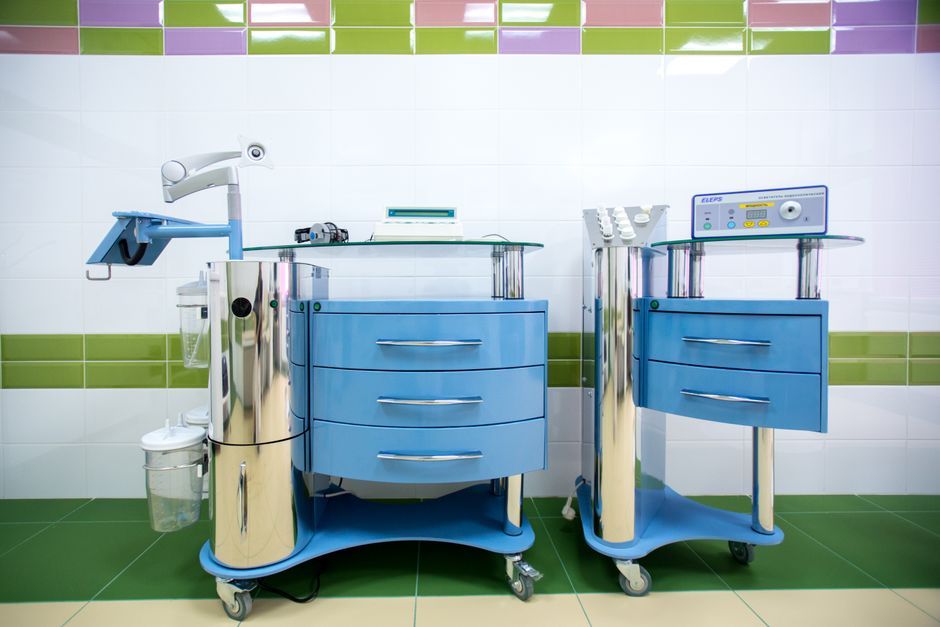
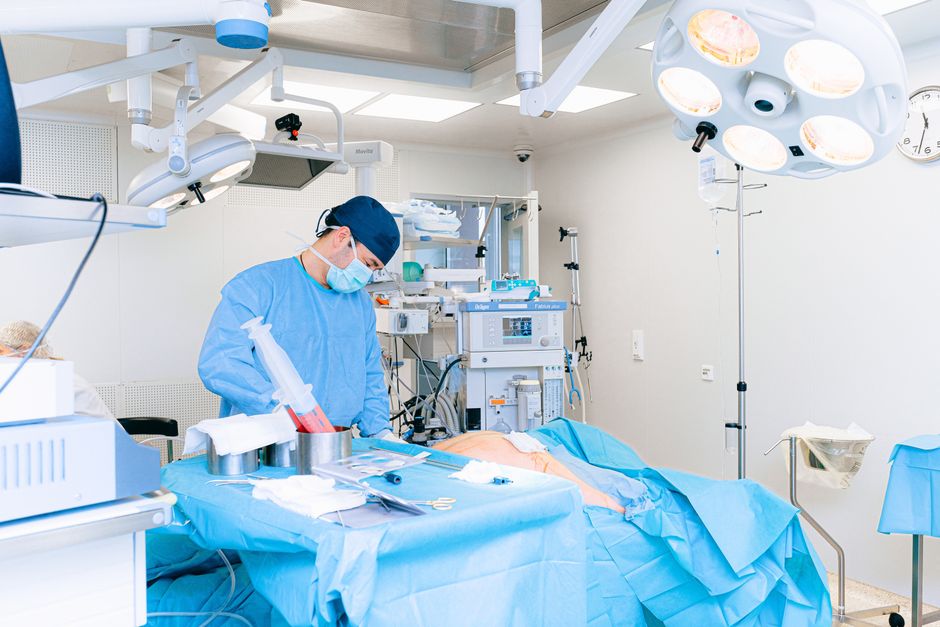
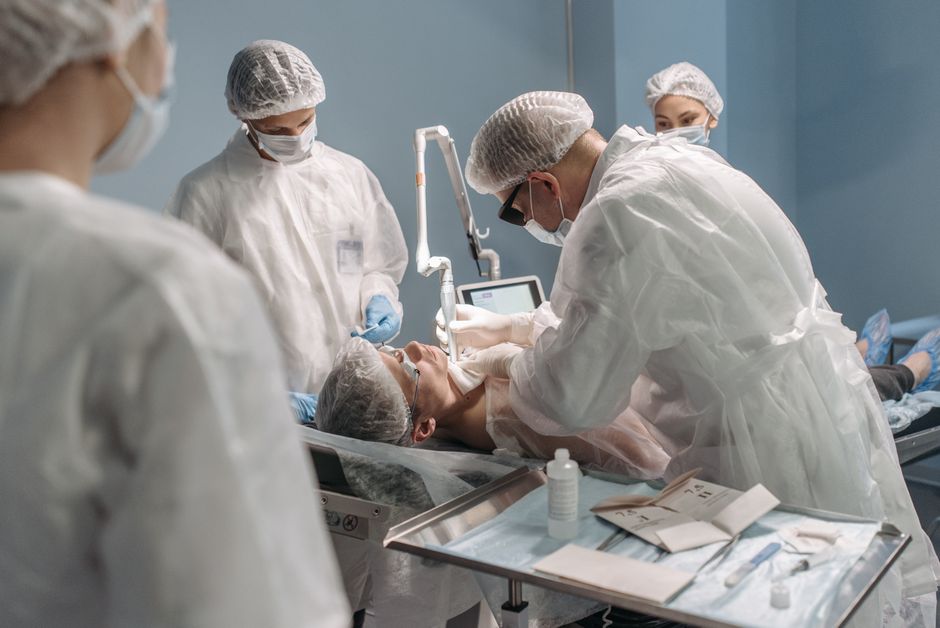
The hospital furniture industry is facing a regulatory pivot in 2026: the latest revision of IEC 60601-2-46, governing the safety and essential performance of medical procedure tables, took effect on March 1. This update mandates stricter electromagnetic compatibility (EMC) thresholds, higher ingress protection (IP) ratings for tables used in cleanroom environments, and additional biocompatibility testing for patient-contact surfaces. Procurement managers at major hospital systems — including large academic medical centers and ambulatory surgery networks — are now required to verify that all new medical procedure table acquisitions meet the 2026 standard before FDA and CE marking (https://ec.europa.eu/growth/single-market/ce-marking/) can be renewed. Early data from the European Medical Device Coordination Group indicates that roughly 30 percent of existing models on the market do not fully comply with the new EMC limits, creating an urgency for facilities to reassess their replacement cycles.
Industry Background — The Context Behind This Development
The medical procedure table has evolved from a simple flat platform to a sophisticated clinical tool supporting imaging, surgery, minor procedures, and outpatient exams. The global surgical table market, valued at approximately USD 1.8 billion in 2025, is projected to grow at a compound annual growth rate of 4.7 percent through 2030, driven by the rise of minimally invasive procedures and outpatient surgical volumes. In parallel, infection control mandates from the World Health Organization and the U.S. Centers for Disease Control and Prevention have tightened requirements for surface hygiene, pushing manufacturers to adopt antimicrobial finishes and seamless welded construction. A medical procedure table stainless steel variant with electropolished surfaces is now preferred in operating rooms because it reduces bacterial adhesion by up to 99.9 percent compared to independent lab testing published in the Journal of Hospital Infection. The shift toward value-based care also demands that tables accommodate bariatric patients (up to 500 lbs) while remaining lightweight enough for facility reconfiguration. These converging forces — regulatory, clinical, and financial — make the 2026 IEC 60601 update a pivotal moment for hospital procurement decisions.
Key Facts and What the Numbers Say
Industry analysts at Frost & Sullivan report that 62 percent of hospital facility directors surveyed in Q1 2026 plan to replace at least 20 percent of their procedure table inventory within the next 18 months, primarily to comply with the new standard. The cost of non-compliance can be steep: hospitals that continue using non-certified equipment risk citation during Joint Commission surveys and potential liability exposure. Specific 2026 requirements include:
A separate analysis by the Healthcare Materials Management Society found that hospitals switching to a hospital procedure table with hydraulic lift can reduce staff injury rates by up to 34 percent compared to manual crank models, with an average return on investment of 16 months when factoring workers’ compensation savings. Additionally, the use of a procedure table for outpatient clinic settings that offers both Trendelenburg and reverse Trendelenburg positioning has been linked to a 22 percent reduction in patient repositioning time, according to a 2025 time-motion study published in the Journal of Ambulatory Surgery. The growing preference for medical procedure table stainless steel construction is reflected in procurement data: 71 percent of RFPs issued in 2025 specified 304-grade stainless steel with a 0.2 μm antimicrobial surface coating, up from 53 percent in 2022. Furthermore, models carrying medical procedure table IEC 60601 certified marking command a 12 to 18 percent price premium but also show lower total cost of ownership due to fewer breakdowns and longer service life — typically 10 to 12 years versus 7 to 8 years for non-certified counterparts.
How This Affects Hospital Procurement Decisions
For procurement managers, the 2026 compliance deadline introduces both risks and opportunities. First, any medical procedure table ordered after March 1 must include a declaration of conformity to IEC 60601-2-46:2026 in the technical file. Without it, the equipment cannot be legally placed into service in most regulated markets. Second, the updated standards affect not only the table itself but also accessories such as side rails, IV poles, and imaging transparent tops. Procurement teams should request EMC test reports specifically for the configured system, not just the base unit. Third, the financial implications are significant: a typical medical procedure table for an outpatient clinic costs between USD 8,000 and USD 25,000, so bulk purchases for a 20-table renovation project easily exceed USD 300,000. The added compliance overhead may increase lead times by 6 to 8 weeks as manufacturers update design validation records. Industry analysts suggest that early adopters — those that update RFPs now — can secure better pricing and shorter delivery windows compared to facilities that wait until late 2026 when demand spikes. Fourth, infection control officers must review the surface finish certifications. A medical procedure table stainless steel model with electropolished seams and no crevices reduces the risk of biofilm formation, a key factor in preventing surgical site infections. Finally, facilities directors should evaluate the weight capacity and adjustability requirements across multiple departments. A hospital procedure table with hydraulic lift that serves both radiology and minor surgery may reduce duplicate inventory by 15 to 20 percent.
| Requirement | 2023 Standard | 2026 Standard | Impact |
|---|---|---|---|
| EMC field strength | 10 V/m | 15 V/m | Higher immunity to interference |
| Ingress protection (wet areas) | IPX4 | IPX5 | Better water resistance |
| Surface biocompatibility | Optional | Mandatory ISO 10993-5 | Increased safety compliance |
| Load capacity labeling | Static only | Dynamic + static | Clearer safe use guidelines |
Expert Perspective — What Industry Leaders Are Saying
“The 2026 revision to IEC 60601-2-46 is the most significant change in procedure table regulation in over a decade,” says a senior regulatory affairs consultant who advises a consortium of German medical device manufacturers. “Hospitals sometimes purchase refurbished tables that were originally certified under the old standard. After March 1, those tables are effectively non-compliant unless the manufacturer issues a retroactive certification update, which few will. Procurement managers need to verify the certification date on the label, not just the CE mark.” A facilities director at a 400-bed teaching hospital in the Midwest adds: “We audited our procedure table fleet in January and found that 12 of our 45 tables were built before 2020 and lacked EMC test documentation. Replacing them with modern procedure table for outpatient clinic models that have hydraulic lift and stainless steel tops will cost about USD 180,000, but the safety improvement and reduced infection risk justify the expense. We are also standardizing on one manufacturer’s platform to simplify training and spare parts inventory.” Another expert — a healthcare interior designer specializing in ambulatory surgery centers — notes: “The visual design of a medical procedure table now matters more because patients see it during conscious sedation. Tables with rounded corners, warm-toned stainless steel finishes, and integrated cable management reduce patient anxiety and improve the overall experience. That’s not a regulatory requirement, but it influences patient satisfaction scores, which are tied to reimbursement.”
What Healthcare Facilities Should Do Now
Based on the current regulatory landscape, here are five concrete steps procurement managers and facilities directors should take in Q2 2026:
For additional guidance on selecting the right clinical furniture, consult our comprehensive resource on essential diagnostic furniture for healthcare facilities. Procurement teams building a broader furniture portfolio may also benefit from the comprehensive guide to essential medical furniture.
Zhobai Hospital Furniture Company delivers custom medical procedure table solutions that meet IEC 60601:2026 certification, with stainless steel construction, hydraulic lift mechanisms, and antimicrobial surfaces engineered for 10,000+ cleaning cycles. Every table is CE, ISO 13485 (https://www.iso.org/iso-13485-medical-devices.html), and SGS certified. To discuss your facility’s specific requirements — including bariatric load capacities, imaging compatibility, and cleanroom finishes — visit our website at https://www.zhobaimf.com or contact our clinical design team. We help hospitals, clinics, and care homes make informed, compliance-driven procurement decisions.
发表回复