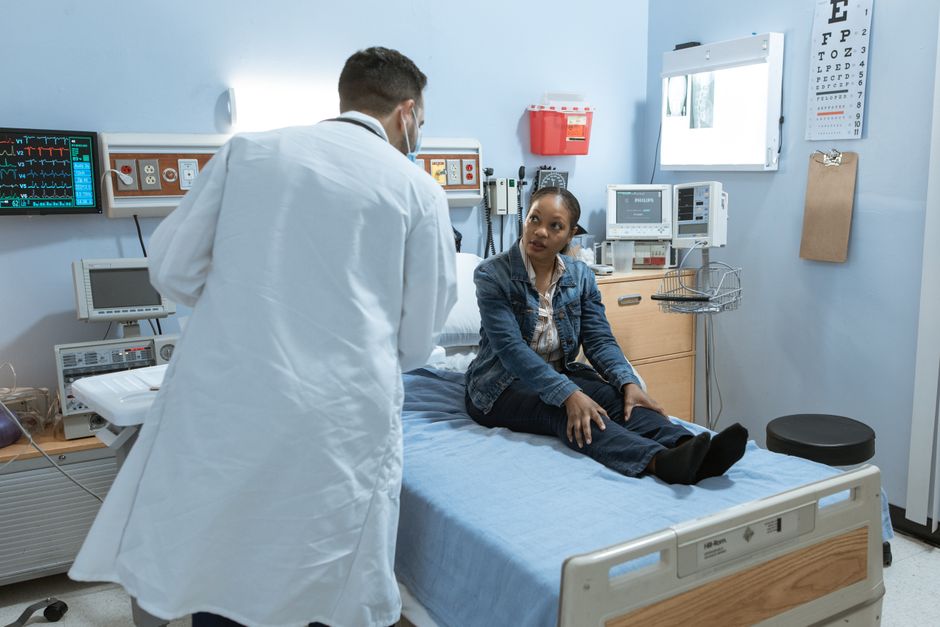
In June 2026, the European Commission published an amendment to Annex XVI of the Medical Device Regulation (EU 2017/745) that explicitly reclassifies patient room furniture as active medical devices when used in critical care environments. This regulatory shift, effective January 2027, mandates that all Healthcare Furniture intended for patient contact surfaces must demonstrate antimicrobial activity at log 4 reduction within 24 hours, validated under ISO 22196. Hospital procurement managers must now evaluate furniture not merely on durability and aesthetics, but on compliance with clinical safety criteria that were previously reserved for implanted devices. This development is already reshaping procurement frameworks globally, as healthcare systems in North America and Asia-Pacific align their specifications with the new European standard.
The reclassification of Healthcare Furniture as a medical device did not emerge in a vacuum. Over the past decade, mounting evidence has linked contaminated hospital surfaces to healthcare-associated infections (HAIs). The CDC reports that 1 in 31 hospital patients acquires at least one HAI, and surfaces contribute to 20–40% of transmission routes. Traditionally, furniture was considered a non-critical item, but studies published in the American Journal of Infection Control (2024) showed that pathogens such as MRSA, C. difficile, and vancomycin-resistant enterococci can survive on untreated surfaces for weeks. In response, the World Health Organization updated its guidelines in 2025 to recommend antimicrobial surfaces in all patient care areas. The EU MDR amendment codifies these recommendations into binding law. For procurement managers, this means that selecting patient room furniture solutions now involves verifying that materials meet explicit microbiological benchmarks. Manufacturers must provide test reports from accredited laboratories showing efficacy against a panel of six pathogens, including Pseudomonas aeruginosa and Aspergillus brasiliensis. The regulation also requires that antimicrobial hospital furniture materials retain their activity after accelerated aging equivalent to 10 years of use. This is a significant departure from previous voluntary certifications, such as those from the Antimicrobial Testing Consortium. Hospitals that currently purchase furniture without such validation face the risk of non-compliance with reimbursement requirements under national health systems.
| Parameter | Requirement (EU MDR 2026) | Testing Standard |
|---|---|---|
| Antimicrobial efficacy (bacteria) | ≥ log 4 reduction (99.99%) in 24 h | ISO 22196 |
| Antimicrobial efficacy (fungi) | ≥ log 3 reduction (99.9%) in 48 h | ISO 21702 |
| Cleaning durability | 10,000 cycle abrasion test | ASTM D3886 |
| Chemical resistance | No surface degradation after 70 disinfectant cycles | ISO 2812-1 |
| Structural durability (high-traffic) | BIFMA X5.1-2026 | BIFMA |
Market data from Grand View Research (2026) indicates the global Healthcare Furniture market will reach $12.8 billion by 2030, with infection-control compliant furniture growing at a compound annual growth rate of 8.5%. Early data from the European Centre for Disease Prevention and Control suggests that hospitals adopting BIFMA certified healthcare furniture with antimicrobial surfaces have reduced HAI rates by an average of 23% within two years of installation. For a 200-bed acute care facility, this translates to approximately 130 fewer infections annually, saving between $1.95 million and $4.55 million in direct treatment costs alone. The financial impact extends to litigation risk: facilities that fail to meet the new standard may face higher liability premiums and exclusion from value-based purchasing programs. Procurement managers should note that the regulation applies not only to new purchases but also to refurbished furniture used in patient rooms. Any item that comes within two meters of a patient bed is now subject to these requirements.
The practical implications for procurement managers are immediate. First, requests for proposals (RFPs) must be updated to require certified antimicrobial hospital furniture materials along with third-party test documentation. Many facilities currently rely on self-declarations from manufacturers, which are no longer sufficient under the amended MDR. Second, the demand for durable hospital furniture for high traffic areas—such as nurse stations, waiting room seating, and corridor carts—will increase, as these items also fall under the new scope if they are used in patient zones. Third, budget planning for the next fiscal year should include a premium of 15–25% for compliant furniture, though this cost is offset by reduced HAI-related spending. Industry analysts suggest that hospitals can expect a return on investment within 18 months. Fourth, the role of interior designers expands to include infection control validation; they must now coordinate with infection preventionists to select finishes that meet both aesthetic and antimicrobial requirements. For example, a typical patient room may require an overbed table with a seamless, non-porous surface that can withstand 10,000 cleaning cycles, and a bedside cabinet with hands-free opening mechanisms to minimize touch. These specifications go beyond traditional design guidelines and require close collaboration with specialized manufacturers. Facilities directors should also prepare for more frequent audits from accrediting bodies, such as The Joint Commission, which is expected to adopt similar criteria in its 2027 hospital standards.
“We have been advocating for antimicrobial surfaces in Healthcare Furniture for years, but the EU MDR amendment finally provides a standardized testing protocol that eliminates ambiguity,” says a senior infection control officer at a U.S. academic medical center. “Now procurement has clear data to compare products. The real challenge is verifying that furniture maintains antimicrobial properties after 10,000 cleaning cycles. Many manufacturers claim high quality but fail durability tests.”
A healthcare project consultant who advises on hospital design in the Middle East adds: “This regulation will force a consolidation among suppliers. Only those with investment in R&D and certified testing labs will survive. We have already started updating our master specifications to require BIFMA certified healthcare furniture from all vendors.”
Another industry insider, a former hospital administrator now consulting for large health systems, notes: “The biggest shift is cultural. Procurement teams used to think of furniture as a commodity. Now it’s a clinical safety device. That changes vendor selection criteria significantly. I advise my clients to request pathogen-specific test data and cleaning cycle validation reports before even considering price.”
Zhobai Hospital Furniture Company has been manufacturing Healthcare Furniture that meets CE, ISO 13485, and SGS standards, with antimicrobial surfaces rated for 10,000+ cleaning cycles. Our patient room furniture solutions are designed to comply with the latest EU MDR amendments, providing procurement managers with certified products that reduce infection risk.
For a detailed overview of selection criteria, refer to our Healthcare Furniture: Comprehensive Guide to Essential Medical and our Choosing the Right Healthcare Furniture for Your Facility guide. Additionally, our Tips for Choosing Custom High-Quality Medical Furniture Manufacturer offers practical advice for procurement teams navigating the new regulatory landscape.
发表回复