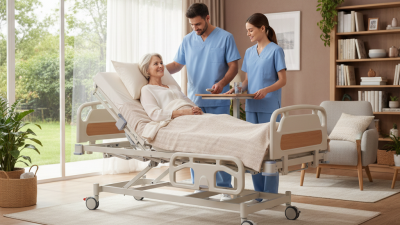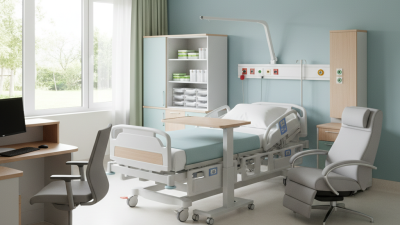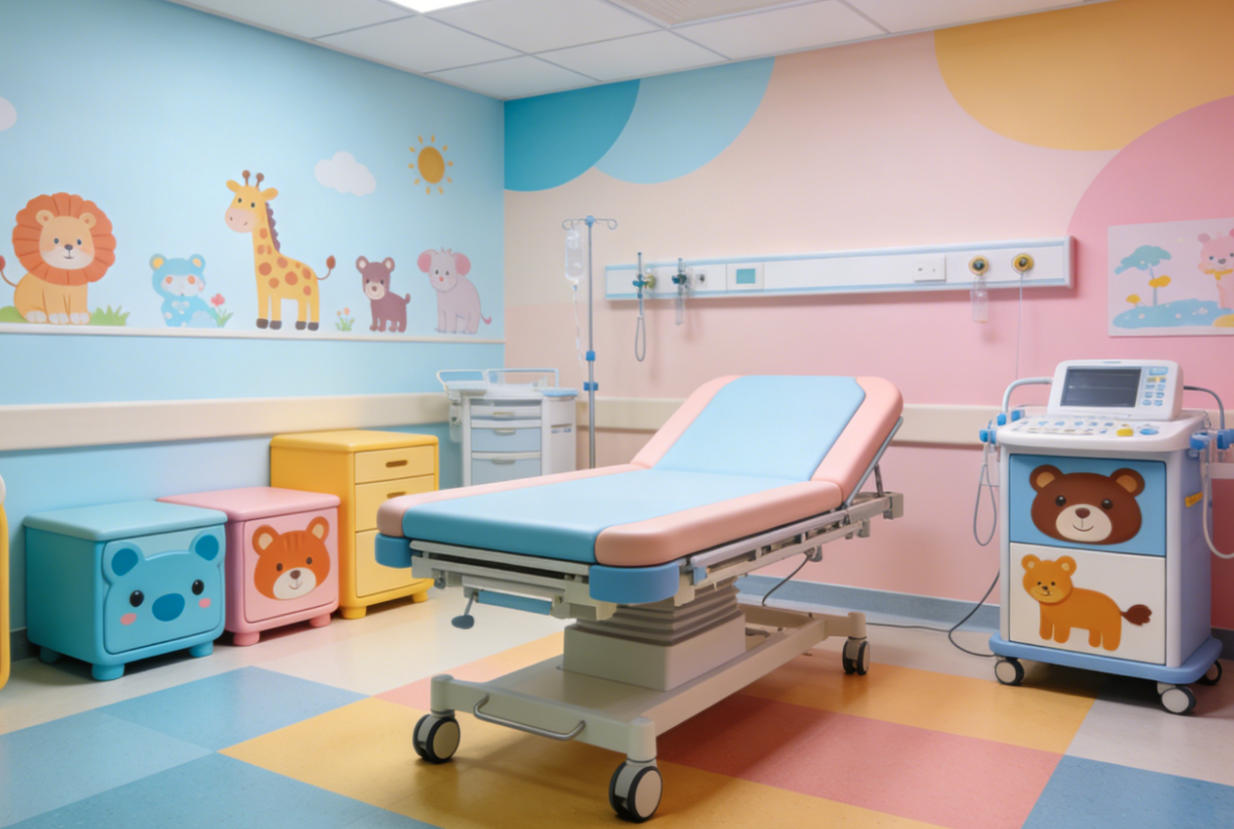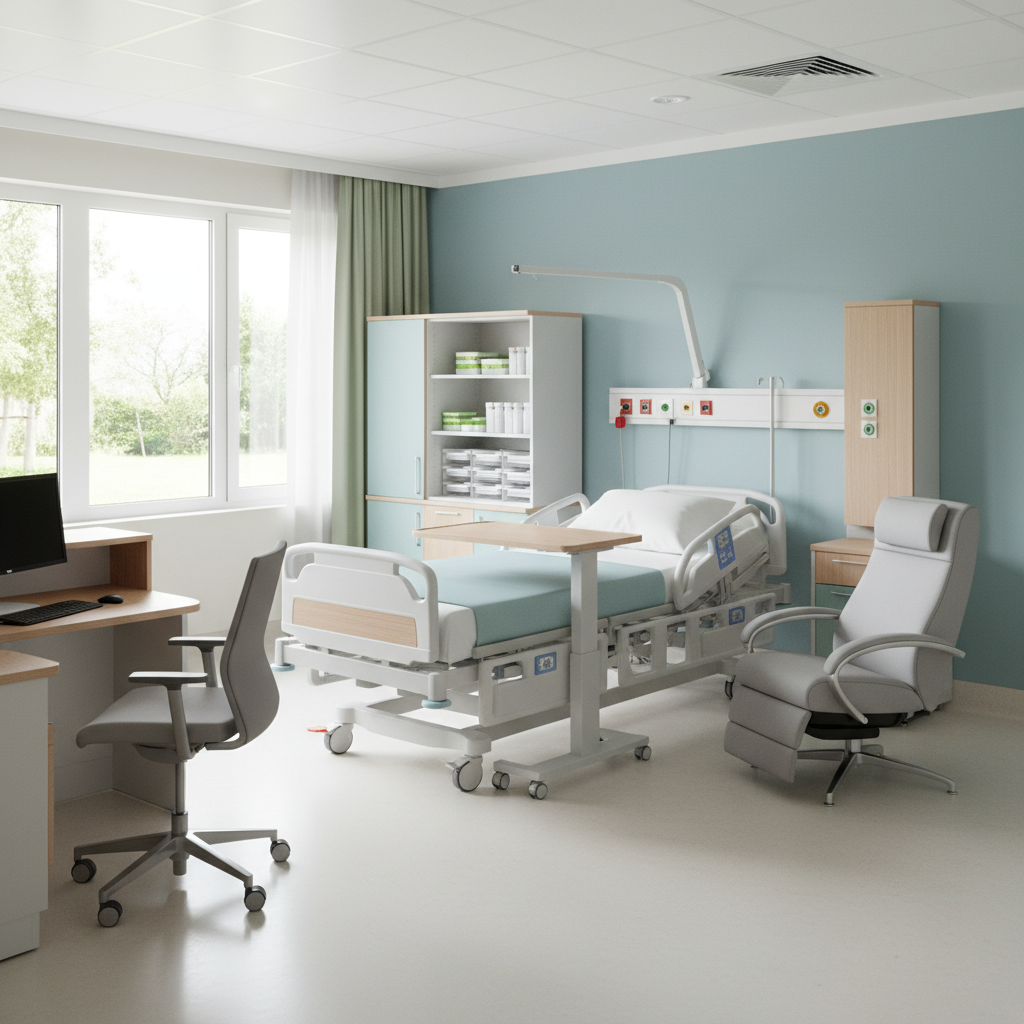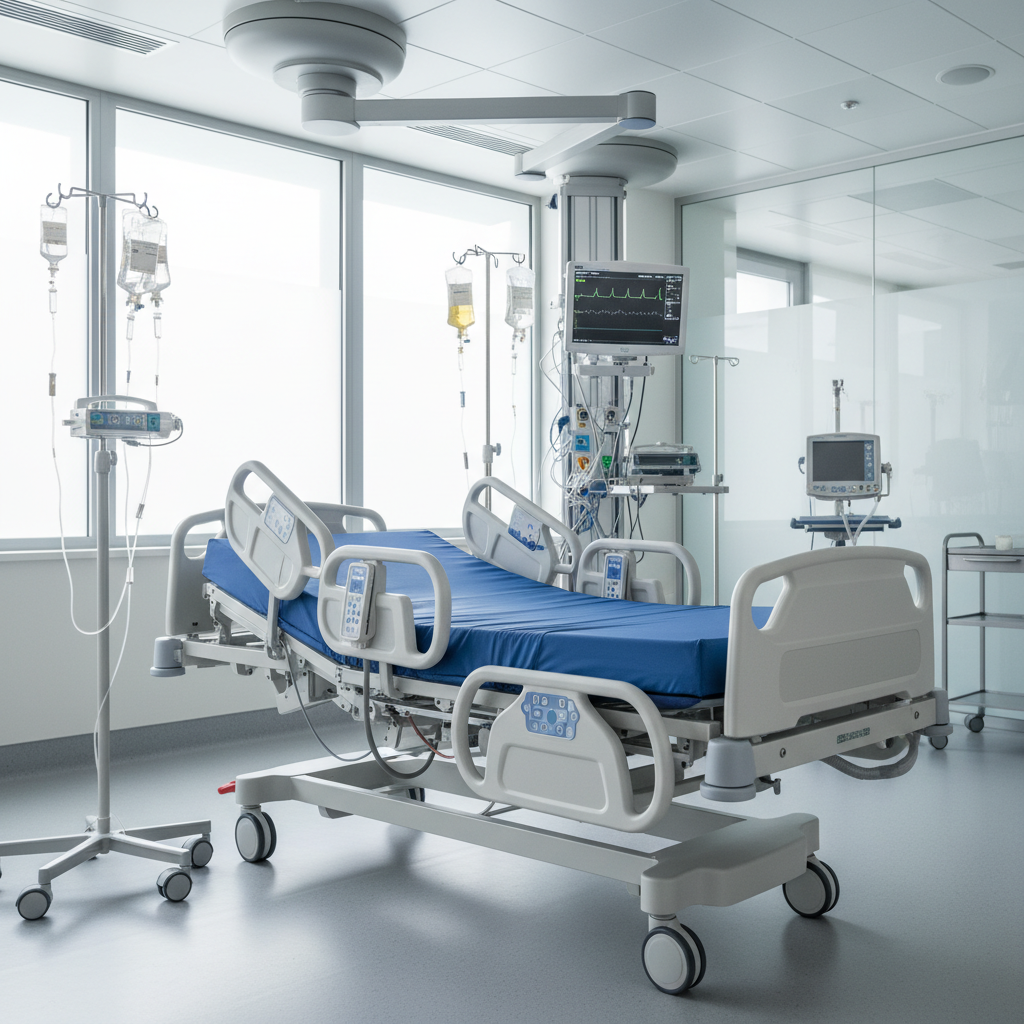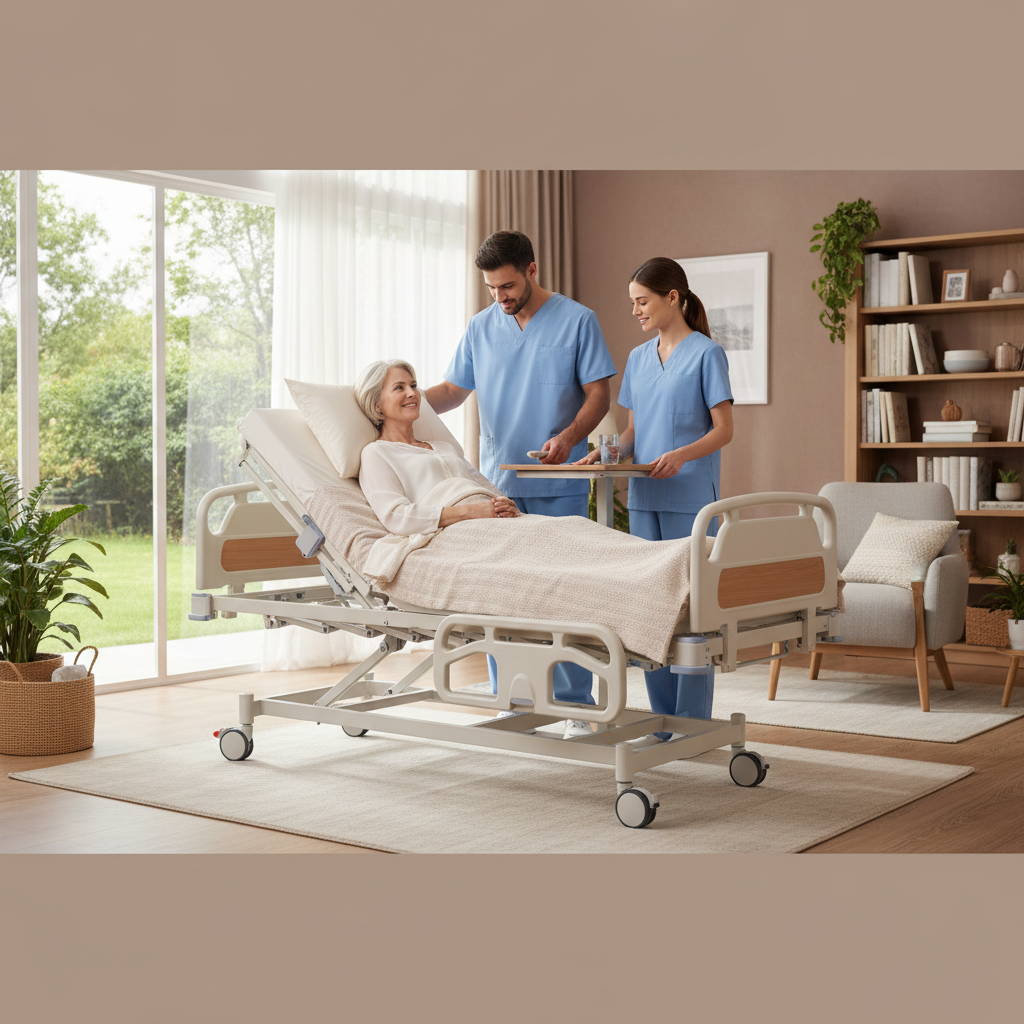
When it comes to healthcare, I think we can all agree that patient comfort and easy access are super important. One of the key pieces of gear that really makes a difference is the medical bed. It’s not just any bed – it’s specially designed to meet the unique needs of folks in hospitals or clinics. Dr. John Smith, who’s pretty well-known in hospital design and ergonomics, puts it nicely: “The right medical bed doesn’t just help with treatment; it also plays a big role in healing by making sure patients are comfortable and supported during recovery.”
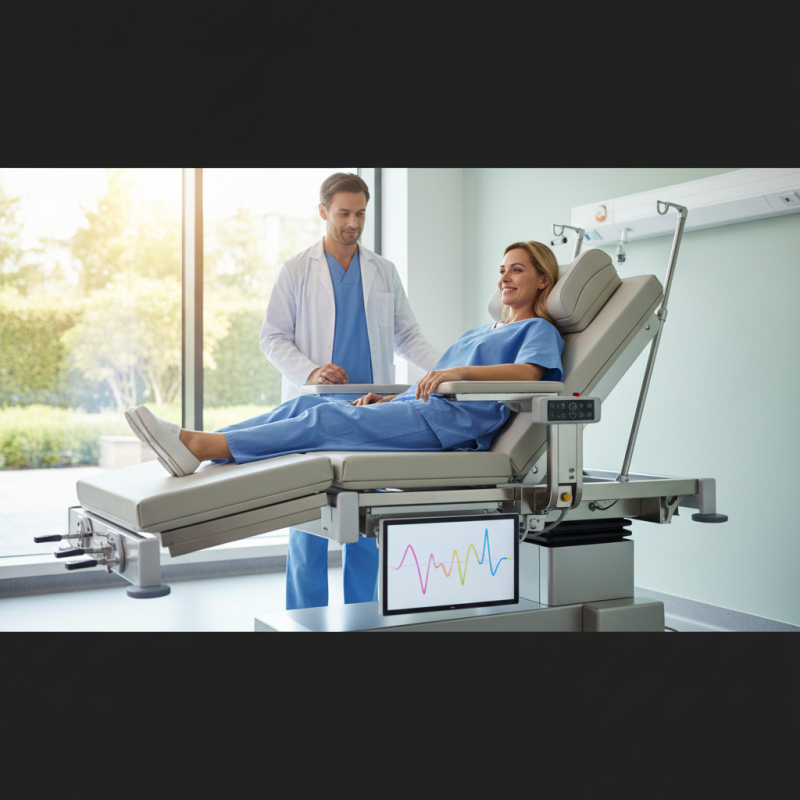
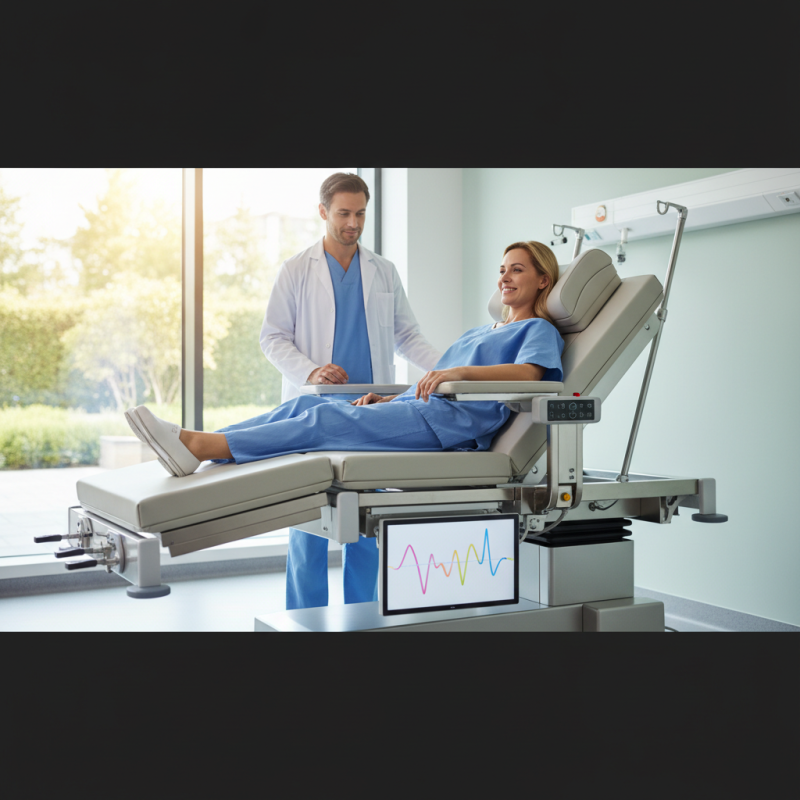
As time goes on, so does the tech behind these beds. Nowadays, they come with all sorts of fancy features like adjustable positions, surfaces that relieve pressure, and even built-in monitoring systems. All this tech helps ensure patients get better care, more personalized, and generally more comfortable. It really makes a difference in how patients feel and recover.
In the end, understanding how important these beds are is crucial for healthcare providers who want to make their facilities better. We’ll get into more details later, but essentially, the design and features of medical beds play a huge role in improving the overall patient experience.
[Hide]
What is a Medical Bed?
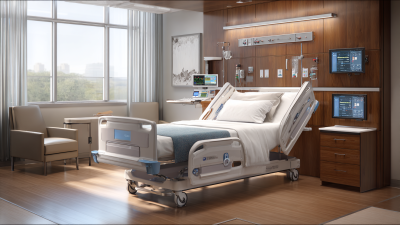
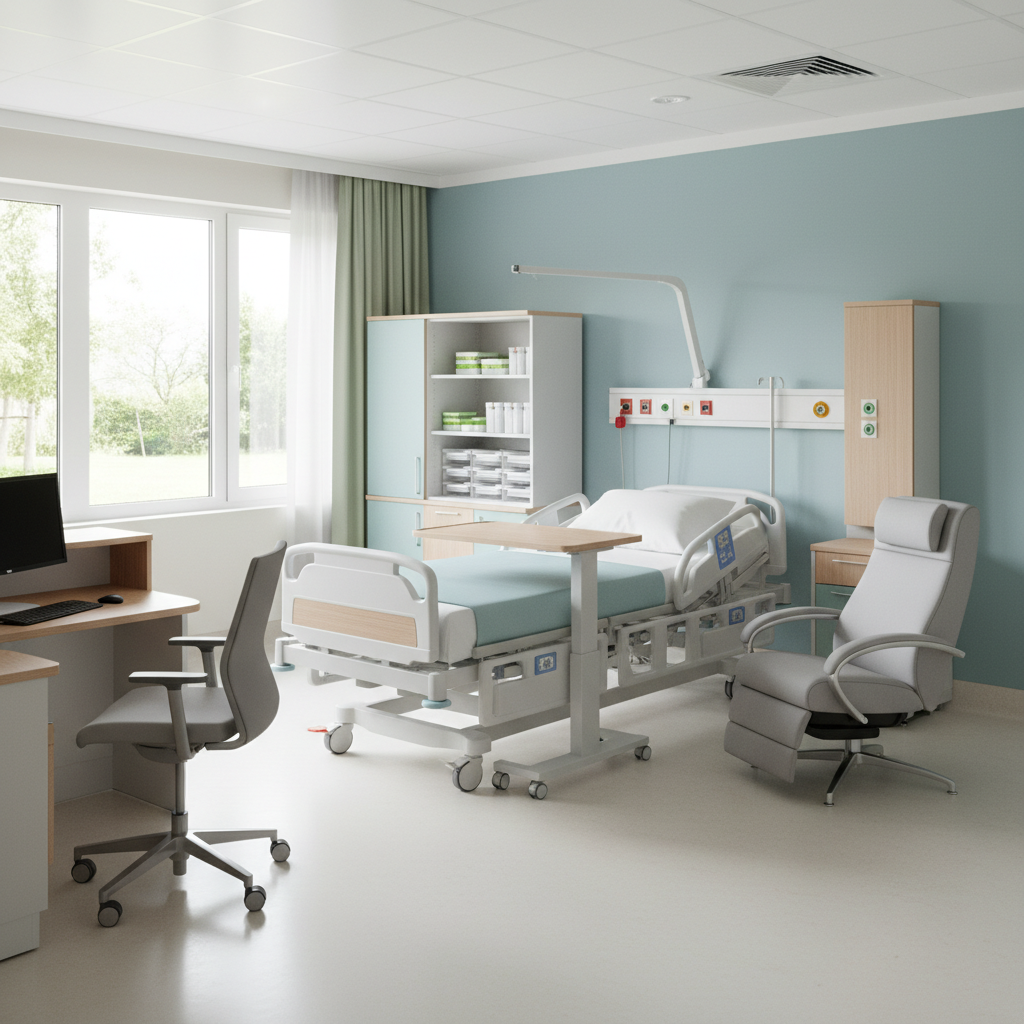
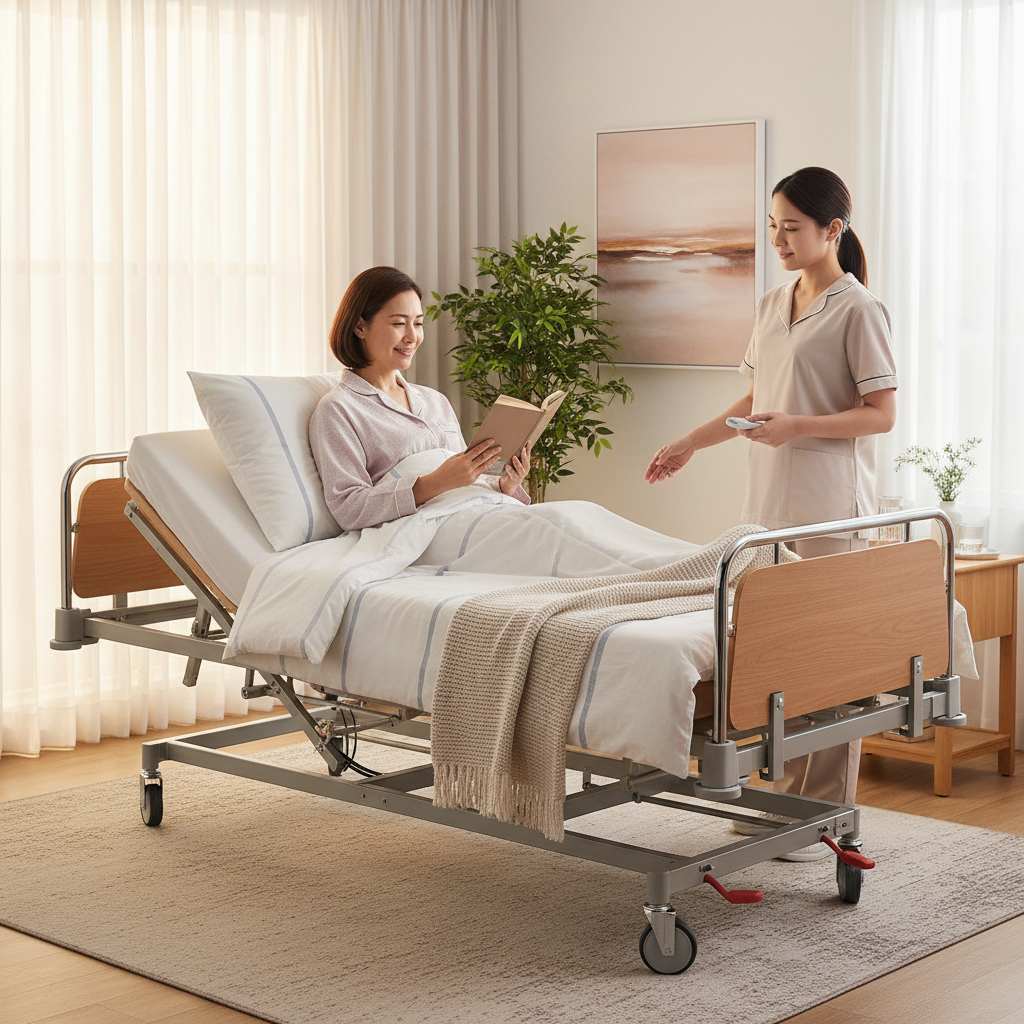
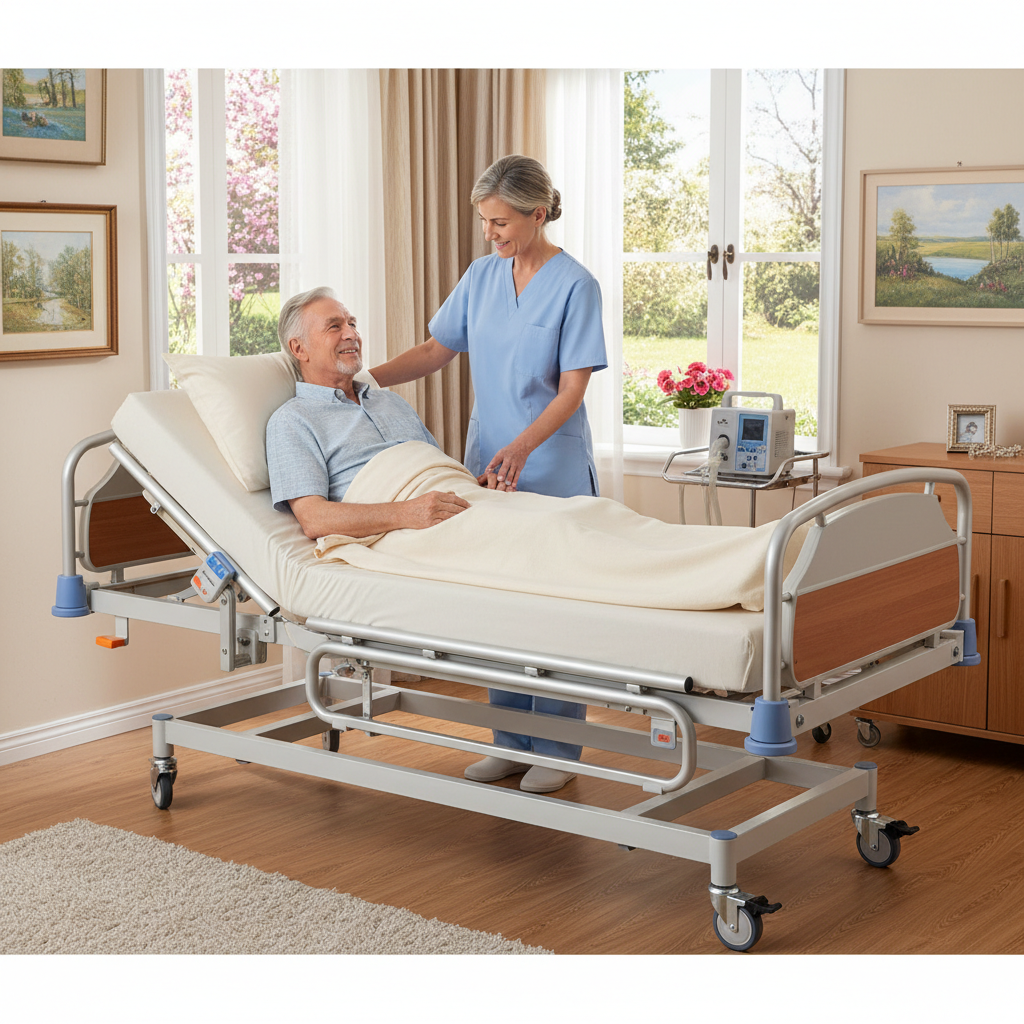
A medical bed, often referred to as a hospital bed, is a specialized piece of equipment designed to provide support and comfort for patients during their recovery process. Unlike traditional beds, medical beds are equipped with adjustable features that allow healthcare providers to change the position of the mattress, which can be essential in accommodating patients’ medical needs. According to a report from MarketsandMarkets, the global hospital bed market is projected to reach approximately $3.5 billion by 2025, reflecting the growing demand for advanced patient care solutions.
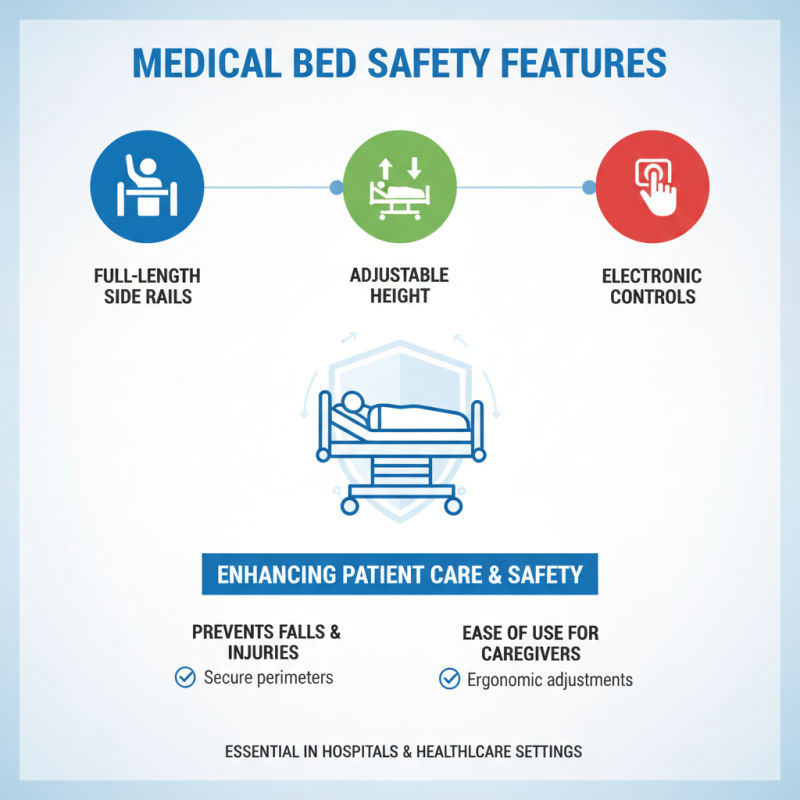
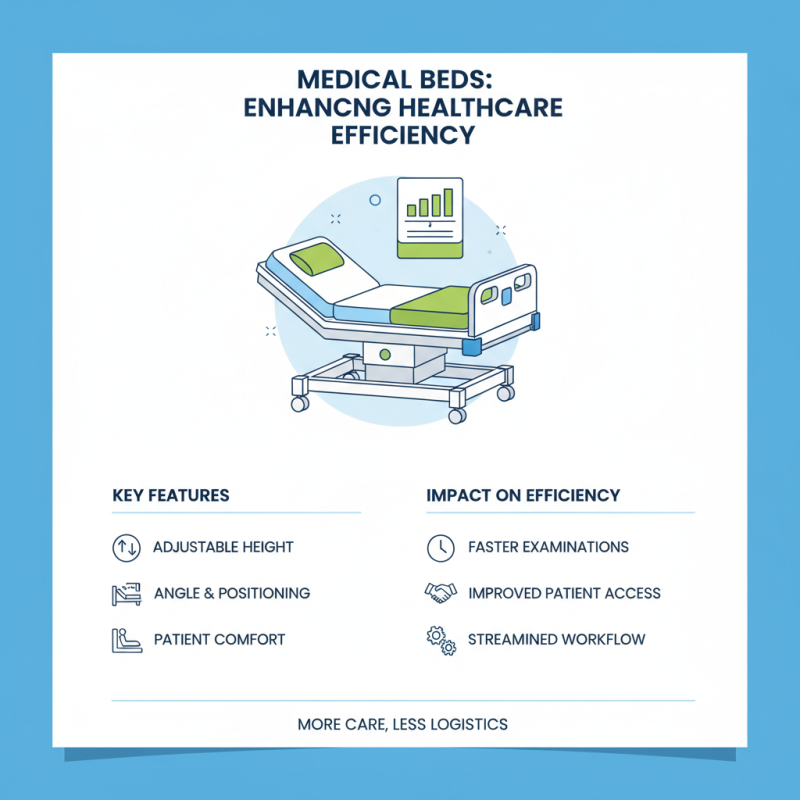
Medical beds come with various functionalities, such as adjustable height, tilt, and backrest positions, which can alleviate discomfort for patients who may be bedridden due to illness or surgery. Additionally, many medical beds are designed with integrated safety features, such as side rails and pressure-reducing mattresses, which help to prevent falls and pressure ulcers—a significant concern in patient care. The American Nurses Association notes that pressure ulcers can significantly complicate recovery, making innovations in bed design crucial for enhancing patient outcomes.
With these advancements, medical beds play a vital role in improving patient care by promoting safety, comfort, and overall well-being during the healing process.