The Indispensable Role of Steel in Patient-Centered Healthcare Environments
The modern healthcare facility is a complex ecosystem where architecture, medical equipment, and hospital furniture must seamlessly integrate to optimize clinical workflow and enhance the patient experience. At the core of this integration lies high-performance medical furniture, and among the materials, steel has emerged as the hardcore anchor for spatial, functional, and operational adaptability. Zhobai, a dedicated provider of healthcare solutions, offers this perspective on why steel-based furniture is essential for facilities aiming for longevity, hygiene, and patient-centered design.
I. Beyond Durability: The Functional Architecture of Steel
Unlike traditional materials, steel furniture offers unparalleled structural stability and dimensional flexibility, allowing it to serve as the functional anchor in diverse medical zones. Its high strength-to-weight ratio enables precise customization, a critical factor in maximizing efficiency in environments of varying sizes, lighting, and ventilation needs.
Spatial Adaptability: In consultation rooms, custom-sized steel examination tables and medical records cabinets ensure a streamlined movement for healthcare staff without infringing on necessary space. In rehabilitation and long-term care wards, steel nursing beds and storage units can be configured to align with specific architectural layouts, ensuring optimal patient comfort and caregiver access. This precision engineering ensures that the furniture isn’t just placed in the room, but is an integral component of the room’s functional logic, contributing to a holistic healthcare solution.
II. Elevating Standards: Resilience and Hygiene in Clinical Settings
The rigorous demands of the healthcare sector—including constant use, heavy equipment handling, and stringent sanitation protocols—demand furniture with superior performance metrics. Steel’s material properties directly address these critical needs:
Exceptional Durability and Cost Efficiency: High-grade steel is highly resistant to abrasion, impact, and chemical disinfectants. This robustness drastically reduces the frequency of furniture replacement, aligning perfectly with a hospital’s long-term operational budget and asset management strategy.
Aseptic Environment Compliance: The non-porous surface of steel is effortlessly cleaned and sterilized, effectively inhibiting bacterial growth and cross-contamination. This feature is fundamental in maintaining the aseptic standards required in clinical environments, safeguarding both patient and clinician well-being.
Integrated Functionality: Modern steel designs can act as an extension platform for medical technology, incorporating integrated features like IV pole mounting points on beds, power/data ports in consultation desks, or instrument slots in examination units. This streamlined integration boosts procedural efficiency.
III. The Trend Towards Patient-Centered Design: Softening the Steel
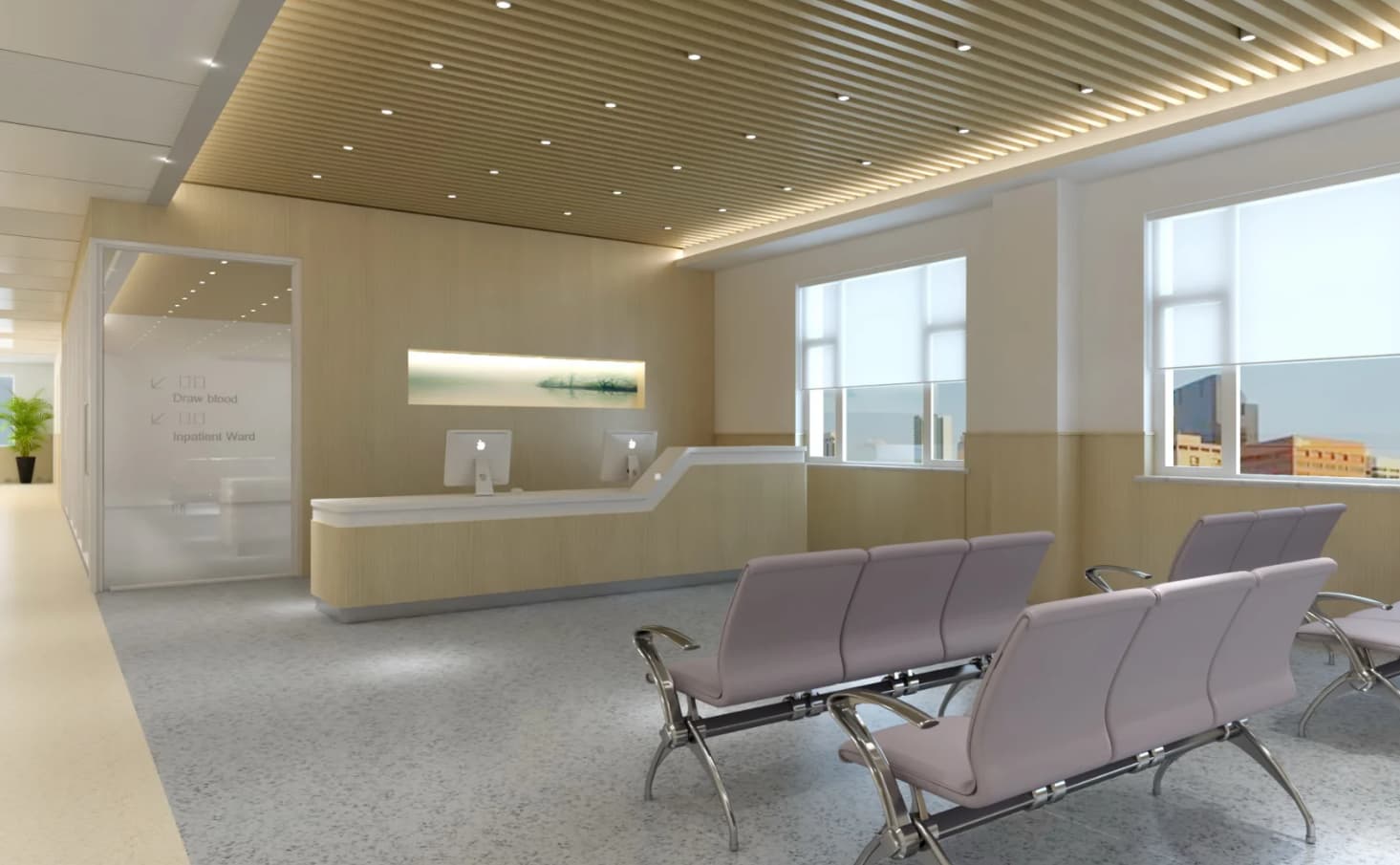
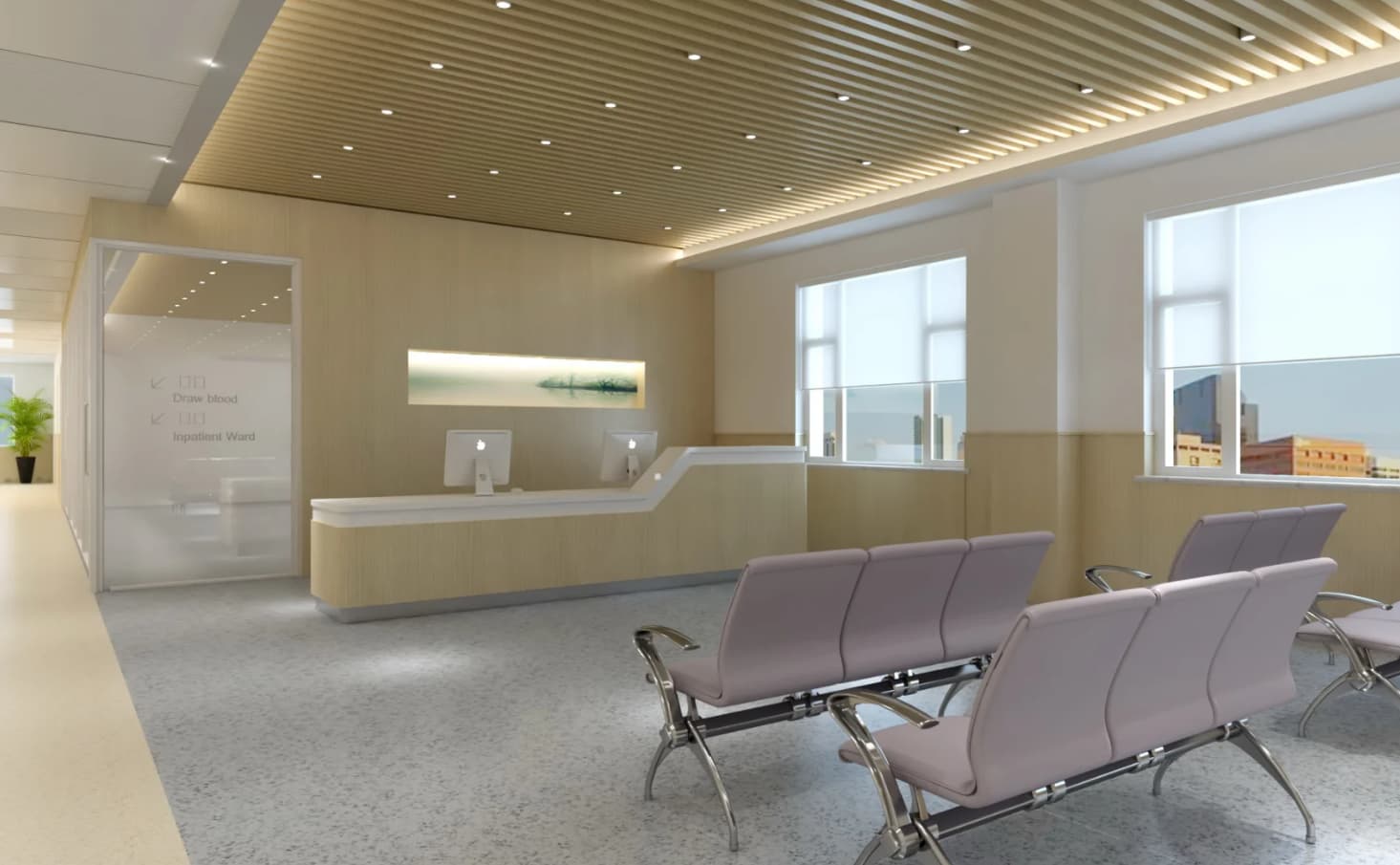
A crucial trend in modern healthcare is the shift towards environments that mimic the comfort of home, directly impacting patient recovery and satisfaction rates. Steel hospital furniture is evolving to meet this demand, balancing clinical rigor with a warmer aesthetic.
Design Innovations: The rigid “tool” aesthetic of the past is being replaced by designs featuring softened, rounded edges and a palette of warm, subdued colors (such as powder-coated warm grey or beige). This design approach diminishes the perception of the material’s inherent coldness, fostering a more tranquil and therapeutic atmosphere.
Human-Centric Details: Features such as height-adjustable steel nursing beds facilitate both easier caregiving and greater patient autonomy. Comfortable steel-framed lounge chairs in patient recovery areas prioritize ergonomic support and longevity, delivering compassionate care through thoughtful engineering. This commitment to patient-centered design demonstrates that functionality and comfort can be delivered simultaneously.
IV. Future Outlook: Smarter and More Specialized Solutions
As healthcare architecture becomes increasingly specialized—from acute care to geriatric medical furniture—the steel furniture industry is focusing on two key directions: smart integration and modularity. We project an increased demand for steel units that seamlessly integrate smart monitoring systems or are easily reconfigurable to adapt to evolving patient needs, such as transforming a patient room into a minor procedure area.
Zhobai is committed to being more than just a supplier; we are a partner in developing comprehensive healthcare solutions. By leveraging the proven resilience and adaptability of steel, we help procurement decision-makers and administrators invest in furniture that is not only built to last but is purposefully designed to elevate care quality and operational efficiency.
发表回复