In the ever-changing world of healthcare, choosing the right anesthesia cart for your practice isn’t just a small detail — it’s a big deal. A good anesthesia cart is kinda like the backbone of how you deliver anesthesia; it keeps all the essential drugs, tools, and equipment right at your fingertips for whatever procedures you’re running. As more and more people prioritize quality care, healthcare providers understandably want reliable, efficient solutions that fit their specific needs. So, picking the right cart becomes pretty important.
When you’re shopping around for an anesthesia cart, there are a few key things to keep in mind — think about how it’s designed, how it functions, and whether it meets safety standards. A solid cart isn’t just about holding everything; it’s gotta be easy to access, especially during those tense moments when every second counts. And with patient safety and smooth workflow being more critical than ever, going for a cart that features some innovative tech can really make a difference in how smoothly everything runs.
In this guide, we’ll go through the main points you should consider when selecting the best anesthesia cart for your practice. Understanding the features that boost safety and efficiency will help you make smarter choices — not just for your practice, but also to give your patients better care. Trust me, a little extra thought here can go a long way!
Factors to Consider When Selecting Anesthesia Carts for Medical Use
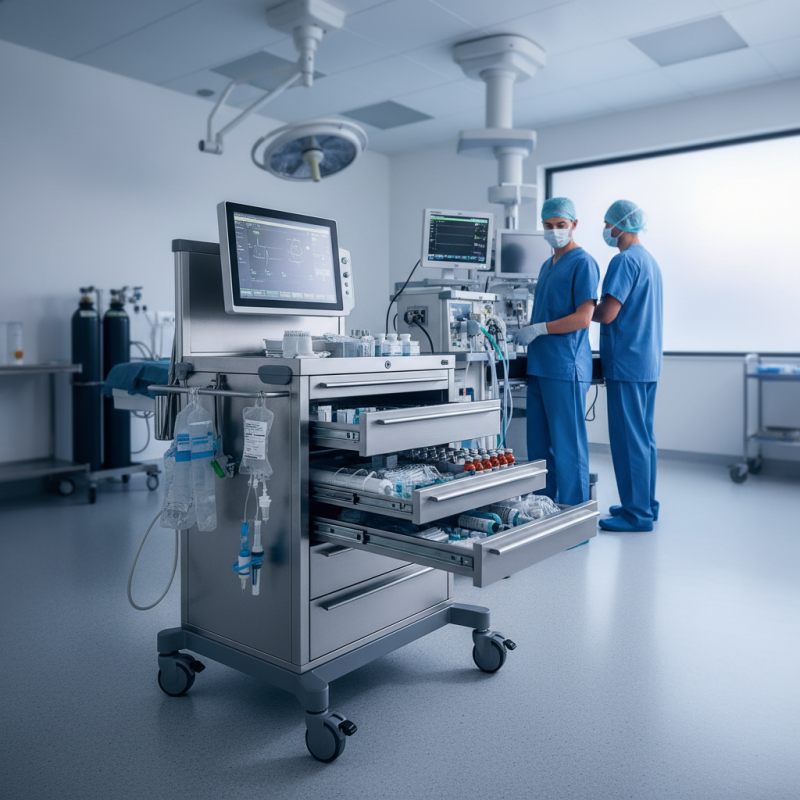
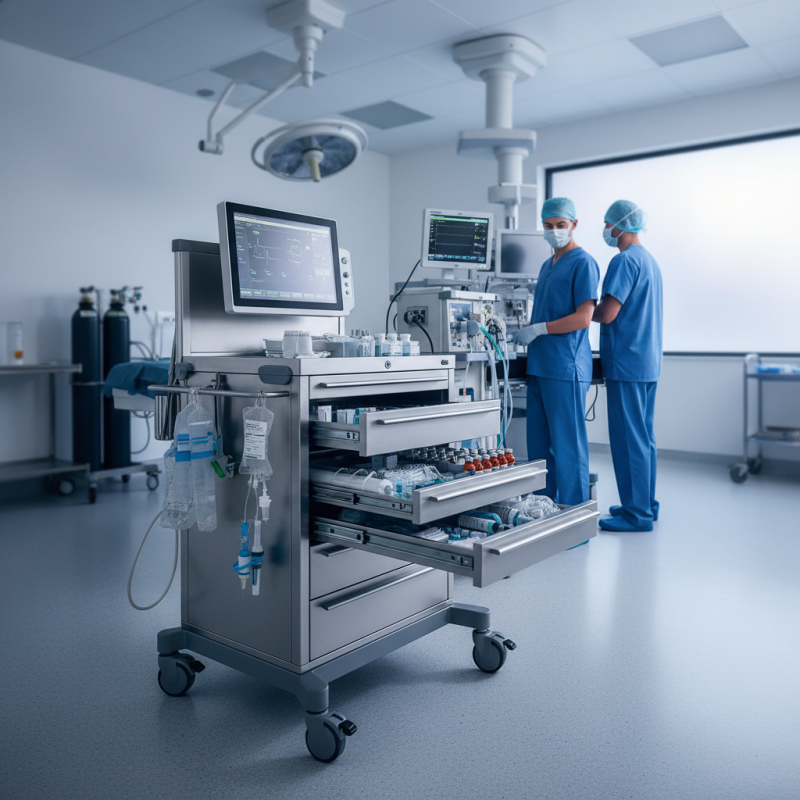
When selecting anesthesia carts for medical use, several critical factors should be carefully considered to ensure optimal functionality and safety. First, the size and design of the cart are paramount. It should be large enough to accommodate essential anesthesia equipment and supplies while remaining compact enough to navigate through tight spaces within the medical facility. Ergonomics also play a significant role; a well-designed cart allows easy access to instruments, which can streamline the workflow during critical procedures.
Another crucial aspect is the organization and storage capacity of the cart. Look for a cart that offers various compartments and drawers for specific items, allowing for efficient organization of medications, tools, and equipment. Transparency in storage—such as clear drawers or labels—can enhance usability, ensuring that medical staff can quickly locate and retrieve necessary items during anesthesia administration. Additionally, it’s beneficial to choose a cart made from durable materials that are easy to clean and maintain, as hygiene and longevity are essential in medical environments.
Understanding the Different Types of Anesthesia Carts Available
When selecting the best anesthesia cart for your medical practice, it’s essential to understand the different types available. Anesthesia carts can broadly be categorized into two main types: portable and fixed-position carts. Portable carts are designed for easy mobility within various areas of a healthcare facility, allowing practitioners to transport necessary supplies efficiently. According to a report by the Institute of Medicine, the mobility of equipment like anesthesia carts can significantly enhance workflow in emergency situations, reducing response times by up to 20%.
On the other hand, fixed-position carts are typically used in operating rooms and are designed for stability and accessibility. These carts often feature a more extensive array of storage options tailored to the specific needs of surgical procedures. A study published in the Journal of Clinical Anesthesia highlights that a well-organized anesthesia cart can lead to fewer medication errors and improve patient outcomes during surgery. Furthermore, the layout of the cart and its contents should be customized based on your institution’s protocols, ensuring that essential items are both readily available and easily identifiable.
In addition to their mobility and layout, the materials used in the construction of anesthesia carts also play a crucial role. Carts made from durable, easy-to-clean materials are preferable, as they can maintain hygiene standards and withstand the rigors of a clinical environment. According to the American Association for the Advancement of Medical Equipment, ensuring that the anesthesia cart is equipped with antimicrobial surfaces can also help reduce the risk of healthcare-associated infections. Understanding these factors is vital in making an informed decision that aligns with your practice’s specific requirements.
Comparison of Different Types of Anesthesia Carts
This chart displays the various types of anesthesia carts based on key features and functionalities. The data illustrates the distribution of common features across different cart types to help practitioners make informed decisions.
Key Features of Anesthesia Carts: Safety, Accessibility, and Storage
When selecting an anesthesia cart for a medical practice, prioritizing key features such as safety, accessibility, and storage is essential. According to a report by the American Society of Anesthesiologists, more than 70% of anesthesia-related incidents can be attributed to improper equipment management, underscoring the need for well-designed carts. Safety features like secure locking mechanisms and clear labeling of medications can significantly reduce the risk of errors during critical procedures. A robust cart should also incorporate tamper-evident systems to ensure that medications remain safe from unauthorized access, thereby enhancing patient safety.
Accessibility is another critical consideration in the design of anesthesia carts. Research from the Journal of Perioperative Practice indicates that easy access to essential drugs and equipment can decrease the time spent in high-pressure situations by up to 30%. Carts should feature an ergonomic layout that allows clinicians to quickly locate and retrieve items, thereby improving overall efficiency during emergency procedures. Additionally, a well-organized cart helps to streamline workflows and minimize delays, essential factors in fast-paced medical environments.
Adequate storage is vital for accommodating the comprehensive array of tools and medications used during anesthesia. A survey conducted by the National Institute for Occupational Safety and Health found that poorly organized carts led to increased stress levels among healthcare providers, ultimately impacting patient care. Carts should offer customizable compartments that can be adapted to the specific needs of the practice, allowing for optimal organization and quick access to the necessary supplies during operations. By focusing on these key features, medical practices can improve their anesthesia management and ensure better patient outcomes.
Analyzing Industry Standards for Anesthesia Cart Compliance
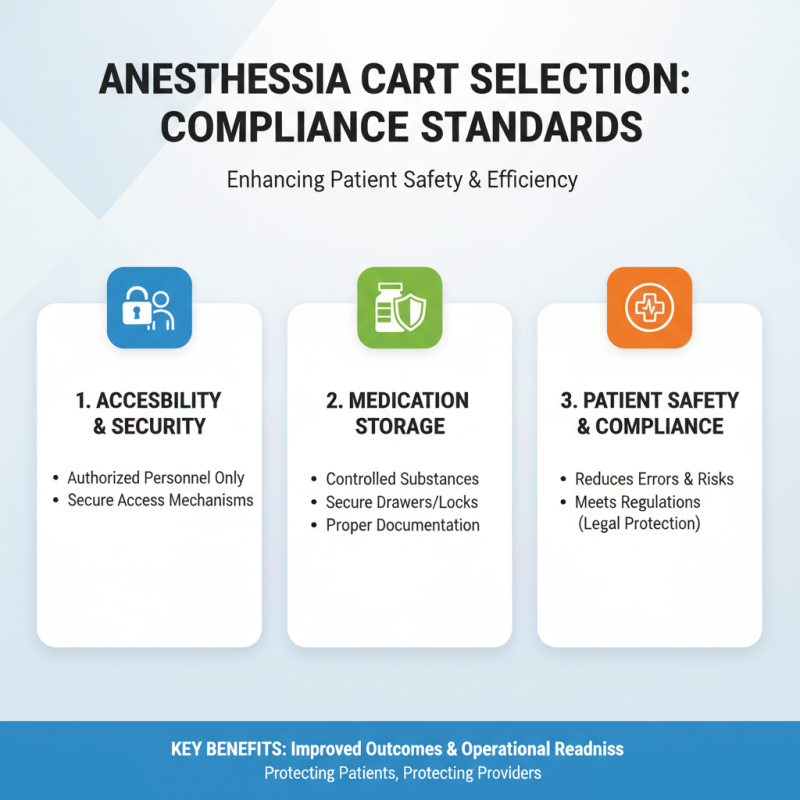
When selecting an anesthesia cart for your medical practice, ensuring compliance with industry standards is pivotal. The primary goal of adhering to these standards is to enhance patient safety, improve operational efficiency, and facilitate effective emergency responses. Key standards include accessibility for authorized personnel and adherence to specifications regarding medication storage, which often dictate how controlled substances should be securely stored and documented. Compliance with these regulations not only safeguards patients but also protects healthcare providers from potential legal ramifications.
Another critical aspect of industry standards is the cart’s design and functionality, which should support the specific needs of anesthetic procedures. This involves considering factors such as size, organization, and ease of mobility, which directly impact the workflow in busy medical environments. Additionally, it is essential for the cart to be constructed from materials that are easy to disinfect and maintain, as sanitation is a top priority in healthcare settings. Thoroughly evaluating these factors in light of current standards will lead to a better-informed decision, resulting in a valuable asset for any medical practice dedicated to providing high-quality anesthesia care.
Evaluating Cost-Effectiveness of Anesthesia Carts for Practices
When selecting an anesthesia cart for your medical practice, evaluating cost-effectiveness is paramount. The initial purchase price may capture immediate attention, but a comprehensive assessment should encompass long-term operational costs. These include maintenance, repairs, and the potential need for upgrades or modifications that could arise with evolving clinical demands. Understanding the total cost of ownership helps practices make informed decisions, ensuring that they not only meet their anesthetic needs but also stay within budget constraints.
Moreover, the functionality and durability of the cart can significantly influence its cost-effectiveness. Investing in high-quality materials and design can lead to reduced downtime and fewer replacement needs, ultimately lowering costs over time. Additionally, considering the cart’s compatibility with existing equipment and technology can streamline workflows, enhancing efficiency and patient safety. By prioritizing both the initial investment and ongoing operational implications, medical practices can choose anesthesia carts that provide the best value, contributing positively to both patient care and financial health.
Trends in Anesthesia Cart Design and Technology for 2025
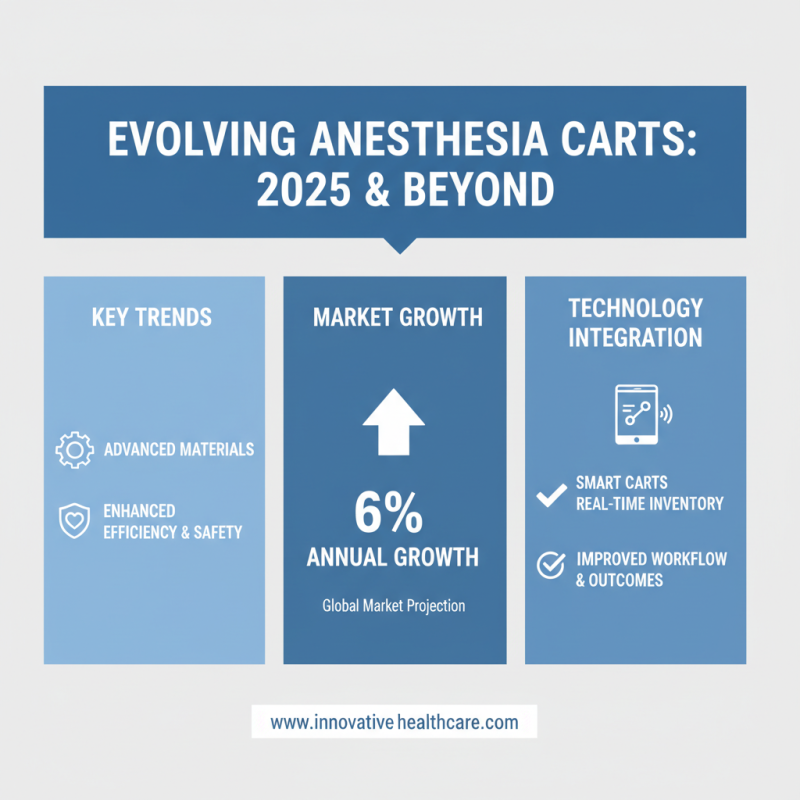
As we approach 2025, the landscape of anesthesia cart design and technology is undergoing significant transformation, driven by advancements in materials and a greater emphasis on efficiency and safety. Recent reports from industry analysts indicate that the global anesthesia cart market is projected to grow by approximately 6% annually, reflecting the increasing demand for innovative solutions that enhance clinical workflows. The integration of technology into anesthesia carts is no longer optional; smart carts equipped with real-time inventory management systems are becoming the norm. These systems help ensure that anesthesiologists have instant access to necessary supplies, reducing downtime and improving patient outcomes.
Moreover, ergonomics and customization are key trends shaping anesthesia cart design. Modern carts are being engineered with user-centered design principles in mind, prioritizing ease of movement and accessibility. According to a market study, nearly 70% of healthcare professionals believe that the ergonomics of equipment directly impacts their workflow efficiency. This increase in focus on human factors is prompting manufacturers to develop carts that can be tailored to specific medical practices, ensuring that the equipment meets the unique needs of different surgical environments. With the push for enhanced mobility and adaptability, we can expect a future where anesthesia carts not only serve their traditional purpose but also significantly contribute to the overall efficiency of the medical practice.
Best Practices for Maintaining and Organizing Anesthesia Carts
Maintaining and organizing anesthesia carts is crucial for the efficiency and safety of medical practices. A well-organized cart not only improves workflow but also ensures that essential supplies are readily accessible during procedures. To achieve this, staff should conduct regular inventory checks to ensure all necessary items are stockpiled and within their expiration dates. This practice minimizes downtime and reduces the risk of running out of critical supplies when they are needed most.
Tips for organization include the use of clear labeling on compartments and drawers, which helps in quickly locating equipment and medications. Color-coding supplies can also enhance visibility and accessibility. Additionally, implementing a systematic restocking procedure after each use will keep the cart fully stocked, making preparations faster and more efficient. Regular training sessions for staff on the importance of maintaining the cart can foster a culture of accountability and awareness, ensuring the cart remains organized.
Another best practice is to customize the setup of the anesthesia cart based on specific procedures commonly performed in the practice. This means tailoring the inventory to include the most frequently used supplies, reducing clutter from less frequently needed items. Regular review sessions to assess the cart’s configuration can highlight areas for improvement, leading to an optimized setup that enhances both organization and performance in critical situations.
FAQS
: What factors should be considered when selecting an anesthesia cart for medical use?
: Key factors include the size and design of the cart for functionality and navigation, ergonomics for easy access to instruments, organization and storage capacity, material durability for hygiene, and maintenance ease.
What types of anesthesia carts are available?
Anesthesia carts are generally categorized into portable and fixed-position carts. Portable carts allow mobility within various areas, while fixed-position carts are designed for stability and specific use in operating rooms.
How does portability of anesthesia carts affect medical practice?
Portable anesthesia carts can significantly enhance workflow in emergency situations by providing efficient transport of supplies, potentially reducing response times by up to 20%.
Why is organization important in anesthesia carts?
A well-organized anesthesia cart can lead to fewer medication errors and improve patient outcomes by allowing medical staff to quickly locate and retrieve necessary items during procedures.
What materials are preferred for anesthesia carts and why?
Carts made from durable, easy-to-clean materials are preferred to maintain hygiene standards and withstand the demands of clinical environments; antimicrobial surfaces can also help reduce infection risks.
How should cost-effectiveness be evaluated when purchasing anesthesia carts?
Cost-effectiveness should encompass not only the initial purchase price but also long-term operational costs, including maintenance, repairs, and potential upgrades based on evolving clinical needs.
What role does functionality play in the cost-effectiveness of anesthesia carts?
High functionality and durability can reduce downtime and replacement needs, ultimately lowering overall costs, which is an important consideration in the decision-making process.
Why is it important to customize the layout of anesthesia carts?
Customizing the cart’s layout based on the institution’s protocols ensures that essential items are readily available and easily identifiable, improving the efficiency of anesthesia administration.
How can investing in quality materials impact the use of anesthesia carts?
Investing in high-quality materials can lead to fewer replacements and maintenance issues, which can ultimately lower costs and improve operational efficiency in a medical practice.
Conclusion
When selecting an Anesthesia Cart for a medical practice, it is essential to consider various factors, including safety, accessibility, and efficient storage solutions. Understanding the different types of anesthesia carts available helps practitioners identify which design best suits their operational needs. Additionally, complying with industry standards is crucial for ensuring patient safety and adherence to regulations.
Key features to look for in an Anesthesia Cart include ease of use, organizational capabilities, and durable materials. As practices evaluate the cost-effectiveness of these carts, it’s important to balance budget constraints with quality and reliability. Emerging trends in anesthesia cart design and technology for 2025 highlight the importance of innovation in improving workflow efficiency. Lastly, maintaining and organizing anesthesia carts effectively ensures optimal functionality and safety in medical environments.
Sophia is a dedicated marketing professional with extensive expertise in the healthcare furniture industry. As a key member of our team, she plays a vital role in shaping the company’s online presence and strategy through her insightful blog articles. With a profound understanding of our customized……




发表回复