Healthcare furniture really plays a vital role in today’s medical settings. It’s not just about looking good—it’s about helping both patients feel comfortable and making the whole operation run smoothly. You know, according to the Global Healthcare Furniture Market Analysis, this industry is expected to hit around $40 billion by 2025. That’s quite a leap, and honestly, it’s driven a lot by the growing need for more advanced medical facilities and, let’s be honest, an aging population that needs extra care. What’s interesting is how much demand there is for ergonomic and customizable furniture solutions now—these not only make patients more comfortable but also help streamline healthcare workflows, making everything more efficient.
When it comes to patient care, the design and functionality of healthcare furniture really matter. The Journal of Healthcare Design points out that well-thought-out furniture can actually boost patient satisfaction and even lead to better health outcomes. Hospitals and clinics are pulling out all the stops lately, investing in high-quality, durable furniture that respects safety standards and supports infection control. In this guide, we’re going to take a look at the main types of healthcare furniture, what features to look for, the benefits of each, and some of the latest trends. The goal? To help healthcare providers create a space where both patients and staff feel supported and comfortable.
Understanding the Importance of Healthcare Furniture in Medical Facilities
Healthcare furniture plays a crucial role in the functionality and effectiveness of medical facilities. According to the Healthcare Design Survey from the American Institute of Architects, 64% of healthcare professionals believe that the design and quality of furniture directly influence patient recovery and satisfaction. The right furniture not only enhances the physical environment but also contributes significantly to the overall well-being of patients, staff, and visitors. For instance, ergonomic chairs and adjustable beds can alleviate physical strain, thus improving comfort and promoting healing.
In addition, a study published by the Journal of Healthcare Management highlights that hospitals investing in high-quality, patient-centric furniture see a 20% increase in patient satisfaction scores. This is particularly significant in areas such as waiting rooms and patient rooms, where the furniture must support a range of activities from relaxation to medical assessments. By prioritizing healthcare furniture design, facilities can create more welcoming, functional environments that foster positive interactions between patients and healthcare providers, ultimately resulting in better health outcomes.
Key Types of Essential Medical Furniture for Different Healthcare Settings
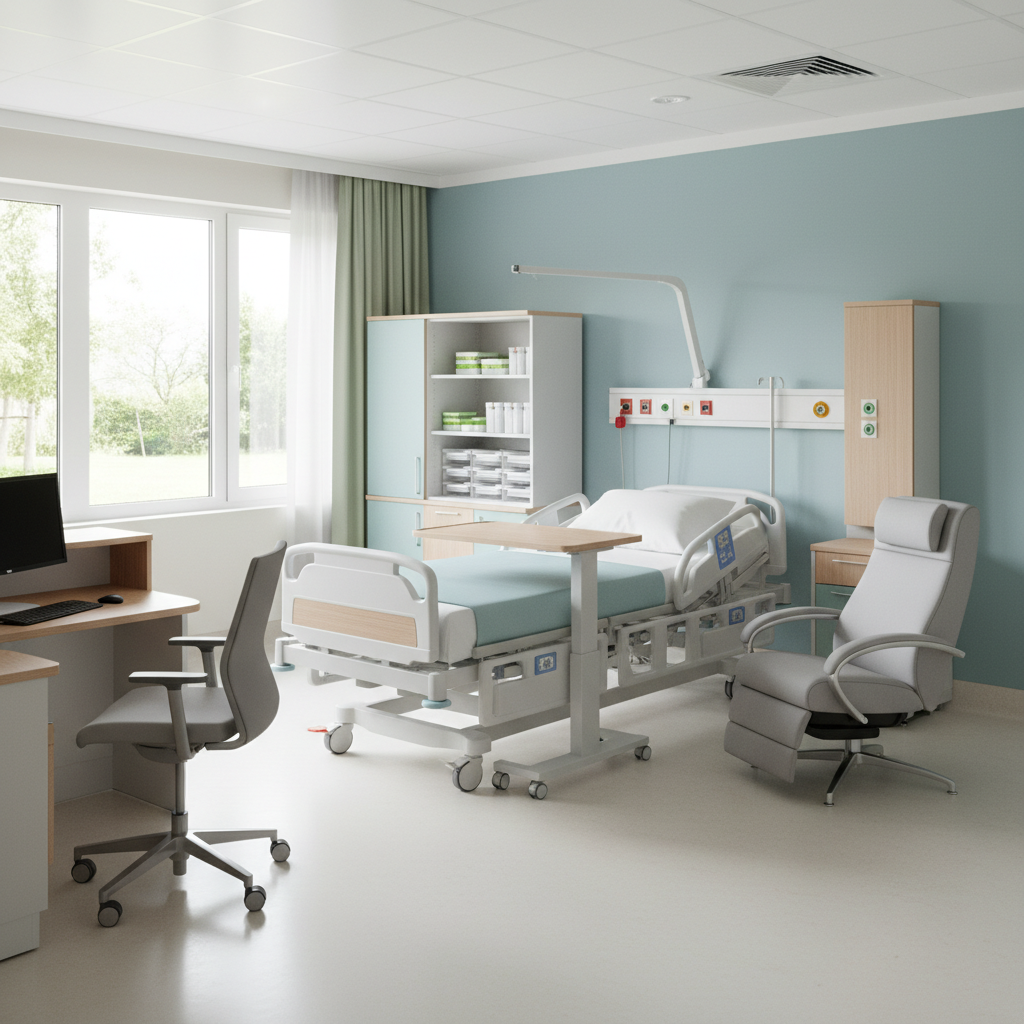
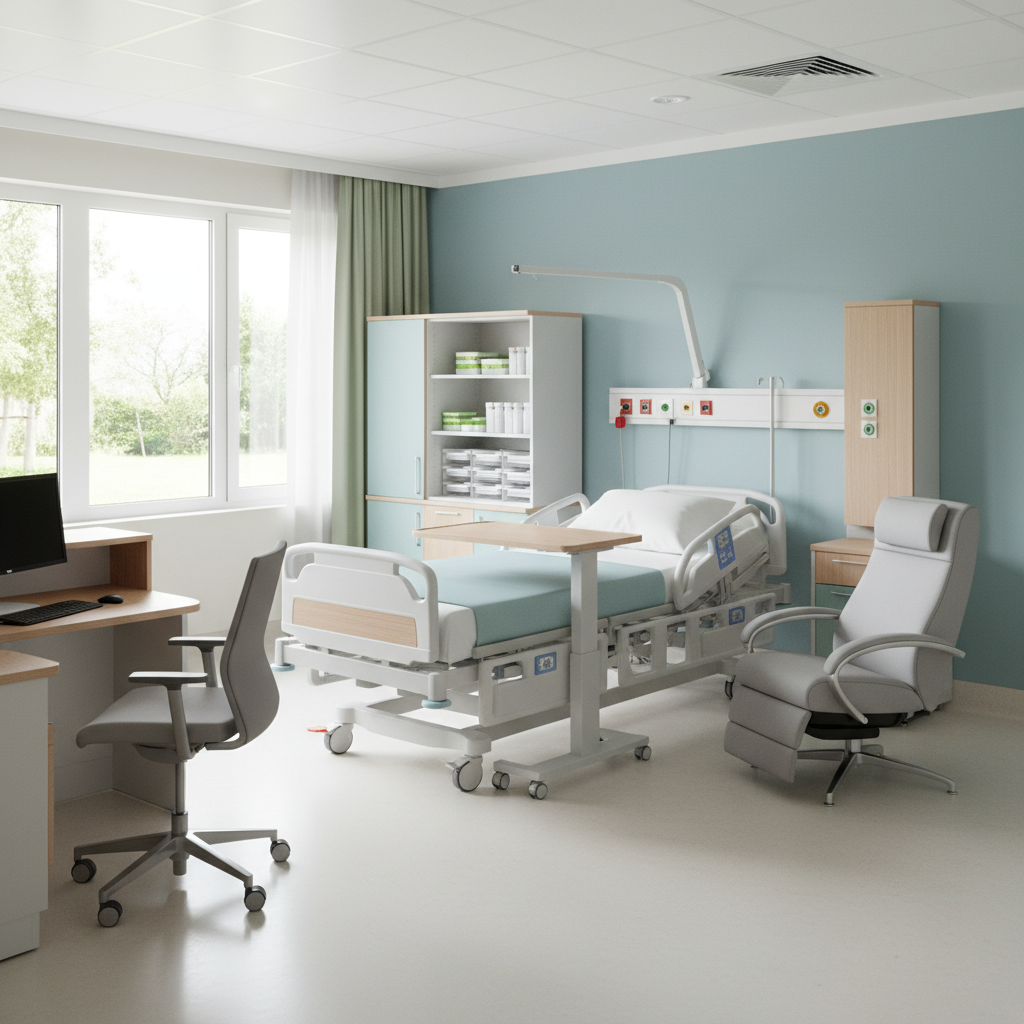
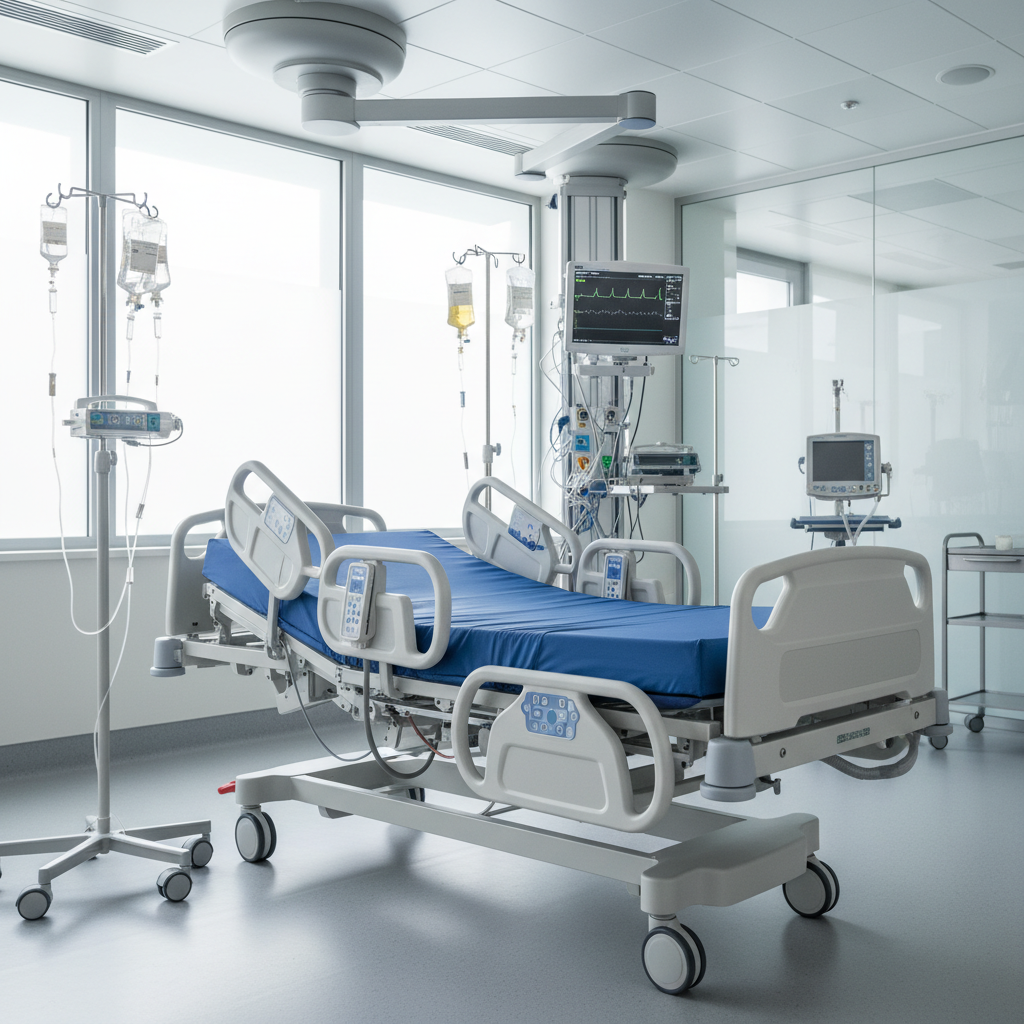
Healthcare furniture plays a vital role in providing comfort and functionality in various medical settings. Essential medical furniture can be categorized into different types based on their functions, such as manual versus electric adjustments and intensive versus non-intensive care requirements. An example of intensive care furniture includes adjustable hospital beds designed for acute care, rehabilitation, and long-term treatment, which account for a significant market share in North America.
When considering durable medical equipment, products like wheelchairs, walkers, and scooters fall under personal mobility devices, whereas hospital beds, stretchers, mattresses, and lifts enhance patient care environments. As the demand for these items continues to rise, the market for reclining chairs is also expected to grow, projecting from $13.31 billion in 2025 to $23.07 billion by 2033.
Tips: When selecting healthcare furniture, prioritize ergonomic designs that enhance patient comfort and accessibility. Additionally, consider the material durability and ease of maintenance to ensure a long-lasting investment. Lastly, space utilization should be a key factor when arranging furniture in healthcare settings to optimize workflow and ensure patient safety.
Design Considerations for Ergonomic and Functional Healthcare Furniture
When it comes to healthcare environments, the design and functionality of furniture play a crucial role in enhancing patient care and staff efficiency. Ergonomic and functional furniture is essential in hospitals and clinics to ensure comfort, safety, and usability. Considerations such as adjustable heights, proper lumbar support, and easy-to-clean materials are integral in creating furniture that meets the unique demands of the healthcare sector.
Tips for designing healthcare furniture include selecting antimicrobial materials to minimize infection risks and using modular designs to adapt to various spaces and needs. Incorporating storage solutions that are easily accessible while maintaining a sleek aesthetic can also improve workflow and reduce clutter.
At Jiangsu Zhongbai Nano New Material Technology Co., Ltd., we specialize in customized healthcare furniture that combines innovation with practicality. Our experienced design and production team focuses on developing solutions that not only meet regulatory standards but also elevate the overall environment of healthcare facilities. By prioritizing both ergonomic design and functionality, we aim to provide furniture that supports the well-being of patients and healthcare professionals alike.
What is Healthcare Furniture? A Comprehensive Guide to Essential Medical Furniture – Design Considerations for Ergonomic and Functional Healthcare Furniture
Furniture Type
Key Features
Material
Ergonomic Benefits
Functional Use
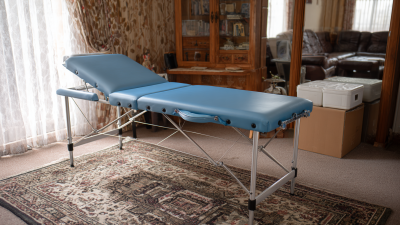
Examination Tables
Adjustable height, removable upholstery
Metal frame, vinyl upholstery
Promotes accessibility, reduces strain
Used for patient examinations
Waiting Room Chairs
Comfortable seating, easy to clean
Wood, metal, upholstery
Supports prolonged sitting, enhances comfort
Used in patient waiting areas
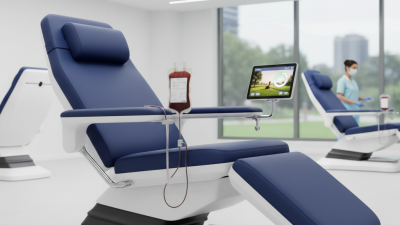
Treatment Chairs
Multi-position, hydraulic adjustments
Aluminum, leatherette
Facilitates comfort in treatment settings
Used for various therapeutic procedures
Hospital Beds
Adjustable head/foot sections, side rails
Steel, high-density foam
Encourages mobility and safety
Used in patient wards and recovery rooms
Mobile Carts
Locking wheels, multiple storage options
Plastic, metal
Enhances mobility and accessibility
Used for transporting medical supplies
Materials and Durability: Choosing the Right Healthcare Furniture
When selecting healthcare furniture, the choice of materials plays a crucial role in ensuring durability and functionality. Medical environments demand furniture that can withstand rigorous use while maintaining a clean and safe setting. Common materials include high-density foam, metals, and high-performance plastics, all of which provide essential benefits. High-density foam offers comfort and resilience, making it ideal for patient seating and beds, while metals ensure long-lasting support for items like examination tables and hospital beds.
Moreover, the durability of healthcare furniture is often enhanced through special finishes or coatings that resist stains, scratches, and bacteria. For instance, antimicrobial fabrics and surfaces contribute to infection control, a critical aspect of healthcare facilities. When evaluating furniture options, it’s essential to consider not just the initial cost but also the long-term value derived from furniture that withstands wear and tear, reducing the need for frequent replacements. By prioritizing materials that combine durability with functionality, healthcare providers can create a more efficient and hygienic environment for both patients and staff.
Healthcare Furniture Material Durability Comparison
This bar chart illustrates the durability ratings of various healthcare furniture materials on a scale from 1 to 10. Selecting the right material is crucial for ensuring long-lasting effectiveness in medical environments.
Trends in Healthcare Furniture: Innovations for 2025 and Beyond
As the healthcare industry continues to evolve, the demand for innovative furniture solutions is set to rise in 2025 and beyond. Emerging trends emphasize the need for furniture that not only meets functionality requirements but also enhances patient comfort and wellbeing. Key innovations include the incorporation of smart technology into healthcare furniture, allowing for real-time monitoring of patient health and providing caregivers with essential data at their fingertips. For instance, adjustable beds and chairs equipped with sensors can help track vital signs, ensuring that staff can promptly respond to patient needs.
Sustainability is another significant trend shaping the future of healthcare furniture. Manufacturers are increasingly opting for eco-friendly materials and processes, recognizing the importance of reducing their environmental footprint. This shift not only caters to the growing demand for green solutions but also promotes a healthier environment within healthcare settings. Additionally, versatile furniture designs that can easily adapt to different functions and spaces are gaining popularity, allowing healthcare facilities to optimize their operations while maintaining a welcoming atmosphere for patients and families. Overall, the future of healthcare furniture is poised to blend innovative technology, sustainability, and adaptability to enhance the overall patient experience.
Maintenance and Care Tips for Longevity of Medical Furniture
Maintaining healthcare furniture is vital for ensuring its longevity and enhancing the overall hygiene and functionality of medical facilities. Regular cleaning is the first step in preserving furniture, which should be done with disinfectants that are appropriate for the materials used. For instance, wood surfaces require a different care approach compared to vinyl or metal. It’s essential to follow manufacturer guidelines on the specific cleaning agents and techniques to avoid damage while effectively removing pathogens.
In addition to routine cleaning, thorough inspections for wear and tear should be conducted regularly. This includes checking for loose screws, damaged upholstery, or compromised structural integrity. Prompt repairs not only extend the life of the furniture but also ensure the safety and comfort of patients and staff.
When replacing furniture, prioritize durable and high-quality materials that are specifically designed for medical environments. Investing in resilient healthcare furniture can reduce long-term costs associated with frequent replacements and repairs.
FAQS
: What materials are commonly used in healthcare furniture?
: Common materials include high-density foam for comfort, metals for durability, and high-performance plastics, all of which provide essential benefits for healthcare environments.
Why is the choice of materials important in healthcare furniture?
The choice of materials is crucial for ensuring durability and functionality, as healthcare environments require furniture that can endure rigorous use while maintaining cleanliness and safety.
How do special finishes or coatings enhance healthcare furniture durability?
Special finishes or coatings resist stains, scratches, and bacteria, with antimicrobial fabrics and surfaces playing a key role in infection control, which is vital in healthcare facilities.
What should be considered when evaluating healthcare furniture options?
It’s important to consider not only the initial cost but also the long-term value derived from furniture that withstands wear and tear, minimizing the need for frequent replacements.
What innovations are expected in healthcare furniture by 2025?
Innovations are anticipated to include smart technology integration in furniture for real-time patient health monitoring and the provision of essential data to caregivers.
How is sustainability impacting healthcare furniture trends?
There is a growing focus on eco-friendly materials and processes, as manufacturers aim to reduce their environmental footprint and promote healthier environments within healthcare settings.
What design features are becoming popular in healthcare furniture?
Versatile furniture designs that can easily adapt to different functions and spaces are gaining popularity, allowing healthcare facilities to optimize operations while providing a welcoming atmosphere.
How does incorporating smart technology into healthcare furniture enhance patient care?
Smart technology, such as adjustable beds and chairs equipped with sensors, enables real-time monitoring of vital signs, allowing staff to promptly respond to patient needs.
What is the significance of patient comfort and wellbeing in healthcare furniture design?
Innovations in healthcare furniture increasingly emphasize enhancing patient comfort and wellbeing, which are critical for improving the overall patient experience.
How can healthcare providers create more efficient and hygienic environments with furniture choices?
By prioritizing materials that combine durability and functionality, healthcare providers can furnish spaces that are both efficient for staff and hygienic for patients.
Conclusion
Healthcare furniture plays a pivotal role in enhancing the functionality and aesthetic of medical facilities. Understanding the importance of healthcare furniture involves recognizing its impact on patient comfort, staff efficiency, and overall care delivery. Key types of essential medical furniture, such as examination tables, patient beds, and waiting area seating, must be tailored for different healthcare environments, ensuring they meet the specific needs of hospitals, clinics, and laboratories.
Moreover, design considerations for ergonomic and functional healthcare furniture are crucial for promoting a healing environment. The selection of appropriate materials ensures durability and easy maintenance, contributing to the longevity of the furniture. As we look towards 2025 and beyond, emerging trends in healthcare furniture reflect innovations that prioritize patient experience and adapt to evolving healthcare demands. At Jiangsu Zhongbai Nano New Material Technology Co., Ltd., we specialize in providing customized healthcare furniture solutions, backed by years of experience and a dedicated design team, ensuring our products meet the highest standards in the industry.
Liam is a dedicated marketing professional with extensive expertise in the healthcare furniture industry. As an integral member of our team, he plays a vital role in promoting our customized hospital and healthcare furniture solutions. With years of experience, Liam possesses a deep understanding……


发表回复