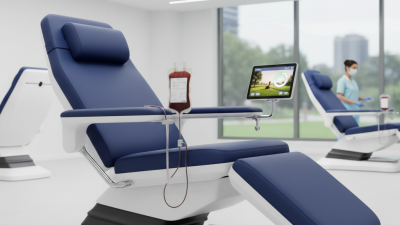
When it comes to taking care of patients and making sure they’re comfortable, choosing the right hospital bed is a pretty big deal. It’s not just about getting better sleep or faster recovery—having the right bed also helps caregivers do their job more easily. With so many options out there, figuring out which hospital bed is the best fit can honestly feel pretty overwhelming, whether you’re a family member or a healthcare pro.
In this guide, I’ll share some top tips to help you pick the perfect bed that suits each patient’s unique needs. We’ll look at things like how adjustable the bed is, comfort features, and safety mechanisms—stuff that really makes a difference. Knowing what to look for can make a huge difference in the patient’s experience, helping them feel more at ease physically and emotionally. Whether it’s for home care or a hospital, investing in a good hospital bed really makes a difference in supporting patient recovery and comfort.
[Hide]
Factors Influencing Patient Comfort in Hospital Bed Selection
When selecting a hospital bed, several key factors greatly influence patient comfort and overall care. One of the primary considerations is the bed’s adjustability. A study published in the Journal of Hospital Medicine revealed that beds with customizable positions can significantly enhance patient comfort and promote better health outcomes.
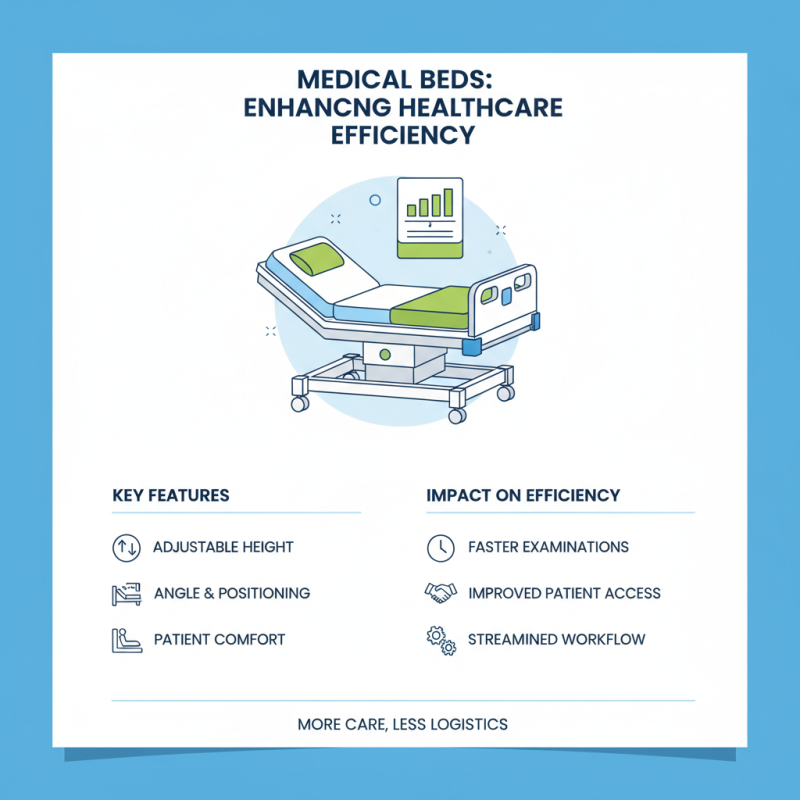
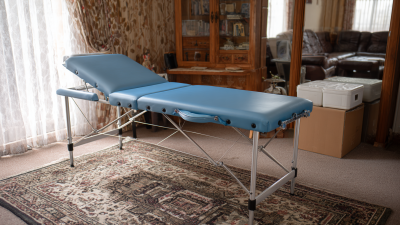
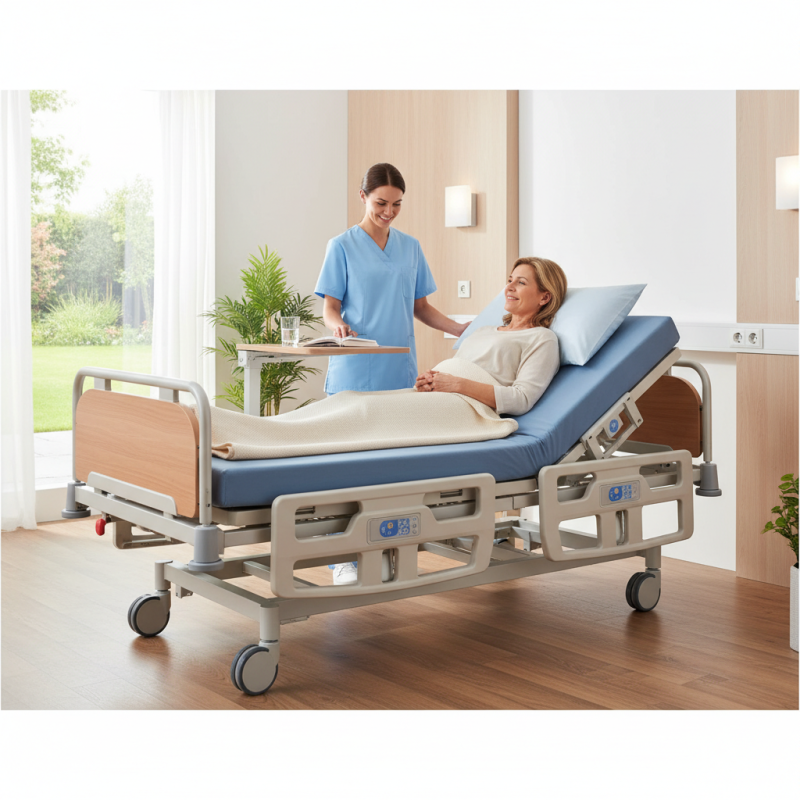
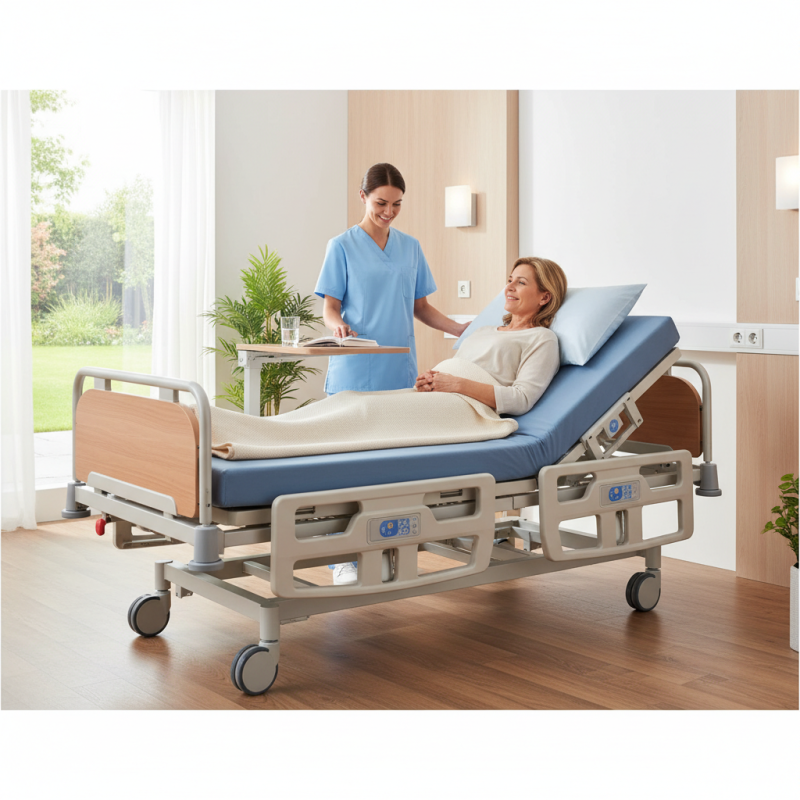
Adjustable features, such as the head and foot elevation, allow patients to find their preferred sleeping or resting position, which is critical for reducing pressure sores and improving circulation.
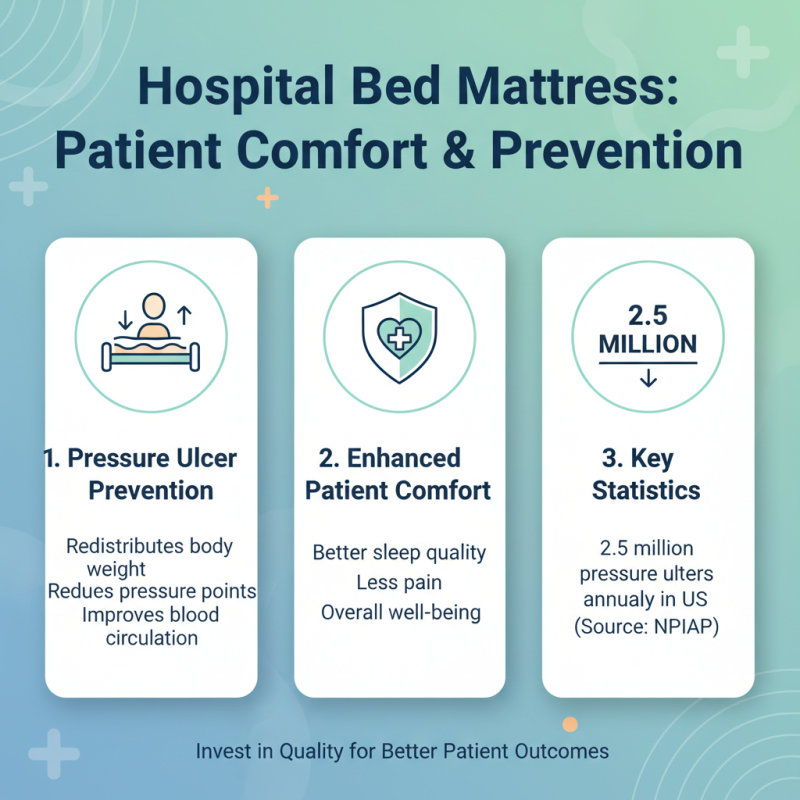
Additionally, the mattress type plays a crucial role in patient comfort. Research from the Journal of Clinical Nursing indicates that high-quality foam mattresses, especially those designed with pressure-relief technology, can reduce pain levels and improve patient satisfaction. These specialized mattresses conform to the body’s shape, distributing weight evenly and alleviating pressure points. Adapting the bed to the patient’s specific medical needs and comfort preferences is essential for recovery and maintaining dignity during hospital stays.
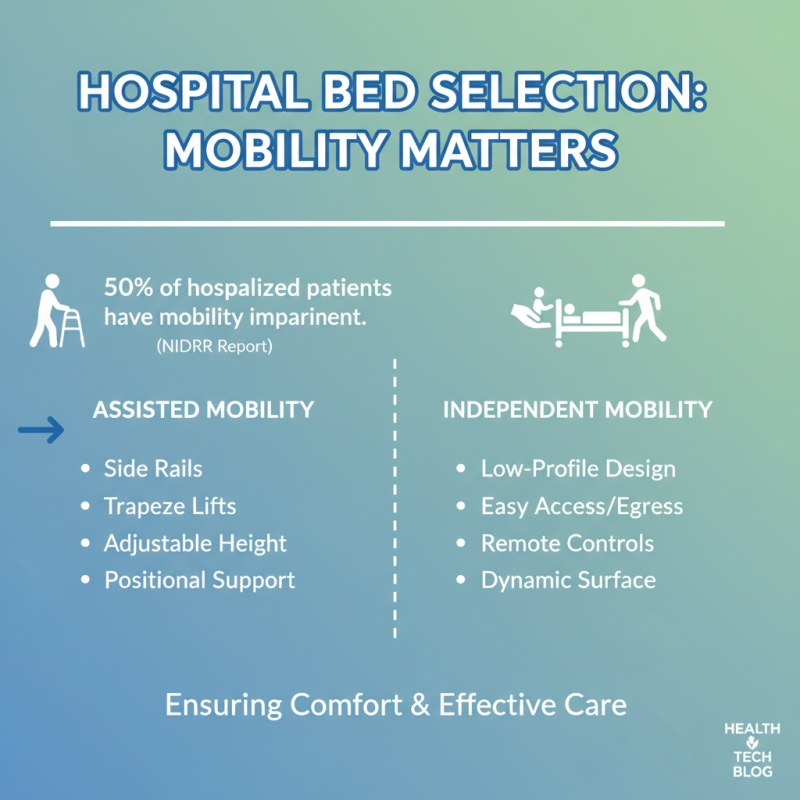
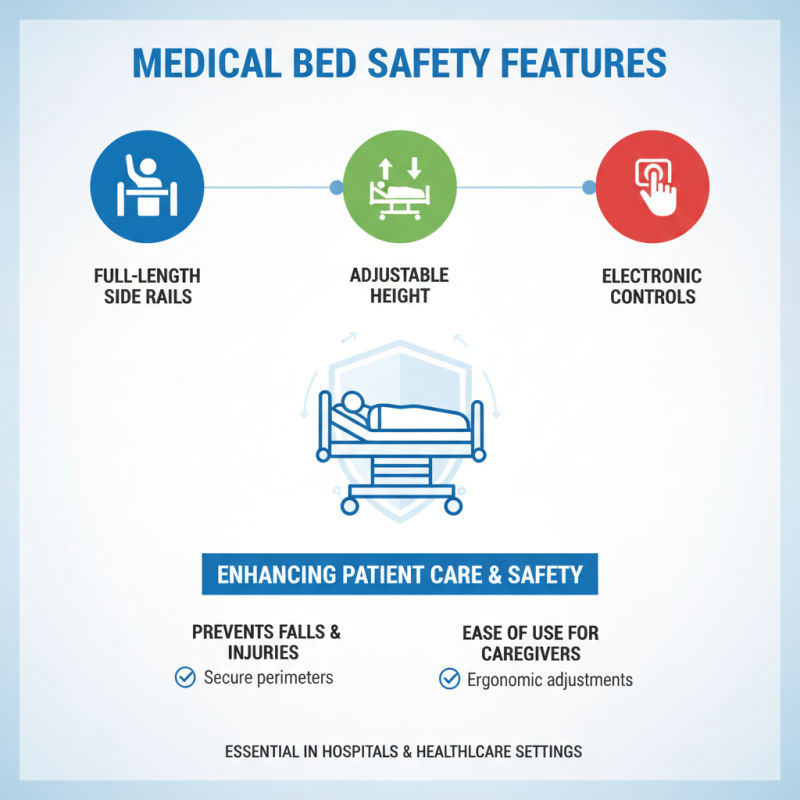
Lastly, the bed’s ease of use for caregivers is another factor that cannot be overlooked. According to the Healthcare Technology Report, hospital beds that feature user-friendly controls and mobility enhancements can facilitate better patient care. By ensuring that caregivers can easily adjust the bed without physical strain, healthcare providers can deliver timely interventions, further enhancing the patient’s comfort and safety in the hospital environment.