作者: ZHOBAI

  • Redefining the Clinical Experience Through Design: Zhobai Sets a New Benchmark for Dental Healthcare Spaces

    Redefining the Clinical Experience Through Design: Zhobai Sets a New Benchmark for Dental Healthcare Spaces

    Redefining the Clinical Experience Through Design: zhobai Sets a New Benchmark for Dental Healthcare Spaces

    The new interior design scheme for Bingding Dental created by Zhobai was recently unveiled. It features the core concept of “Professional Medical Functionality + Humanistic Healing Experience” and creates a whole new experience of space in a dental office from the reception desk, waiting lounges, treatment rooms, and public relaxations area; creating a new standard for the design of medical spaces.

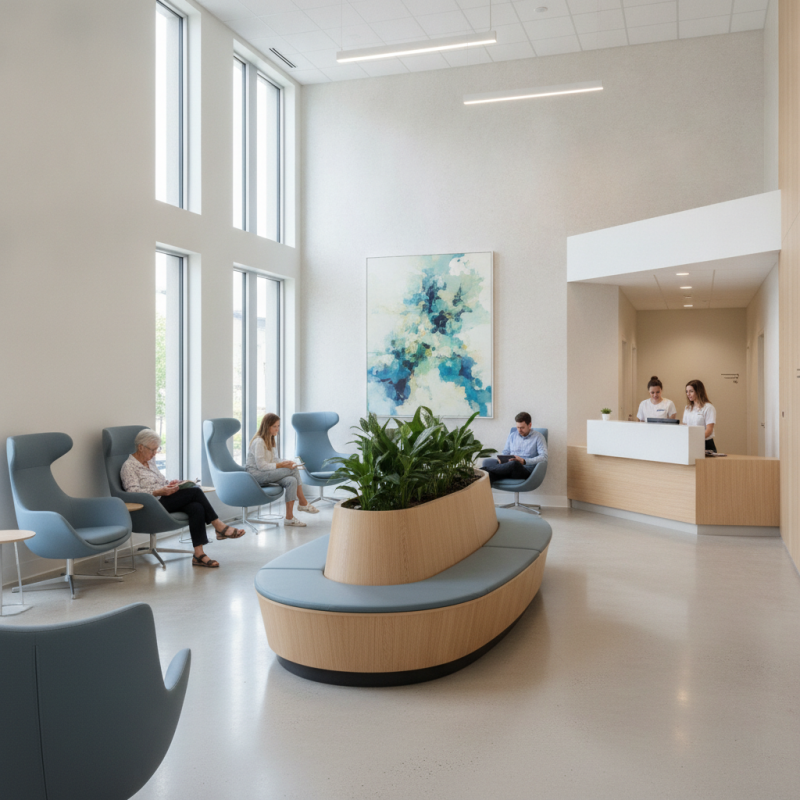
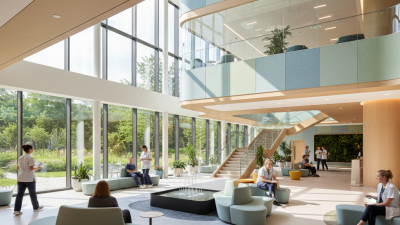
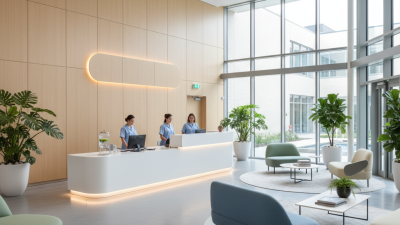
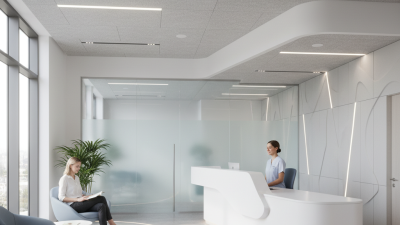
    The reception area features an establishment of warm natural woods and soft, linear lighting to create an aesthetic base for the design. Integration of brand identity with minimalist forms is intended to create an impression that reinforces the professional image of the organization and reduces patient anxiety through an open and light filled space. By including a staircase with glass rails and incorporating living elements such as plants, the entrance area has a combination of modern elegance and natural serenity, creating a friendly first impression to patients.

    Reception area design with natural woods and soft lighting

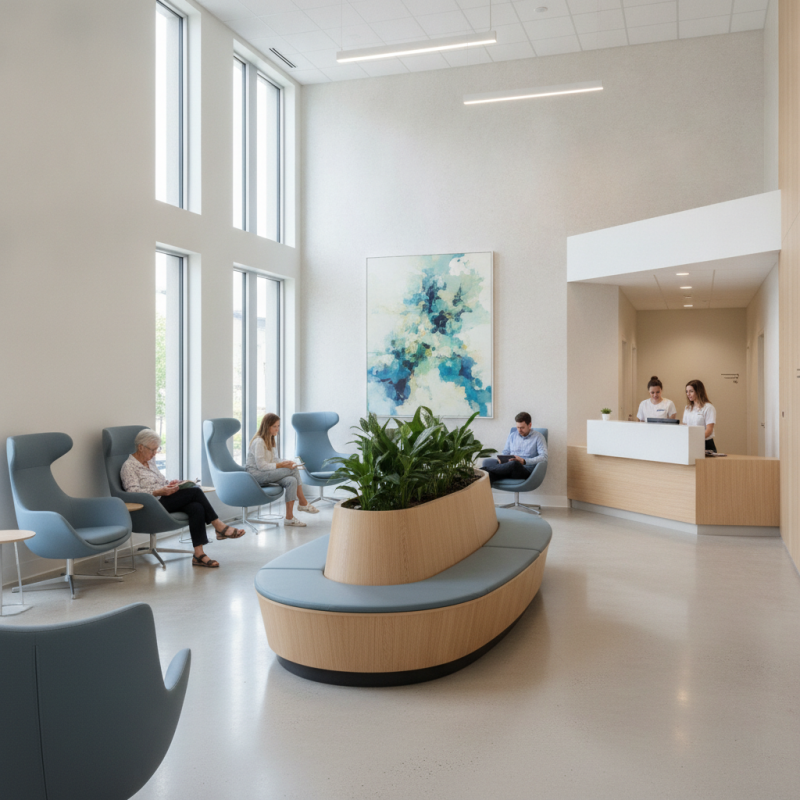
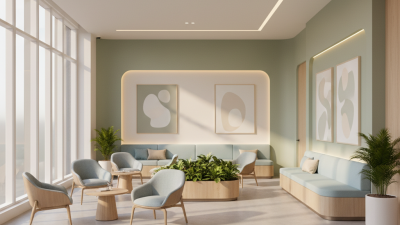
    The atmosphere of the waiting room departs from the traditional sterile coldness associated with other healthcare facilities and becomes a more relaxed social setting, which is supported by the use of coffee bar style seating. The combination of modular sofa seating, round coffee tables, and warm lighting helps to form an informal environment that resembles a boutique coffee shop. The large floor-to-ceiling glass windows create a bright and airy feeling in this open waiting room space, and the open beverage area provides an informal waiting area, which creates a comfortable environment where patients can spend time, thereby positively impacting their experience through the careful planning of each element in the space.

    Boutique coffee shop style waiting room design

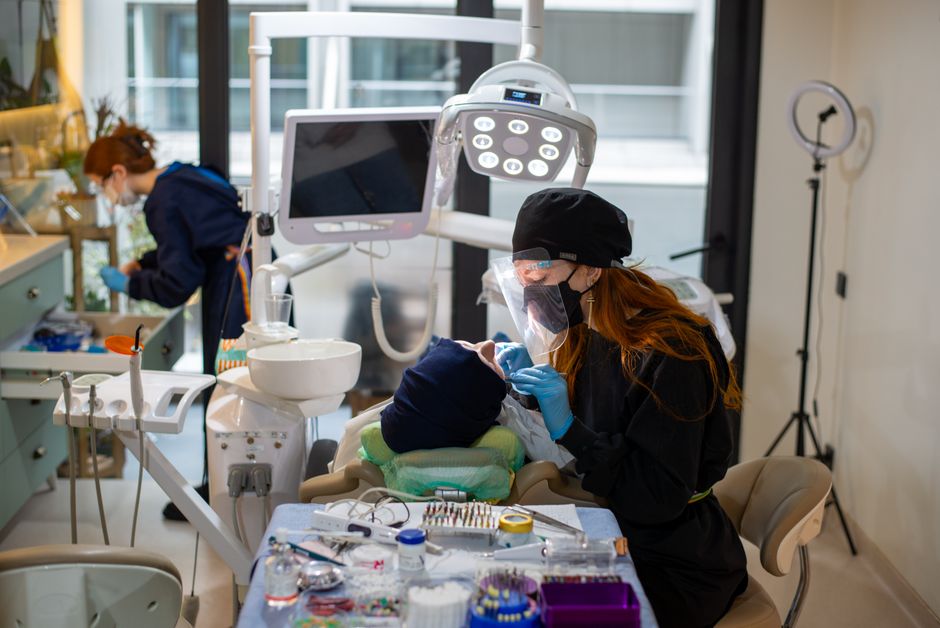
    The consultation room is the most important functional area; the consultation room is designed for maximum professionalism, maximum efficiency, and maximum comfort. The low saturation of light gray and beige white with abundant natural light creates a clean and reassuring clinical environment. The space was scientifically planned using integrated medical equipment strips, custom-designed exam tables, and human scale for spatial arrangement to facilitate ease of operation for medical staff and to reduce patient anxiety during their treatment. The materials used for the consultation room comply with all hygiene regulations for medical facilities and are environmentally friendly, safe, and easy to clean; this provides an excellent balance between safety and aestheti

    Professional and efficient dental consultation room

    In addition, the project has created a dedicated public leisure area, centered around a full-wall bookshelf, modular sofas, and a projection screen, providing patients, their families, and medical staff with a diverse space for relaxation and communication, further extending the human-centered care attributes of the medical environmen

    Public leisure area with bookshelf and sofas

    According to the zhobai team, this project thoroughly implements a one-stop hospital construction solution: from early-stage spatial planning and the scientific coordination of materials and dimensions, to render previews, customized furniture, and medical equipment supply. The entire process addresses core pain points such as space utilization and budget control for clients. All products support personalized customization, perfectly matching the functional needs and brand positioning of dental medical institutions.

  • Zhobai Upgrades and Expands Production Lines to Enhance Hospital Customization and Maritime Delivery Capabilities

    Zhobai Upgrades and Expands Production Lines to Enhance Hospital Customization and Maritime Delivery Capabilities

    Corporate News: zhobai Upgrades and Expands Production Lines to Enhance Hospital Customization and Maritime Delivery Capabilities

    Recently, zhobai officially completed a comprehensive upgrade of its production lines and factory expansion. With the addition of three professional medical furniture production lines, the company has further strengthened its one-stop hospital construction support services. This expansion allows zhobai to efficiently meet the high-volume demand for customized medical furniture and equipment from global clients while optimizing maritime delivery processes and shortening order cycles.

    This strategic upgrade is a key initiative in zhobai’s deep cultivation of the medical support sector and its commitment to a “customer-first” philosophy. It marks a leap forward in the company’s full-chain service capabilities, spanning from design and planning to manufacturing and logistics.

    🏥

    Comprehensive One-Stop Medical Support

    As an enterprise focused on one-stop solutions for hospital construction, zhobai has spent years addressing core pain points such as material coordination, dimensional adaptation, space utilization, and budget optimization across various hospital zones. The company provides global medical institutions with a full-process service—ranging from initial planning and 3D rendering to customized production and international shipping.

    Following this expansion, the factory has integrated specialized equipment for medical-grade welding, bending, and coating, supported by an expert technical team. zhobai now offers precision manufacturing across a full category of medical furniture and essential items, including:

    Patient beds and bedside cabinets
    Nursing carts and medical trolleys
    Nurse stations and consultation desks
    Waiting room seating and instrument cabinets

    These products cover all functional areas, including emergency departments, inpatient wards, medical technology zones, and administrative offices.

    🛠️

    Solving Material and Spatial Challenges

    Choosing the right materials is a common challenge in hospital construction—whether it’s selecting between anti-slip PVC flooring and rubber flooring for wards, or deciding between antibacterial boards and calcium silicate boards for nurse stations. zhobai’s upgraded lines allow for flexible production using diverse materials and dimensions.

    Whether the requirement involves hardwoods like ash or rubberwood, soft finishes like microfiber leather, or hardware materials like stainless steel and aluminum alloy, zhobai can process them with precision. Furthermore, the team leverages extensive spatial planning experience to help clients optimize material choices and dimensions, ensuring layouts accommodate wheelchair access and medical workflows while maximizing space and controlling budgets.

    🚢

    Visualized Customization and Global Delivery

    The upgrade also introduces a dedicated design and 3D rendering team. Based on a client’s hospital layout and preferences, they can quickly produce high-definition renderings, allowing clients to preview furniture arrangements and spatial effects, significantly reducing communication costs.

    On the logistics front, zhobai has deepened its cooperation with leading international shipping lines. By optimizing the entire process of packaging, customs clearance, and transportation, zhobai ensures that customized medical furniture and equipment reach global destinations safely and efficiently, eliminating the logistical concerns often associated with international procurement.

    🚀

    Looking Toward the Future

    A spokesperson for zhobai stated that this expansion represents more than just a boost in capacity; it is an upgrade in service quality. Moving forward, zhobai will continue to leverage its upgraded production advantages to refine its one-stop service model. By strengthening design, customization, and maritime delivery, the company aims to provide global medical institutions with more professional, efficient, and cost-effective solutions. This initiative supports the “Healthy China 2030” strategy while enhancing zhobai’s international brand influence and digital presence.

    Keywords: zhobai, Production Line Upgrade, Factory Expansion, Medical Furniture, Customization Service, Hospital Construction, One-stop Service, Nursing Carts, Medical Trolleys, Material Optimization, Space Planning, 3D Rendering, Maritime Delivery.

    zhobai Production Line Upgradezhobai Factory Expansion

  • How Medical Furniture Manufacturers Can Thrive at Canton Fair 2026?

    How Medical Furniture Manufacturers Can Thrive at Canton Fair 2026?

    The upcoming Canton Fair 2026 is shaping up to be a pretty big deal for Medical Furniture Manufacturers looking to get more noticed and expand their reach. Dr. James Hawthorne, a well-respected expert in the field, points out that “being adaptable is absolutely key to thriving in this ever-changing market.” Thanks to new features like AI-powered navigation and smarter search tools, exhibitors now have a better chance to connect with the right buyers—making the whole process a lot more efficient.

    Each part of the Fair tends to focus on different sectors, but the third segment really shines a light on healthcare, emphasizing just how vital medical furniture is in this industry. As competition heats up, manufacturers really need to showcase innovation and high quality. Little details matter—a comfy, ergonomic hospital bed or the sturdy build of medical furniture can make a big difference.

    It’s also super important for every Hospital Furniture Manufacturer attending to stay proactive. Sure, some companies might try to wow visitors with flashy booths, but what’s often missing is genuine engagement with potential buyers. Taking a moment to focus on real connections can actually make a huge difference in how effective your presence is at the Canton Fair. Remember, it’s not just about selling products; building trust and relationships is what really counts in the end.

    How Medical Furniture Manufacturers Can Thrive at Canton Fair 2026?

    Strategies for Medical Furniture Manufacturers at Canton Fair 2026

    The Canton Fair 2026 presents a unique opportunity for medical furniture manufacturers to showcase their products. With an expected attendance of over 200,000 buyers, standing out is essential. According to industry reports, the global medical furniture market is projected to reach $38 billion by 2025. This growth highlights the need for innovative designs and quality materials.

    Tips: Focus on sustainability. Eco-friendly products attract attention. Think about materials that are both durable and green. Quality matters. Research shows that 75% of buyers prioritize product quality over price.

    Engagement is key. Interacting with potential buyers can enhance brand recognition. Consider hosting product demonstrations in your booth. Visual storytelling can create strong connections. Remember, the layout of your display should reflect your brand’s identity. Yet, many manufacturers overlook this detail. Ensure your presentation is not only informative but also visually appealing.

    Tips: Use digital tools. Virtual tours or augmented reality can leave a lasting impression. Share behind-the-scenes insights about your production process. Transparency builds trust, and trust can lead to sales.

    As a Hospital Furniture Manufacturer in China, analyzing competition is crucial. Make sure to differentiate your offerings. What are their strengths? What gaps can you fill? Reflecting on these questions can help shape your strategies for success at the fair.

    Understanding the Importance of Market Trends in Medical Furniture

    Understanding market trends is crucial for medical furniture manufacturers at events like the Canton Fair 2026. Not only do these trends shape consumer preferences, but they also dictate product design and functionality. Keeping up with market demands can lead to better sales and brand recognition.

    Tips: Regularly analyze industry reports. Engage in conversations with healthcare professionals. Attend workshops on medical innovations.

    The shift towards sustainability is becoming more prominent. Manufacturers should consider eco-friendly materials. It’s also essential to explore ways to make furniture more ergonomic. These strategies can attract health institutions looking for modern solutions.

    Staying ahead means embracing feedback too. Listening to clients can help refine old designs. Sometimes, revisiting past concepts might yield unexpected improvements. Balancing tradition and innovation can be tricky but rewarding.

    How Medical Furniture Manufacturers Can Thrive at Canton Fair 2026? – Understanding the Importance of Market Trends in Medical Furniture

    Trend Description Projected Growth (%) Target Audience
    Sustainable Materials Increasing demand for eco-friendly medical furniture. 15% Hospitals and Clinics
    Smart Furniture Integration of technology in medical furniture for improved patient care. 25% Healthcare Providers
    Modular Designs Flexible furniture solutions that adapt to changing medical environments. 18% Healthcare Institutions
    Telehealth Solutions Furniture that supports telehealth services. 30% Patients and Providers

    Key Features to Highlight in Medical Furniture Exhibits

    When exhibiting medical furniture at the Canton Fair 2026, it’s crucial to highlight specific features. Attendees seek innovative designs that blend functionality with comfort. A recent industry report by Research and Markets indicates that the global medical furniture market size is projected to reach $32 billion by 2026. This growth is driven by an increasing demand for ergonomic solutions in healthcare settings.

    Showcasing durability is vital. Medical furniture must withstand rigorous use in hospitals and clinics. Materials used should be easy to clean and resistant to stains. Presenting data about your products’ compliance with health regulations, like being an Iso 13485 Certified Furniture Manufacturer, can reassure potential buyers about safety and quality.

    Tip: Ensure your exhibits are interactive. Allow potential clients to test the comfort and functionality of your furniture. They appreciate practical demonstrations over just viewing static displays.

    Another aspect to consider is customization options. Healthcare facilities often require furniture that meets specific needs. Offering modular designs can set you apart from competitors. Listening to client feedback during the fair will help refine your offerings.

    Tip: Create a feedback form for visitors. This can provide insights and highlight areas for improvement. Engaging with visitors fosters relationships and shows you value their opinions.

    Effective Networking Tactics for Building Industry Connections

    How Medical Furniture Manufacturers Can Thrive at Canton Fair 2026?

    At the Canton Fair 2026, effective networking is crucial for medical furniture manufacturers. Building genuine relationships can lead to potential partnerships. According to industry reports, 72% of B2B transactions are influenced by personal connections. This highlights the importance of face-to-face meetings and meaningful conversations.

    Participating in workshops or panel discussions can enhance visibility. Manufacturers should focus on showcasing innovations in medical furniture. Sharing insights and trends helps in establishing authority. A recent survey showed that 65% of attendees value exhibitors who offer valuable information, not just products.

    Navigating the vast network at the fair may feel overwhelming. Manufacturers may struggle to connect genuinely. Being proactive and engaging in discussions can open doors. Using platforms like social media before the event is valuable. For an office desk manufacturer, leveraging online interactions leads to stronger outcomes. Small, focused touchpoints often make the biggest impact. Embracing imperfection in initial interactions can lead to valuable growth.

    How to Leverage Technology for Enhanced Product Presentations

    In today’s competitive market, showcasing
    Medical Furniture effectively at Canton Fair 2026 is crucial. Leveraging technology can significantly enhance product presentations.
    With 3D modeling software, manufacturers can create interactive displays. Potential buyers can visualize products in detail. Virtual reality can offer immersive experiences, allowing clients to test furniture virtually.

    Tips for effective presentations:
    Use high-quality visuals. Create engaging multimedia content. Short videos can capture attention quickly. Consider incorporating augmented reality. It allows clients to see how Medical Furniture fits into spaces. A clean, well-organized booth layout helps showcase products better.

    Digital tools can also streamline communication. Chatbots or QR codes offer instant information. However, overusing technology may distract from the product. Keep the focus on the Medical Furniture itself. Authenticity matters. Showcasing real user testimonials can enhance trust. Make room for feedback. Improvement is always possible.

    Navigating Logistics: Shipping and Setup for Canton Fair Exhibits

    Shipping and setup are crucial for success at the Canton Fair. Manufacturers need to thoughtfully plan their logistics, especially medical furniture, to stand out. Start by understanding the exhibition space. Knowing the dimensions helps avoid last-minute issues. Create a detailed layout of your booth. This space should highlight your products effectively.

    Tip: Use a reliable logistics partner. They can manage shipping timelines and customs clearance. Track shipments regularly. Unexpected delays can disrupt your plans. Make sure all furniture is well-packed to prevent damage during transit.

    Setup day can be chaotic. Arrive early to set up and test everything. Check lighting and display angles. Ensure that products are accessible and inviting.

    Tip: Have a backup plan. Equipment may fail, or shipments may arrive late. Being prepared for these hiccups can ease stress. Reflect on your experiences. What worked well? What needs improvement? Adapting to challenges creates a better strategy for future fairs.

    Engaging Prospective Clients: Best Practices for Sales Pitches

    Canton Fair 2026 is a prime opportunity for medical furniture manufacturers. Engaging potential clients is crucial. A well-crafted sales pitch can make a significant difference in attracting buyers. According to industry reports, effective sales presentations can increase conversion rates by up to 65%. Yet, many manufacturers miss the mark.

    Visual aids, like product demos, are vital. They help to illustrate the functionality of medical furniture. Simple, clear visuals can leave a lasting impression. However, many manufacturers still rely on text-heavy slides. This often leads to disengagement. It’s essential to strike a balance between information and engagement. Sales pitches should be interactive. This approach fosters dialogue rather than a one-way conversation.

    Understanding your audience is key. Research indicates that tailored presentations yield better results. Manufacturers should focus on the unique needs of healthcare institutions. Addressing pain points can resonate with potential clients. However, being too generalized in the pitch can lead to misunderstandings. Listening to feedback is essential for refining the message. Continuous self-reflection on sales tactics is necessary. It keeps the pitch relevant and impactful.

    Versatile and Adjustable: The All One VESA Mobile Medical Laptop Cart for Modern Healthcare Environments

    The All One VESA Mobile Medical Laptop Cart is designed to meet the dynamic needs of modern healthcare environments, emphasizing versatility and adjustability. With its compact dimensions and lightweight design, this cart seamlessly fits into various settings, from primary care facilities to mobile clinics. Its pneumatic lift feature allows for effortless height adjustments between 870mm to 1020mm with just a single button, making it convenient for both adult and pediatric patients, as well as multiple staff users.

    The cart is built to accommodate demanding healthcare tasks, featuring a robust construction that supports up to 12kg. Its anti-slip panel is customizable to secure a range of small medical devices, ensuring they are stable during operation. Additionally, the cart is equipped with silent wheels that operate at a remarkably low noise level, promoting a quiet environment essential for patient care. An organized basket adds further functionality, providing a convenient space for accessories and tools needed for effective healthcare delivery on the move. These thoughtful design elements make the All One VESA Mobile Medical Laptop Cart an indispensable asset for any healthcare professional striving for efficiency and adaptability in patient care.

    FAQS


    : What key features should be highlighted in medical furniture exhibits?

    : Focus on innovative designs, functionality, and comfort. Durability is also essential for hospitals and clinics.


    How important is compliance with health regulations?

    It reassures buyers about safety and quality, especially in medical environments.


    Why should exhibits be interactive?

    Allowing clients to test furniture demonstrates comfort and functionality, which is more impactful than static displays.


    What customization options should be offered?

    Modular designs can meet specific needs of healthcare facilities. Client feedback is vital for improving offerings.


    How can networking be effective at the fair?

    Build genuine relationships through face-to-face meetings. Personal connections influence many B2B transactions.


    What strategies can enhance visibility at the fair?

    Participate in workshops and share insights on medical furniture trends. It helps establish authority in the field.


    What are logistics essentials for the Canton Fair?

    Understand the exhibition space and create a detailed layout. Plan logistics carefully to avoid last-minute issues.


    How can disruptions during setup be managed?

    Arrive early and test everything. Have a backup plan ready for unexpected challenges.


    Why is reflecting on past experiences important?

    It helps identify what worked well and what needs improvement, leading to better strategies for future exhibits.


    What should be considered for shipping medical furniture?

    Use a reliable logistics partner and track shipments to avoid unexpected delays or damage during transit.

    Conclusion

    The article “How Medical Furniture Manufacturers Can Thrive at Canton Fair 2026” outlines essential strategies for success at this significant event. Medical Furniture Manufacturers can enhance their presence by embracing current market trends, ensuring their products meet the evolving needs of healthcare environments. Highlighting key features in exhibits can attract prospective clients, while effective networking tactics are crucial for building valuable industry connections.

    Furthermore, leveraging technology for product presentations can significantly engage attendees and showcase innovations in medical furniture design. Manufacturers must also navigate logistical challenges related to shipping and exhibit setup, ensuring a smooth experience at the Fair. Finally, implementing best practices for sales pitches can effectively engage prospective clients, fostering relationships that are essential for long-term success in the medical furniture industry.

    Blog Tags:

    Isabella

    Isabella

    Isabella is a dedicated marketing professional with extensive expertise in the healthcare furniture manufacturing industry. With years of experience under her belt, she possesses an in-depth understanding of the intricate needs of hospitals, clinics, and laboratories. Isabella is passionate about……


    Previous


    How to Design a Clinic for Success at the 2026 Canton Fair?

  • How to Design a Clinic for Success at the 2026 Canton Fair?

    How to Design a Clinic for Success at the 2026 Canton Fair?

    As the 2026 Canton Fair gets closer, ‘Clinic Design’ is definitely stepping into the spotlight. Industry expert Dr. Emily Grant from Design Health Innovations points out, ‘The success of a clinic really depends a lot on its design.’ Honestly, that’s so true—clinics are gearing up to connect with both clients and industry players, so good design is more important than ever.

    This year’s fair is packed with three separate sessions, each focusing on different areas. The first one dives into advanced manufacturing and the latest materials, which sounds pretty exciting. And then there’s the third session—pretty intriguing for anyone into clinic planning—where they’ll look at healthcare sectors specifically. Attendees will also get to check out new innovations in Clinic Seating that aim to make patient experience more comfortable and easier to access. Plus, the fair will showcase how AI tools can dramatically cut down the time needed to find the right suppliers.

    That said, there’s still a lot of folks who don’t quite know how to make the most of their space. Many clinics face tough choices about layout, which can really impact how smoothly things run. So, addressing these space planning challenges at the fair could lead to some seriously better-designed clinics. As we look ahead to 2026, exploring different clinic layouts and ideas is going to be key to making sure they’re successful.

    How to Design a Clinic for Success at the 2026 Canton Fair?

    Understanding the Importance of Clinic Design for Success

    How to Design a Clinic for Success at the 2026 Canton Fair?

    Designing a clinic requires thoughtful planning. The layout directly affects patient experience and operational efficiency. A well-designed space can significantly improve patient comfort and satisfaction. An inviting atmosphere can encourage more visitors. It’s crucial to consider how each area will serve its purpose.

    **Tips:** Focus on functionality. Pay attention to patient flow. Ensure easy navigation in your clinic. A welcoming reception area sets the tone. Keep the design simple and clean. Overly complex layouts can confuse patients. Use calming colors and natural light to enhance comfort.

    Incorporating feedback from staff is vital. They understand the daily operations. Their insights can identify practical needs. Are there areas that feel cramped? Is the waiting area comfortable? Design should aim for efficiency but also reflect a healing environment. Regularly revisit your design choices; adaptations may be necessary as needs evolve.

    Identifying Target Audience and Their Needs at the Canton Fair

    Understanding the target audience at the Canton Fair is crucial for clinic success. Recent market research shows that 58% of attendees seek innovative healthcare solutions. Identifying these needs can help tailor the clinic design. For instance, families often look for child-friendly services. The layout must prioritize accessibility and comfort, ensuring a welcoming atmosphere.

    Engaging with visitors through interactive displays can effectively capture attention. A well-placed Clinic Counter can serve as a focal point. It allows for direct communication, enhancing the visitor experience. Surveys indicate that informative brochures and demonstrations can increase interest by up to 40%. This suggests that clinics should prioritize interaction over passive displays.

    However, not every strategy may produce the desired results. Some clinics report that their designs didn’t connect with younger audiences. This discrepancy can stem from not adapting to cultural nuances. Continuous feedback is essential for making adjustments. Identifying the right features for the Clinic Counter will be an ongoing process. Regular updates based on attendee feedback can lead to a more successful design in 2026.

    Key Elements of an Effective Clinic Layout and Flow

    Designing a clinic for success at the 2026 Canton Fair requires careful consideration of layout and flow. A well-thought-out plan minimizes distractions and enhances patient experience. Begin with a welcoming reception area. Comfortable seating can reduce anxiety. Clear signage helps guide visitors.

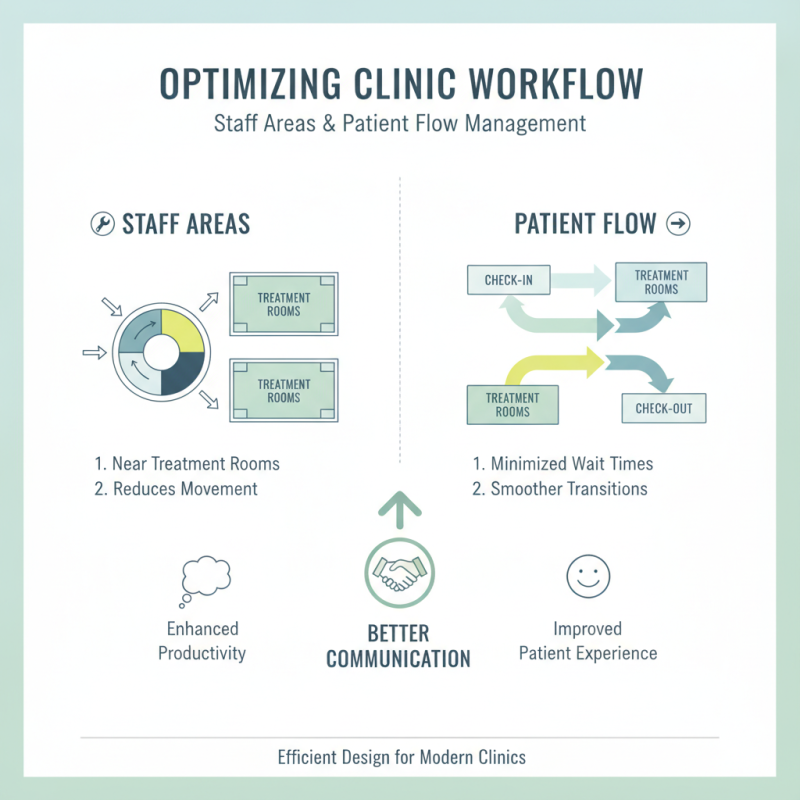
    Consider the treatment areas next. They should be easily accessible from the reception. A logical flow reduces patient wait times. It’s important to reflect on the arrangement. Are the rooms well-equipped? Can staff move efficiently between them? Including recovery spaces for patients can also improve comfort and satisfaction.

    Don’t forget about privacy. Soundproofing materials are vital to maintain confidentiality. However, achieving this can be challenging in bustling environments. A balance between openness and privacy is necessary. Continuous feedback from staff and patients will lead to improvements. Regularly reassessing the clinic’s flow can drive success. Small adjustments can make a significant impact over time.

    Clinic Design Key Elements – 2026 Canton Fair

    This bar chart illustrates the suggested space allocation percentages for key areas in a successful clinic design at the 2026 Canton Fair. The largest percentage is allocated to Treatment Rooms, highlighting the importance of dedicated areas for patient care.

    Incorporating Innovative Technology in Clinic Design

    How to Design a Clinic for Success at the 2026 Canton Fair?

    Designing a clinic with innovative technology requires thoughtful planning. Digital signage can enhance patient flow. Large screens in waiting areas display real-time updates. This keeps patients informed and reduces anxiety. Simple use of bright colors can make the atmosphere welcoming.

    Telemedicine stations should be strategically placed. They enable virtual consultations without compromising privacy. Make sure these areas are comfortable. However, finding the balance between tech and human touch is crucial. Too much technology may feel impersonal for some patients.

    Incorporating touchless technology improves hygiene. Automated doors and payment kiosks can minimize contact. Still, consider the accessibility of such features. Not all patients are tech-savvy, and some may struggle with devices. It’s essential to create a blend that promotes comfort and efficiency.

    Strategies for Building a Strong Brand Presence at the Fair

    Building a strong brand presence at the Canton Fair requires strategic planning. Start by creating an inviting booth with comfortable Clinic Furniture. This sets the tone and makes visitors feel welcome. The layout should encourage exploration and interaction. Consider incorporating technology. Tablets and screens can showcase services or products effectively.

    Every element matters, from signage to promotional materials. Use clear, concise messaging. Visuals should be striking yet informative. Avoid clutter; too much information can overwhelm. However, there’s a fine line. Overly simplistic designs might come off as unprofessional. It’s essential to find balance.

    Engagement is key. Train your staff to be approachable and knowledgeable. They must understand not just the products but also the brand’s story. Mistakes happen. If staff seem disengaged, it can drive visitors away. Regular training and feedback sessions can improve their visitor interactions. Reflect on these aspects during the Fair to build a lasting impression.

    How to Design a Clinic for Success at the 2026 Canton Fair? – Strategies for Building a Strong Brand Presence at the Fair

    Strategy Description Expected Outcomes Measurement Metrics
    Branding Design Create a visually appealing booth that reflects the clinic’s values and services. Increased brand recognition and attendee interest. Visitor feedback and booth traffic analysis.
    Interactive Sessions Host live demonstrations or Q&A sessions with medical experts. Higher engagement and information retention among visitors. Attendance numbers and participant surveys.
    Promotional Material Distribute brochures, business cards, and branded giveaways. Enhanced recall of the clinic’s services post-event. Post-event follow-up surveys and engagement metrics.
    Networking Build relationships with potential partners and clients. Expanded professional network and future collaboration opportunities. Number of business cards exchanged and follow-up meetings scheduled.
    Digital Presence Utilize social media and live streaming to showcase the clinic’s participation. Wider reach and engagement through online channels. Social media metrics, engagement rates, and online impressions.

    Staff Training and Engagement for Optimal Visitor Interaction

    Designing a successful clinic for the 2026 Canton Fair involves more than just visuals; staff training is crucial. Engaging staff can elevate visitor interaction significantly. When employees feel valued, they convey that warmth to visitors. However, it is easy to overlook this part amidst planning.

    Training sessions should focus on communication and empathy. Role-playing can prepare staff for diverse interactions. Use real scenarios to foster genuine responses. Yet, executing this effectively can be challenging. Some staff may struggle with confidence in these situations. Continuous training and feedback can help alleviate this issue.

    Considering the physical environment is also important. An Ergonomic Clinic Chair can greatly enhance staff comfort, reducing fatigue. When employees are comfortable, they are more likely to engage positively with visitors. Monitor staff well-being regularly and adjust working conditions as necessary. Reflection on these points can lead to not only improved staff performance but also a welcoming atmosphere for visitors.

    Evaluating Success Metrics Post-Event for Future Improvements

    Designing a clinic for the 2026 Canton Fair requires careful evaluation of success metrics post-event. After the fair, ask yourself: Did visitors engage with your booth? Did they seem interested in your services? Use surveys to gather feedback from attendees. This data can help identify areas needing improvement.

    Consider the layout of your clinic space. Are the clinic waiting room chairs comfortable and welcoming? If attendees expressed discomfort, this feedback is crucial to enhancing the environment. Assess the quality and accessibility of materials you provided. Did they convey your message clearly? Analyze which resources attracted more interest and which were overlooked.

    Look at your team’s performance as well. Were they approachable and knowledgeable? Engaging staff can make a big difference in success. If attendees didn’t interact with your team, it might be time for training sessions. Reflect on these elements to ensure future events are even more successful. Continuous improvement is key to building a thriving clinic.

    Enhancing Collaboration: Industry Insights on Modern Conference Table Designs for Optimal Business Meeting Spaces

    As businesses evolve towards more flexible and collaborative environments, modern conference table designs are becoming essential for fostering effective teamwork. Industry research indicates that over 70% of employees prefer spaces that promote collaboration, leading to the adoption of innovative table designs. One notable trend is the use of modular collaborative tables that can be easily reconfigured to suit various meeting styles and group sizes. This adaptability not only enhances functionality but also aligns with the increasing demand for dynamic workspaces.

    The Light Wood Modular Collaborative Table exemplifies the shift towards biophilic design principles that emphasize natural elements and sustainability. Studies show that incorporating nature-inspired designs in the workplace can improve employee well-being and productivity by up to 15%. As organizations look to create environments that resonate with the concepts of wellness and connectivity, choosing materials such as sustainable wood can also reinforce a company’s commitment to environmental responsibility.

    Furthermore, the appeal of such modern designs extends beyond aesthetics; they facilitate a more inclusive meeting culture. With elements that encourage movement and interaction, these tables help break down traditional hierarchical barriers, making contributions from all team members more accessible. As we look ahead to 2025, investing in adaptable, stylish, and sustainable conference solutions will be paramount for organizations aiming to enhance collaboration and drive innovation.

    FAQS


    : Why is clinic design important?

    : Clinic design directly affects patient experience and operational efficiency. A well-planned layout enhances comfort and satisfaction.


    How can I ensure my clinic is inviting?

    Focus on simple and clean design. Use calming colors and natural light to create a welcoming atmosphere.


    What role does staff feedback play in clinic design?

    Staff feedback helps identify practical needs. Their insights can highlight cramped areas or uncomfortable waiting spaces.


    How can I engage visitors effectively?

    Use interactive displays and informative brochures. Engaging activities can capture attention and increase visitor interest.


    What challenges might arise from clinic design?

    Some designs may not resonate with younger audiences. It’s essential to adapt to different cultural needs for better connection.


    How crucial is staff training in a clinic’s success?

    Staff training enhances visitor interactions. Engaged employees convey warmth and empathy, improving the overall experience for visitors.


    Can the physical environment impact staff performance?

    Yes, ergonomic furniture can improve staff comfort. Comfortable employees are more likely to engage positively with visitors.


    Should I re-evaluate my clinic design regularly?

    Yes, regularly revisiting design choices is vital. Patient needs evolve, and adapting can lead to better outcomes.


    What common mistakes do clinics make in their design?

    Overly complex layouts can confuse patients. Ensuring ease of navigation is essential for a positive experience.


    How can I address staff confidence issues in training?

    Continuous feedback and role-playing can build confidence. Real scenarios help staff prepare for diverse visitor interactions.

    Conclusion

    The design of a clinic plays a crucial role in achieving success at the 2026 Canton Fair. By understanding the importance of clinic design, exhibitors can identify their target audience and tailor their offerings to meet specific needs. An effective clinic layout should facilitate smooth visitor flow while integrating innovative technology to enhance the overall experience.

    Creating a strong brand presence is essential for standing out at such a prominent event, necessitating strategies that resonate with the audience. Additionally, investing in staff training and engagement ensures optimal interaction with visitors, fostering meaningful connections. Finally, evaluating success metrics after the event will provide insights for continuous improvement, making each future appearance even more effective in terms of clinic design and execution.

    Blog Tags:

    Isabella

    Isabella

    Isabella is a dedicated marketing professional with extensive expertise in the healthcare furniture manufacturing industry. With years of experience under her belt, she possesses an in-depth understanding of the intricate needs of hospitals, clinics, and laboratories. Isabella is passionate about……


    Previous


    Discover Top Hospital Furniture Solutions at China Import Expo?

  • University Psychiatry Center Groningen: Design That Reduces Patient Resistance & Promotes Normalcy

    University Psychiatry Center Groningen: Design That Reduces Patient Resistance & Promotes Normalcy

    Reducing Patient Resistance—University Psychiatry Center at Groningen
    Atelier PRO and Vakwerk Architecten were commissioned by the University Medical Center at Groningen in the Netherlands to design a new psychiatry center. The design aimed to minimize patient resistance to hospitalization and maintain their connection with society.

    Sunlight

    Waking up to natural morning sunlight

    Meaningful Spaces

    Creating warm, homely environments

    Normalcy

    Maintaining connection with society

    University Psychiatry Center Design
    The new University Psychiatry Center (UCP) replaces the old facility from the 1960s and is part of a broader campus renovation project. The center includes treatment and research rooms, outpatient wards, and inpatient wards. Two corridors surround a green courtyard, connecting the outpatient and inpatient departments. The inpatient wards are laid out facing the city and east, allowing patients to wake up to the morning sunlight, while treatment rooms are located on the opposite side, facing the central medical building.
    Natural light is central to the design; east-facing wards enjoy the morning sun, while living areas are filled with gentle afternoon and evening light. Ample natural light helps maintain patients’ circadian rhythms, which are crucial for mental health. A large central outdoor courtyard offers all users the opportunity to enjoy sunshine, greenery, and fresh air. The garden is open to patients, visitors, staff, and researchers, ensuring everyone can enjoy the outdoor environment. Even patients in restricted wards have access to private outdoor spaces.
    UCP Natural Light and Courtyard
    Creating meaningful spaces is another core principle of the design. From the entrance lobby to the wards, the design avoids the traditional medical feel. Colors, light, and materials are carefully selected to create a warm, homely environment, reducing the institutionalized feeling. Window sills are emphasized as informal spaces, providing a sense of security and connection to the outside world.
    The new UCP is unlike a typical hospital. Wards are designed like homes, with curtains and large window sills allowing family members to stay overnight. This design brings a sense of normalcy and comfort to patients. UCP balances patient care and research, combining treatment with scientific research to improve the treatment outcomes for psychiatric patients. While providing a warm, home-like atmosphere for patients, the facility also offers efficient workspaces for staff and researchers, ensuring a supportive environment.
    UCP Interior Design

    Project Name:
    University of Groningen Psychiatry Center
    Project Location:
    Netherlands
    Designer:
    Atelier PRO + Vakwerk Architecten
    Photography:
    Eva Bloem

  • Discover Top Hospital Furniture Solutions at China Import Expo?

    Discover Top Hospital Furniture Solutions at China Import Expo?

    As healthcare keeps changing, there’s a growing interest in new, innovative Hospital Furniture Solutions. The China Import Expo is really a great chance to check out what’s new in hospital furniture. You’ll find everything from ergonomic designs to multi-use furniture—exhibitors are eager to show off a wide range of products that can improve patient care and make life easier for staff.

    At the expo, you’ll see manufacturers showcasing items that meet international standards. Things like easy-to-move features and materials that are super easy to keep clean are key. But honestly, not all solutions hit the mark for every situation. Some designs don’t offer enough storage space or room for equipment, which makes you wonder—how do you find the right balance between function and comfort?

    Looking through this huge market can be pretty overwhelming for buyers. Luckily, the event also features AI-powered tools that help you find the best suppliers. Still, even with all this tech, it’s not always straightforward. Picking hospital furniture solutions that mix good quality with affordability takes some careful thought—there’s no one-size-fits-all answer, after all.

    Discover Top Hospital Furniture Solutions at China Import Expo?

    Introduction to Hospital Furniture Solutions at China Import Expo

    The China Import Expo has emerged as a pivotal platform for showcasing innovative hospital furniture solutions. This year’s expo is set to highlight the latest trends aimed at enhancing patient care and operational efficiency. Statistics show the global hospital furniture market is expected to reach $13.2 billion by 2026. There is a pressing need for modern healthcare facilities to invest in
    Turnkey Hospital Furniture Solutions that optimize space and functionality.

    A significant emphasis is placed on ergonomic designs. Comfortable, supportive furniture can lead to better patient outcomes, as studies link thoughtful design with recovery rates. In fact, 65% of healthcare professionals believe that the quality of furniture directly affects patient satisfaction. However, many hospitals still struggle with outdated models that lack flexibility. This gap poses challenges, requiring continuous evaluation of current products and potential upgrades.

    Sustainability is also a key focus at this expo. Eco-friendly materials are becoming preferred for hospital interiors. Yet, the transition is slow. Many facilities find it difficult to balance cost with sustainability. The integration of sustainable Turnkey Hospital Furniture Solutions must be approached thoughtfully. This reflects a broader industry trend towards environmental responsibility, but execution often falls short. It’s a topic that merits deeper discussion as healthcare evolves.

    Key Exhibitors Showcasing Innovative Hospital Furniture

    The China Import Expo is a haven for those seeking innovative hospital furniture solutions. Key exhibitors are set to showcase their latest designs. These pieces not only aim to enhance patient comfort but also focus on functionality and efficiency. The exhibition will highlight how modern designs can transform healthcare environments.

    Tips: Consider the importance of ergonomics in hospital furniture. This can significantly influence patient recovery and comfort. Look for solutions that prioritize ease of cleaning and durability. Simple furniture can sometimes lead to better outcomes.

    Visitors should be prepared to see a range of hospital beds, chairs, and waiting area solutions. Each piece reflects thoughtful design aimed at improving the healthcare experience. However, not every solution will fit every facility. Be critical and discerning when evaluating these products. Sometimes, less flashy designs may offer more practicality and comfort.

    Types of Hospital Furniture Available at the Expo

    The China Import Expo is set to showcase a variety of essential hospital furniture solutions. This year’s event focuses on
    practical designs and innovative features that enhance patient care. Notably, the hospital furniture market is projected to grow significantly, estimated to reach
    $28 billion by 2025, according to industry reports.

    Key types of furniture at the expo include
    adjustable beds,
    bedside tables, and
    examination chairs.
    Adjustable beds are designed for comfort and ease, accommodating various patient needs. Bedside tables often feature storage solutions and easy-to-clean surfaces.
    Examination chairs enhance the clinical workflow, providing flexibility for healthcare professionals.

    However, some challenges remain. Hospitals often require
    durable furniture that withstands heavy use. Yet, many suppliers struggle with
    long lead times, affecting supply chains. Quality assurance is critical. Ultimately, while the expo presents exciting options,
    stakeholders must prioritize thoughtful investments. The right furniture can greatly impact both
    patient experience and operational efficiency.

    Importance of Quality Hospital Furniture in Patient Care

    Quality hospital furniture plays a vital role in patient care. It directly impacts comfort, accessibility, and overall healing. In a hospital setting, every piece of furniture should cater to the unique needs of patients. For instance, proper seating can ease discomfort during long waits. If chairs are not designed ergonomically, this can lead to additional pain.

    Geriatric Hospital Furniture Solutions focus on the elderly. These solutions often include adjustable beds and supportive chairs. They are essential for ensuring safety and comfort. However, many healthcare facilities overlook the importance of regular assessments of their furniture. Worn-out equipment can detract from patient wellbeing. It’s crucial to create an environment that promotes recovery.

    Investing in high-quality furniture also reflects a hospital’s commitment to care. Patients notice the details. Quality furnishings can enhance their experience and instill a sense of security. Yet, affordability often drives decisions. Some facilities may settle for less, compromising on patient comfort. This area requires reflection and improvement in many healthcare settings.

    Trends in Hospital Furniture Design and Functionality

    Discover Top Hospital Furniture Solutions at China Import Expo?

    The design of hospital furniture has evolved significantly. Hospitals are now focusing on both functionality and aesthetics. Comfortable patient beds with adjustable features are becoming the norm. These innovations improve patient care and ease of use for medical staff. There is a growing trend toward using eco-friendly materials. Sustainability in design is a key consideration for many manufacturers.

    However, while trends are exciting, they may overlook basic needs. Some furniture designs prioritize style over genuine comfort. It’s crucial that furniture solutions address real-world challenges. Areas like storage and easy cleaning should not be neglected. Medical Furniture Solutions must support both patients and staff effectively.

    Moreover, adaptability is essential in hospital environments. Furniture should accommodate various medical procedures and technologies. Flexibility and customization are needed but aren’t always achieved. Designers must seek feedback from actual users to enhance functionality. It’s a process of continuous improvement. Only by addressing these shortcomings can the industry truly innovate.

    Sustainability in Hospital Furniture Manufacturing

    Discover Top Hospital Furniture Solutions at China Import Expo?

    Sustainability is a hot topic in hospital furniture manufacturing. Healthcare facilities are under pressure to adopt eco-friendly practices. A recent industry report indicates that over 75% of hospitals now prioritize sustainable materials in their furniture sourcing. This shift reflects a growing awareness of environmental impact.

    Furniture made from recycled materials reduces waste and conserves resources. For instance, using recycled plastics can lower carbon emissions by up to 30%. However, not all solutions are fully effective. Some manufacturers still face challenges in meeting stringent sustainability standards. It highlights the need for continuous improvement in this sector.

    When choosing Healthcare Furniture Solutions, consider the lifecycle of materials. Select products that are durable and easy to repair. This extends their usability and minimizes environmental footprint. Also, seek out information on a manufacturer’s sustainability certifications. These can provide insight into their commitment to eco-friendly practices.

    Networking Opportunities for Industry Professionals at the Expo

    The China Import Expo is a valuable platform for professionals in the hospital furniture industry. This event not only showcases innovative products but also fosters networking opportunities. Industry experts can connect, share insights, and discuss trends shaping the future of healthcare environments.

    According to a recent industry report, the global hospital furniture market is expected to exceed $24 billion by 2027. This growth signals a shift towards more ergonomic and efficient designs. Networking at the expo can help attendees understand these trends. Meeting with peers can reveal gaps in the market and highlight areas needing improvement.

    Yet, there are challenges. Not all companies adapt swiftly to market demands. Some still rely on outdated designs. When professionals share experiences, it can spark fresh ideas. Industry growth relies on collaboration and innovation. Attendees should be prepared to engage deeply and reflect on their practices.

    Hospital Furniture Solutions: Market Share by Category

    Integrating Comfort and Durability: The Customized 3-Seater Stainless Steel Infusion Chair for Modern Healthcare Settings

    In modern healthcare settings, the importance of comfort and durability in patient seating cannot be overstated. The customized 3-seater stainless steel infusion chair exemplifies this integration, making it an invaluable addition to spaces such as schools, clinics, dental offices, and hospitals. According to the Healthcare Design Magazine, patient satisfaction can be significantly augmented by the furniture choices in clinical environments, as comfortable seating can lead to a more positive experience during long waiting times or treatments.

    The chair’s backless minimalist design not only enhances aesthetics but also promotes flexibility. Patients receiving infusions benefit from the ability to lean freely while being accompanied by family members, who can conveniently store their essentials close by. Moreover, the spatial efficiency of this chair is crucial; with growing patient volumes, healthcare facilities are urged to utilize space effectively while providing temporary rest options. The perforated stainless steel seat allows for ventilation and easy cleaning, adhering to hygiene standards recommended by industry experts from the Centers for Disease Control and Prevention (CDC).

    Built to withstand the rigors of high-frequency use, the chair’s design includes curved support frames that ensure stability and non-slip foot pads to prevent wobbling. A 5-year warranty on this product underscores its longevity and reliability, a factor of increasing importance highlighted in multiple studies on healthcare furnishings. As healthcare environments continue to evolve, the seamless blend of comfort and functionality represented by this infusion chair will play a key role in enhancing patient care and experience.

    FAQS


    : Why is sustainability important in hospital furniture manufacturing?

    : Sustainability reduces environmental impact and promotes eco-friendly practices in healthcare facilities.


    How much do hospitals prioritize sustainable materials?

    Over 75% of hospitals now emphasize using sustainable materials in furniture sourcing.


    What benefit does recycled furniture provide?

    Furniture made from recycled materials helps reduce waste and can lower carbon emissions significantly.


    Are all manufacturers meeting sustainability standards?

    Many manufacturers still struggle to meet strict sustainability standards, indicating a need for improvement.


    What should I consider when choosing hospital furniture?

    Look for durable materials that are easy to repair, extending usability and reducing the environmental footprint.


    How can I know if a manufacturer is committed to sustainability?

    Check for sustainability certifications that indicate a manufacturer’s dedication to eco-friendly practices.


    What is the significance of the China Import Expo for industry professionals?

    The expo provides networking opportunities and showcases innovations in hospital furniture.


    How is the global hospital furniture market projected to grow?

    The market is expected to exceed $24 billion by 2027, highlighting a shift towards better designs.


    What challenges do companies face in the hospital furniture industry?

    Some companies rely on outdated designs and struggle to respond to current market demands.


    Why is collaboration important in the industry?

    Collaboration can spark ideas and drive innovation, essential for future growth and adaptation.

    Conclusion

    The China Import Expo presents a unique opportunity to explore a diverse range of Hospital Furniture Solutions, catering to the evolving needs of healthcare environments. Exhibitors at the expo showcase innovative hospital furniture that emphasizes both functionality and design, providing essential solutions for patient care. Participants can discover various types of hospital furniture, from patient beds to modular systems, which enhance the overall healthcare experience.

    In addition to innovative offerings, the expo highlights the importance of quality hospital furniture in improving patient outcomes. Trends in design focus on enhancing usability and comfort, while sustainability remains a key consideration in manufacturing practices. Moreover, the event fosters valuable networking opportunities for industry professionals, promoting collaboration and the sharing of best practices in the hospital furniture sector.

    Blog Tags:

    Liam

    Liam

    Liam is a dedicated marketing professional with extensive expertise in the healthcare furniture industry. As an integral member of our team, he plays a vital role in promoting our customized hospital and healthcare furniture solutions. With years of experience, Liam possesses a deep understanding……


    Previous


    Top Hospital Solutions in China What You Need to Know?

  • Zhobai Unveils New Healthcare Space Paradigm, Empowering Modern Hospital Construction via Custom Design Solutions

    Zhobai Unveils New Healthcare Space Paradigm, Empowering Modern Hospital Construction via Custom Design Solutions

    New Paradigm for All-Scenario Healthcare Spaces Unveiled: zhobai Empowers Modern Hospital Construction Through Design and Customization Services.

    Public Waiting Areas: Openness and Tranquility

    In the public waiting areas, the design centers on the themes of “openness and tranquility.” Extensive light gray flooring paired with white ceilings and linear lighting strips creates a bright and spacious visual atmosphere. Built-in greenery is integrated with modular seating, optimizing space utilization while alleviating patients’ anxiety during wait times. A clear wayfinding system and strategic placement of self-service kiosks ensure efficient and seamless patient flow, balancing functionality with a human-centered approach.

    Public Waiting Areas Design

    Nurses’ Station: Efficient Care & Accessible Services

    Focused on ‘efficient care’ and ‘accessible services,’ the nurses’ station area has a semi-open design to allow for efficient monitoring of the ward by healthcare staff. The combination of warm wooden cabinets with light coloured solid surface countertops creates a balance between the professional atmosphere and the feeling of warmth in the medical environment. Integrated accessibility design features combined with smart devices improve efficiency of healthcare operations, as well as continue to provide a positive experience for patients who have special needs.

    Nurses Station Design

    ICU Ward: Safety, Professionalism, and Controllability

    As a core medical setting, the ICU ward prioritizes “safety, professionalism, and controllability” in its design: antimicrobial, easy-to-clean flooring and wall materials meet the hygiene requirements of high-intensity medical environments; standardized configurations of modular beds and medical overhead towers ensure the efficiency of emergency and nursing procedures; and clear spatial zoning combined with intelligent lighting systems provide healthcare professionals with a professional working environment while creating a stable, healing atmosphere for patients.

    ICU Ward Design

    Seamless Process: Design to Planning to Delivery

    According to the zhobai team, the proposed solution will provide visualizations to clients so they can see the layout of the rooms before they are constructed, along with a full assortment of custom furniture and equipment (including patient beds, nurse carts, and medical carts) that meet the specific needs of each facility; thus, providing a seamless process from ‘design to planning to delivery’.

  • Top Hospital Solutions in China What You Need to Know?

    Top Hospital Solutions in China What You Need to Know?

    Lately, there’s been a pretty noticeable uptick in the demand for high-tech hospital solutions in China. A lot of that comes from hospitals really wanting to upgrade their facilities and offer better care. Companies are scrambling to keep up with this trend, coming up with innovative tech to meet the need. Take Shanghai United Imaging Healthcare, for example— they’re really leading the charge with medical imaging tech. And then there’s Mindray, which is pretty well-known for their patient monitoring systems.

    One area that’s super important is improving hospital interior solutions. Those upgrades aren’t just about making things look nicer—they actually help patients feel more comfortable and make hospital operations run smoother. The thing is, many hospitals struggle when it comes to designing the right layouts or integrating new tech smoothly. That complexity can lead to delays or issues with patient care, which no one wants.

    Even with all these advancements, there’s definitely still room for improvement. Hospitals need to invest more in training their staff so they can really get the most out of new technologies. Also, everyone involved should think about what different hospitals actually need—what works for one might not work for another. Striking a good balance between looks and functionality is key if we want to create spaces that are both welcoming and efficient. Focusing on these areas could really make a difference when it comes to patient satisfaction and outcomes.

    Top Hospital Solutions in China What You Need to Know?

    Overview of Healthcare Landscape in China

    The healthcare landscape in China is rapidly evolving. Over the past decade, significant investments have been made to improve medical facilities and services. Many cities have seen the rise of advanced hospitals equipped with cutting-edge technology. However, disparities remain between urban and rural healthcare access.

    In rural areas, many patients face challenges in receiving timely medical attention. Shortages of medical professionals and limited resources hinder their care. Urban hospitals are often overwhelmed with patients, leading to long wait times. This situation prompts a need for better distribution of healthcare resources.

    China’s government aims to bridge these gaps. Policies are being enacted to enhance healthcare services across the nation. Nonetheless, there is still much work to be done. Improving the overall healthcare system requires collaboration among various stakeholders. Addressing these issues may ensure that all citizens receive the healthcare they deserve.

    Top Hospital Solutions in China – Overview of Healthcare Landscape

    Dimension Details
    Healthcare System Type Public and Private Hospitals
    Number of Hospitals Approximately 34,000
    Top Specialties Cardiology, Oncology, Orthopedics
    Funding Model Government and Out-of-Pocket Payments
    Technological Adoption EMR systems, Telemedicine
    Patient Volume (Annual) Over 4 billion visits
    Health Insurance Coverage Approximately 95% of population
    Challenges Access, Quality disparities, Urban vs Rural

    Key Players in the Chinese Hospital Sector

    The Chinese hospital sector is rapidly evolving. Recent reports indicate that healthcare spending in China is projected to exceed $1 trillion by 2025. This growth drives demand for innovative hospital solutions, especially in infrastructure and technology.

    Key players in the market include medical equipment suppliers and hospital furniture providers. Many hospitals are improving their patient experience through advanced Hospital Furniture Solutions. These solutions focus on ergonomics and versatility. A study indicates that patient satisfaction can improve significantly with quality furniture.

    Tips: Keep abreast of trends in hospital design. Understanding patient flow can guide furniture choices.
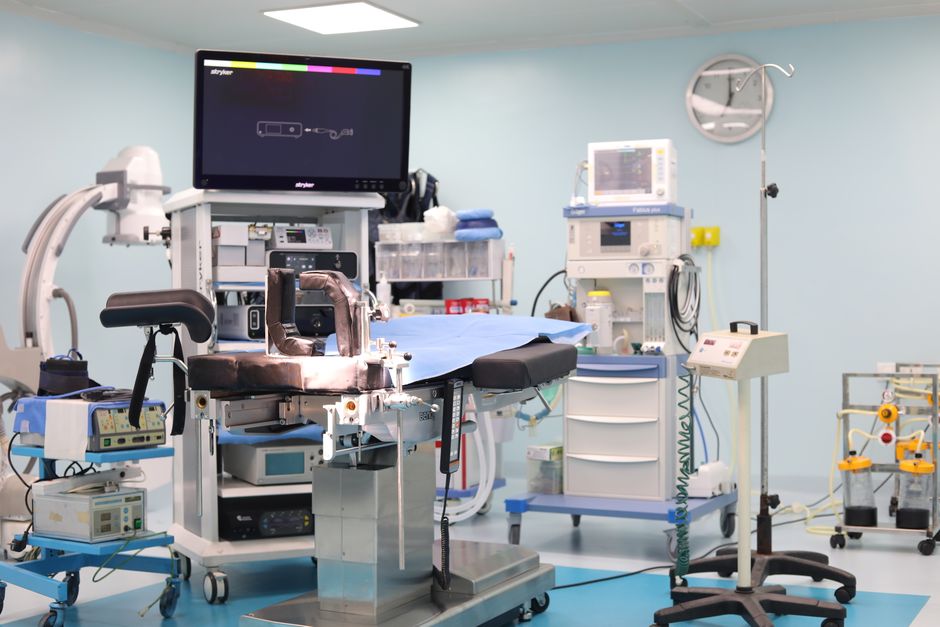
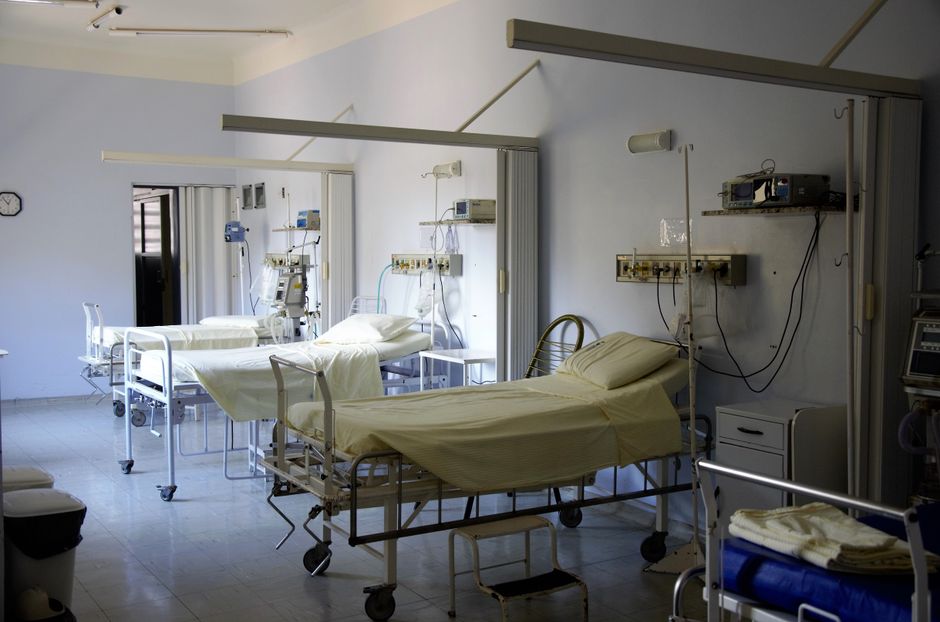
    Additionally, hospitals face challenges like resource allocation and space optimization. There’s a need to balance luxury and functionality in furniture. Not every solution works across all environments. It is crucial to assess the unique needs of each facility. Flexibility in furniture can aid in multipurpose use, but it may not suit every scenario.
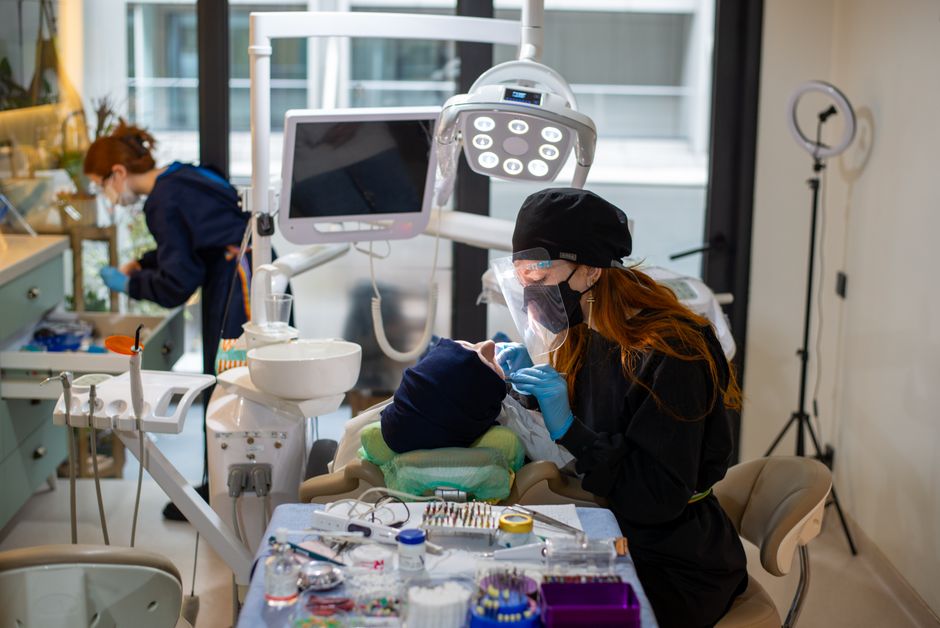
    Innovative Technologies Transforming Hospital Solutions

    Innovative technologies are reshaping hospital solutions in China. With the rise of artificial intelligence, hospitals are seeing improved diagnostic accuracy. AI algorithms analyze medical images with remarkable precision. They help doctors spot conditions earlier, saving lives.

    Telemedicine is another exciting innovation. Patients can consult specialists from the comfort of their homes. This convenience has boosted patient engagement. However, not every patient can access reliable internet or technology. This connection gap raises concerns about equity in healthcare delivery.

    Robotic-assisted surgeries are gaining popularity too. These systems allow for minimally invasive procedures, reducing recovery times. Yet, these technologies can be costly. Smaller hospitals may struggle to implement them. This disparity highlights the need for careful planning. Balancing innovation with accessibility remains a challenge.

    Government Policies Impacting Hospital Operations

    In recent years, China’s healthcare system has undergone significant changes due to government policies.
    These policies directly impact how hospitals operate. Funding, staffing, and resource allocation
    are all influenced by national regulations. Hospitals must adapt to these shifts to maintain quality care.

    Many hospitals face challenges with government mandates. They need to comply with guidelines that sometimes feel disconnected from on-the-ground realities.
    For instance, a policy aimed at reducing wait times may not consider the hospital’s actual patient load.
    This mismatch can lead to frustrations among staff and patients.

    Additionally, the focus on public health initiatives can stretch resources thin. While addressing pressing health issues is crucial,
    hospitals may struggle to balance these priorities with daily operations. The tension between policy objectives and practical execution presents ongoing
    challenges for hospital administrators in China.

    Patient Care Models in Top Chinese Hospitals

    In China, patient care models in top hospitals are rapidly evolving. These facilities focus on providing personalized treatment, aiming to enhance patient satisfaction. For instance, many hospitals now utilize a team-based approach, where doctors, nurses, and therapists collaborate closely. This model helps streamline care, but it can also lead to communication gaps. Not every team member is always on the same page about patient needs.

    Another key aspect is the integration of technology. Hospitals are adopting advanced systems for better patient data management. This shift allows for quicker diagnoses and tailored treatment plans. However, not all patients are tech-savvy. Some may feel intimidated by digital interfaces, which can affect their experience. Also, the reliance on technology sometimes distracts staff from face-to-face interactions.

    Furthermore, hospitals are increasingly focused on ambiance and environment. Thoughtful design and comfort play a significant role in patient recovery. Hospital Ff&E Solutions help create inviting spaces, but there is still room for improvement. Not all facilities have optimized layouts or calming decor. Some patients still find hospital environments to be sterile and unwelcoming. This highlights the ongoing need for reflection and improvement in patient care models.

    Challenges Facing the Healthcare System in China

    Top Hospital Solutions in China What You Need to Know?

    China’s healthcare system faces significant challenges today. Rapid urbanization has led to unequal access to medical services. Many rural areas still lack essential healthcare facilities. Overcrowded urban hospitals struggle to accommodate patients, leading to long wait times. Patients often feel neglected and frustrated, which affects their overall experience.

    The demand for affordable and efficient healthcare is increasing. Turnkey Hospital Solutions could bridge the gap between demand and supply. These solutions streamline processes and enhance patient care. However, implementation faces hurdles. High costs and a shortage of skilled professionals complicate matters. Additionally, outdated infrastructure needs urgent attention. These issues require innovative thinking and collective effort from various sectors to create effective policies.

    There is no easy fix for the problems at hand. Stakeholders must engage in open discussions about strategies for improvement. Addressing the core issues is essential for creating a robust healthcare system in China. Only through collaboration can the healthcare landscape evolve and truly meet the needs of its people.

    Future Trends in Hospital Solutions and Healthcare Delivery

    The future of hospital solutions in China indicates a shift towards
    digital transformation and
    patient-centric care. A recent report highlights that
    over 70% of hospitals are investing in telemedicine and AI technologies. These advancements
    not only enhance patient accessibility but also streamline hospital operations. For instance,
    real-time data analytics can improve decision-making but often raise concerns about data privacy.

    Turnkey Hospital Furniture Solutions are also transforming healthcare facilities. Recent studies show that hospital environments significantly influence patient recovery. Improved furniture design can lead to faster healing processes. However, many hospitals face challenges in balancing comfort and functionality. It’s not just about aesthetics; it’s about creating an effective healing environment.

    Amid these innovations, there’s a need for continuous evaluation. Investments in technology and infrastructure
    must not overlook staff training and patient education. Reports suggest that only 50%
    of healthcare workers feel adequately trained for new systems. This gap in preparedness could slow down
    integration efforts. As the landscape of hospital solutions evolves, a holistic approach
    is essential to truly enhance healthcare delivery in China.

    Designing the Perfect Modern Metal Nurse Station and Beauty Salon Consultation Desk for Efficient Reception Experiences

    In the evolving landscape of healthcare design, the nurse station’s role significantly impacts both operational efficiency and patient experience. A well-designed nurse station, such as a customizable desk measuring approximately 40” H x 144” W x 48” D, can incorporate essential features like sanitizable blue-white laminate surfaces and multi-staff workspaces, which are critical in demanding environments like hospitals and clinics. According to the Healthcare Design Magazine, effective nurse station layouts can enhance staff communication and workflow, potentially reducing patient wait times and improving overall satisfaction by up to 30%.

    Furthermore, integrating design elements such as dual-language “Nurse Station” labeling caters to the diverse populations that many healthcare facilities serve. This aspect not only aids wayfinding but also promotes inclusivity—an increasingly vital factor in modern healthcare practice. Reports indicate that patient-centered design, which includes calming aesthetics and efficient work practices, contributes to improved staff morale and can lead to a decrease in burnout, crucial in today’s fast-paced medical environment.

    Additionally, the inclusion of integrated LED lighting in these designs not only provides essential illumination for tasks but also promotes a soothing atmosphere. A study published in the Journal of Environmental Psychology found that proper lighting in healthcare spaces can significantly lower patient anxiety levels. The seamless fusion of clinical compliance, staff efficiency, and visually calming spaces exemplified in modern nurse stations creates a holistic environment that addresses both provider and patient needs effectively.

    FAQS


    : How are government policies affecting hospital operations?

    : Government policies influence funding, staffing, and resources in hospitals. Adaptation is crucial for maintaining care quality.


    What challenges do hospitals face with government mandates?

    Hospitals struggle with guidelines that may not reflect real-life situations. This can frustrate both staff and patients.


    What is the focus of current healthcare initiatives in China?

    Current initiatives often prioritize public health. This can stretch resources and challenge daily hospital operations.


    How are hospitals in China approaching digital transformation?

    More than 70% of hospitals are investing in telemedicine and AI. These technologies improve accessibility and operation efficiency.


    What concerns exist around the use of data analytics in hospitals?

    Real-time data analytics can enhance decision-making but raise serious data privacy concerns for patients.


    How important is hospital furniture design to patient recovery?

    Enhanced furniture design can improve recovery rates. Balancing comfort and functionality is essential for effective healing.


    Are healthcare workers prepared for new technologies?

    Only 50% of healthcare workers feel adequately trained for new systems. This skills gap can slow integration of new technologies.


    What is the future of patient care in hospitals?

    There is a strong push towards patient-centric care. Continuous evaluation of technologies and training is necessary.


    Why is a holistic approach crucial for hospital solutions?

    A holistic approach ensures all factors, including staff training and patient education, are integrated for better care outcomes.

    Conclusion

    The healthcare landscape in China is rapidly evolving, shaped by a mix of innovative technologies and strategic government policies. Key players in the hospital sector are adopting advanced Hospital Solutions that enhance patient care models and operational efficiency. These solutions include telemedicine, AI-driven diagnostics, and integrated health information systems, which are transforming the way hospitals deliver services.

    However, the Chinese healthcare system faces challenges such as uneven access to care, resource allocation, and an aging population. Looking ahead, future trends suggest a shift towards patient-centric models and the continued integration of technology in hospital operations, aiming to address these challenges and improve healthcare delivery across the nation.

    Blog Tags:

    Isabella

    Isabella

    Isabella is a dedicated marketing professional with extensive expertise in the healthcare furniture manufacturing industry. With years of experience under her belt, she possesses an in-depth understanding of the intricate needs of hospitals, clinics, and laboratories. Isabella is passionate about……


    Previous


    5 Essential Tips for Organizing Your Medical Cabinet Like a Pro

  • Customized Medical Furniture: zhobai’s One-Stop Solution Transforms Global Healthcare Infrastructure

    Customized Medical Furniture: zhobai’s One-Stop Solution Transforms Global Healthcare Infrastructure

    Industry Insight: The Rise of Customized Medical Furniture—How zhobai’s One-Stop Solution is Transforming Healthcare Infrastructure

    As global healthcare infrastructure enters a new era of precision and personalization, the medical furniture industry is undergoing a seismic shift. With the upcoming implementation of the GB/T 46489—2025 standard (effective May 1, 2026), the demand for customized medical furniture and one-stop service providers has become the definitive market trend. zhobai, a pioneer in integrated hospital supporting services, is leading this industry upgrade with its comprehensive expertise.

    The Shift Toward Customization and Integration

    Market data reveals that the global medical furniture market surpassed 120 billion RMB in 2025, with customized solutions now accounting for 25% of the total—a 10% increase since 2020. This figure is projected to exceed 35% by 2030.

    For many healthcare institutions, the core challenge lies in a lack of specialized experience regarding material selection, dimension matching, and spatial planning. This often leads to inefficient space utilization and budget overruns. zhobai addresses these “pain points” by evolving from a traditional product supplier into a full-process service partner.

    zhobai medical furniture planning

    zhobai’s One-Stop Advantage: From Planning to Sea Freight

    Unlike traditional vendors, zhobai offers an end-to-end service ecosystem: Spatial Planning + Material/Dimension Consultation + Design Customization + Rendering Previews + Advanced Manufacturing + Global Sea Freight. This model offers three distinct competitive edges:

    🛡️

    1. High Professionalism:

    Expert teams tailor materials and layouts to the specific functional needs of different hospital zones.

    🎨

    2. Unmatched Personalization:

    Every piece of furniture can be adjusted in size, material, and aesthetics to fit any hospital type—from general hospitals to specialized clinics.

    ⚙️

    3. Efficiency and Cost Control:

    A dedicated single point of contact reduces the complexity of managing multiple vendors, effectively optimizing budget control.

    Innovation in Materials and Technology

    Antibacterial Materials: Utilizing nano-silver ion treated boards and anti-viral surfaces to prevent cross-infection.

    Durability: High-grade stainless steel and corrosion-resistant alloys designed for high-frequency clinical use.

    Precision: By integrating advanced production technology, zhobai has achieved a 99.5% product qualification rate, ensuring that every customized order meets rigorous international standards.

    zhobai innovation and technology

    Driving Global Healthcare Standards

    With a mature maritime logistics network, zhobai’s one-stop service already supports medical institutions across dozens of countries. By solving the dilemmas of “material selection, matching, and space utilization,” zhobai is not just selling furniture—it is providing the blueprint for the modern, efficient hospital.

    Industry experts note that the synergy between customization and integrated service is the future of the sector. As a frontrunner, zhobai is setting the benchmark for a more professional, personalized, and high-quality global healthcare environment.

  • ZHOBAI Secures Major Southeast Asian Hospital Project | One-Stop Medical Furniture & Infrastructure Solutions

    ZHOBAI Secures Major Southeast Asian Hospital Project | One-Stop Medical Furniture & Infrastructure Solutions

    zhobai Expands Global Footprint with New Southeast Asian Hospital Project, Reinforcing Its One-Stop Service Excellence

    zhobai, a leading provider in hospital construction supporting services, is proud to announce the signing of a major contract for a large-scale general hospital project in Southeast Asia. This contract marks the company’s 8th significant overseas order this year, further solidifying zhobai’s international reputation for providing comprehensive, high-quality, one-stop medical infrastructure solutions.

    zhobai Hospital Project

    Addressing Complex Challenges with Professional Planning

    For this project, the Southeast Asian client faced several critical “pain points” common in hospital construction: selecting appropriate materials for different medical zones, matching dimensions for maximum space utilization, and balancing high customization needs with strict budget control.

    To address these challenges, zhobai mobilized a specialized service team to provide an end-to-end solution. By analyzing the clinic workflows and functional requirements of the outpatient area, inpatient area, clinical area, and nurse stations, the team delivered a scientific spatial planning and material matching strategy:

    Outpatient Areas:
    Durable, easy-to-clean medical-grade composite boards.

    Inpatient Areas:
    Eco-friendly, comfortable, and antibacterial materials.

    Clinical Areas:
    Corrosion-resistant, heavy-duty metal materials.

    Tailored Solutions and Standardized Quality

    The order covers a vast range of medical furniture, including:

    # nursing carts, medical trolleys, hospital beds, bedside cupboards, nurse station workstations, consultation desks, and waiting chairs.

    Every product in this project is part of a customized production workflow, allowing for specific adjustments in size, color, and functionality to meet the client’s unique requirements. Crucially, all products strictly adhere to the GB/T 46489—2025 national standard for hospital furniture, ensuring the highest levels of safety, durability, and international compliance.

    Seamless Execution and Maritime Logistics

    The project has already moved past the design phase, with full-scale renderings approved by the client. Currently, the production workshop is operating at full capacity to ensure all items are manufactured to the highest standards. The completed order is scheduled for delivery next month via sea freight, ensuring a safe and timely arrival.

    zhobai Production and Logistics

    Empowering Global Healthcare Infrastructure

    Since its inception, zhobai has remained dedicated to solving the four core dilemmas of hospital construction: “difficulty in material selection, matching, space utilization, and budget control.”

    This latest overseas success is not just a testament to zhobai’s technical expertise but also a reflection of the trust the international market places in our brand. Moving forward, zhobai will continue to optimize its one-stop service and product quality, contributing to the upgrade of healthcare infrastructure worldwide.