作者: ZHOBAI

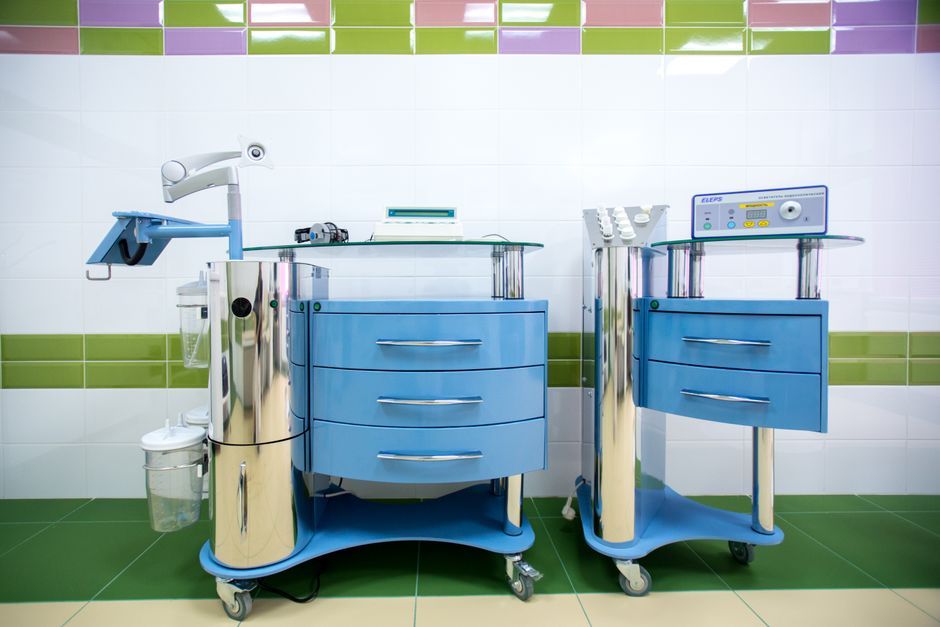
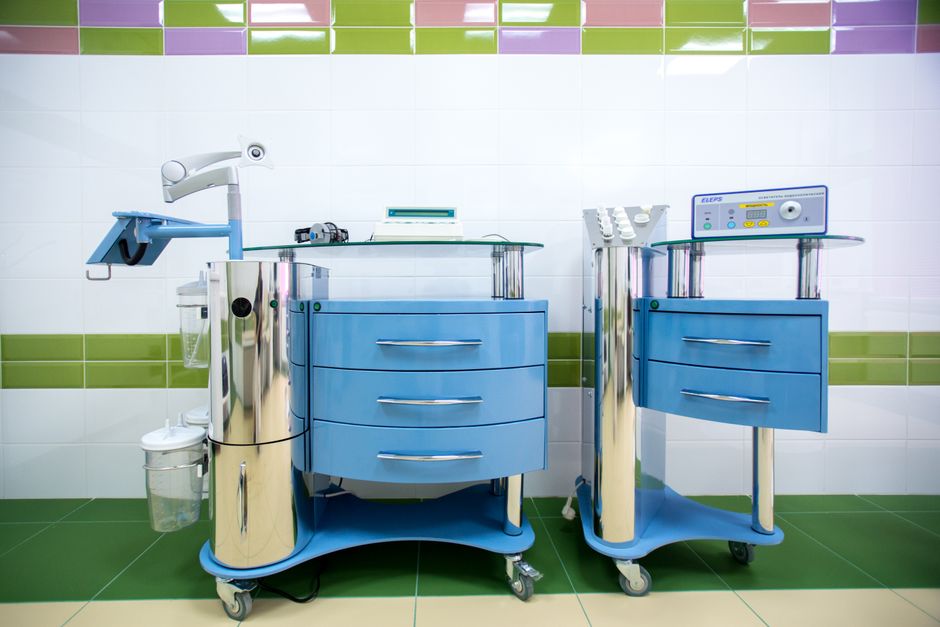
  • Best Medical Trolley for Efficient Hospital Management?

    Best Medical Trolley for Efficient Hospital Management?

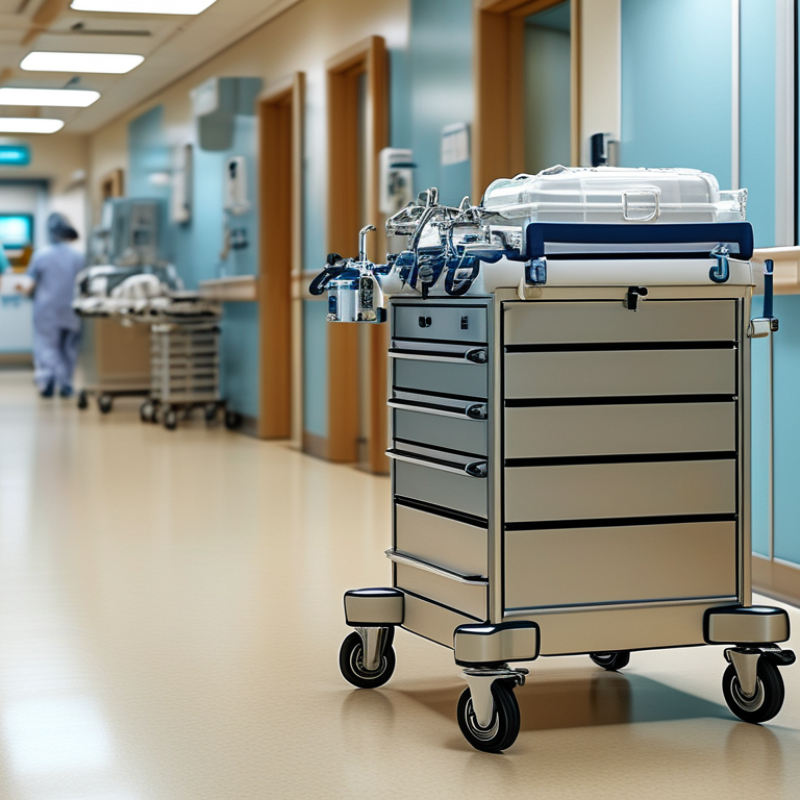
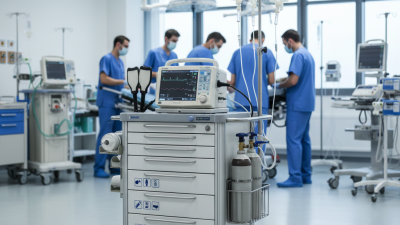
    In today’s healthcare settings, being efficient really makes all the difference when it comes to patient care. According to a report from the World Health Organization, more than 90% of healthcare workers agree that having the right equipment actually impacts how well they can do their jobs. One key piece of equipment? The good old Medical Trolley. It might seem simple, but it’s super important because it helps staff quickly grab the supplies they need, which can be a real lifesaver during urgent situations.

    And yeah, that speed and efficiency are everything here. A survey from the American Hospital Association shows that hospitals are aiming to cut down patient wait times by around 20% over the next few years. A well-designed Medical Trolley can really help with that—think accessibility, organization, and something that actually fits the daily needs of healthcare workers.

    That said, not all trolleys are created equal. Some might have cramped storage, bad wheels, or just not cut it when things get hectic. Picking the right Medical Trolley isn’t just about it looking good—it’s about making sure it can handle the fast-paced, sometimes chaotic, world of hospitals. Upgrading your trolley game isn’t just about convenience; it’s actually about better patient care overall.

    Best Medical Trolley for Efficient Hospital Management?

    Overview of Medical Trolleys in Hospital Management Efficiency

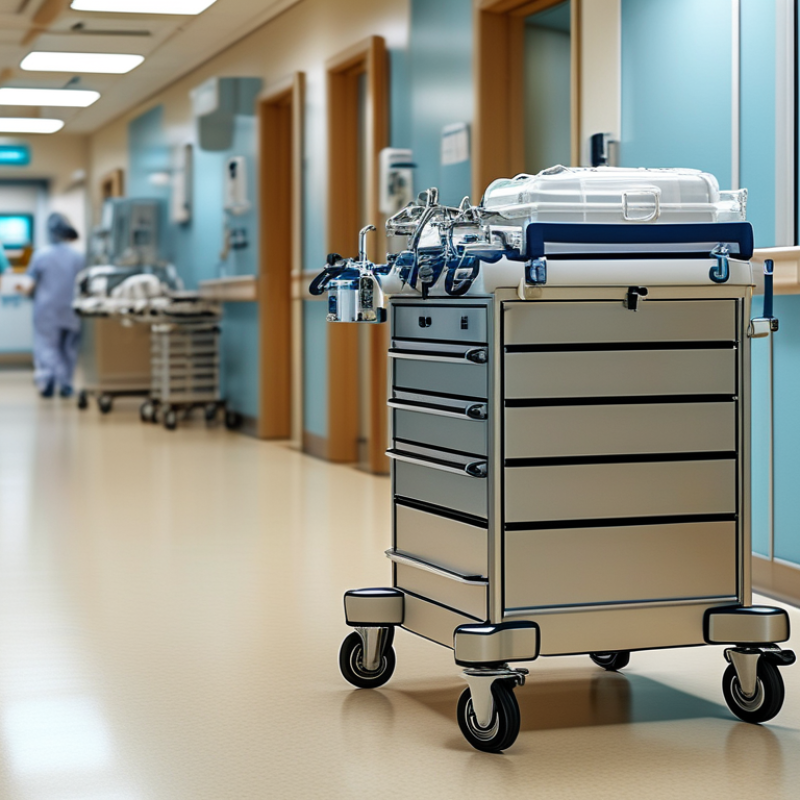
    In hospital settings, medical trolleys play a crucial role in enhancing management efficiency. These trolleys provide convenient storage for medical supplies and equipment, ensuring quick access during emergencies. A well-designed trolley minimizes the time spent searching for tools, allowing healthcare professionals to focus on patient care.

    The Aluminum Medical Trolley stands out for its lightweight yet durable construction. This material is easy to maneuver, essential in busy hospital environments. Trolleys need appropriate organization features, like drawers and compartments, ensuring everything is easy to find. However, not all trolleys meet these requirements effectively. Many hospitals face challenges with poorly designed models that don’t accommodate the demands of modern medical practices.

    While efficiency is key, some trolleys lack the adaptability needed for various clinical scenarios. Stakeholders should assess how well a trolley can adjust to different needs. Regular feedback from healthcare teams can help identify areas of improvement. Hospital management must consider trolleys as a vital part of their operational strategy, reflecting the importance of thoughtful design and functionality.

    Key Features of High-Quality Medical Trolleys: A Data-Driven Analysis

    When selecting a medical trolley, several key features matter significantly for efficient hospital management.
    Durability is one such trait. High-quality trolleys
    are often made from robust materials that withstand daily wear and tear. They should resist scratches and dents,
    ensuring longevity in a demanding environment.

    Mobility is another critical consideration. A well-designed trolley should feature smooth-rolling wheels for easy transport. The ability to maneuver quickly through crowded hallways enhances workflow.
    Also, weight capacity must align with the items it carries.
    Overloading can be hazardous and lead to equipment failure.

    Storage capacity should not be overlooked. A high-quality trolley
    typically includes various compartments. These help organize medical supplies systematically.
    Additionally, easy access to items can save valuable time during emergencies.
    However, some designs may be overly complex, complicating rather than simplifying access. It is essential to balance efficiency
    with practicality to ensure user-friendliness.

    Impact of Medical Trolley Design on Patient Care and Staff Workflow

    In modern healthcare settings, the design of medical trolleys directly influences patient care and staff workflow. A well-structured medical trolley, such as a
    Monitor Trolley,
    can enhance efficiency by centralizing important supplies and equipment. According to a study by the
    Journal of Healthcare Management, efficient trolley designs can reduce response times to patient needs by up to 25%.
    This supports quicker interventions, ultimately leading to better patient outcomes.

    The layout and accessibility of trolleys greatly affect how staff interact with their tasks. If medical trolleys are not ergonomically designed, staff may experience physical strain.
    Reports indicate that nearly 40% of healthcare workers face musculoskeletal injuries due to poorly designed workstations.
    This indicates a pressing need for thoughtful trolley design that prioritizes usability and safety.

    Tips: Consider the height and weight distribution of your medical trolley.
    Ensure that it accommodates different tasks without sacrificing user comfort. Incorporate color-coded sections to facilitate rapid identification of supplies.
    Lastly, gather regular feedback from staff to refine the design based on actual usage and challenges faced in daily operations.

    Comparative Analysis of Leading Medical Trolley Brands in the Market

    Best Medical Trolley for Efficient Hospital Management?

    In the dynamic environment of healthcare, the choice of a medical trolley can greatly impact operational efficiency. A thorough analysis of various brands reveals differences in design and functionality. Many practitioners have noted that trolleys offering modular configurations allow for greater flexibility. This adaptability can be essential in emergency situations where quick access to equipment is vital.

    Among the brands examined, some prioritize lightweight materials, enhancing mobility within tight spaces. However, this can sometimes compromise durability. Healthcare professionals often express concern about the stability of these trolleys under load. Others focus on ergonomic designs that reduce strain on staff during transport. Yet, this focus may overlook the need for robust storage options.

    Effective hospital management demands that medical trolleys cater to specific needs while maintaining reliability. It’s evident that not all products excel in every category. A well-rounded evaluation should consider user feedback and practical performance. Trolley selection should never be a one-size-fits-all solution. Each healthcare setting may require tailored features to enhance patient care effectively.

    Evidence-Based Benefits of Utilizing Medical Trolleys in Emergency Care

    In emergency care, efficiency and organization are crucial. A well-designed Hospital Trolley can make a significant difference. These trolleys provide easy access to essential medical supplies. They often include divided compartments for medications, tools, and documentation. This setup helps healthcare providers respond quickly. An organized workspace reduces stress during critical moments.

    Yet, not all trolleys meet the needs of every emergency situation. Some may lack adequate storage space or be hard to maneuver. It’s important to assess the layout of the hospital environment. A trolley that works in one unit might not be effective in another. Regular feedback from medical staff can enhance trolley design, ensuring practicality.

    Utilizing medical trolleys also supports collaboration among healthcare teams. They serve as mobile hubs for various instruments and supplies. Team members can easily find what they need without delay. However, it’s worth considering whether the current trolley systems truly enhance teamwork. Hospitals must continuously evaluate how their equipment, including trolleys, impacts patient care.

    Impact of Medical Trolley Utilization in Emergency Care

    This bar chart illustrates the evidence-based benefits of utilizing medical trolleys in emergency care settings. It highlights how medical trolleys contribute to time savings, reduce errors, enhance patient satisfaction, and improve equipment accessibility, demonstrating their critical role in efficient hospital management.

    Cost-Benefit Analysis: Investing in Advanced Medical Trolley Systems

    Investing in advanced medical trolley systems can transform hospital management. A recent study showed that hospitals with efficient trolleys increased staff productivity by 15%. This is significant. Healthcare workers can focus more on patient care rather than searching for supplies. In a high-pressure environment, even small time savings count.

    However, challenges exist. The upfront investment in high-quality trolleys can be daunting. A report from the Health Technology Assessment Agency suggests that costs can vary widely, between $3,000 and $8,000 per unit. While the initial outlay is considerable, the long-term benefits may outweigh the costs. Improved workflows lead to better patient outcomes, reducing readmission rates.

    Integration of advanced features also impacts usability. Some trolleys offer built-in storage solutions and power sources for devices. A survey indicated that 70% of medical staff prefer versatile trolleys that adapt to different roles. Nonetheless, not every trolley suits every environment. It remains essential for hospitals to evaluate their specific needs before making a decision. This approach will maximize both efficiency and return on investment.
    Best Medical Trolley for Efficient Hospital Management

    Feature Standard Model Advanced Model Cost ($) Benefit Rating (1-10)
    Weight Capacity 150 lbs 250 lbs 500 8
    Material Quality Plastic Stainless Steel 1200 9
    Mobility Standard Wheels Swivel Wheels 700 7
    Storage Options 3 Drawers 5 Drawers + Cabinet 800 8
    Ease of Cleaning Moderate Easy 600 9
    Overall Durability 5 years 10 years 1100 10

    Future Trends in Medical Trolley Technology and Hospital Management

    The landscape of medical trolley technology is evolving rapidly. Innovations in design and functionality enhance hospital management significantly. The introduction of smart features in medical trolleys, including the integration of IoT devices, is transforming efficiency. Hospitals can monitor equipment in real time, ensuring everything works when needed.

    Moreover, Ultrasound Trolleys are becoming more advanced. They are now equipped with touch-screen interfaces and better storage solutions. This allows nurses and doctors to access patient data effortlessly. However, training staff to use these new features is a challenge. Ensuring everyone is comfortable with technology is crucial for maximizing efficiency.

    In addition to these advancements, sustainability is becoming a priority. Medical facilities are exploring eco-friendly materials for trolleys. It is commendable, but the transition could pose logistical issues. Balancing innovation with practical implementation remains a constant struggle for hospital management. The future may promise smarter medical trolleys, but overcoming these challenges is essential for success.
    FAQS


    : What are the key benefits of using medical trolleys in emergency care?

    : Medical trolleys improve efficiency and organization. They provide quick access to essential supplies and reduce stress.

    How do medical trolleys impact collaboration among healthcare teams?

    Trolleys act as mobile hubs. They help team members locate instruments and supplies promptly, but effectiveness varies.


    Are all medical trolleys suitable for every emergency situation?

    No, some trolleys may lack adequate storage or maneuverability. Assessment of hospital layout is crucial for effectiveness.


    What is the potential return on investment for advanced medical trolleys?

    The benefits can outweigh costs. Increased productivity can lead to better patient outcomes, reducing readmission rates.


    Why is staff feedback important for trolley design?

    Regular feedback ensures that trolleys meet practical needs. New designs should reflect real-world demands of medical personnel.


    What challenges do hospitals face when investing in medical trolleys?

    The initial cost can be significant, ranging from $3,000 to $8,000. Balancing cost and benefit is essential to decision-making.


    How can advanced features of trolleys enhance their usability?

    Features like built-in storage and power sources make trolleys more versatile. Staff often prefer trolleys that adapt to various roles.


    Is the upfront investment in high-quality trolleys worth it?

    Yes, long-term benefits often justify the cost. Efficient workflows contribute to improved care and patient satisfaction.


    How can hospitals ensure the best trolley selection for their needs?

    They should assess specific requirements before selection. Not all trolleys perform equally in differing environments.


    What role does emergency care environment play in trolley effectiveness?

    Each unit may require different trolley designs. Evaluating the environment is crucial for maximizing operational efficiency.

    Conclusion

    The article titled “Best Medical Trolley for Efficient Hospital Management” explores the crucial role of medical trolleys in enhancing the operational efficiency of healthcare facilities. It begins with an overview of how these essential tools contribute to streamlined hospital management, highlighting their importance in maintaining order and accessibility in clinical environments.

    Key features of high-quality medical trolleys are analyzed based on data-driven insights, focusing on design elements that improve patient care and optimize staff workflow. The comparative analysis of leading medical trolley brands showcases the varying functionalities that can influence emergency care outcomes. Additionally, a cost-benefit analysis emphasizes the value of investing in advanced medical trolley systems, which not only improve efficiency but also support future trends in medical technology. Overall, the article underscores the evidence-based benefits of utilizing medical trolleys, especially in critical care settings, affirming their indispensable role in modern hospital management.

    Sophia

    Sophia

    Sophia is a dedicated marketing professional with extensive expertise in the healthcare furniture industry. As a key member of our team, she plays a vital role in shaping the company’s online presence and strategy through her insightful blog articles. With a profound understanding of our customized……


    Previous


    Custom Furniture Trends in China What Global Buyers Need to Know

  • Custom Furniture Trends in China What Global Buyers Need to Know

    Custom Furniture Trends in China What Global Buyers Need to Know

    Lately, there’s been quite a buzz around custom furniture in China, with demand really taking off and attracting buyers from all over the world. According to a report from Statista, the market for custom furniture in China is expected to hit around USD 40 billion by 2025. This booming growth is mainly thanks to a growing middle class and folks wanting more unique, personalized design options. As Thomas Zhang from Furniture Insights puts it, the move towards more personalized furniture really mirrors bigger lifestyle shifts happening these days.

    But, it’s not all smooth sailing. This fast-changing market certainly has its hurdles. Buyers need to deal with complex supply chains and sometimes inconsistent quality standards. The International Furniture Association mentions that roughly 30% of custom furniture made in China doesn’t quite meet the expected quality levels. Many buyers have shared experiences of being disappointed because of uneven craftsmanship. So, if you’re shopping around, it’s super important to build strong relationships with trustworthy manufacturers.

    There’s also been a noticeable rise in interest for sustainable options, especially Custom Hospital Furniture. As healthcare spaces move towards creating environments that boost well-being, buyers need to focus on quality and sustainability. Tapping into local craftsmanship can really make your products stand out and feel more authentic. That said, it’s wise to dig into how manufacturers operate—making sure they meet ethical standards is a must. Understanding these little details will be key to successfully tapping into China’s vibrant custom furniture scene.

    Custom Furniture Trends in China What Global Buyers Need to Know

    Custom Furniture Market Overview in China

    Custom Furniture Trends in China What Global Buyers Need to Know

    The custom furniture market in China is experiencing robust growth. According to industry reports, the market was valued at approximately $19 billion in 2022 and is expected to grow by over 10% annually through 2026. Global buyers are increasingly attracted to this trend, driven by the desire for unique and tailored solutions.

    One noteworthy area is the demand for Custom Hospital Furniture in China. Hospitals are now prioritizing designs that enhance patient comfort and optimize space. Reports indicate that over 70% of healthcare facilities are investing in bespoke solutions to meet evolving needs. However, challenges remain. The balance between cost and quality can be difficult to navigate, especially with changing regulations and consumer expectations.

    In terms of production, China’s manufacturing capabilities are impressive. Yet, buyers should be cautious. Not all manufacturers adhere to the same standards. Quality can vary widely. Buyers must perform due diligence to ensure reliability and craftsmanship. Engaging with local experts can help mitigate risks and support informed purchasing decisions.

    Key Design Trends Influencing Custom Furniture

    Custom furniture design in China is evolving at a rapid pace. Several trends are shaping the market, making it an exciting time for global buyers. One significant trend is the emphasis on sustainability. Many consumers seek eco-friendly materials like bamboo or reclaimed wood. This shift reflects a growing consciousness about environmental impact.

    Minimalism remains influential. Clean lines and functional designs appeal to urban dwellers. However, some buyers crave uniqueness. They seek pieces that tell a story or reflect their identity. This desire creates a blend of styles, merging minimalist aesthetics with richly textured materials.

    Tips: Pay attention to color palettes. Earthy tones dominate, offering warmth and versatility. Customization is key. Many manufacturers provide options to tailor sizes and finishes. Consider the balance between style and function. Authenticity matters; handmade items are increasingly valued. Mistakes happen in design; they often spark creativity. Reflect on what resonates personally. Embrace imperfections, as they can lead to unique creations.

    Sustainability Practices in China’s Furniture Industry

    Sustainability is becoming crucial in China’s furniture industry. According to a report by the China National Forest Products Industry Association, over 60% of Chinese furniture manufacturers now emphasize eco-friendly materials. This shift reflects growing consumer demand for sustainable products. The use of recycled wood and non-toxic finishes is on the rise. Many manufacturers are also investing in energy-efficient processes to reduce their carbon footprint.

    Tips: Always check material certifications when sourcing furniture. Look for labels indicating sustainability standards.

    Even with these advancements, challenges remain. Some manufacturers still rely on traditional processes that are harmful to the environment. This inconsistency can mislead global buyers. For instance, while a majority of companies promote their green initiatives, not all can fully back up their claims with data. Buyers must stay informed and ask for transparency in sourcing practices.

    When considering custom furniture, like a Custom Medical Cabinet, focus on companies committed to sustainable practices. Investigate their environmental impact and production methods. Understanding these factors can lead to more responsible purchasing decisions.

    Consumer Preferences and Demographics in China

    Chinese consumers are shifting towards customized furniture that reflects their unique tastes and lifestyles. Emerging middle-class buyers are increasingly prioritizing personalization. They seek pieces that not only fit their spaces but also tell a story about their individuality. Many young consumers desire furniture that combines functionality with artistic flair. This trend is notable in urban areas, where small living spaces prevail.

    Demographic factors play a crucial role in these preferences. Millennials and Generation Z are driving the trend, utilizing online platforms to explore options. They favor eco-friendly materials and sustainable practices. Their choices often reflect a desire for modern aesthetics fused with cultural heritage. Local craftsmanship is particularly appealing; consumers appreciate products that showcase skilled artisanship.

    As these trends evolve, it is important for global buyers to adapt. Understanding local tastes is essential for success. However, some challenges remain. The market can be unpredictable, and consumer preferences shift rapidly. It’s a journey ripe with opportunities, yet requires continuous attention and flexibility. Balancing tradition with innovation will remain a key theme as Chinese consumers seek their perfect fit in the world of custom furniture.

    Custom Furniture Trends in China

    Challenges Faced by Global Buyers in Sourcing

    Sourcing custom furniture in China presents unique challenges for global buyers. The sheer scale of the market can be overwhelming. With a myriad of manufacturers, selecting the right partner is daunting. Language barriers often complicate communication. Many buyers find it difficult to express their exact needs in technical terms. This can lead to misunderstandings, leaving buyers disappointed.

    Quality control is another significant concern. Buyers may struggle to ensure that the finished pieces meet their expectations. Variations in craftsmanship can be subtle but impactful. Inspecting the materials used is essential. Yet, many do not have the resources to conduct thorough checks. This is particularly crucial for items like Clinic Furniture, where durability and safety are paramount.

    Navigating the logistics is equally challenging. Shipping times can be unpredictable, and costs may fluctuate. Buyers often face delays that disrupt their project timelines. Moreover, understanding local regulations adds another layer of complexity. There is always a risk of unexpected tariffs or compliance issues. Each of these hurdles requires careful planning and reflection to mitigate risks.

    Custom Furniture Trends in China: What Global Buyers Need to Know

    Trend Description Challenges in Sourcing Solutions
    Sustainable Materials Growing demand for eco-friendly materials in furniture production. Limited availability of sustainable suppliers. Develop relationships with local suppliers and adopt sustainable practices.
    Smart Furniture Integration of technology in furniture items for enhanced user experience. High production costs and technological expertise required. Collaborate with tech firms for innovative solutions.
    Customizable Designs Personalized furniture options tailored to consumer preferences. Complex production process and managing customer expectations. Implement flexible manufacturing systems to accommodate customization.
    Minimalist Design Trends shifting towards simple, clean lines and functionality. Balancing aesthetics with functionality. Focus on quality materials to enhance visual appeal.
    Cultural Influences Incorporation of traditional Chinese elements in modern designs. Understanding cultural significance and preferences. Research local cultures and engage with artisans.

    Future Outlook: Innovations in Custom Furniture

    The future of custom furniture in China is dynamic and innovative. One notable trend is the influence of technology. Many manufacturers are integrating smart features into furniture designs. This includes built-in charging stations and adjustable settings for comfort. Such innovations cater to modern lifestyles, enhancing functionality while maintaining aesthetic appeal.

    Sustainability is another critical focus area. Designers are increasingly using eco-friendly materials, reflecting a growing consciousness about environmental impact. For instance, reclaimed wood and biodegradable plastics are gaining traction. Customers are becoming more discerning, seeking products that combine style and sustainability. This shift is creating opportunities for brands to offer unique, environmentally-friendly pieces.

    Medical Furniture is also evolving in this context. The need for ergonomic and adaptable designs is crucial in healthcare environments. Custom solutions can meet specific needs, like space constraints or patient comfort. However, finding the right balance between design and functionality can be challenging. This necessitates ongoing collaboration between designers and healthcare professionals to innovate effectively. As China’s furniture industry continues to grow, these trends highlight the complexities and opportunities present in the market.

    Strategies for Successful Collaboration with Chinese Suppliers

    Navigating collaboration with Chinese suppliers requires a thorough understanding of cultural and operational nuances. The China furniture market is growing rapidly, with a forecasted annual growth rate of 10.6% through 2024, according to the Global Market Insights report. This presents a lucrative opportunity for global buyers, but successful partnerships depend on strategic engagement.

    Clear communication is essential. Despite advancements in technology, misinterpretations can arise. Cultural differences, such as the indirect communication style common in China, can lead to misunderstandings. Buyers should prioritize building relationships with suppliers through regular check-ins. This fosters trust and ensures alignment on project expectations. Furthermore, making site visits can provide meaningful insights into a supplier’s capabilities and work ethics.

    Flexibility is crucial; it helps navigate the complexities of production timelines and deadlines. Suppliers may face unexpected challenges, such as material shortages or labor issues. Being patient and adaptable can enhance collaboration outcomes. In a recent survey by Statista, 65% of suppliers reported that clear agreements and flexible terms positively impacted their partnership with international buyers. Thus, successful collaboration in the custom furniture sector is a blend of open communication, active engagement, and strategic flexibility.

    Enhancing Workplace Efficiency: Insights from the Latest Reports on Office Storage Solutions and Modern Filing Systems

    In today’s fast-paced work environment, optimizing workplace efficiency has become paramount. Modern office storage solutions play a crucial role in achieving this goal, combining functionality with a sleek design that enhances any workspace. The latest reports highlight the importance of effective filing systems and storage options that not only secure essential documents but also promote organization in both traditional and contemporary office settings.

    One standout solution is the white open-shelf and lockable office storage cabinet. This stylish piece boasts a compact design, measuring 40” H x 30” W x 18” D, making it the ideal addition to various working environments, from home offices to co-working spaces. The unit features a three-compartment open upper shelf, perfect for displaying daily essentials, while the lockable two-door lower cabinet ensures that sensitive files and supplies remain secure. With its slim vertical profile, this storage cabinet can easily fit into tight spaces such as corners or next to desks, making it an efficient solution for maximizing workplace organization.

    Moreover, the cabinet’s design goes beyond just aesthetics. With a total capacity of 90 lbs—30 lbs for the open section and 60 lbs for the locked portion—it provides ample storage without compromising on style. The non-slip feet protect floors and the scratch-resistant wood material allows for easy maintenance, ensuring that it not only serves its purpose but also elevates the overall decor of the office. By incorporating modern storage solutions like this, businesses can enhance their efficiency while creating a more organized and visually appealing work environment.

    FAQS


    : What is a major trend in custom furniture design in China?

    : Sustainability is a significant trend. Many consumers prefer eco-friendly materials like bamboo and reclaimed wood.


    How is minimalism influencing furniture design?

    Minimalism features clean lines and functional designs. However, some buyers desire unique pieces that represent their identity.


    What color palettes are popular in custom furniture?

    Earthy tones dominate, providing warmth and versatility. They suit various design styles effectively.


    How important is customization in furniture design?

    Customization is key. Consumers seek tailored sizes and finishes to fit their specific needs and styles.


    What challenges do manufacturers face in sustainability practices?

    Some manufacturers still use harmful traditional processes. This creates inconsistency, affecting consumer trust.


    How do younger consumers influence the furniture market?

    Millennials and Generation Z prioritize personalization and eco-friendly options. They want furniture that blends functionality with artistic value.


    What should buyers consider when sourcing furniture?

    Always check for material certifications. Ensure manufacturers can back up their sustainability claims with data.


    Why is local craftsmanship valued by consumers?

    Consumers appreciate products showcasing skilled artisanship. This connection to local culture adds meaning to their choices.


    How can consumers adapt to changing furniture trends?

    Staying informed and flexible is essential. The market is unpredictable, and preferences can shift rapidly.


    What role do imperfections play in furniture design?

    Embracing imperfections can spark creativity. Mistakes often lead to unique creations that resonate personally.

    Conclusion

    The article “Custom Furniture Trends in China: What Global Buyers Need to Know” provides a comprehensive overview of the evolving landscape of custom furniture in China. It highlights key design trends that are currently shaping the market, emphasizing the importance of sustainability practices within the industry to meet growing consumer demands. As demographics shift, understanding consumer preferences becomes crucial for global buyers seeking to navigate this dynamic environment.

    Furthermore, the article discusses the various challenges faced by international buyers when sourcing custom furniture, including quality control and communication barriers. It also explores future innovations that could redefine the custom furniture sector, offering strategies for successful collaboration with Chinese suppliers. By staying informed on these trends and practices, global buyers can effectively tap into China’s thriving custom furniture market.

    Blog Tags:

    Liam

    Liam

    Liam is a dedicated marketing professional with extensive expertise in the healthcare furniture industry. As an integral member of our team, he plays a vital role in promoting our customized hospital and healthcare furniture solutions. With years of experience, Liam possesses a deep understanding……


    Previous


    Essential Nurse Station Tips for Effective Healthcare Management?

  • Essential Nurse Station Tips for Effective Healthcare Management?

    Essential Nurse Station Tips for Effective Healthcare Management?

    In the busy world of healthcare, the Nurse Station is really the heartbeat of patient care. When the Nurse Station is well-organized, it can make a huge difference—streamlining workflows and helping staff communicate more smoothly. You know, a recent report from the Healthcare Information and Management Systems Society (HIMSS) showed that good communication among nurses can cut medication errors by about 30%. That really highlights just how vital the Nurse Station is in making sure patients get the best outcomes.

    That said, a lot of healthcare facilities are still stuck with old, clunky systems that slow everyone down. The American Nurses Association (ANA) mentioned that only around 56% of nurses feel like their work environment truly supports providing top-notch care. Honestly, that’s a clear sign it’s time to rethink current setups and look for ways to improve.

    Trying out some best practices at the Nurse Station can really boost patient satisfaction, you know? Incorporating new tech—like tools for sharing real-time data—can be a great step forward. At the end of the day, focusing on both efficiency and clear communication at the Nurse Station helps nurses stay focused on what matters most: caring for their patients.

    Essential Nurse Station Tips for Effective Healthcare Management?

    Importance of Nurse Stations in Healthcare Facilities

    Nurse stations play a pivotal role in healthcare facilities. They serve as the central hub for nurses and healthcare professionals. According to a report by the Institute of Medicine, effective communication can reduce medical errors by up to 30%. This makes the design and functionality of nurse stations crucial. A well-organized station can streamline workflows and enhance patient care.

    Recent studies indicate that a cluttered environment can lead to increased stress among healthcare staff, affecting performance. A survey from the Healthcare Facilities Research Group revealed that over 65% of nurses feel overwhelmed due to disorganization at their stations. This highlights the need for proper layout and accessibility of resources. Prioritizing clear signage and easy access to medical charts can mitigate these issues.

    Furthermore, nurses spend up to 50% of their shift at the station. This time is critical for ensuring communication with patients and other medical staff. Yet, many facilities overlook the importance of ergonomic design. An efficient nurse station not only aids productivity but also fosters a better work atmosphere. Addressing these challenges can enhance overall healthcare management.

    Key Roles and Responsibilities of Nurse Station Staff

    The nurse station plays a pivotal role in healthcare management. Staff at these stations are the backbone of a hospital’s operational efficiency. According to a 2022 report by Health Affairs, effective communication at nurse stations significantly reduces medical errors. They are responsible for managing patient information, coordinating care, and communicating with the entire medical team. Their organizational skills are vital for maintaining patient safety and satisfaction.

    A key responsibility of nurse station staff is triaging patient needs. They determine which cases require immediate attention and prioritize them accordingly. This can be challenging, particularly during peak hours. A study published in the Journal of Nursing Management highlighted that as patient loads increase, the likelihood of burnout among nursing staff also rises. Proper management of nurse stations can mitigate stress. It is essential that staff receive adequate training and support to handle these pressures effectively.

    Nurse station personnel also serve as a relay point for patient updates. Frequent updates keep families informed and involved in care decisions. However, gaps in communication can still occur. According to the Joint Commission, miscommunication in healthcare settings contributes to 70% of sentinel events. Focused training in communication strategies is necessary. Providing a supportive work environment is crucial for enhancing staff effectiveness at nurse stations.

    Strategies for Effective Communication at Nurse Stations

    Effective communication at nurse stations is vital for optimal healthcare management. Nurses are often the link between patients and doctors. Miscommunication can lead to errors. Clear, concise instructions help prevent misunderstandings. Engaging in brief, direct conversations can improve clarity. Utilizing whiteboards or digital displays can enhance information flow. Staff should actively participate in daily briefings. This fosters a culture of shared information.

    Active listening is crucial in these settings. Nurses should ask clarifying questions. This not only ensures understanding but also shows respect for colleagues’ input. Regular feedback sessions can identify communication gaps. It’s helpful to consider different communication styles among staff. Some may prefer written notes, while others might favor verbal exchanges. Recognizing these preferences can enhance teamwork.

    Non-verbal cues play a significant role as well. Body language can express urgency or concern. Being aware of these signals can enhance interactions. Emotional intelligence is important here. A nurse who is attentive to the feelings of others can foster a supportive environment. Still, challenges remain. Staff turnover may disrupt established communication practices. Continuous training on effective communication skills can bridge these gaps.

    Essential Nurse Station Tips for Effective Healthcare Management

    Communication Strategies Implementation Tips Expected Outcomes
    Daily Briefings Hold short, focused meetings at the start of each shift. Improved staff awareness and patient care planning.
    Use of Whiteboards Update patient information frequently for all to see. Enhanced visibility of patient status and needs.
    Patient Hand-Off Protocols Standardize the transfer of patient information between shifts. Reduction in errors and omissions in patient care.
    Feedback Loops Implement systems for staff to share input and suggestions. Increased staff engagement and morale.
    Technology Integration Utilize electronic health records for real-time updates. Streamlined communication and data access.

    Organizing Nurse Stations for Efficiency and Workflow

    Organizing nurse stations effectively is crucial for seamless healthcare management. A clutter-free environment enhances focus. Nurses spend a lot of time at their stations. Each item should have a designated place. This reduces the time spent searching for supplies. Vital tools and documents should be easily accessible.

    Communication is key. Clear signage can guide team members. It helps prevent misunderstandings. A well-structured workflow improves patient care. Regularly review the organization of the station. Involve the team in these discussions. Gathering feedback can uncover hidden issues.

    Technology can streamline tasks. Electronic systems reduce paper clutter but may complicate tasks. Training staff to use these tools is essential. An organized nurse station supports both staff and patients. Balancing efficiency with personal touch matters too. Every element counts in creating a supportive work environment.

    Essential Nurse Station Tips for Effective Healthcare Management

    Utilizing Technology to Enhance Nurse Station Operations

    In modern healthcare, technology plays a crucial role in enhancing nurse station operations. Evidence shows that effective use of technology can reduce errors and improve patient outcomes. According to a 2022 report by the American Health Information Management Association, over 70% of healthcare facilities are adopting electronic health records (EHRs). These systems streamline communication and reduce paperwork, allowing nurses to focus on patient care.

    Integrating nurse station technologies, such as patient monitoring systems, can significantly boost efficiency. A study from the Journal of Nursing Administration found that stations equipped with real-time data access improved response times by 30%. However, not all facilities implement these systems seamlessly. Some nurses report frustration with inadequate training or malfunctioning equipment. This highlights the need for ongoing education and feedback loops to optimize technology use.

    Technology can revolutionize nurse stations, yet challenges remain. Some professionals argue that over-reliance on tech risks diminishing interpersonal patient interactions. According to a National Institute of Health report, communication errors are still prevalent in 20% of patient handoffs. Monitoring these complexities is vital as healthcare progresses towards a more tech-driven future. Addressing these issues will ensure that technology supports nurses rather than hinders them.

    Improving Patient Interaction at Nurse Stations

    Essential Nurse Station Tips for Effective Healthcare Management?

    At the nurse station, effective communication is key. Improving patient interaction starts with creating an inviting atmosphere. Consider setting up clear signage to guide patients and families. This small step reduces confusion and promotes engagement.

    **Tips for fostering interaction include:**
    – Use friendly greetings. A smile can ease anxiety.
    – Implement a system for feedback. This shows patients that their opinions matter.
    – Dedicate time for family updates. Keep them informed about care plans.

    Emphasizing personal connections can transform interactions. A brief chat can make patients feel valued. However, time constraints often hinder these moments. Nurses may rush through tasks, missing opportunities to connect. Reflect on this balance. Prioritize meaningful engagement without compromising care efficiency.

    A well-organized nurse station can enhance communication. Ensure resources are accessible and within reach. This allows nurses to focus on patient needs rather than searching for supplies. Efficient setups can alleviate stress, fostering better interactions. In the end, even small improvements can lead to significant outcomes in patient satisfaction and care.

    Training and Development for Nurse Station Personnel

    Training and development for nurse station personnel is crucial for effective healthcare management. The role of nurses at the station is multifaceted. They are not only caregivers but also vital communication links in clinical settings. Investing in targeted training programs enhances their skills and knowledge. This leads to improved patient outcomes and a more efficient workflow.

    Effective training should focus on both technical and interpersonal skills. Nurses must learn the latest technologies for patient management. They also need to develop strong communication skills to interact with patients and other healthcare staff. Practical simulations can help in this aspect. Engaging with real-world scenarios better prepares them for daily challenges. Reflection on these training experiences can uncover areas for improvement.

    Regular feedback sessions can foster a culture of continuous learning. However, many institutions struggle with implementation. Time constraints often hinder effective training. Addressing these challenges is vital. Allowing personnel to contribute to their development plans can enhance engagement. Overall, investing in nurse station personnel training results in a more competent and confident team.

    FAQS


    : How does technology enhance nurse station operations?

    : It reduces errors and improves patient outcomes by streamlining communication and reducing paperwork.


    What percentage of healthcare facilities are adopting electronic health records?

    Over 70% of healthcare facilities are now using electronic health records systems.


    What benefits do patient monitoring systems provide?

    They improve efficiency and response times, with some studies showing a 30% increase.


    Are all nurse stations implementing technology smoothly?

    No, some nurses face challenges like inadequate training or malfunctioning equipment.


    What do nurses need to effectively use technology?

    They require ongoing education, training, and feedback to optimize technology use.


    Can too much reliance on technology be problematic?

    Yes, it may diminish interpersonal patient interactions, affecting communication quality.


    What skills should training programs for nurses focus on?

    They should include both technical skills for technology use and strong communication skills.


    How can practical simulations help nursing staff?

    They prepare nurses for real-world challenges by engaging them in realistic scenarios.


    Why is regular feedback important for nurse training?

    It fosters a culture of continuous learning and helps identify areas needing improvement.


    What hinders effective training in many institutions?

    Time constraints often limit the ability to implement thorough training programs.

    Conclusion

    Nurse Stations play a crucial role in healthcare facilities, serving as the central hub for communication and coordination among healthcare professionals. The staff at Nurse Stations are responsible for managing patient information, coordinating care, and ensuring that clinical workflows are efficient. Effective communication strategies at Nurse Stations, such as clear verbal and written exchanges, can significantly enhance teamwork and patient outcomes.

    To optimize operations, organizing Nurse Stations for maximum efficiency is essential. This includes creating a structured layout and workflow that facilitates quick access to necessary resources. Additionally, leveraging technology can streamline processes and improve patient interactions, making the Nurse Station not just a point of logistics but also a welcoming environment for patients. Continuous training and development for Nurse Station personnel is vital to maintain high standards of care and adaptability in a fast-paced healthcare setting.

    Blog Tags:

    Sophia

    Sophia

    Sophia is a dedicated marketing professional with extensive expertise in the healthcare furniture industry. As a key member of our team, she plays a vital role in shaping the company’s online presence and strategy through her insightful blog articles. With a profound understanding of our customized……


    Previous


    What Are the Best Furniture Solutions for Global Buyers?

  • GB/T 46489 New Standard Approaching—Zhobai’s Grade-A Tertiary Hospital Outpatient Upgrade Sets New Compliance Benchmark

    GB/T 46489 New Standard Approaching—Zhobai’s Grade-A Tertiary Hospital Outpatient Upgrade Sets New Compliance Benchmark

    GB/T 46489 New Standard Coming Soon – Zhobai’s Grade-A Tertiary Hospital Upgrade Project Sets New Benchmark for Compliant Design
    The healthcare furniture industry is embracing a wave of compliance upgrades as GB/T 46489—2025 General Technical Requirements for Hospital Furniture will come into force on May 1, 2026. Recently, Zhobai successfully completed the outpatient building renovation project for a provincial Grade-A tertiary hospital. The full set of medical furniture was developed in strict accordance with the new national standard, fully meeting requirements in antibacterial performance, structural safety and barrier-free design. As a benchmark project ahead of the new standard’s implementation, it demonstrates Zhobai’s professional expertise in compliant design for medical furniture.
    孟加拉国手机号码介绍(1)
    The hospital’s outpatient building was constructed 10 years ago. The original furniture suffered from material aging, single-function design and non-compliance with modern infection control requirements: fabric waiting chairs were prone to bacterial growth, welded gaps in medical cabinets were hard to clean, and some furniture dimensions did not support barrier-free access. The release of GB/T 46489 further clarifies mandatory requirements for hospital furniture, including an antibacterial rate ≥90%, prohibition of fabric materials in outpatient and emergency areas, and structural safety in line with GB 28008. The hospital urgently needed a renovation to achieve compliance while improving patient experience and clinical efficiency.
    Centered on the new national standard, Zhobai delivered a tailored one-stop upgrade solution.
    Compliant Design

    All outpatient and emergency furniture uses antibacterial PP material and 304 medical-grade stainless steel, eliminating fabric and leather. Medical cabinets, nursing trolleys and other products passed salt spray tests (corrosion resistance qualified), and antibacterial performance was verified by authoritative institutions to meet QB/T 4371. For barrier-free accessibility, the nurse station height is adjusted to 90 cm (wheelchair-friendly), waiting chairs leave a 30 cm passage clearance, and beds are equipped with adjustable armrests to support patients with limited mobility.
    孟加拉国手机号码介绍 (1)(1)
    Functional Upgrades

    Outpatient examination beds feature posture adjustment; mobile medical trolleys are integrated with HIS system ports to streamline clinical workflows. The waiting area uses modular row chairs for flexible configuration according to passenger flow, paired with mounts for intelligent queuing displays to optimize the waiting experience.
    Precision Manufacturing

    In production and craftsmanship, Zhobai applies laser cutting and CNC precision bending to keep dimensional tolerance within ±0.3 mm. Robot seamless welding is adopted to eliminate bacterial traps. Environmentally friendly water-based paint is used for surface finishing, complying with VOC emission standards and passing the GB 18584 hazardous substance limit test. During project implementation, Zhobai arranged three factory visits for hospital managers to showcase material testing and craftsmanship details, and provided four versions of 3D renderings for confirmation. The project finally achieved a triple unity of compliance, functionality and aesthetics.
    孟加拉国手机号码介绍 (2)(1)
    “Zhobai’s solution not only brought us into early compliance with the new national standard but also improved outpatient efficiency through scientific planning,” said the hospital’s logistics director. “The upgraded furniture offers much easier cleaning and greater patient comfort, and medical staff have reported more convenient operation.”
    The successful delivery of this project highlights Zhobai’s rapid response to industry standards and provides practical guidance for the healthcare furniture sector’s compliance upgrade. Going forward, Zhobai will continue to deepen R&D around the new national standard, delivering compliant, efficient and human-centered one-stop medical furniture solutions for more medical institutions and driving high-quality industry development.

  • What Are the Best Furniture Solutions for Global Buyers?

    What Are the Best Furniture Solutions for Global Buyers?

    In today’s constantly changing global market, finding the right furniture solutions really matters for international buyers. John Smith, a well-known expert in the furniture world and a consultant at Global Designs, points out that, “Adaptable furniture options are super important for meeting all kinds of needs.” This highlights just how crucial flexibility is when designing furniture—especially when you’re trying to serve different markets.

    When it comes to specific sectors like healthcare, choosing the right furniture solutions can get pretty complex. For example, the demand for hospital furniture solutions has skyrocketed recently, showing a real need for furniture that’s both efficient and comfy. It’s vital to think about how these pieces work in different settings. Also, many buyers find it tricky trying to source high-quality materials without breaking the bank — it’s a real balancing act.

    Looking back at past experiences can really help spot gaps in your current game plan. Buyers should question their assumptions about what’s really needed. Local tastes and international standards often don’t align perfectly, which can lead to issues. Getting feedback directly from customers can make a huge difference, helping to improve the overall experience. The quest to find the perfect furniture solutions isn’t something you do once — it’s a journey filled with lessons that can influence your future choices.

    What Are the Best Furniture Solutions for Global Buyers?

    Understanding the Global Furniture Market and Its Dynamics

    What Are the Best Furniture Solutions for Global Buyers?

    The global furniture market is a complex landscape, shaped by diverse consumer preferences and cultural influences. Buyers need to consider various factors beyond aesthetics. Functionality, sustainability, and cost-effectiveness are key elements. Each region reveals unique trends that can impact purchasing decisions. For example, Scandinavian designs emphasize minimalism and functionality, while Asian markets often appreciate intricate craftsmanship.

    Understanding local supply chains is crucial for global buyers. Logistics and shipping costs play significant roles in the final price. Many buyers face challenges in sourcing quality materials sustainably. A growing demand for eco-friendly furniture has led to innovative solutions. Yet, manufacturers must balance sustainability with affordability, which can complicate the decision-making process.

    Market dynamics fluctuate regularly. Buyers may find themselves adapting to sudden changes in material availability or tariff regulations. Staying informed through trade publications and market reports is essential. Building strong relationships with suppliers offers stability. Insight into local regulations and consumer behavior enhances a buyer’s ability to make informed decisions. Global buyers must navigate a tapestry of cultural nuances and market trends to succeed.

    Identifying Different Types of Furniture Solutions Available Globally

    When exploring furniture solutions globally, it’s crucial to understand the variety available. Different cultures and economies influence furniture styles, materials, and functionalities. For instance, Scandinavian designs emphasize minimalism and functionality, while Italian furniture often focuses on luxury and aesthetics. Each style reflects the values and lifestyle of its origin.

    When choosing furniture, consider the local environment and climate. Materials like rattan may thrive in tropical climates, while hardwoods suit temperate regions. Furthermore, assess your space. Small apartments often benefit from multi-functional pieces that maximize space. Opt for furniture that offers storage solutions without overwhelming the area.

    Tips:
    Consider local craftsmanship. It often results in unique, durable pieces.
    When moving internationally, prioritize furniture that is easy to transport.
    Always measure your space before making any purchases to avoid overbuying.

    Factors Influencing Furniture Design and Selection Across Cultures

    Cultural influences greatly shape furniture design and selection. Elements like climate, materials, and local traditions play vital roles. For example, Scandinavian designs often reflect minimalism and functionality. Meanwhile, Asian styles may emphasize intricate patterns and symbolism. These choices are not arbitrary; they provide a glimpse into a culture’s values and lifestyle.

    When considering furniture solutions, one must also factor in the purpose. Medical Furniture Solutions must be practical and safe. Understanding a culture’s healthcare practices informs design choices. In some regions, comfort and durability are paramount, while others may prioritize aesthetics. This can lead to differing expectations in features like mobility or adjustability.

    Additionally, sustainability is becoming crucial. Many cultures are increasingly aware of environmental impacts. Consumers prefer materials that are eco-friendly and ethically sourced. This can complicate design processes as designers strive to meet aesthetic demands while being responsible. There remains a tension between tradition and modernity. Balancing these elements requires thoughtful reflection from designers and consumers alike.

    Best Furniture Solutions for Global Buyers

    Sustainability Trends in Global Furniture Purchasing Decisions

    Sustainability is reshaping the global furniture market. A recent survey reported that
    66% of consumers prioritize eco-friendly materials when
    purchasing furniture. This trend reflects a growing awareness of environmental issues. Buyers are now
    more informed about how their choices impact the planet. They seek products that minimize waste and
    carbon footprints.

    Many manufacturers adopt sustainable practices to meet this demand. For instance, using reclaimed wood or
    recycled materials is increasingly common. Still, not all companies are transparent about their methods.
    Some claim sustainability without backing it up with data.
    Consumers might find it challenging to identify genuinely
    sustainable products.

    The Global Data Report highlights that
    51% of furniture buyers are willing to pay more
    for sustainable options. However, pricing can be a barrier. Many sustainable materials cost more than
    traditional options. This discrepancy makes it essential for consumers to balance
    budget and eco-conscious choices.
    Continued education on sustainable practices can empower buyers, leading to more responsible purchasing decisions.

    Navigating Logistics and Supply Chain Challenges in Furniture Buying

    Navigating logistics and supply chain challenges in the furniture industry can be complex. Global buyers often face hurdles like shipping delays and rising costs. Understanding these challenges is essential for making informed decisions about furniture procurement. Miscommunication with suppliers can lead to significant setbacks. It’s important to maintain clear and open lines of communication.

    Healthcare Furniture Solutions are no exception to these challenges. These specialized pieces require strict compliance with health standards. Delays in obtaining necessary certifications can impact delivery timelines. Buyers must be proactive in understanding these requirements to ensure timely acquisition. Exploring multiple suppliers may create competitive advantages but can also add layers of complexity.

    Shipping constraints are another critical issue. Many buyers overlook regional limitations or customs regulations. Being well-informed about these factors can save time and reduce costs. Yet, even with careful planning, unavoidable issues may arise, leading to missed deadlines. Reflecting on these experiences can inform future strategies and improve resilience in this ever-changing landscape.

    Innovative Technologies Impacting Global Furniture Production and Sales

    The furniture industry faces transformation driven by innovative technologies. Global players increasingly rely on data analytics and artificial intelligence to enhance production efficiency. Recent reports indicate that over 70% of manufacturers are using smart technologies. This shift reduces costs and accelerates production timelines.

    Sustainability has also taken center stage. Reports highlight that consumers prefer eco-friendly furniture solutions. As a result, manufacturers are exploring sustainable materials and processes. This shift shapes a new standard in production, balancing environmental considerations with consumer demand. Turnkey Hospital Furniture Solutions, for instance, are now designed with eco-friendly materials, appealing to health facilities aiming for sustainability.

    **Tip:** Diversifying supply chains can mitigate risks. Global buyers should consider sourcing materials from different regions. This not only ensures availability but can also enhance negotiation power.

    Not every technological solution will fit every business model. Some manufacturers struggle with the integration of new technologies. Adaptation requires investment and a willingness to change. It’s essential for businesses to evaluate their unique needs before diving in. Understanding the nuances of technology will pave the way for informed decisions and better outcomes.

    Tips for Global Buyers to Evaluate and Choose Furniture Solutions

    What Are the Best Furniture Solutions for Global Buyers?

    When evaluating furniture solutions, global buyers should consider several key factors. Start by assessing the durability of materials used in the furniture. For instance, hardwood often outlasts synthetic options. Choose fabrics that are easy to clean, especially in settings like nursing homes. Simpler designs might seem less appealing initially but often require less maintenance.

    Style also plays a crucial role. Buyers should think about how the furniture will match existing decor. It’s beneficial to visualize how pieces will fit together in a space. This can help prevent mismatched aesthetics. One option worth exploring is Turnkey Nursing Home Furniture Solutions. These options usually come fully assembled and ready for immediate use.

    Cost is always a consideration. Higher price tags don’t always guarantee better quality. Sometimes, a mid-range option provides the best value. Buyers must balance budget constraints with functionality and style. Researching user reviews can provide insight into long-term satisfaction. Reflecting on personal experiences can also guide decision-making. Simple adjustments might enhance satisfaction in the long run.

    Enhancing Patient Recovery: The Impact of Adjustable Orthopaedic Traction Beds in Modern Hospital Settings

    In modern hospital settings, the advancement of adjustable orthopaedic traction beds is revolutionizing patient recovery. These beds are specifically designed for use in hospitals, rehabilitation centers, and orthopaedic clinics, providing crucial support for patients healing from fractures, spinal injuries, or surgical procedures. The ability to customize the bed’s position not only facilitates targeted therapy but also enhances overall patient comfort during crucial recovery phases.

    One such example features dimensions that accommodate various patient sizes while offering a removable traction frame that ensures effective alignment and traction when needed. The adjustable backrest tilt and independently movable leg boards enable healthcare providers to tailor the bed’s configuration according to individual patient requirements. With added features like drainage hooks and locking casters, these beds enhance clinical efficiency by simplifying daily workflows while prioritizing the musculoskeletal recovery process. Furthermore, options for pressure-relief mattresses can provide additional comfort, making the overall patient experience more pleasant and supportive during their recovery journey.

    FAQS


    : What factors should global buyers consider when purchasing furniture?

    : Buyers need to focus on functionality, sustainability, and cost-effectiveness, not just aesthetics.


    Why is understanding local supply chains important?

    Local supply chains influence logistics and shipping costs, affecting the final price of furniture.


    How can sustainability impact furniture purchasing?

    There’s a growing demand for eco-friendly options, but balancing sustainability with affordability is challenging.


    What role do market dynamics play in furniture buying?

    Buyers must adapt to changes in material availability and tariff regulations continuously.


    How can buyers choose durable furniture materials?

    Opt for hardwood over synthetic items for better longevity and choose easy-to-clean fabrics.


    Why is style important in furniture selection?

    Furniture should match existing decor to prevent mismatched aesthetics in a space.


    How does cost influence buying decisions?

    Higher prices don’t always mean better quality; mid-range options can offer the best value.


    What are turnkey furniture solutions?

    Turnkey solutions come fully assembled and ready to use, simplifying the purchasing process.


    How can user reviews assist buyers?

    Reading user reviews can provide insights into long-term satisfaction and quality.


    What small adjustments can enhance furniture satisfaction?

    Reflecting on personal experiences may reveal simple changes that improve overall happiness with choices.

    Conclusion

    The article “What Are the Best Furniture Solutions for Global Buyers?” explores the complexities of the global furniture market, highlighting its dynamic nature and the diverse types of furniture solutions available. It delves into the various factors that influence furniture design and selection, emphasizing how cultural differences shape buyer preferences. Sustainability trends are also examined, as they increasingly impact purchasing decisions among global consumers.

    Furthermore, the article addresses logistical and supply chain challenges that furniture buyers face, alongside the innovative technologies that are transforming production and sales processes. To aid global buyers, practical tips are provided for evaluating and choosing the most suitable furniture solutions, ensuring they meet both functional and aesthetic needs while aligning with contemporary market trends.

    Blog Tags:

    Liam

    Liam

    Liam is a dedicated marketing professional with extensive expertise in the healthcare furniture industry. As an integral member of our team, he plays a vital role in promoting our customized hospital and healthcare furniture solutions. With years of experience, Liam possesses a deep understanding……


    Previous


    How to Choose the Best Medical Bed for Your Needs?

  • Accelerating Transformation in Medical Architecture—Zhobai Leads the New Trend in One-Stop Hospital Support Services

    Accelerating Transformation in Medical Architecture—Zhobai Leads the New Trend in One-Stop Hospital Support Services

    Industry News: Accelerating Transformation in Medical Architecture—zhobai Leads the New Trend in One-Stop Hospital Support Services

    As the “Healthy China 2030” strategy deepens, medical architecture is shifting from rapid scale expansion to high-quality development. With the full implementation of updated national standards for general hospital design, there are now higher requirements for professionalism, human-centric design, and eco-friendliness in spatial planning, material selection, and furniture support. zhobai, leveraging its strengths in one-stop hospital construction services, has emerged as a core driver in this transformation, leading new trends in the medical support sector.

    Addressing Core Pain Points in Hospital Construction

    Industry data indicates that approximately 35% of Grade II and above public hospitals face significant challenges during new construction or expansion. These include irrational material and dimension matching, inefficient space utilization, and budget waste. Particularly in inpatient wards, outpatient areas, and medical technology zones, furniture often fails to align with functional needs, infection control requirements, or ergonomic standards. This disconnect not only hinders staff efficiency but also detracts from the patient experience.

    With an aging population and surging demand for chronic disease management and rehabilitation, the need for customized medical furniture is climbing. Consequently, one-stop integrated services have become an inevitable trend for the industry.

    Professional Material Selection and Infection Control

    As an early adopter of the one-stop model, zhobai has built a comprehensive service chain: Planning & Design — Material Selection — Custom Production — 3D Rendering — Maritime Delivery.

    Inpatient Wards: Utilizing sound-absorbing polyester fiber or magnesium glass boards for ceilings and moisture/mold-resistant materials for bathrooms.

    Operating Rooms: Using corrosion-resistant, seamless stainless steel for instrument cabinets to meet rigorous high-frequency disinfection and infection control standards.

    Sustainability: Every choice balances green environmental standards with long-term cost control.

    Optimizing Space, Budget, and Workflow

    zhobai’s professional design team analyzes hospital blueprints to optimize furniture dimensions and layouts based on medical workflows, equipment placement, and future expansion needs. By accurately planning bed spacing, nursing cart routes, and modular storage units, zhobai maximizes limited hospital real estate.

    Through centralized procurement and optimized manufacturing, the company helps clients minimize construction costs and maximize budget efficiency. Their full product range—including patient beds, nursing carts, medical trolleys, triage desks, and infusion chairs—is fully customizable to fit the specific clinical needs of different departments and hospital scales.

    Leading with Visualization and Global Reach

    To align with the industry’s shift toward smart and humanized design, zhobai utilizes high-definition rendering technology. This allows clients to preview furniture arrangements and spatial layouts in detail, enabling adjustments before production begins.

    Furthermore, zhobai’s robust international logistics experience ensures that customized products are delivered safely and on time via maritime shipping. Industry experts note that zhobai’s one-stop model not only solves the core headaches of hospital construction but also sets a benchmark for standardization and professionalism in the medical support industry, providing a scalable model for global healthcare infrastructure upgrades.

    Keywords: zhobai Medical Architecture Transformation Hospital Support One-stop Service Material Selection Space Utilization Budget Optimization Inpatient Ward Infection Control Stainless Steel Patient Beds Nursing Carts Customized Medical Furniture 3D Rendering Maritime Delivery Medical Workflow Green Construction

  • How to Choose the Best Medical Bed for Your Needs?

    How to Choose the Best Medical Bed for Your Needs?

    Picking the right medical bed can actually feel pretty overwhelming sometimes. There are so many options out there, each with their own little features and quirks. The trick is to find one that really matches what you need — whether that’s comfort, easy adjustability, or safety features. Honestly, it’s worth taking a moment to think about your specific situation. If mobility’s a challenge, for example, you’d want a bed with simple controls that are easy to reach and use. There are also beds specifically made for folks who need long-term care, and they usually come with special functions to boost safety and comfort. Lots of brands like Invacare and Drive Medical offer a variety of medical beds. It’s a good idea to check out reviews and ask around — that way, you get a real sense of what works well for others. But keep in mind, even the most popular beds might not be perfect for everyone, so it’s really important to consider your personal needs before making a choice.

    How to Choose the Best Medical Bed for Your Needs?

    Understanding Medical Beds: Types and Features

    When selecting a medical bed, understanding the various types and features is crucial. Medical beds are designed with specific needs in mind. There are manual, semi-electric, and fully electric options. Each type serves different mobility and care requirements. For example, electric beds offer ease of adjustment for both caregivers and patients. They allow for height modifications and backrest angles with minimal effort.

    Consider the features that matter most to you. Bed size can impact comfort; standard sizes may not fit everyone. Some beds include built-in siderails, which can prevent falls. Furthermore, certain models come with pressure-relieving mattresses, essential for preventing bedsores. However, a high-tech option might be unnecessary for those with less severe needs. The multitude of choices can be overwhelming, and it’s vital to assess which features genuinely enhance comfort and safety.

    It’s important to recognize that personal preferences vary widely. While some may prioritize advanced technology, others might lean toward simplicity. Making a choice requires thoughtful reflection on individual circumstances. Also, be mindful that not every feature enhances the overall experience. Evaluation and discussion with healthcare professionals can lead to an informed decision tailored to unique situations.

    Assessing Patient Needs: Key Considerations for Bed Selection

    Choosing the right medical bed can significantly impact patient comfort and care. It’s essential to assess individual needs before making a selection. According to a report from the National Institute of Health, around 15% of patients experience discomfort due to unsuitable bedding. Consider mobility, weight, and health conditions, as these factors influence the type of bed best suited for each patient.

    One crucial tip is to engage with healthcare professionals. Their insights can guide you in selecting a bed that meets specific medical needs. Adjustable beds may work for patients with mobility issues, while heavier individuals may need beds designed for higher weight capacities. Remember, not every bed is right for every person. Consider how often the bed will need adjustments or repositioning.

    Moreover, look at the sleeping patterns. Some patients may require specialty mattresses, such as those that reduce pressure sores. Research indicates that nearly 30% of bedridden patients develop bedsores without proper bedding. Always evaluate the material and support level of the bed. The decision shouldn’t be rushed; it may require consultations with caregivers and patients to ensure comfort and support.

    Evaluating Mattress Options: Comfort, Support, and Hygiene

    How to Choose the Best Medical Bed for Your Needs?

    Choosing the right mattress for a medical bed can significantly impact comfort and overall well-being. Comfort is essential. A mattress that is too firm may cause pressure sores. Conversely, one that is too soft may lack the necessary support for the spine. Therefore, finding the balance in firmness is crucial for users who spend extended periods in bed.

    Support is another vital factor in selecting a mattress. It should maintain proper alignment of the body, especially for those with mobility issues. Mattresses that specifically cater to this need often include materials designed to distribute weight evenly. It may also prevent the risk of developing deformities over time.

    Hygiene should never be overlooked. Mattresses need to be easy to clean and resistant to moisture. Antimicrobial properties can help in reducing the growth of bacteria and fungi.

    **Tips:**
    – Consider a mattress with removable covers for easy washing.
    – Check for moisture-wicking materials to keep the sleeping surface dry.
    – Look for models that offer a trial period, allowing time for adjustments.

    In the end, the right mattress contributes significantly to health. However, every individual’s needs vary. Spending time assessing options can prevent discomfort down the line.

    Adjustability and Functionality: Finding the Right Bed Mechanism

    When selecting a medical bed, adjustability and functionality are critical factors. A comprehensive study by the American Association of Homecare indicates that adjustable beds can significantly enhance patient comfort and care quality. Beds that allow for head and foot position modifications can aid in better circulation and reduce pressure sores. This adaptability is especially beneficial for individuals with mobility issues or chronic pain.

    Tips for choosing the right bed mechanism include assessing the patient’s specific needs. Consider electric beds that offer easy height adjustments. This feature not only assists caregivers but also promotes independence for patients. Also, look for beds with custom settings that can cater to various activities, like reading or sleeping.

    It’s important to reflect on the range of bed options available. Not all beds provide the same functionalities. Some patients may find manual adjustments cumbersome. A bed that lacks adequate support may lead to discomfort—an essential factor to consider. Balancing features with the patient’s lifestyle will help ensure long-term satisfaction and well-being.

    How to Choose the Best Medical Bed for Your Needs? – Adjustability and Functionality: Finding the Right Bed Mechanism

    Feature Importance Options Available Recommended For
    Height Adjustment Essential for patient care and transfers Manual, Electric Post-surgery, Elderly Care
    Backrest Adjustment Improves comfort and aids in feeding Manual, Electric Rehabilitation, Long-term Care
    Leg Elevation Reduces swelling and improves circulation Manual, Electric Post-operative patients, Diabetics
    Weight Capacity Ensures safety and stability Standard, Heavy-duty Obese patients, Bariatric care
    Side Rails Prevents falls and provides support Fixed, Folding Elderly, Patients at risk of falling
    Mattress Type Impact on comfort and pressure relief Foam, Gel, Air Patients with pressure sores, Long-term users

    Safety Features: Ensuring Patient Security and Stability

    When selecting a medical bed, safety features are crucial. Patient security and stability should be a top priority. Look for beds with sturdy frames that can support varied weights. Adjustable height options can aid caregivers in safely transferring patients. Many beds come with side rails. These rails can prevent accidental falls during the night.

    Another important aspect is mattress quality. The right mattress can enhance comfort and support. Consider beds with pressure relief features. These can help reduce the risk of bedsores, which can complicate recovery. Check for a locking mechanism on bed wheels. This ensures the bed stays in place, preventing slips or rolling during use.

    Evaluating safety features can be challenging. Not all beds provide the same protection. Some users may overlook the importance of weight limits and stability. This can lead to unsafe situations for vulnerable patients. Regular checks on the bed’s functionality are necessary. Staying proactive can ensure ongoing patient safety.

    Budgeting for a Medical Bed: Costs and Insurance Coverage

    When budgeting for a medical bed, knowing the costs is essential. According to the National Association of Medical Equipment Suppliers, a basic medical bed can cost between $500 and $3,000. Features like adjustable height and side rails can increase the price.

    Insurance coverage often plays a significant role. Medicare, for example, may cover part of the costs if a bed meets specific criteria. However, not all plans cover similar items. It’s crucial to check with your insurance provider regarding coverage limits. Often, patients face unexpected out-of-pocket expenses.

    There’s also the consideration of ongoing costs. Maintenance and accessories, such as mattress replacements, add to the total expenditure. The average lifespan of a medical bed is about ten years, but costs can accumulate over time. Evaluating the long-term implications of your choice is advisable.

    Budgeting for a Medical Bed: Costs and Insurance Coverage

    Maintenance and Durability: Long-term Care and Use of Medical Beds

    When selecting a medical bed, maintenance and durability are crucial factors. Over time, wear and tear can affect both performance and comfort. It’s essential to invest in a bed that is built to last, especially for long-term care. Check the frame materials and bed mechanism. Metal frames often provide better support than plastic ones. Additionally, examine how easy it is to clean and maintain the bed.

    Regular maintenance can extend the life of your medical bed. Simple tasks such as checking for loose screws and inspecting moving parts can prevent larger issues. Replace any worn or damaged components promptly. This not only enhances safety but also ensures comfort for the user.

    Tips: Always refer to maintenance guidelines from the manufacturer. These can provide specific insights into routine checks and care methods. Consider keeping a log of maintenance activities. It helps in tracking issues over time and ensures nothing is overlooked. Knowledge of the bed’s features can greatly assist in troubleshooting minor problems as they arise.

    FAQS


    : Why is selecting the right medical bed important?

    : The right medical bed enhances patient comfort and care. Around 15% of patients suffer discomfort from unsuitable bedding.


    What factors should be considered when choosing a bed?

    Assess mobility, weight, and health conditions. These factors influence which type of bed is best.


    How can healthcare professionals assist in bed selection?

    Their insights can guide suitable options based on specific medical needs. Don’t skip this step—it matters.


    What is the value of adjustable beds?

    Adjustable beds can improve comfort and care quality. They help with circulation and reduce the risk of pressure sores.


    How can maintenance affect a medical bed?

    Regular maintenance can extend bed life. Check for loose screws and inspect moving parts to prevent issues.


    What should I look for in bed materials?

    Choose beds with sturdy materials, like metal frames. They offer better support than plastic and last longer.


    How often should maintenance be performed?

    Regularly perform checks and follow maintenance guidelines. Keep a log to track issues and ensure safety.


    What are specialty mattresses?

    Specialty mattresses can reduce pressure sores. They are vital for bedridden patients who spend long hours in bed.


    Can bed adjustments impact patient independence?

    Yes, electric beds promote independence by allowing easy height adjustments. This is beneficial for both patients and caregivers.


    What should be regarded about bed functionalities?

    Not all beds provide the same features. Lack of adequate support can lead to discomfort, which must be considered.

    Conclusion

    When choosing the best medical bed, it’s essential to understand the various types and features available, which cater to specific patient needs. Key considerations include assessing the individual’s mobility, comfort requirements, and any medical conditions that may necessitate specialized support. Selecting the right mattress is also crucial, focusing on aspects like comfort, support, and hygiene to ensure optimal patient care.

    Additionally, the adjustability and functionality of a medical bed play a significant role in enhancing patient experience. Safety features must be prioritized to ensure stability and security, while budgeting for a medical bed should consider both costs and potential insurance coverage. Finally, considering maintenance and durability will help ensure that the medical bed remains an effective solution for long-term use, ultimately improving the quality of care provided.

    Blog Tags:

    Liam

    Liam

    Liam is a dedicated marketing professional with extensive expertise in the healthcare furniture industry. As an integral member of our team, he plays a vital role in promoting our customized hospital and healthcare furniture solutions. With years of experience, Liam possesses a deep understanding……


    Previous


    Best Clinic Design Ideas for Modern Healthcare Facilities?

  • Best Clinic Design Ideas for Modern Healthcare Facilities?

    Best Clinic Design Ideas for Modern Healthcare Facilities?

    In today’s fast-changing world of healthcare, creating a really good Clinic Design is more important than ever for making patients feel comfortable and cared for. Putting some thought into how the space flows and functions can seriously boost how smoothly everything runs. These days, healthcare spaces should be all about comfort and easy access, while also calming visitors down and making the environment soothing.

    Adding features like lots of natural light and gentle, relaxing colors can make a pretty big difference. And don’t forget about clinic seating—having comfy chairs in waiting areas isn’t just about looks, it actually shapes how patients feel about the place. The furniture choices often say a lot about how a clinic cares for its patients. If the space feels uncomfortable or unwelcoming, it can add unnecessary stress — nobody wants that.

    Of course, not every design decision is perfect — every clinic has its own challenges, whether it’s limited space or tight budgets. The key is to keep reflecting and tweaking as you go along. By thinking outside the box and aiming for innovative design ideas, healthcare facilities can really create environments that support healing and make people feel at ease.

    Best Clinic Design Ideas for Modern Healthcare Facilities?

    Modern Healthcare Facility Design: Key Principles for Effectiveness

    Best Clinic Design Ideas for Modern Healthcare Facilities?

    Modern healthcare facilities require thoughtful design to enhance patient experience and operational efficiency. Effective design starts with understanding the flow of movement. Clear signage and intuitive layouts minimize confusion. Patients should easily navigate between waiting areas, consultation rooms, and treatment spaces.

    Lighting plays a vital role in creating a calming atmosphere. Natural light can improve mood and help reduce anxiety. Consider large windows or skylights to bring the outdoors in. Use warm colors for walls and furnishings to promote a sense of comfort. Equally important is the incorporation of technology. Integration of digital systems can streamline patient check-in processes and reduce wait times.

    An often-overlooked aspect is the flexibility of spaces. Design must adapt to changing healthcare needs. Modular rooms that can reconfigure for different uses are essential. This adaptability can respond to emergencies or expand services when necessary. Rethinking design choices can lead to better health outcomes. However, it’s crucial to gather feedback from both staff and patients. Continuously improving design based on real experiences fosters a truly healing environment.

    Incorporating Patient-Centered Design in Clinic Layouts and Spaces

    Incorporating patient-centered design is crucial for modern healthcare facilities. Research shows that a well-designed clinic can enhance patient satisfaction. A study from the Journal of Environmental Psychology indicates that the physical environment significantly affects patient comfort and perceived quality of care. This underscores the importance of clinic layout choices.

    Key elements include natural light, spacious waiting areas, and accessible Clinic Counters.

    Natural light can improve mood and reduce anxiety. Spacious waiting areas allow patients to feel less cramped, fostering a sense of calm. However, not all clinics offer these features. A significant number still have outdated designs that lack these considerations.

    Moreover, involving patients in design discussions can lead to more tailored solutions. Gathering feedback from patients can highlight which aspects need improvement. A survey from the Center for Health Design found that facilities with patient feedback reports implemented more effective changes. Consequently, clinics should regularly assess their layouts based on patient experiences. This iterative approach can lead to continuous enhancement in care delivery while truly considering patient needs.

    Utilizing Evidence-Based Design to Improve Patient Outcomes

    In modern healthcare, evidence-based design plays a crucial role. This approach emphasizes using research to improve patient outcomes. Thoughtful layout, natural light, and colors can significantly impact patient well-being. Creating spaces that reduce anxiety is a priority for many facilities today.

    Tips: Consider the flow of movement in your design. Use Clinic Furniture that supports patient interactions. Comfortable seating areas can enhance the overall experience.


    3D spaces allow patients to feel more at ease. Artwork and nature views can create a calming atmosphere. Flexible spaces can adapt to varied patient needs, which is essential. Features like green walls or water elements may promote healing.

    Additionally, staff areas should be functional and inviting. Clutter-free environments contribute to calmness and efficiency. Make sure each piece of clinic furniture supports both staff and patient needs. Small changes can yield significant benefits.

    The Role of Technology in Modern Healthcare Facility Design

    The integration of technology in modern healthcare facility design has transformed patient care. According to a 2021 survey by the American Institute of Architects, 78% of healthcare professionals believe technology enhances patient experience.
    Digital tools improve communication between staff and patients. Smart systems also optimize workflows and resource management.

    Creating intuitive layouts is essential. These designs should facilitate easy access to technology. For example, placing telehealth stations near waiting areas can provide convenience. However, over-reliance on technology can create barriers. Staff may struggle with complex systems, impacting patient interactions.

    Tips: Incorporate flexible spaces in your design. This allows for future tech upgrades without major renovations. Ensure staff training on new tools is ongoing. Building a culture of adaptability can ease transitions to tech-based processes. Regular feedback from users can also pinpoint areas needing improvement.

    Sustainable and Eco-Friendly Practices for Healthcare Architecture

    In modern healthcare architecture, sustainable practices are gaining traction. Studies show that eco-friendly designs can reduce energy consumption by up to 30%. This is significant in an era where healthcare facilities account for about 10% of carbon emissions in the U.S. Using renewable materials and energy-efficient systems creates healthier environments for patients and staff alike.

    The integration of natural light and green spaces can enhance patient recovery. Research indicates that access to daylight reduces the length of hospital stays. Moreover, incorporating features like an Ergonomic Clinic Chair reflects commitment to both patient comfort and sustainability. These chairs often use recyclable materials, minimizing waste while supporting health.

    However, achieving sustainability is not without challenges. Many facilities struggle with balancing costs and eco-conscious designs. Upfront investments in green technologies can be daunting. Yet, the long-term benefits—such as lower operational costs and improved patient satisfaction—can outweigh these initial hurdles. Continuous evaluation and adaptation of design strategies are essential in pursuing more eco-friendly healthcare solutions.

    Best Clinic Design Ideas for Modern Healthcare Facilities

    Enhancing Workflow Efficiency through Strategic Space Planning

    Modern healthcare facilities are rethinking their designs to enhance workflow efficiency. Strategic space planning plays a critical role in achieving this goal. A well-designed clinic layout can improve patient flow, reduce waiting times, and boost staff productivity. According to a study by the Facility Guidelines Institute, efficient design can increase staff productivity by 20% and reduce operational costs significantly.

    Effective space planning starts with understanding the patient journey. By aligning clinical areas and patient services, clinics can minimize unnecessary movement. For example, placing clinic waiting room chairs near consultation areas can shorten waiting times. Lighting and materials must also be considered for a calming atmosphere. A comfortable environment not only improves patient satisfaction but also boosts staff morale.

    Tips for optimizing clinic layouts include creating flexible spaces that adapt to various functions. Incorporate technology seamlessly into designs, allowing for digital check-ins and real-time updates. Use modular clinic waiting room chairs that can be easily rearranged to suit specific needs. While these strategies can elevate a clinic’s efficiency, challenges remain in balancing aesthetic appeal with functional requirements. Continual assessment of workflow and patient feedback can provide insights for ongoing improvement.

    The Importance of Flexibility and Adaptability in Clinic Design

    In modern healthcare facilities, flexibility and adaptability in clinic design are crucial. A report from the American Institute of Architects indicates that 70% of healthcare facilities need to accommodate changing patient demands. This trend highlights the importance of designing spaces that can evolve over time. Rooms with movable walls, modular furniture, and adjustable technologies can better respond to fluctuating needs.

    Adapting to technological advancements is also key. A study by the Healthcare Information and Management Systems Society found that 80% of healthcare organizations are looking to integrate digital tools into their practices. This requires a design that supports telehealth and other innovations. Spaces should have the capacity for teleconferencing and remote examinations, integrating technology into everyday operations.

    However, flexibility poses challenges. It can lead to higher initial costs and longer planning phases. Some facilities may find it difficult to balance aesthetics with functionality. This reflects a broader issue in healthcare design—a focus on patient-centered environments can sometimes overlook practical needs. Striking the right balance is essential for creating effective healthcare facilities.

    Best Clinic Design Ideas for Modern Healthcare Facilities

    Design Element Importance Benefits Flexibility Features
    Modular Design Allows for easy reconfiguration Adapt to changing needs Interchangeable walls and sections
    Natural Lighting Enhances patient mood and healing Reduces reliance on artificial lighting Large windows and skylights
    Patient-Centric Layout Improves patient flow and experience Enhances satisfaction and outcomes Flexible waiting and consultation areas
    Technology Integration Streamlines processes and communication Improves efficiency and accuracy Built-in tech stations and charging points
    Sustainable Materials Supports environmental health standards Long-term cost savings Recyclable and energy-efficient options

    Enhancing Customer Experience: The Impact of Custom High-Quality LED Reception Desks on Salon Aesthetic and Revenue

    The aesthetics of a salon play a critical role in shaping customer experiences and driving revenue. A custom high-quality LED reception desk is not just a functional piece of furniture; it serves as a centerpiece that can enhance the overall ambiance of the space. With its dimensions of approximately 40” H x 144” W x 48” D, this customizable desk offers ample workspace for multiple staff members, making it ideal for environments where efficiency and luxury go hand in hand. The elegant white marble-effect laminate combined with a soft curved silhouette creates a sophisticated visual appeal that resonates with high-end clientele.

    The built-in under-counter LED lighting adds an inviting glow, enhancing the overall aesthetic while reinforcing the brand’s identity. This feature is particularly essential in salons and wellness centers, where creating a relaxing and comfortable atmosphere can significantly impact customer satisfaction. By investing in such a reception desk, businesses can effortlessly merge style and functionality. The durable, stain and scratch-proof surfaces ensure that the desk not only looks stunning but also withstands the rigors of daily use, making it an excellent addition to any luxury hotel lobby or corporate headquarters.

    Ultimately, the integration of a high-quality LED reception desk can redefine the customer experience, creating cohesive ambient branding that attracts clients and encourages repeat visits. Its luxurious design and practical attributes not only elevate the space but also contribute to the overall revenue, making it a wise investment for any establishment aiming to leave a lasting impression.

    FAQS


    : What is evidence-based design in healthcare?

    : It uses research to improve patient outcomes and enhance well-being.


    How can layout affect patient experience?

    Thoughtful layouts can reduce anxiety and improve comfort levels for patients.


    What features can promote a calming atmosphere?

    Artwork, natural light, and views of nature create serenity in healthcare spaces.


    Why is flexibility important in clinic design?

    Facilities need to adapt to changing patient demands and technological advancements.


    What challenges come with flexible design?

    Higher initial costs and longer planning phases may arise, complicating the design process.


    How can small changes impact healthcare environments?

    Minor adjustments, like comfortable seating, can lead to significant improvements in patient experience.


    What role does technology play in modern healthcare spaces?

    Design should integrate technology for telehealth and remote examinations effectively.


    How can staff areas contribute to overall efficiency?

    A clutter-free, inviting workspace enhances staff productivity and patient interaction.


    What should clinics consider for patient interaction?

    Clinic furniture should support comfortable communication and engagement between patients and staff.


    Are there risks in focusing solely on patient-centered design?

    Sometimes practical needs can be overlooked when prioritizing patient-centered environments.

    Conclusion

    The article “Best Clinic Design Ideas for Modern Healthcare Facilities” explores the essential principles of effective clinic design, focusing on the integration of patient-centered design elements. By prioritizing the needs and experiences of patients, modern healthcare facilities can enhance comfort and satisfaction. The use of evidence-based design strategies is highlighted as a way to improve patient outcomes, ensuring that the layouts and spaces contribute positively to health recovery.

    Moreover, the role of advanced technology in clinic design is emphasized, showcasing how innovations can streamline operations and improve patient care. Sustainable and eco-friendly practices are also discussed, reflecting the growing importance of environmental considerations in healthcare architecture. Effective workflow is achieved through strategic space planning, and the need for flexibility and adaptability in clinic design is underscored to accommodate changing healthcare demands and advancements. Ultimately, these elements collectively contribute to the development of efficient and humane healthcare environments.

    Blog Tags:

    Sophia

    Sophia

    Sophia is a dedicated marketing professional with extensive expertise in the healthcare furniture industry. As a key member of our team, she plays a vital role in shaping the company’s online presence and strategy through her insightful blog articles. With a profound understanding of our customized……


    Previous


    Top 10 Nurse Station Innovations Transforming Healthcare Today?

  • Zaans Ziekenhuis: Human-Centered Healing Hospital Design by Mecanoo

    Zaans Ziekenhuis: Human-Centered Healing Hospital Design by Mecanoo

    Zaans Ziekenhuis: An Examination of Human-Centered Design

    The Zaans Ziekenhuis is designed by Mecanoo Architects, with the primary goal of achieving “deep integration between architecture, landscape and interiors”. By breaking away from the rigid and sterile environments associated with traditional hospitals, this building aims to create a truly healing environment that combines professional efficiency with a sense of human warmth. The building’s design highlights can be grouped into four distinct categories:

    c2a3debfb38bb80b1b367490e36077bf
    Spatial Planning: Distinct, But Cohesive/Consistent

    The overall design of the Zaans Ziekenhuis is both an enclosed/courtyard and a relatively small site layout. The geometric form of the building has only been moderately articulated, without superfluous decorative elements, to give the building a more modest posture and use as much of the available site resources as possible. As a result, the building has a “humble” and “contained” appearance, which allows it to blend in seamlessly with the built environment of the Zaandam region, and eliminates the feeling of “visual offense” that is typically associated with large-scale medical facilities.

    c79f742e0e242cc7feed7222f2b66c41
    Building Materials Palette: Regional Inspiration/Colours and Human Scale

    The use of colours and materials for the building exterior was inspired by the colour palette of the region, and the contrasting use of red and white colours further used to contrast the regional materials used for the building. The first three stories are clad in a red-brick material and have a very precise mirror image of the regional material textural characteristics. The use of the brick creates an approach to the building that feels warm and inviting to touch and clearly communicates a sense of “humanness,” which is often lost in traditional medical settings.

    279df835b909288b2f1e2514882d2a95

    The upper three stories have a white material finish and have been designed with a slight variation in horizontal offset to help the upper material relate visually to the colours of the sky and to visually reduce the apparent mass of the entire building. This use of colour and texture further enables the entire building to integrate into the natural environment of the Zaandam region, while encouraging positive interaction between the users of the building and the environment.

  • Top 10 Nurse Station Innovations Transforming Healthcare Today?

    Top 10 Nurse Station Innovations Transforming Healthcare Today?

    In today’s rapidly changing healthcare world, the innovations happening at the Nurse Station really matter. Dr. Sarah Collins, a well-known expert in healthcare tech, points out, “Nurse Stations aren’t just places to gather—they’re key players in improving patient care.” I think that really nails the heart of how these stations are changing the way hospitals work.

    Think of the Nurse Station as this busy crossroads where tech and patient interaction meet. Thanks to new digital tools, nurses can now respond way faster to their patients’ needs. For example, with real-time access to vital signs, they can jump on any issues and adjust treatments on the fly. But, honestly, it’s not all smooth sailing. Some hospitals are having a tough time smoothly integrating these new systems, and instead of making things better, it causes delays or hiccups.

    Because of how important the Nurse Station is, hospitals need to take a good hard look at how they’re set up right now. There’s tons of room to improve workflows and make processes more efficient. But, as we dive into these innovations, it’s really important to not forget about training. Making sure staff are comfortable and confident with new tech is key. In the end, ongoing tweaks and improvements are what will really help these stations boost patient care and outcomes in the long run.

    Top 10 Nurse Station Innovations Transforming Healthcare Today?

    Innovative Technologies Enhancing Nurse Station Efficiency

    Nurse stations are evolving at a rapid pace. Innovative technologies enhance nurse station efficiency, enabling healthcare providers to deliver better patient care. One emerging solution is the Led Nurse Station. This technology uses LED screens to display real-time patient data and alerts, minimizing manual work. With instant access, nurses can make quicker decisions.

    Efficiency often relies on connectivity. Advanced communication tools in nurse stations streamline the sharing of important information. However, integrating these tools demands training and adaptation. While many staff members quickly embrace new tech, some may struggle. This can lead to frustration and inefficiencies initially, highlighting the need for comprehensive onboarding.

    Workflow optimization is another crucial aspect. Intelligent scheduling systems reduce bottlenecks at nurse stations. They can prioritize tasks based on urgency and staff availability. Yet, if not properly utilized, these systems may overload certain staff members, highlighting a need for balance. Innovations should enhance nurse stations, yet understanding their limitations is essential for sustainable success.

    Smart Communication Systems Transforming Patient Care Coordination

    Modern healthcare relies heavily on effective communication.
    Smart communication systems play a crucial role in enhancing patient care coordination.
    They enable nurses and healthcare providers to share vital information effortlessly.
    This real-time sharing can significantly improve response times for patient needs.
    For example, alerts can notify nurses instantly when a patient requires assistance, resulting in quicker interventions.

    In many facilities, the
    Corner Nurse Station
    serves as a hub for these innovations. It allows healthcare teams to easily access patient data and collaborate effectively.
    However, while advancements have improved workflow, challenges remain.
    Not all staff are trained to use new technologies.
    This gap can lead to miscommunication or delays in patient care.
    Regular training and updates are essential to ensure everyone is on the same page.

    Though these innovations have transformed healthcare, dependency on technology poses risks.
    Systems may experience outages, which can disrupt communication.
    It’s crucial for facilities to have backup protocols in place.
    Despite the benefits of smart systems, reflections on their limitations highlight the need for balanced integration in nursing practices.

    Wearable Devices Empowering Real-Time Health Monitoring

    Wearable devices are revolutionizing the way we monitor health. In hospitals, these devices track vital signs in real-time, enhancing patient care. Nurses can access instant updates on heart rates, oxygen levels, and other critical metrics. This timely information can lead to quicker interventions, which can be lifesaving.

    However, not everything is perfect. Dependence on technology can sometimes lead to oversight. Nurses may rely too heavily on data, neglecting to connect with patients on a personal level. This can create a gap in communication, making patients feel overlooked. Additionally, the accuracy of these devices varies. While many provide consistent data, some can malfunction or deliver false readings.

    Despite these challenges, the potential of wearable devices is undeniable. They empower healthcare professionals and encourage proactive health management. Patients feel more involved in their own care routines. Yet, it’s imperative for healthcare teams to remember the human aspect in medicine, ensuring technology serves as a tool, not a crutch. Balancing technology with genuine human interaction will ultimately lead to better health outcomes.

    Top 10 Nurse Station Innovations Transforming Healthcare Today – Wearable Devices Empowering Real-Time Health Monitoring

    Innovation Description Benefits Usage Examples
    Continuous Glucose Monitors Devices that provide real-time glucose monitoring for diabetic patients. Improves diabetes management and reduces hospital visits. Used by individuals with type 1 & 2 diabetes.
    Wearable Heart Rate Monitors Devices that track heart rates in real-time to detect abnormalities. Helps in early diagnosis of cardiac issues. Applicable in cardiac rehabilitation programs.
    Smart Pulse Oximeters Devices that measure oxygen saturation levels in the blood. Critical in managing respiratory conditions. Used in patients with COPD and other lung diseases.
    Wearable ECG Monitors Devices that continuously monitor heart activity for ECG readings. Allows for timely interventions for arrhythmias. Utilized for patients with a history of heart conditions.
    Patient Activity Trackers Devices that monitor physical activity levels and patterns. Encourages mobility and healthier lifestyles. Often used in rehabilitation settings.
    Smartwatches with Health Monitoring Features Wearable tech that includes health measurement functions. Combines convenience with various health insights. Popular among tech-savvy health-conscious individuals.
    Wearable Temperature Sensors Devices that monitor body temperature continuously. Early detection of fever or infections. Useful in hospital settings and during pandemics.
    Smart Medication Dispensers Devices that dispense medication at prescribed times. Enhances medication adherence among patients. Beneficial for patients with chronic conditions.
    Remote Monitoring Platforms Technologies that collect and analyze health data remotely. Facilitates remote care and prevents hospitalizations. Widely used in telehealth applications.
    Wearable Fall Detectors Devices designed to detect falls and alert caregivers. Increases safety for elderly and high-risk patients. Useful in home healthcare settings.

    Interactive Data Dashboards Supporting Evidence-Based Decision Making

    Interactive data dashboards are revolutionizing nurse stations in healthcare. These dashboards present real-time patient data in an intuitive format, allowing healthcare professionals to access critical information swiftly. With visual representations of data trends, nurses can monitor patient conditions more effectively. Quick access to this information supports evidence-based decision-making, which ultimately improves patient outcomes.

    The use of Mobile Nurse Stations complements these data dashboards. Nurses can move around the facility, accessing patient data wherever they are. This flexibility fosters better communication among team members. Yet, challenges emerge with mobile technology. Interference from signals may disrupt access to vital information. This factor reminds us that, while technology enhances care, reliability is paramount. Proper training on data tools is essential to fully leverage their benefits.

    Implementing interactive dashboards is not without its reflections. Data overload can occur, leading to confusion and missed critical alerts. Healthcare facilities must strive for a balance between comprehensive data and simplicity. Continuous feedback from nurses is vital to refine these systems. Embracing innovation in nurse stations, while addressing their limitations, can support a more effective healthcare environment.

    Top 10 Nurse Station Innovations Transforming Healthcare Today

    This bar chart illustrates the impact of various nurse station innovations on patient care, showcasing how different technologies support evidence-based decision-making in healthcare settings.

    Telehealth Integration Streamlining Remote Patient Management

    Top 10 Nurse Station Innovations Transforming Healthcare Today?

    Telehealth integration is transforming remote patient management. By providing instant access to healthcare professionals, patients can receive care from the comfort of their homes. This shift enhances the doctor-patient relationship. It empowers patients to take charge of their health.

    A Curved Nurse Station is essential in this context. It allows nurses to monitor patient data seamlessly. Nurses can interact with telehealth tools more effectively from a centralized location. Convenience is key, but challenges remain. Not all patients have equal access to technology. Some may struggle with the digital divide.

    Despite its advantages, telehealth has limitations. Technical issues can disrupt consultations. Additionally, some patients prefer face-to-face interactions for complex health concerns. Adaptation is necessary, and healthcare professionals must continuously refine these processes. Balancing innovation and patient comfort will be vital in the evolving healthcare landscape.

    Ergonomic Designs Optimizing Nurse Station Workflows

    Nurse stations serve as the nerve center of healthcare facilities, impacting workflows significantly. Ergonomic designs are now a priority. When these spaces are uncomfortable, productivity decreases. That’s where innovation steps in. Adjustable desks, intuitive layouts, and accessible supplies all contribute to a better working environment.

    Consider the importance of space management. A cluttered nurse station creates stress. Implementing smart storage solutions can enhance organization. Simple changes, like dedicated areas for medical tools, reduce time wasted searching for supplies. Effective lighting also plays a role. Poor lighting can lead to eye strain. Optimizing natural light can improve focus and mood.

    However, challenges remain. Not all solutions work for every facility. Customization is key. Nurses need to voice their concerns. Their daily experiences can pinpoint specific pain points. A truly effective nurse station design must evolve through ongoing feedback and iteration. Emphasizing nurse involvement can lead to better acceptance of these innovations. Each tweak helps create a workspace that truly supports their vital role in patient care.

    AI and Robotics Redefining Administrative Tasks in Healthcare Settings

    Top 10 Nurse Station Innovations Transforming Healthcare Today?

    The integration of AI and robotics in nurse stations is reshaping healthcare. These technologies streamline administrative tasks that traditionally consumed nurses’ time. For example, automated scheduling systems can handle shift changes. This enables nurses to focus more on patient care. While efficiency is improved, there are concerns about over-reliance on technology.

    AI-driven tools can assist in patient management by analyzing data and providing insights. However, these systems may not always capture the nuances of human emotion. Nurses still need to interpret data subjectively. Robotics can help with logistics, like distributing supplies, but they can also create new challenges. For instance, how will human interaction evolve in a more automated environment?

    While innovations enhance healthcare efficiency, reflections are necessary. The balance between technology and human touch remains crucial. AI cannot replace the empathy that nurses bring to patient care. Monitoring the impact of these innovations on mental health is essential. As healthcare continues to evolve, critical thinking about technology’s role will shape its future.

    Designing Versatile and Durable Reception Desks: The Benefits of Customizable Stainless Steel Solutions for Healthcare and Educational Settings

    In the ever-evolving landscapes of healthcare and education, the design and functionality of reception desks are paramount for creating inviting and efficient spaces. Customizable stainless steel solutions offer a unique blend of durability and style that caters to the specific needs of these environments. For instance, a reception desk measuring approximately 48” H x 84” W x 36” D can be tailored to feature a soft lavender-white finish and a curved ergonomic design. This particular choice not only enhances aesthetic appeal but also aligns with the soothing atmospheres crucial in maternity wards and women’s health clinics.

    Research indicates that well-designed reception areas can significantly improve patient satisfaction and operational efficiency. A study published by the American Journal of Public Health noted that a welcoming environment directly influences patient perceptions and experience, impacting their overall engagement with healthcare services. Additionally, incorporating built-in storage and cable management in reception desks streamlines workflows, allowing staff to focus more on patient care and less on administrative tasks. The healthcare-grade sanitizable laminate used in these customizable desks ensures compliance with stringent hospital infection control standards, promoting safety and cleanliness.

    Educational settings similarly benefit from versatile reception desks. A functional and aesthetically pleasing reception area can set the tone for the entire institution, enhancing first impressions for students and visitors alike. Customizable options allow educational facilities to adapt their furniture to reflect their ethos and values, making these spaces more relatable and inviting. As the demand for such tailored solutions grows, the significance of integrating thoughtful design with practicality remains a key focus for institutions aiming to foster positive interactions in both healthcare and educational contexts.

    FAQS


    : What is telehealth integration?

    : Telehealth integration provides instant access to healthcare professionals. Patients can receive care at home, improving convenience.


    How does telehealth affect the doctor-patient relationship?

    It enhances relationships by empowering patients. They take charge of their health, fostering better communication.


    What are some challenges of telehealth?

    Technical issues can disrupt consultations. Not every patient has access to necessary technology, creating a digital divide.


    Why are ergonomic designs important for nurse stations?

    Ergonomic designs boost productivity. Comfortable workspaces can reduce stress and enhance efficiency for nurses.


    What can be done to optimize nurse station workflows?

    Implement adjustable desks and intuitive layouts. Smart storage solutions and dedicated spaces for tools are essential.


    How does lighting affect nurse stations?

    Poor lighting can cause eye strain. Optimizing natural light improves focus and enhances the overall mood.


    Why is customization important for nurse station designs?

    Not all solutions fit every facility. Customization allows addressing specific pain points based on nurses’ feedback.


    What role do nurses play in designing their workspaces?

    Nurses must voice concerns and share experiences. Their input helps create more effective and supportive designs.


    Can telehealth replace face-to-face interactions?

    Not entirely. Some patients prefer in-person consultations for complex issues, which requires a balanced approach to care.


    How can improvements in nurse stations affect patient care?

    A supportive workspace helps nurses perform better. Improved workflows lead to enhanced patient care and satisfaction.

    Conclusion

    The article “Top 10 Nurse Station Innovations Transforming Healthcare Today” highlights several groundbreaking technologies that are significantly enhancing the efficiency and effectiveness of nurse stations. Innovative technologies, such as smart communication systems and wearable devices, are reshaping patient care coordination and enabling real-time health monitoring. Furthermore, interactive data dashboards facilitate evidence-based decision making, while telehealth integration streamlines remote patient management.

    Additionally, ergonomic designs are optimizing workflows within nurse stations, ensuring that nurses can perform their duties more comfortably and efficiently. The integration of AI and robotics is also redefining administrative tasks in healthcare settings, allowing nurses to focus more on patient care rather than paperwork. Collectively, these innovations are transforming nurse stations into central hubs of advanced healthcare delivery, ultimately improving patient outcomes and operational efficiency.

    Blog Tags:

    Sophia

    Sophia

    Sophia is a dedicated marketing professional with extensive expertise in the healthcare furniture industry. As a key member of our team, she plays a vital role in shaping the company’s online presence and strategy through her insightful blog articles. With a profound understanding of our customized……


    Previous


    How Medical Furniture Manufacturers Can Thrive at Canton Fair 2026?