The medical equipment world is changing pretty fast these days, especially when it comes to emergency tools. For instance, the market for resuscitation trolleys is expected to see some serious growth—it might hit around $1.5 billion by 2025. That’s mainly because hospitals and clinics are recognizing just how vital it is to have reliable, high-tech support ready during those critical moments. More than ever, folks are realizing the need to kit out their emergency rooms with top-notch resuscitation trolleys.
Big names like KLS Martin, Ferno, and Stryker are really leading the charge here. Their latest designs and rugged features are honestly transforming how things are done. But, it’s not all smooth sailing. One of the biggest hurdles? Finding that sweet spot between cost and quality—it’s a tough balance for many providers. Plus, making sure the medical teams know how to use these trolleys properly is super important.
And let’s not forget, with so many options out there, choosing the right trolley can feel a little overwhelming. Each one has its own set of features and specs, which can make the decision pretty tricky. That’s why ongoing training and reading reviews are so key. They help buyers get a better idea of what they’re really getting, and in the end, that means better patient care when it counts most.
[Hide]
Overview of ODM and OEM in Resuscitation Trolley Manufacturing
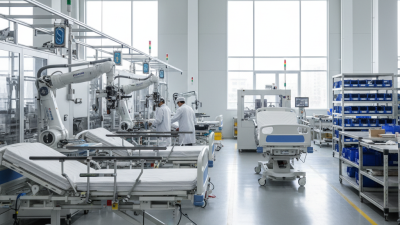
In the realm of medical equipment, ODM and OEM play vital roles in the manufacturing of resuscitation trolleys. ODM stands for Original Design Manufacturer, while OEM refers to Original Equipment Manufacturer. These companies create Medical Trolleys tailored to the specific needs of healthcare facilities. Their expertise allows for customized designs that enhance both functionality and efficiency in emergency situations.


The manufacturing process involves close collaboration between providers and manufacturers. Communication can sometimes falter, leading to mismatched expectations. Designers must understand the unique requirements of medical professionals. One oversight could affect outcomes in critical moments. Resuscitation trolleys must be reliable, accessible, and well-equipped. Small details, like wheel quality or drawer layout, can significantly impact user experience.

As the demand for medical trolleys grows, the industry faces challenges. Not all manufacturers adhere to the same quality standards. Some focus solely on cost reduction, sacrificing durability. It is essential to choose a partner who values innovation without compromising safety. Companies should reflect on their practices to ensure they adhere to the best standards in the industry while still meeting the diverse needs of healthcare providers.
Innovative Solutions for Modern Dentistry: The HGIH Portable Wireless Dental RCT Scanner Trolley and Its Impact on Patient Care
The evolution of modern dentistry is significantly influenced by innovative technologies that enhance patient care. One such advancement is the portable wireless dental RCT scanner trolley, which exemplifies how portability and efficiency can transform dental practices. This portable solution allows dental professionals to provide immediate care in diverse settings, including outdoor clinics and mobile health services. The lightweight design, combined with a robust aluminum body, ensures that the trolley can support essential equipment without compromising on mobility or safety.
Equipped with silent wheels and a one-button brake system, the trolley promotes a quiet environment during procedures, which is paramount for patient comfort. The dual protection features, including a mechanical lock and anti-slip pad, safeguard valuable equipment against theft and ensure stability while in use. Additionally, the organized storage solutions, such as the spacious accessory basket, facilitate better workflow in busy dental practices. By integrating such innovative solutions, healthcare providers can focus more on delivering high-quality patient care, thus making significant strides in the field of dentistry.
FAQS
: What are common benefits of regular exercise?
: Regular exercise boosts your mood and energy. It helps maintain a healthy weight. It can reduce anxiety and depression.
How can someone start a new fitness routine?
Begin with small goals, like walking for 15 minutes. Choose activities you enjoy. Consistency is key for lasting change.
What should I eat before exercising?
A light snack, such as fruit or yogurt, works well. Avoid heavy meals right before a workout. Listen to your body’s needs.
How often should I work out each week?
Aim for at least 150 minutes of moderate exercise per week. Break it into manageable sessions. Quality matters more than quantity.
What if I feel too tired to exercise?
It’s okay to take a break. Sometimes, a short stretch or a casual walk can help. Listen to your body’s signals.
Is it necessary to join a gym?
No, home workouts can be effective too. You can use body weight exercises. Find a space you’re comfortable in.
How can I make exercise more enjoyable?
Try exercising with friends or listening to music. Changing locations can add excitement. Keep challenging yourself for growth.
What should I do if I get bored?
Explore new activities or classes. Mix up your routine regularly. It’s important to keep things fresh and motivational.
What are signs that I need to rest?
Persistent fatigue and soreness are signs. If motivation drops significantly, listen to your body. Rest is part of progress.
How can I stay motivated long-term?
Set realistic, achievable goals. Track your progress visually. Celebrate milestones, but be patient with setbacks. Reflect on your journey.
Conclusion
The article provides a comprehensive overview of the ODM (Original Design Manufacturer) and OEM (Original Equipment Manufacturer) landscape within the resuscitation trolley manufacturing sector. It highlights critical features and specifications that define modern resuscitation trolleys, ensuring they meet the varying needs of healthcare facilities. Notably, the article identifies leading ODM companies and top OEM manufacturers globally, noting their contributions to the advancement of resuscitation equipment.
Furthermore, the article discusses emerging innovations and trends shaping the design of resuscitation trolleys, along with a market analysis of suppliers in this niche. It emphasizes the importance of adhering to regulatory standards for the production and safety of resuscitation trolleys, underscoring the industry’s commitment to delivering reliable and effective emergency medical solutions.
Related Posts