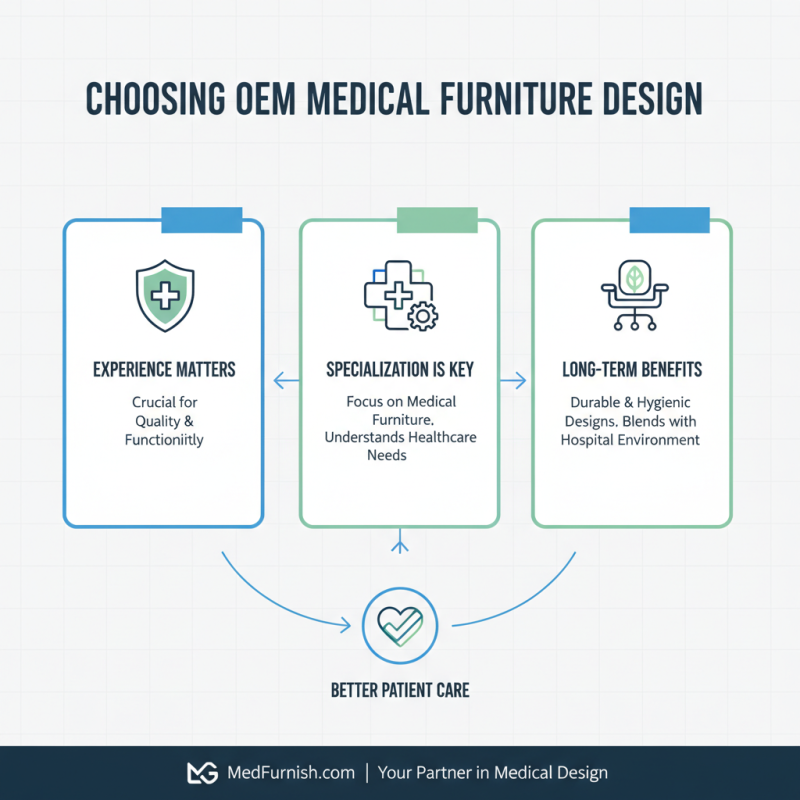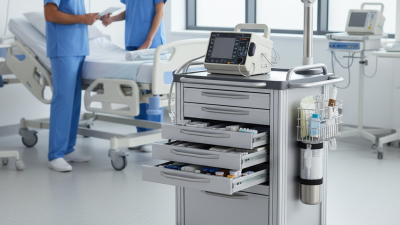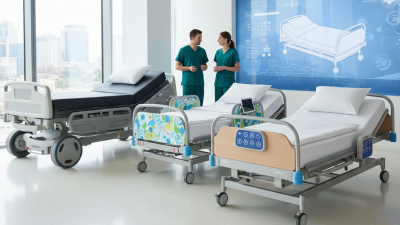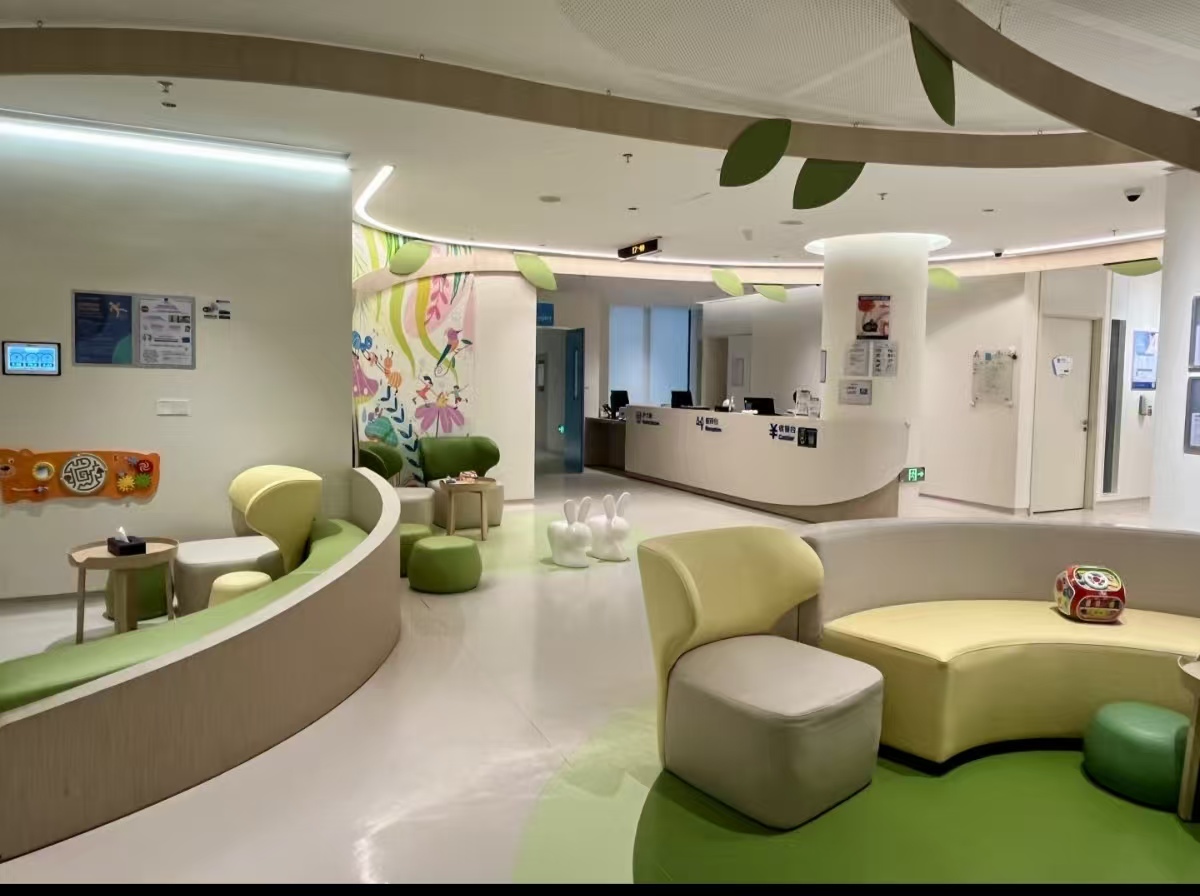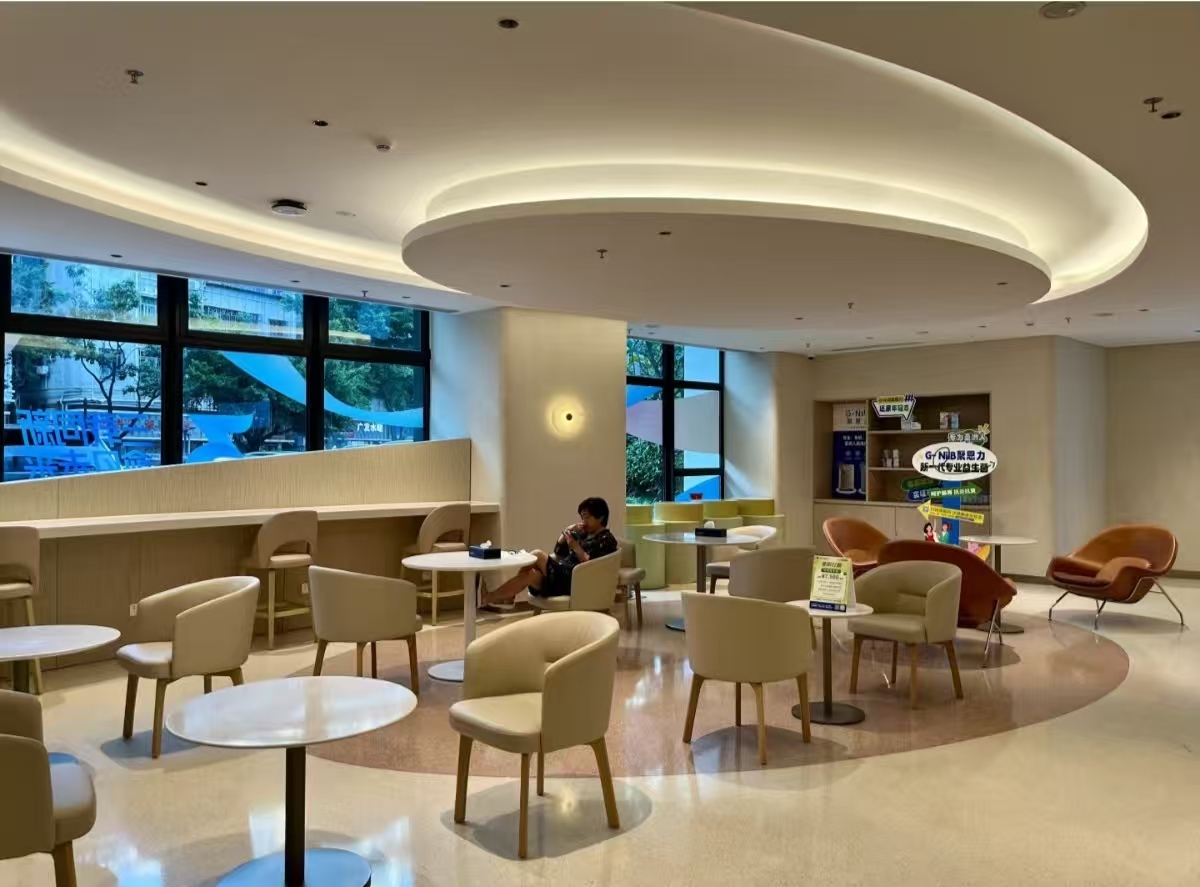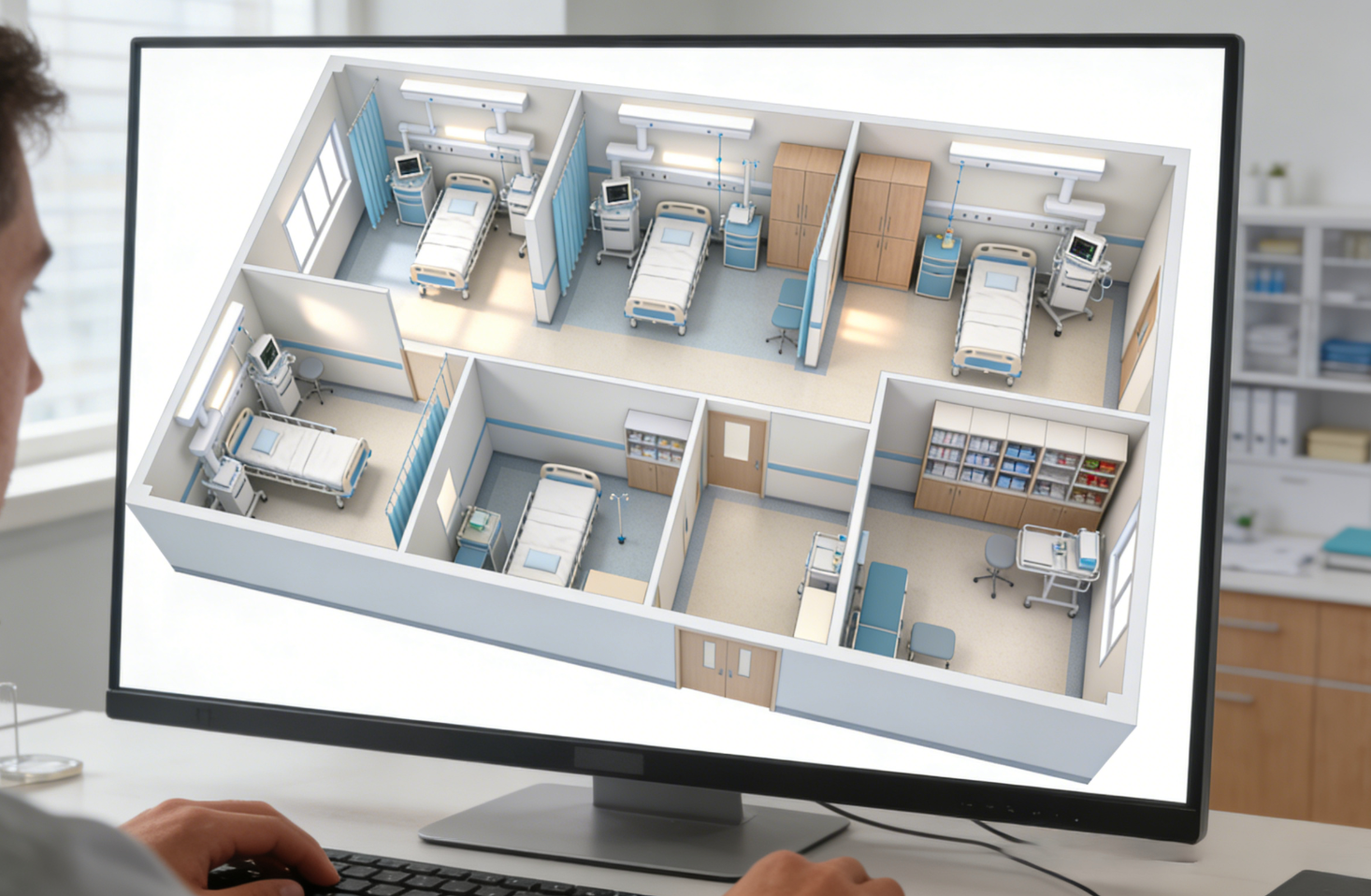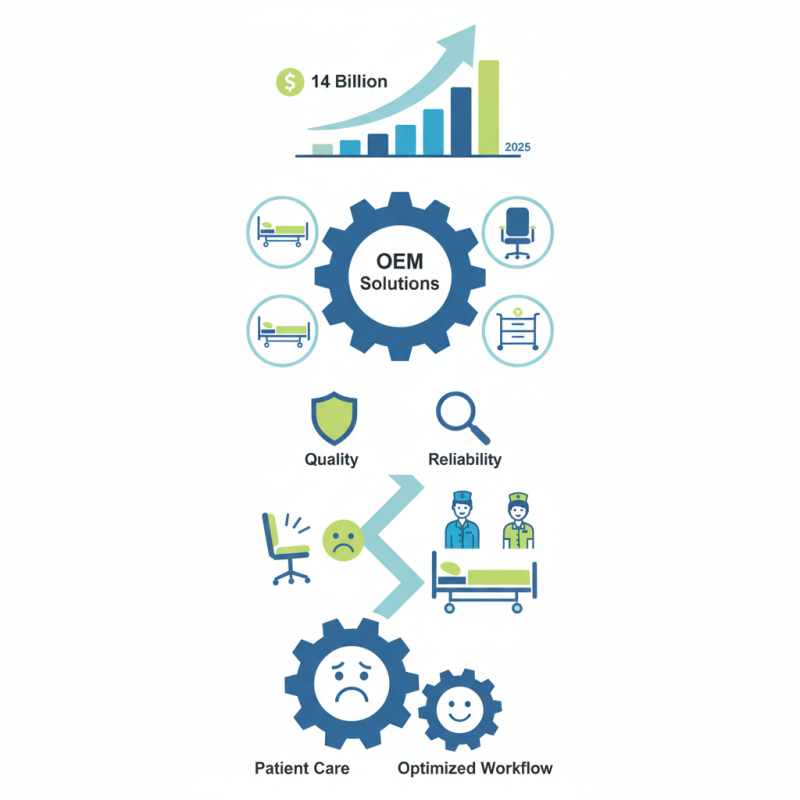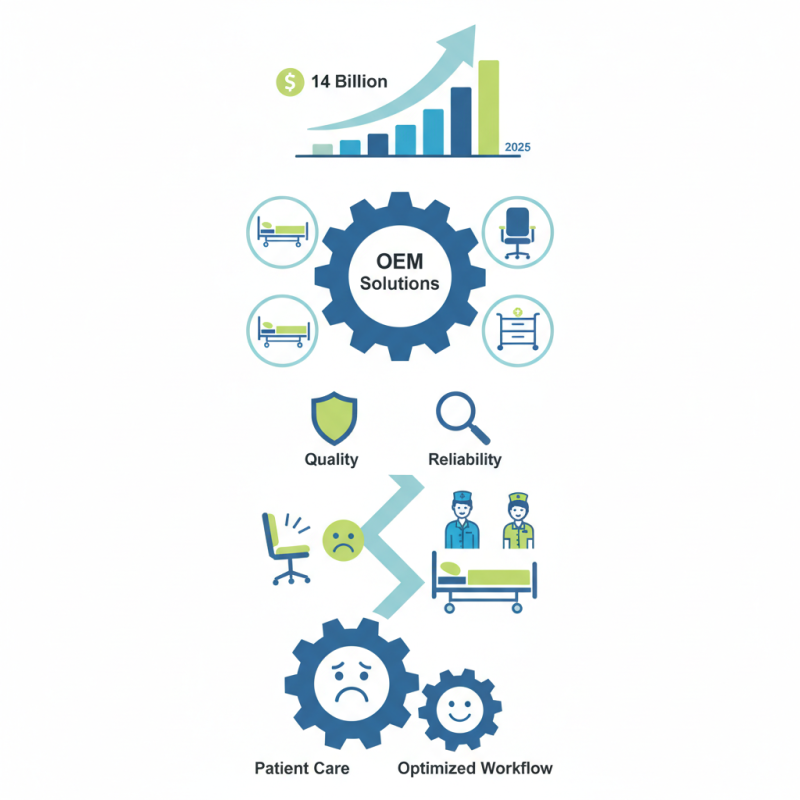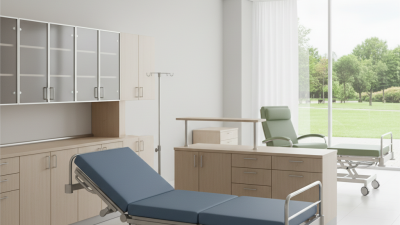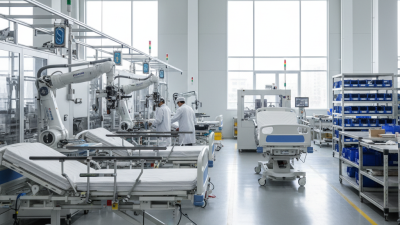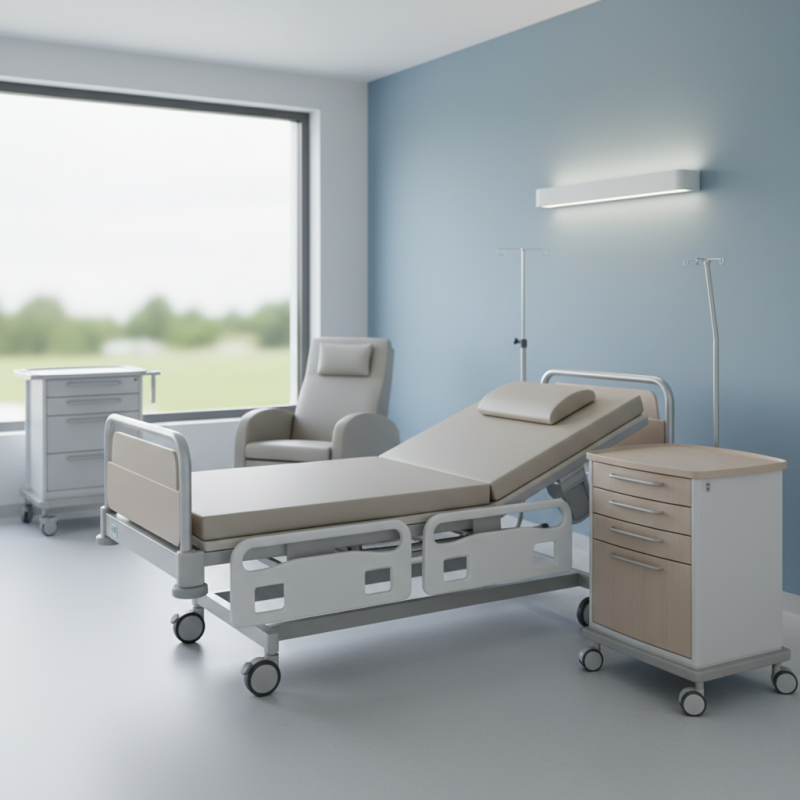
If you’re looking into custom OEM medical furniture design, there’s some pretty interesting data you should be aware of. For starters, a report from Medical Design & Outsourcing predicts the market will hit around $12 billion by 2025. That’s a huge jump, and it really shows how much demand there is for innovative, practical furniture. Hospitals and healthcare setups are really looking for high-quality, durable pieces that not only improve patient care but also help streamline staff workflows.
When it comes to good medical furniture design, things like ergonomics and space efficiency are super important. Oh, and have you heard about noise-reducing furniture? It’s been gaining popularity because it helps create a calmer environment for patients. There are even studies showing that loud hospital noise can actually slow down recovery. So, picking a company that really gets noise reduction is a smart move.
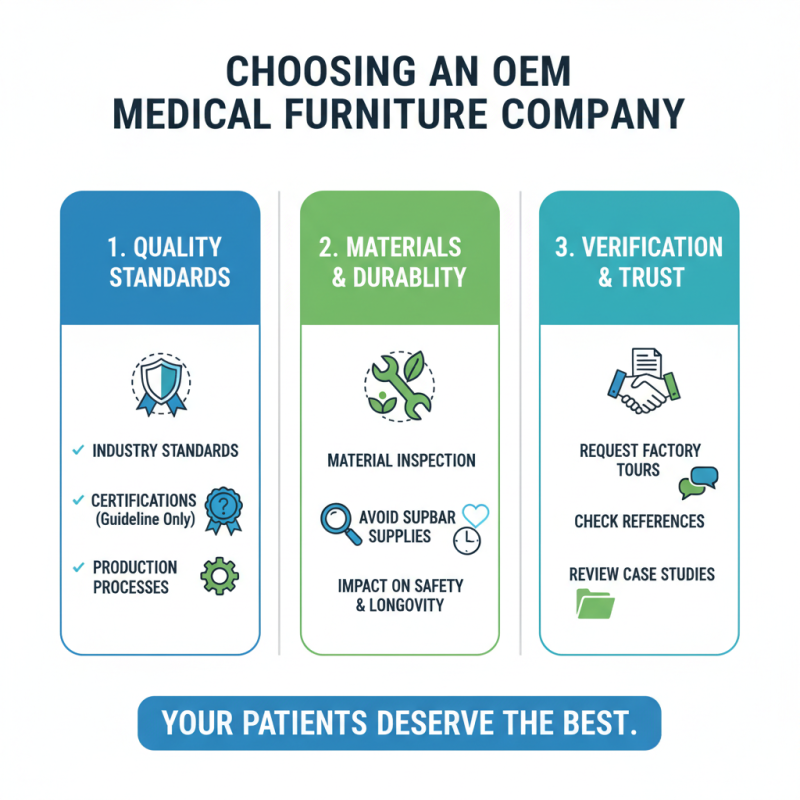
But honestly, not all manufacturers are on the same page. Some don’t focus enough on customization, while others might overlook industry standards or ignore what actual users have to say. Keep these things in mind—that will help you pick a partner who truly gets it. Finding the right manufacturer isn’t just a nice-to-have; it’s everything in this fast-moving field.
[Hide]
Understanding the Importance of Custom OEM Medical Furniture Design
Choosing a custom OEM medical furniture design company is critical for any healthcare facility. The importance of tailored designs cannot be overstated. According to a recent report by ResearchAndMarkets, over 75% of healthcare professionals believe that customized furniture can improve patient care. Specific needs dictate design choices. This means the furniture should cater to both medical requirements and aesthetic appeal.
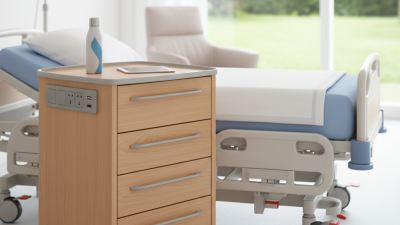
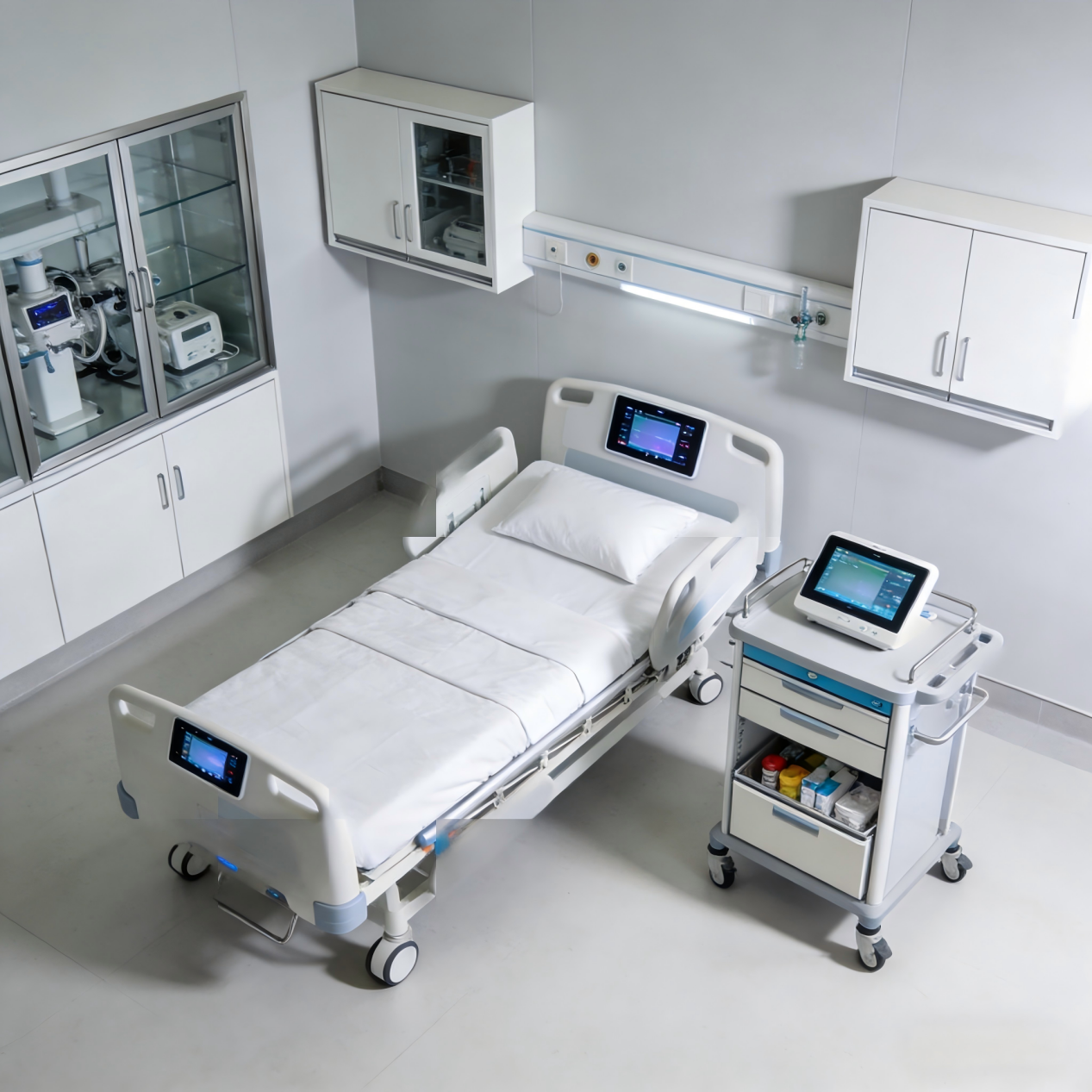
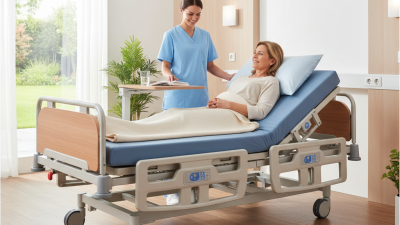
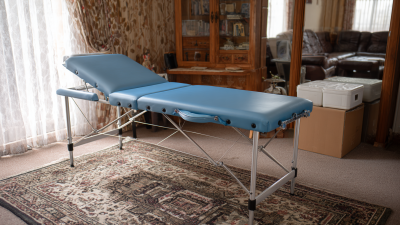
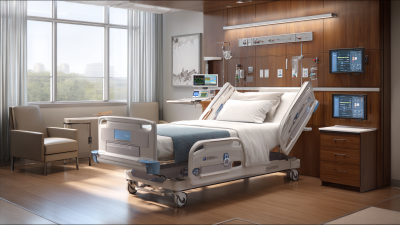
Customization also enhances functionality. For example, adjustable beds and modular seating can lead to increased patient satisfaction. Data indicates that such enhancements can boost recovery rates by up to 20%. However, not all companies prioritize this level of customization. Some may offer standard designs that do not meet unique operational needs. Relying on generic solutions can lead to inefficiencies in patient care environments.
In the selection process, consider also the ergonomics of the furniture. Poorly designed furniture can contribute to staff fatigue and poor posture, ultimately affecting productivity. Studies show that around 40% of healthcare workers experience chronic pain related to their work environment. This points to a dire need for thoughtful design choices that improve the work experience for healthcare providers.