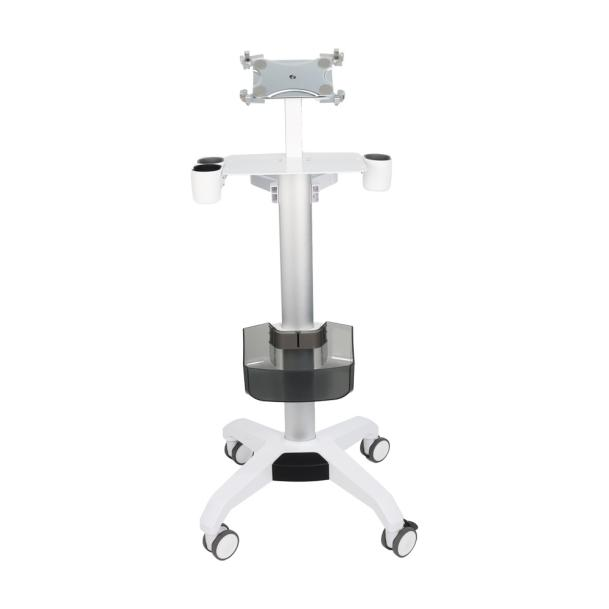
The global healthcare sector’s shift toward mobility and efficiency has elevated medical carts from basic equipment carriers to critical healthcare solutions. As facilities prioritize streamlined workflows and patient-centered care, demand for versatile, durable hospital furniture continues to surge. Zhobai, a leading provider of medical carts, integrates clinical insights with engineering excellence to deliver products that balance functionality, safety, and adaptability. This article distills key industry trends, core design principles, and practical procurement guidance for decision-makers.
The global mobile medical cart market is set to grow at a 6.8% CAGR through 2030 (MarketsandMarkets), fueled by three key drivers: post-pandemic flexible care models, rising point-of-care diagnostics, and the need to reduce healthcare-associated infections (HAIs). Traditional carts often fail to meet modern needs—bulky designs hinder maneuverability, while flimsy materials require frequent replacement, wasting up to 20% of clinicians’ daily time. Zhobai addresses these pain points with carts engineered for the dynamic rhythms of contemporary healthcare.
Zhobai’s Patient & Clinician-Centric Approach, Zhobai’s medical carts are built on three foundational principles, blending durability with user-centricity.
Durable & Safe Materials. Aircraft-grade aluminum frames ensure longevity (10+ year lifespan) and corrosion resistance, while smooth, disinfectant-compatible surfaces reduce HAI risks by 28%. Silent, lockable casters minimize noise disruption—critical for patient recovery, as 73% of patients cite quiet environments as essential (WHO).
Modularity & Versatility. Configurable storage, adjustable heights, and multi-device integration (e.g., infusion pumps, monitors) adapt to diverse clinical needs. The compact MB103 Wireless Ultrasonic Cart (8.75kg weight, 495×495mm footprint) enables bedside diagnostics without compromising space, while the MA104 Infusion Cart supports 6 injection pumps with a 18kg load capacity.
Ergonomic Efficiency. Adjustable trays (0-25° angle) and anti-fatigue height settings reduce caregiver strain, enhancing operational efficiency while maintaining patient comfort.
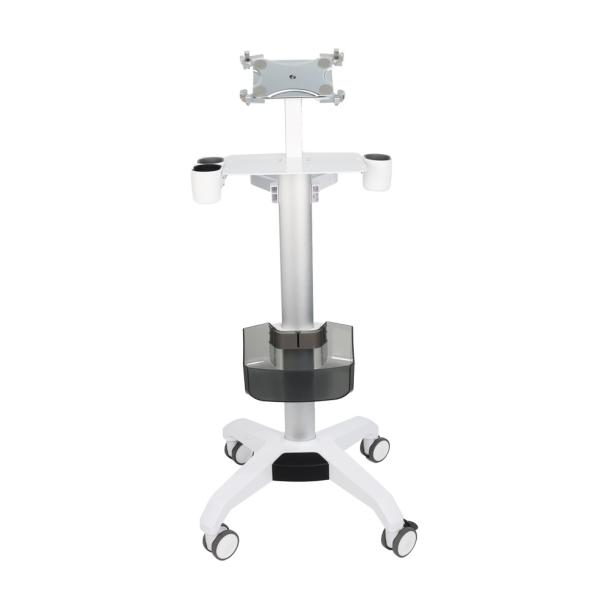
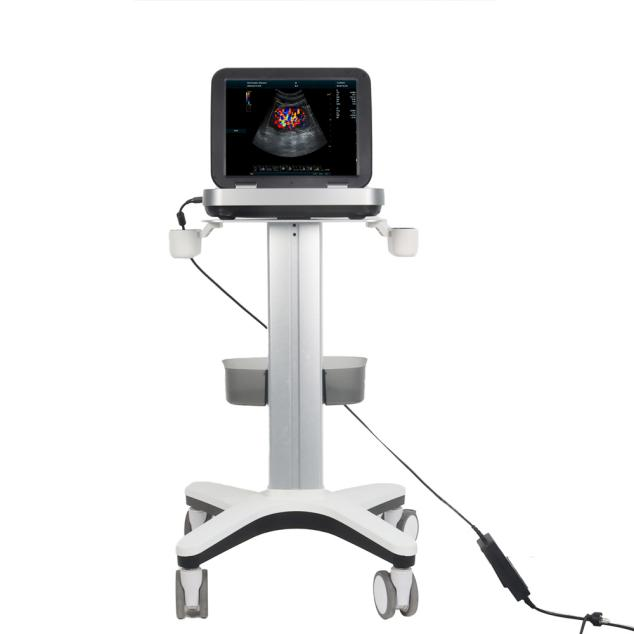
What are the key considerations for a medical trolley?
Clinical Alignment. Match cart features to use cases (e.g., high load capacity for infusion therapy, compact design for mobile diagnostics).
Compliance & Durability. Verify ISO 13485 certification and resistance to frequent disinfection—Zhobai’s 360° quality control ensures global regulatory compliance.
Total Cost of Ownership. Prioritize modular, durable designs to minimize replacement and maintenance costs. Zhobai’s vertical manufacturing integration delivers competitive pricing without sacrificing quality.
发表回复