Picking the right medical bed can actually feel pretty overwhelming sometimes. There are so many options out there, each with their own little features and quirks. The trick is to find one that really matches what you need — whether that’s comfort, easy adjustability, or safety features. Honestly, it’s worth taking a moment to think about your specific situation. If mobility’s a challenge, for example, you’d want a bed with simple controls that are easy to reach and use. There are also beds specifically made for folks who need long-term care, and they usually come with special functions to boost safety and comfort. Lots of brands like Invacare and Drive Medical offer a variety of medical beds. It’s a good idea to check out reviews and ask around — that way, you get a real sense of what works well for others. But keep in mind, even the most popular beds might not be perfect for everyone, so it’s really important to consider your personal needs before making a choice.
When selecting a medical bed, understanding the various types and features is crucial. Medical beds are designed with specific needs in mind. There are manual, semi-electric, and fully electric options. Each type serves different mobility and care requirements. For example, electric beds offer ease of adjustment for both caregivers and patients. They allow for height modifications and backrest angles with minimal effort.
Consider the features that matter most to you. Bed size can impact comfort; standard sizes may not fit everyone. Some beds include built-in siderails, which can prevent falls. Furthermore, certain models come with pressure-relieving mattresses, essential for preventing bedsores. However, a high-tech option might be unnecessary for those with less severe needs. The multitude of choices can be overwhelming, and it’s vital to assess which features genuinely enhance comfort and safety.
It’s important to recognize that personal preferences vary widely. While some may prioritize advanced technology, others might lean toward simplicity. Making a choice requires thoughtful reflection on individual circumstances. Also, be mindful that not every feature enhances the overall experience. Evaluation and discussion with healthcare professionals can lead to an informed decision tailored to unique situations.
Assessing Patient Needs: Key Considerations for Bed Selection
Choosing the right medical bed can significantly impact patient comfort and care. It’s essential to assess individual needs before making a selection. According to a report from the National Institute of Health, around 15% of patients experience discomfort due to unsuitable bedding. Consider mobility, weight, and health conditions, as these factors influence the type of bed best suited for each patient.
One crucial tip is to engage with healthcare professionals. Their insights can guide you in selecting a bed that meets specific medical needs. Adjustable beds may work for patients with mobility issues, while heavier individuals may need beds designed for higher weight capacities. Remember, not every bed is right for every person. Consider how often the bed will need adjustments or repositioning.
Moreover, look at the sleeping patterns. Some patients may require specialty mattresses, such as those that reduce pressure sores. Research indicates that nearly 30% of bedridden patients develop bedsores without proper bedding. Always evaluate the material and support level of the bed. The decision shouldn’t be rushed; it may require consultations with caregivers and patients to ensure comfort and support.
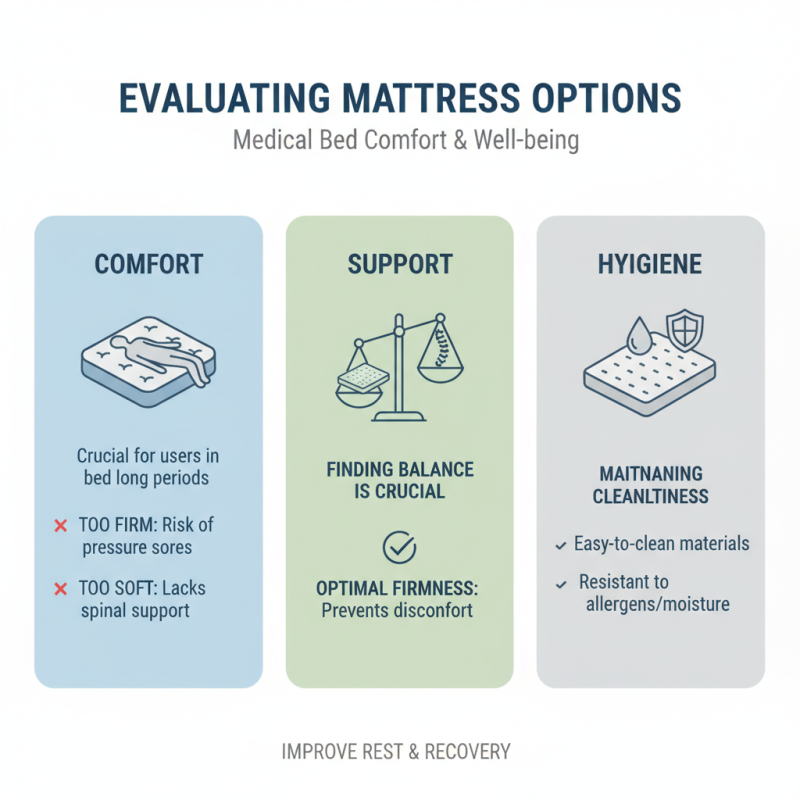
Evaluating Mattress Options: Comfort, Support, and Hygiene
Choosing the right mattress for a medical bed can significantly impact comfort and overall well-being. Comfort is essential. A mattress that is too firm may cause pressure sores. Conversely, one that is too soft may lack the necessary support for the spine. Therefore, finding the balance in firmness is crucial for users who spend extended periods in bed.
Support is another vital factor in selecting a mattress. It should maintain proper alignment of the body, especially for those with mobility issues. Mattresses that specifically cater to this need often include materials designed to distribute weight evenly. It may also prevent the risk of developing deformities over time.
Hygiene should never be overlooked. Mattresses need to be easy to clean and resistant to moisture. Antimicrobial properties can help in reducing the growth of bacteria and fungi.
**Tips:**
– Consider a mattress with removable covers for easy washing.
– Check for moisture-wicking materials to keep the sleeping surface dry.
– Look for models that offer a trial period, allowing time for adjustments.
In the end, the right mattress contributes significantly to health. However, every individual’s needs vary. Spending time assessing options can prevent discomfort down the line.
Adjustability and Functionality: Finding the Right Bed Mechanism
When selecting a medical bed, adjustability and functionality are critical factors. A comprehensive study by the American Association of Homecare indicates that adjustable beds can significantly enhance patient comfort and care quality. Beds that allow for head and foot position modifications can aid in better circulation and reduce pressure sores. This adaptability is especially beneficial for individuals with mobility issues or chronic pain.
Tips for choosing the right bed mechanism include assessing the patient’s specific needs. Consider electric beds that offer easy height adjustments. This feature not only assists caregivers but also promotes independence for patients. Also, look for beds with custom settings that can cater to various activities, like reading or sleeping.
It’s important to reflect on the range of bed options available. Not all beds provide the same functionalities. Some patients may find manual adjustments cumbersome. A bed that lacks adequate support may lead to discomfort—an essential factor to consider. Balancing features with the patient’s lifestyle will help ensure long-term satisfaction and well-being.
How to Choose the Best Medical Bed for Your Needs? – Adjustability and Functionality: Finding the Right Bed Mechanism
Feature
Importance
Options Available
Recommended For
Height Adjustment
Essential for patient care and transfers
Manual, Electric
Post-surgery, Elderly Care
Backrest Adjustment
Improves comfort and aids in feeding
Manual, Electric
Rehabilitation, Long-term Care
Leg Elevation
Reduces swelling and improves circulation
Manual, Electric
Post-operative patients, Diabetics
Weight Capacity
Ensures safety and stability
Standard, Heavy-duty
Obese patients, Bariatric care
Side Rails
Prevents falls and provides support
Fixed, Folding
Elderly, Patients at risk of falling
Mattress Type
Impact on comfort and pressure relief
Foam, Gel, Air
Patients with pressure sores, Long-term users
Safety Features: Ensuring Patient Security and Stability
When selecting a medical bed, safety features are crucial. Patient security and stability should be a top priority. Look for beds with sturdy frames that can support varied weights. Adjustable height options can aid caregivers in safely transferring patients. Many beds come with side rails. These rails can prevent accidental falls during the night.
Another important aspect is mattress quality. The right mattress can enhance comfort and support. Consider beds with pressure relief features. These can help reduce the risk of bedsores, which can complicate recovery. Check for a locking mechanism on bed wheels. This ensures the bed stays in place, preventing slips or rolling during use.
Evaluating safety features can be challenging. Not all beds provide the same protection. Some users may overlook the importance of weight limits and stability. This can lead to unsafe situations for vulnerable patients. Regular checks on the bed’s functionality are necessary. Staying proactive can ensure ongoing patient safety.
Budgeting for a Medical Bed: Costs and Insurance Coverage
When budgeting for a medical bed, knowing the costs is essential. According to the National Association of Medical Equipment Suppliers, a basic medical bed can cost between $500 and $3,000. Features like adjustable height and side rails can increase the price.
Insurance coverage often plays a significant role. Medicare, for example, may cover part of the costs if a bed meets specific criteria. However, not all plans cover similar items. It’s crucial to check with your insurance provider regarding coverage limits. Often, patients face unexpected out-of-pocket expenses.
There’s also the consideration of ongoing costs. Maintenance and accessories, such as mattress replacements, add to the total expenditure. The average lifespan of a medical bed is about ten years, but costs can accumulate over time. Evaluating the long-term implications of your choice is advisable.
Budgeting for a Medical Bed: Costs and Insurance Coverage
Maintenance and Durability: Long-term Care and Use of Medical Beds
When selecting a medical bed, maintenance and durability are crucial factors. Over time, wear and tear can affect both performance and comfort. It’s essential to invest in a bed that is built to last, especially for long-term care. Check the frame materials and bed mechanism. Metal frames often provide better support than plastic ones. Additionally, examine how easy it is to clean and maintain the bed.
Regular maintenance can extend the life of your medical bed. Simple tasks such as checking for loose screws and inspecting moving parts can prevent larger issues. Replace any worn or damaged components promptly. This not only enhances safety but also ensures comfort for the user.
Tips: Always refer to maintenance guidelines from the manufacturer. These can provide specific insights into routine checks and care methods. Consider keeping a log of maintenance activities. It helps in tracking issues over time and ensures nothing is overlooked. Knowledge of the bed’s features can greatly assist in troubleshooting minor problems as they arise.
FAQS
: Why is selecting the right medical bed important?
: The right medical bed enhances patient comfort and care. Around 15% of patients suffer discomfort from unsuitable bedding.
What factors should be considered when choosing a bed?
Assess mobility, weight, and health conditions. These factors influence which type of bed is best.
How can healthcare professionals assist in bed selection?
Their insights can guide suitable options based on specific medical needs. Don’t skip this step—it matters.
What is the value of adjustable beds?
Adjustable beds can improve comfort and care quality. They help with circulation and reduce the risk of pressure sores.
How can maintenance affect a medical bed?
Regular maintenance can extend bed life. Check for loose screws and inspect moving parts to prevent issues.
What should I look for in bed materials?
Choose beds with sturdy materials, like metal frames. They offer better support than plastic and last longer.
How often should maintenance be performed?
Regularly perform checks and follow maintenance guidelines. Keep a log to track issues and ensure safety.
What are specialty mattresses?
Specialty mattresses can reduce pressure sores. They are vital for bedridden patients who spend long hours in bed.
Can bed adjustments impact patient independence?
Yes, electric beds promote independence by allowing easy height adjustments. This is beneficial for both patients and caregivers.
What should be regarded about bed functionalities?
Not all beds provide the same features. Lack of adequate support can lead to discomfort, which must be considered.
Conclusion
When choosing the best medical bed, it’s essential to understand the various types and features available, which cater to specific patient needs. Key considerations include assessing the individual’s mobility, comfort requirements, and any medical conditions that may necessitate specialized support. Selecting the right mattress is also crucial, focusing on aspects like comfort, support, and hygiene to ensure optimal patient care.
Additionally, the adjustability and functionality of a medical bed play a significant role in enhancing patient experience. Safety features must be prioritized to ensure stability and security, while budgeting for a medical bed should consider both costs and potential insurance coverage. Finally, considering maintenance and durability will help ensure that the medical bed remains an effective solution for long-term use, ultimately improving the quality of care provided.
Liam is a dedicated marketing professional with extensive expertise in the healthcare furniture industry. As an integral member of our team, he plays a vital role in promoting our customized hospital and healthcare furniture solutions. With years of experience, Liam possesses a deep understanding……








发表回复