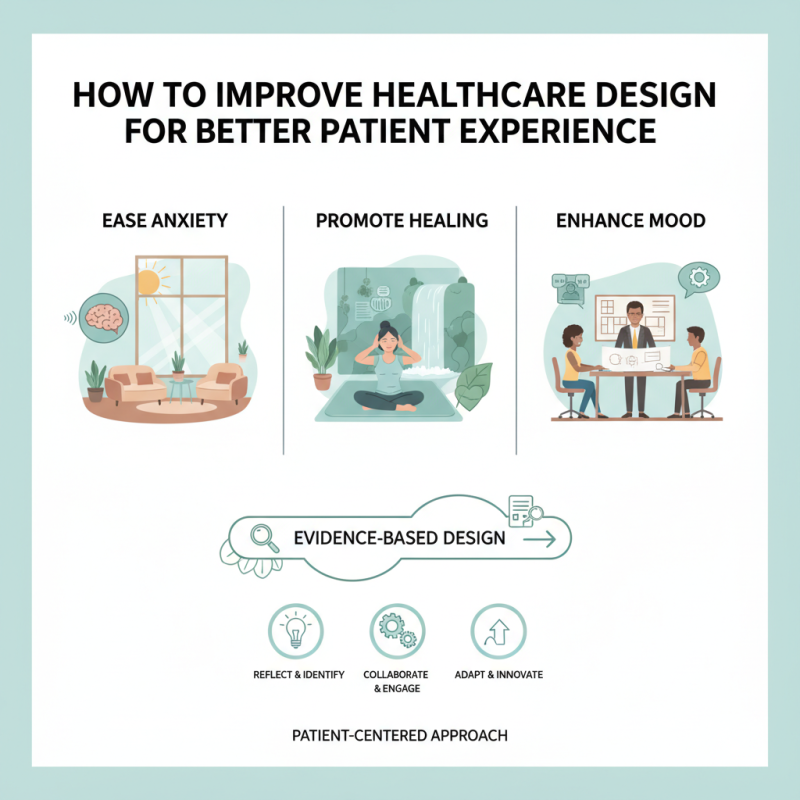
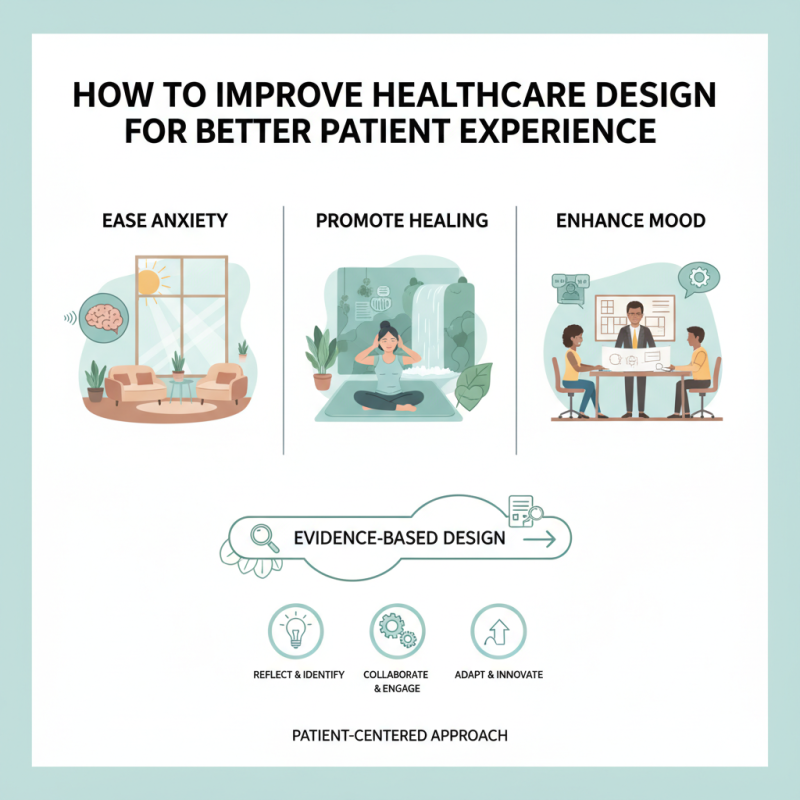
These days, if you think about healthcare, the patient experience has become more important than ever. The design of healthcare spaces really plays a big role in how people feel during their visits. A thoughtfully designed environment can do wonders—helping to ease anxiety and even boost the healing process. But honestly, a lot of healthcare facilities still miss the mark when it comes to creating welcoming, comfortable spaces.
That’s where something like Evidence-Based Healthcare Interior Design comes into play. It’s all about using research to guide how these spaces are designed, focusing on comfort and practicality. Incorporating natural light and calming colors can really lift a patient’s mood and make a difference. Still, challenges are everywhere. Some providers tend to overlook how important it is to design with the patient’s experience in mind, ending up with sterile, unfriendly environments that just don’t feel welcoming.
To truly push the boundaries of healthcare design, collaboration is key. Getting patients involved in the design process can help reveal what they really need and prefer. It’s also important to step back and honestly assess current practices—where can we do better? The ultimate goal is to craft spaces that aren’t just functional for medical purposes but also genuinely promote comfort and wellbeing. Making real improvements in healthcare design isn’t a one-and-done kind of thing—it’s an ongoing journey of reflection, learning, and adapting.
Understanding the Importance of Healthcare Design for Patient Experience
Healthcare design plays a crucial role in shaping patient experiences. A well-designed space can ease anxiety and promote healing. Soft lighting, calming colors, and natural elements can create a more serene environment. Thoughtful layouts can ease navigation, reducing stress for patients and their families. However, many facilities overlook these elements, resulting in disorienting and uncomfortable spaces.
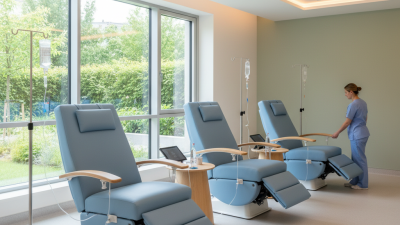
The waiting area is often a focal point. It should feel welcoming, yet many remain sterile and uninviting. Adding comfortable seating and artwork can make a significant difference. Consideration should also be given to acoustics. Excessive noise can frustrate patients and hinder their recovery. Simple adjustments, like sound-absorbing materials, can enhance comfort.
Inclusivity in design is another area needing attention. Spaces should cater to all abilities. This means accessible entrances, clear signage, and appropriate rest areas. Many designs still neglect these aspects, leaving some patients feeling marginalized. Improving healthcare design requires ongoing reflection and commitment. It is about making every patient feel valued and at ease.
Core Principles of Effective Healthcare Design
Effective healthcare design focuses on the patient experience. Creating calming environments can reduce anxiety. Incorporating nature, like plants and sunlight, improves mood. Spaces need to feel welcoming. Artwork and soothing colors can break the clinical atmosphere.
Tips for enhancing design: start with comfortable furniture. Chairs should support relaxation. Create private areas for patients. This helps maintain dignity. Consider layouts that reduce crowding. Patients appreciate open, airy spaces.
In recent Healthcare Interior Design Case Studies, facilities applied these principles. Some designs fell short, prioritizing aesthetics over usability. Each element should enhance experience, not detract from it. Reflect on how environments influence healing. Improving design requires continuous evaluation.
Role of Space and Layout in Enhancing Patient Comfort
The design of healthcare spaces plays a crucial role in patient comfort. Studies show that a well-thought-out layout can significantly reduce stress. For instance, a report by the Center for Health Design states that 80% of patients feel more relaxed in environments with natural light and open spaces. This underscores the importance of creating areas where patients can find peace.
The Reception Desk Design is also impactful. A welcoming and organized reception area helps to make a positive first impression. Research indicates that when patients feel comfortable upon arrival, their overall experience improves. Elements like comfortable seating, soothing colors, and clear signage contribute to a calming atmosphere. However, many facilities still overlook these aspects, leading to patient frustration.
Too often, healthcare facilities prioritize functionality over comfort. Areas can feel sterile and uninviting. This lack of attention to the emotional side of healthcare can result in increased anxiety for patients. Furthermore, many waiting rooms lack adequate privacy, which can make discussions feel uncomfortable. By addressing these issues, healthcare providers can enhance the patient experience meaningfully.
How Space and Layout Influence Patient Comfort
Integrating Technology for Improved Patient Interaction
The integration of technology into healthcare design is essential for improving patient interaction. A recent study found that 70% of patients prefer digital communication tools for scheduling and consultations. Mobile apps enable quick access to information. Yet, many healthcare providers still rely on outdated communication methods, leading to frustration.
Nurse Station Design plays a crucial role in patient experience. A well-designed nurse station can enhance visibility and accessibility for patients and staff. Research shows that when nurses are closer to patients, the overall satisfaction increases by 30%. However, many facilities fail to incorporate modern technology.
High-tech tools like tablets can help nurses gather real-time patient feedback, creating a more engaging environment. While technology offers significant benefits, challenges remain. Many healthcare organizations lack proper training on new tools. This can lead to inefficiencies and miscommunication. Additionally, technology can sometimes feel impersonal, which alienates some patients. Striking the right balance between tech and human touch is vital for true enhancement in patient care.
Designing for Accessibility and Inclusivity in Healthcare Spaces
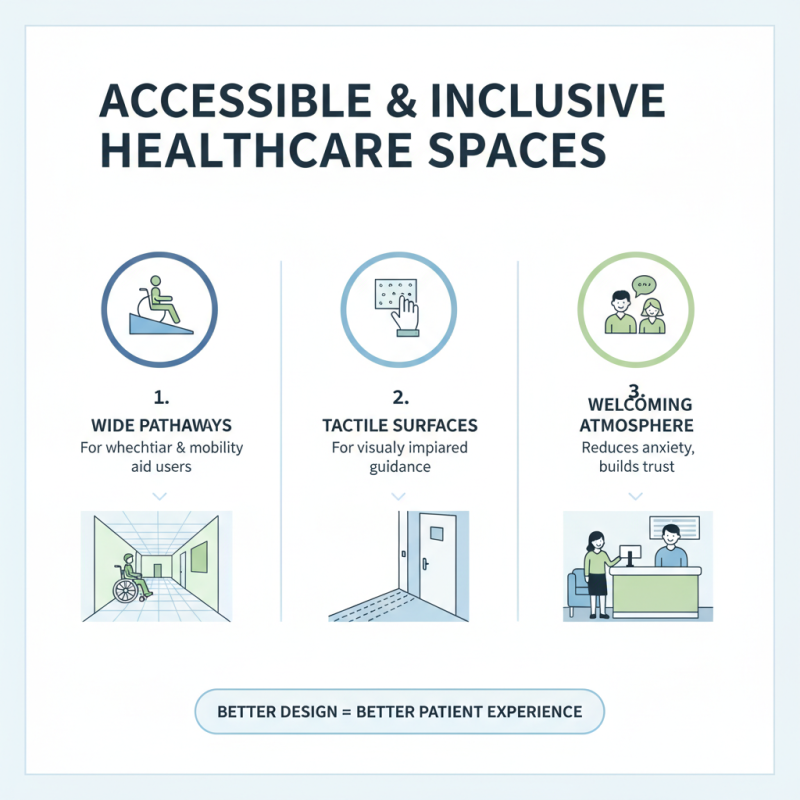
Creating accessible and inclusive healthcare spaces is essential for improving patient experiences. Design should not only meet regulations but also cater to the diverse needs of all individuals. A welcoming atmosphere can reduce anxiety and build trust. For instance, ensure pathways are wide enough for wheelchairs. Incorporate tactile surfaces to assist visually impaired patients.
Tips: Use clear signage with large fonts. Implement color contrasts to help those with color blindness. Consider adjustable furniture for patients with different physical needs. Always include waiting areas that accommodate families and caregivers.
A thoughtful design can address shortcomings. Are restrooms equipped for all users? Do seating options allow comfort for everyone? Reflecting on these questions is crucial. Patient feedback can reveal areas for improvement. Engage with the community to understand their experiences. This dialogue can drive meaningful changes in healthcare environments.
Incorporating Nature and Art to Alleviate Patient Stress
Nature and art can significantly enhance patient experience in healthcare settings.
Studies reveal that incorporating natural elements can reduce stress by up to 60%.
A recent report by the American Institute of Architects underscores the impact of biophilic design.
Access to nature can lower heart rates and anxiety levels in patients. Simple features like large windows or indoor plants can create a calming effect.
Art also plays a crucial role in healthcare.
It humanizes clinical spaces and fosters emotional recovery. Research indicates that art in hospitals can aid healing,
with patients responding positively to colorful murals or soothing sculptures. Hospitals with curated art collections report lower patient pain levels.
However, not all facilities prioritize this design approach. Many hospitals still overlook these details, focusing solely on functionality.
It’s important to reflect on current practices. Some healthcare environments can feel sterile and intimidating.
They need more thoughtfully designed spaces that invite comfort and relaxation.
Creating places where nature and art coexist could improve the overall patient experience.
We must advocate for change to ensure that every patient feels welcomed and valued.
Feedback Mechanisms: Gathering Patient Insights for Continuous Improvement
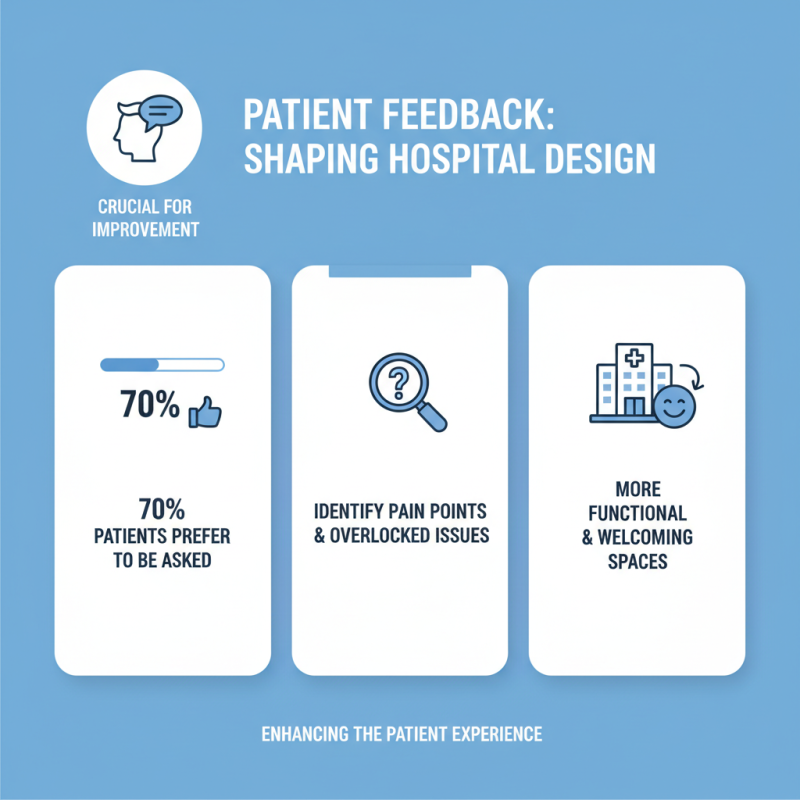
Gathering patient feedback is crucial for improving hospital design and enhancing patient experience. A recent survey indicated that roughly 70% of patients prefer facilities that actively seek their opinions. When healthcare providers engage patients, they can identify pain points that might be overlooked otherwise. Feedback can drive changes in hospital design, ensuring spaces are more functional and welcoming.
Touchpoints for feedback can include surveys, focus groups, and digital platforms. For instance, hospitals using kiosks for quick feedback reported a 25% increase in responses. Yet, many institutions still struggle to analyze this data effectively. A significant 40% of healthcare organizations cite data overload as a barrier. This highlights the need for streamlined approaches to enhance patient insights.
In some cases, feedback leads to necessary adjustments, but in others, facilities may implement changes that don’t resonate with patients. For example, while some hospitals may prioritize aesthetic upgrades, patients often value efficiency over looks. Balancing design with practical needs is essential. Continuous reflection on patient feedback helps create a cycle of improvement in hospital design, ultimately leading to better patient experiences.
Maximizing Space and Sustainability: Introduction to the Modern Modular Eco-Friendly MDF 4-Drawer Filing Cabinet
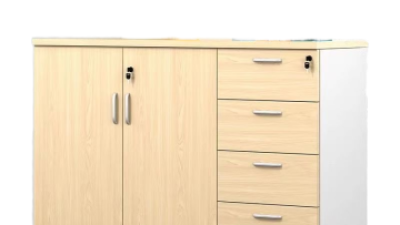
In today’s fast-paced business environment, maximizing space and sustainability has become a crucial consideration for offices and workspaces. The introduction of modern modular eco-friendly furniture, such as a 2-Door 4-Drawer Lateral Filing Cabinet, exemplifies this trend by combining efficient storage solutions with environmentally conscious design. According to a report by the Global Green Building Trends, nearly 70% of office workers express a preference for sustainable office products, highlighting the increasing demand for eco-friendly furniture solutions.
The innovative design of the 2-Door 4-Drawer Lateral Filing Cabinet showcases a hybrid storage concept that caters to diverse organization needs. Its dual locking system ensures the security of important documents, while the lockable doors with adjustable shelves provide customizable space for various office supplies. With four smooth-glide drawers, this cabinet offers both functionality and ease of access, addressing the common challenges of traditional filing solutions. Research from the International Interior Design Association shows that organized workspaces can increase productivity by up to 20%, making such intelligent designs an asset to any modern workspace.
Furthermore, the durable wood-white finish not only adds a touch of contemporary elegance but also contributes to a sustainable furniture choice. By opting for modular designs, businesses can minimize waste and promote a culture of sustainability. As offices continue to evolve, embracing eco-friendly solutions like this filing cabinet will not only enhance efficiency but also reflect a commitment to responsible practices in the workplace.
: The article aims to inform readers about various topics. It provides insights and tips on specific subjects.
How do I recognize credible information?
Check the sources cited in the article. Look for well-researched, factual details that support the content.
Can I trust all online information?
Not all online information is reliable. Always verify facts with multiple sources if needed.
What should I do if I find incorrect information?
Report it to the website or platform. Encourage others to verify and seek accurate data.
Why is critical thinking important when reading articles?
Critical thinking helps you discern fact from opinion. It also aids in understanding nuances in the content.
How can I improve my understanding of complex topics?
Break down the information into smaller parts. Use resources that clarify difficult concepts effectively.
Is it okay to share information that is not fully verified?
Sharing unverified information can cause confusion. Always ensure you have credible sources before sharing.
What if I disagree with certain points in the article?
Disagreement can lead to reflection. It’s essential to explore alternative viewpoints and reassess your own beliefs.
How often should I read articles on this topic?
Regular reading keeps you informed. However, balance it with other educational forms to gain a well-rounded perspective.
Can I apply the tips from this article immediately?
Yes, many tips can be applied right away. Reflect on their relevance to your situation before implementation.
Conclusion
Effective healthcare design plays a critical role in enhancing patient experience by prioritizing comfort, accessibility, and interaction. By understanding the importance of healthcare design, facilities can create environments that support patient well-being. Core principles include thoughtful layout and spatial arrangement that promote ease of movement and privacy, ultimately leading to reduced stress and anxiety for patients.
Integrating technology into healthcare design fosters improved patient interactions through advanced communication tools and services, ensuring patients feel connected and informed. Emphasizing inclusivity and accessibility is essential, making healthcare spaces welcoming and accommodating for all individuals. Additionally, incorporating elements of nature and art can significantly alleviate patient stress, creating a calming atmosphere. Finally, implementing feedback mechanisms allows healthcare providers to gather valuable patient insights, facilitating continuous improvement in healthcare design and ensuring a better overall experience for patients.
Liam is a dedicated marketing professional with extensive expertise in the healthcare furniture industry. As an integral member of our team, he plays a vital role in promoting our customized hospital and healthcare furniture solutions. With years of experience, Liam possesses a deep understanding……



发表回复