标签: factory audit checklist

  • Hospital Furniture Factory Audit Standards: 7 Red Flags

    Hospital Furniture Factory Audit Standards: 7 Red Flags

    A polished showroom demonstrates what a supplier can prepare for a visit. A factory audit must determine what the production system can repeat across hundreds of units. The difference is found in drawing revisions, material batch records, machine settings, first-article inspection, nonconforming-product control and the ability to trace a finished cabinet back through every critical process. This article provides a practical framework for hospital furniture factory audit standards, focusing on evidence-based verification rather than superficial metrics.

    Understanding the Audit Scope: Beyond the Showroom

    Most procurement teams start with a tour of the showroom and a review of certificates. Both are useful, but neither proves the ability to deliver consistent quality across a 500-bed project. The real audit begins when you move into the production area, the warehouse, the laboratory, and the document control office. Your goal is to verify that every critical requirement has a defined source, a measurement method, a sampling plan, recorded evidence, batch traceability, and a clear process for isolating and closing out nonconformities.

    Learn more about how to choose a bespoke hospital furniture manufacturer.

    For African and Middle Eastern projects, additional factors come into play: remote auditing capabilities, cross-border replacement lead times, climate exposure during transit, on-site installation resources, and evidence traceability for customs and regulatory purposes. These regional characteristics should shape your audit agenda, but they do not change the fundamental principles.
    Auditor measuring cabinet hole positions with caliper in a hospital furniture factory
    Auditor measuring cabinet hole positions with caliper in a hospital furniture factory | ZHOBAI Medical Furniture

    Four Production Modules: What to Inspect in the Workshop

    A thorough audit of hospital furniture factory audit standards requires examining four core production modules. Each module has specific evidence requirements that go beyond equipment brand names.

    CNC and Panel Processing

    Do not be impressed by a German five-axis CNC machine. The brand, country of origin, and number of axes are not compliance requirements. Instead, verify the machine’s suitability for your materials, precision, size range, and capacity. Ask to see tool management records, program versions, first-piece measurement results, and maintenance logs. Randomly select a part from a current order and re-measure critical hole positions against the approved drawing. This tests actual capability, not marketing claims.

    For example, a typical nurse station counter may require a hole tolerance of ±0.5 mm for MEP penetrations, but a general appearance dimension might allow ±1.5 mm. The audit should confirm that the factory distinguishes between critical and non-critical characteristics and applies appropriate control levels.

    Edge-Banding: PUR vs. EVA

    PUR (polyurethane reactive) hot-melt adhesive can provide higher resistance to moisture and heat than many conventional EVA systems, but the adhesive name alone is not evidence of a compliant edge. Buyers should verify the exact product, storage life, application window, substrate preparation, machine settings, bond-line consistency, and performance after exposure to the facility’s cleaning chemicals.

    During the audit, check the adhesive drum labels for batch numbers and expiry dates. Review the application temperature, feed speed, and glue quantity settings on the edge-banding machine. Ask for records of peel tests or humidity resistance tests. A common mistake is to assume that PUR edge banding for hospital furniture is automatically waterproof or antibacterial. It is not. The performance depends on the entire process chain.

    Metal Fabrication and Surface Treatment

    For metal components, verify the steel grade and sheet thickness. Inspect welding procedures and surface preparation. Ask for coating batch records, film thickness measurements, curing logs, and adhesion test reports. If the supplier claims antimicrobial powder coating, they must provide specific test reports, such as ISO 22196, and state the scope of the claim. Do not accept verbal assurances.

    For salt spray testing, the ASTM B117 standard defines the test apparatus and procedure, but it does not specify exposure duration or pass/fail criteria. A supplier that says “we passed salt spray” must provide the duration, substrate, coating system, scribe method, and acceptance results.

    Sample, Pre-Assembly, and Packaging

    The sample room is not just a showroom. It should contain first articles, golden samples, and records of deviations from production. Verify that the sample’s capability is replicated in mass production. Check pre-assembly procedures: are critical or first articles fully assembled? Are standard modules sampled according to an approved plan? For packaging, review the packing BOM, room numbering, and container loading records. A missing component can delay installation for weeks, especially on overseas projects.
    PUR edge-banding machine applying adhesive to a panel in a medical furniture workshop
    PUR edge-banding machine applying adhesive to a panel in a medical furniture workshop | ZHOBAI Medical Furniture

    QA/QC Systems and Batch Traceability

    An ISO 9001 certificate indicates that a quality management system has been assessed within a defined scope. It does not prove that every product is defect-free or clinically compliant. Auditors should confirm the certified scope and then test whether the system is operating through real orders, records, and corrective actions. This is the essence of healthcare furniture quality control inspection.

    The following table outlines the key control points and the evidence you must see during an audit:

    Control Point Evidence Required
    IQC (Incoming Inspection) Material specifications, batch numbers, supplier COA, and inspection records. Nonconforming materials must be quarantined.
    FAI (First Article Inspection) First-piece inspection for new products, major changes, or line changes. Verify dimensions, holes, hardware, surface, and assembly.
    IPQC (In-Process Control) Patrol inspections at cutting, edge-banding, drilling, welding, painting, and assembly. Reaction plans for deviations.
    OQC / Final Inspection Functional, appearance, dimensional, accessory, label, packaging, and documentation checks based on product risk.
    Nonconforming Product Identification, segregation, review, rework/scrap/concession approval, and corrective action.
    Traceability From finished cabinet back to production order, material batches, operator/inspection records, hardware, and test reports.
    Change Control Evaluation, approval, verification, and sample update for any change in material, adhesive, hardware, process, supplier, or drawing.

    For iso certified medical cabinetry manufacturing, the certificate scope must be verified. If the certificate covers only certain product lines, you cannot assume all cabinetry falls under it. Similarly, ISO 13485 is for medical devices; a cabinet may not be a medical device. Do not let a certificate substitute for product-level testing.
    Factory quality inspector reviewing batch traceability documents in a hospital furniture plant
    Factory quality inspector reviewing batch traceability documents in a hospital furniture plant | ZHOBAI Medical Furniture

    Printable Factory Audit CheckSheet

    To standardize your evaluation, use a checklist that covers all critical areas. The following is a condensed version suitable for both on-site and remote audits. This factory audit checklist for medical suppliers should be adapted to your project specifics.

    Module Evidence to Check Verification Action Result
    Management System ISO certificates, scope, internal audits, management reviews, corrective actions. Verify company name, address, scope, certification body. Randomly trace one CAPA. Pass / Corrective Action
    Drawings & Engineering Approved drawings, BOM, revision control, ECN, FAI. Trace a finished product back to current drawing and changes. Pass / Corrective Action
    Raw Materials Supplier approval, IQC, batch numbers, COA. Scan batch number and trace to incoming inspection and supplier report. Pass / Corrective Action
    CNC Precision Machine capability, calibration, first-piece and patrol records. Measure critical hole positions randomly; compare to project tolerance. Pass / Corrective Action
    PUR Edge-Banding Adhesive TDS, batch number, process parameters, test records. View actual production parameters and take samples for inspection/testing. Pass / Corrective Action
    Coating & Metal Pretreatment, film thickness, curing, adhesion (ASTM D3359), salt spray (ASTM B117) reports. Randomly check coating batch and test conditions. Pass / Corrective Action
    Hardware & Structure Rated loads, cycle tests, supplier documentation. Perform functional and load spot checks per approved specifications; do not invent a universal 35 kg drawer limit. Pass / Corrective Action
    Process Quality Control FAI/IPQC/OQC, measuring tools, defect segregation. Find actual inspection points and nonconforming area on the line. Pass / Corrective Action
    Pre-Assembly & Packaging Golden sample, assembly checks, packing BOM, labels. Pick one set and verify component completeness, room number, and packaging protection. Pass / Corrective Action
    Traceability Order, batch, inspection, shipping, complaint records. Randomly select a delivered order and complete end-to-end trace. Pass / Corrective Action

    For remote audits, use live video with random access to production areas and documents. Do not accept pre-recorded videos. The ISO/IEC TS 17012 standard provides guidance on remote auditing methods, but it also notes limitations. Some observations, such as tactile checks or precise measurements, may require on-site presence.

    Interior design of contemporary reception hall with comfortable sofa and table for guests and stylish lamps hanging on ceiling
    Interior design of contemporary reception hall with comfortable sofa and table for guests and stylish lamps hanging on ceiling | ZHOBAI Medical Furniture

    Sampling Strategies and the Cost of Defect Leakage

    ISO 2859-1:2026 defines acceptance sampling by attributes. It is a useful tool, but it is not a license to allow defects. The AQL is not a target for production; it is a threshold for acceptance. You should stratify your inspection based on risk:

    • Critical MEP holes, product identity, quantity, and severe safety characteristics: consider 100% inspection or automated error-proofing.
    • Repeat appearance, general dimensions, and packaging items: use sampling based on batch size, inspection level, and AQL.
    • New products, process changes, supplier changes, or consecutive nonconformities: increase inspection level or revert to tightened inspection.

    After production stabilizes, adjust the sampling plan based on process capability, complaints, and trend data. Do not mechanically apply the same AQL forever.

    Understanding the cost of defect leakage is essential for justifying audit efforts. The formula is:

    Cost of defect leakage = Defective quantity × (Replacement + Site labor + Expedited logistics + Reinspection) + Delay overhead + Warranty/claim administration

    Consider an illustrative scenario: 500 sets of furniture, an 8% defect rate, $800 per set for replacement, $300 per set for site labor, and $500 per set for expedited logistics. The scenario loss would be $64,000, excluding batch isolation and re-inspection costs. This is an example, not an industry average. Use your project’s historical defect rates and actual costs to build a realistic model.

    The return on investment for an audit is not simply the audit cost versus the potential loss. It also includes the probability of finding issues, the effectiveness of corrective actions, and the opportunity cost of switching suppliers or delaying the project.

    Healthcare professionals assisting at a modern clinic reception desk.
    Healthcare professionals assisting at a modern clinic reception desk | ZHOBAI Medical Furniture

    ZHOBAI’s Evidence-Based Approach

    At ZHOBAI Medical Furniture, we apply these principles to our own operations. Our factory audit standards are designed to provide clients with transparent evidence. We offer live video audits where you can randomly select production lines, review documents, and witness measurements in real time. Our QA/QC team maintains records for every batch, from incoming materials to final packing. We do not claim “medical-grade” based on a certificate; we provide test reports and process data that support our claims.

    For example, our PUR edge-banding line uses specific adhesive grades with documented TDS and process parameters. We can share batch records and test results for peel strength and humidity resistance. Our metal finishing follows strict pretreatment and coating protocols, with film thickness and adhesion tests per ASTM D3359. We are transparent about what we inspect 100% and what we sample, and we adjust our plans based on risk.

    We encourage you to review our factory page and certifications to understand our capabilities. When you are ready to conduct a thorough audit, we will provide an agenda and evidence package tailored to your project’s product categories, required standards, and confidentiality conditions.
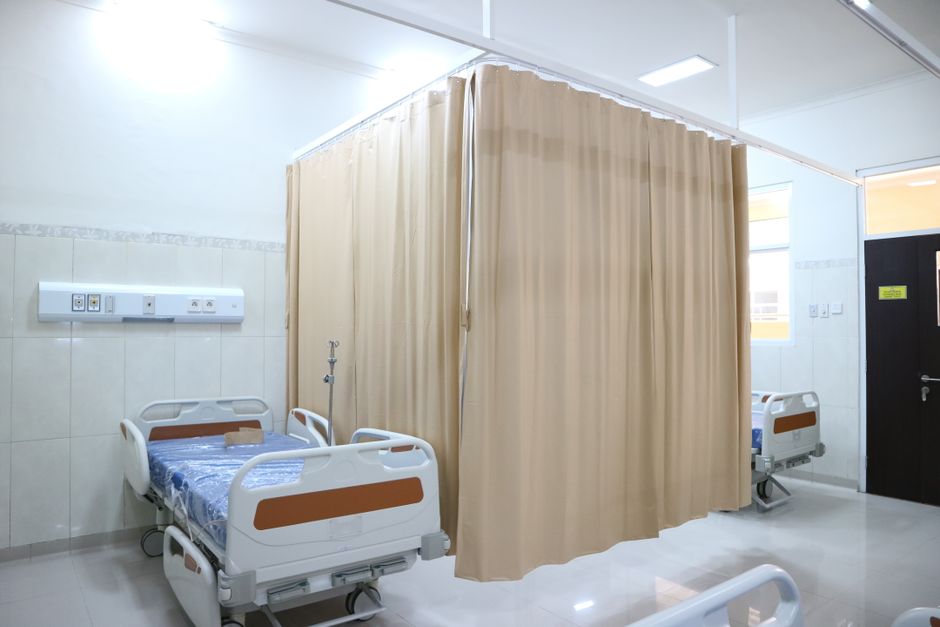
    Quiet hospital ward with beds and privacy curtains in Surabaya, Indonesia.
    Quiet hospital ward with beds and privacy curtains in Surabaya, Indonesia | ZHOBAI Medical Furniture

    Red Flags and Common Pitfalls

    During your audit, watch for these red flags:

    • Unsubstantiated claims: “70% of medical-grade promises fail in the workshop” is a statistic without a source. Replace it with evidence-based evaluation.
    • Overemphasis on equipment brand: A German CNC machine does not guarantee precision. Check actual parts.
    • Vague tolerances: “All holes within 0.5 mm” is meaningless without a drawing reference. Tolerances must come from approved drawings.
    • PUR as a magic solution: PUR adhesive is not automatically antibacterial or waterproof. Verify the specific product and process.
    • ISO 13485 as a blanket certification: The certificate scope must cover the actual product. A cabinet may not be a medical device.
    • 100% inspection claims: Clarify whether they mean 100% of critical characteristics or 100% of all items. The latter is rare and costly.
    • Pre-assembly claims: “All modules are pre-assembled” may be unnecessary. Key and high-risk modules should be fully assembled, while standard modules can be sampled.

    These pitfalls are common in the industry. A rigorous audit will uncover them.
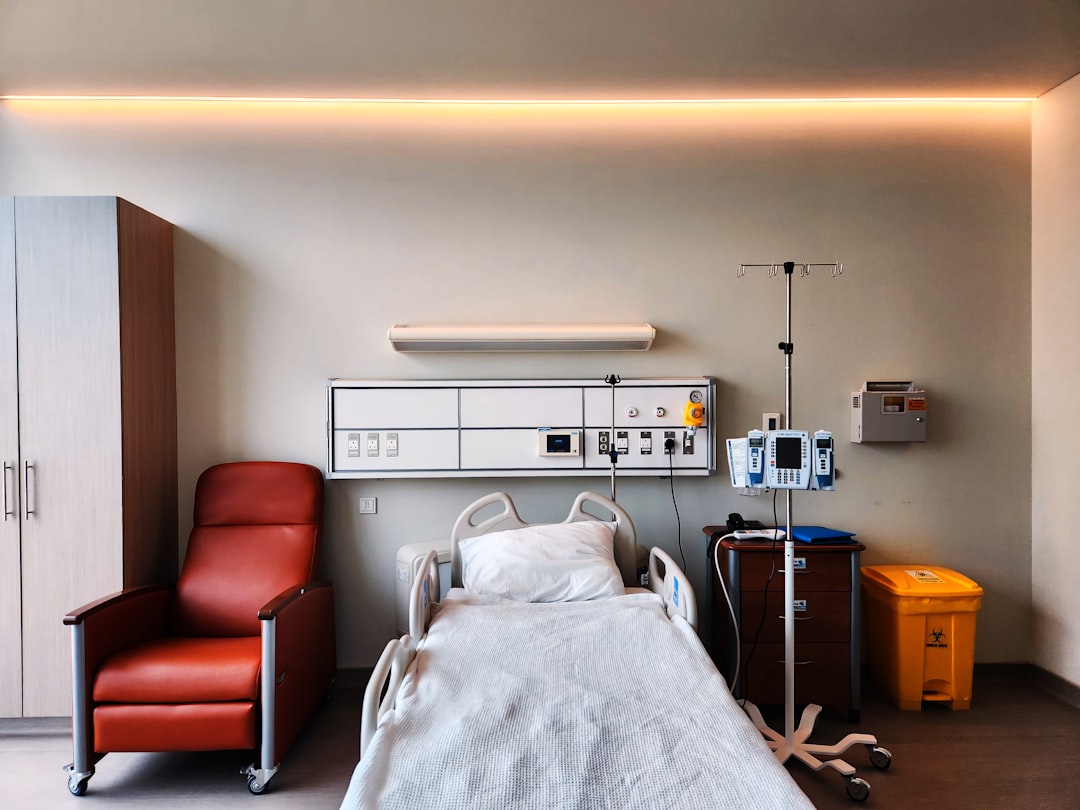
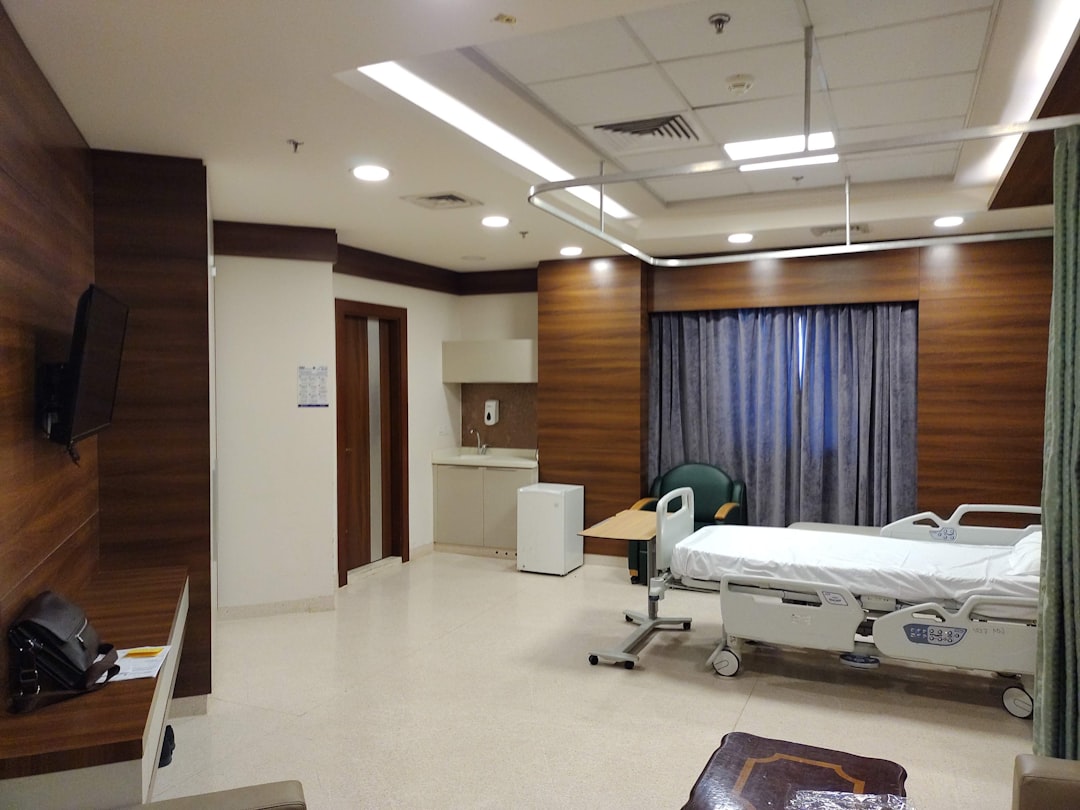
    a hospital room with a bed and a chair
    a hospital room with a bed and a chair | ZHOBAI Medical Furniture

    Conclusion

    The true factory audit is not about proving that equipment looks advanced. It is about proving that every critical requirement has a source, a process control, an inspection record, a reaction plan, and traceability from mass production back to materials and drawings. By applying the hospital furniture factory audit standards outlined here, you can select a supplier who can consistently deliver clinical furniture that meets your specifications, even across borders and climates. A supplier who can provide third-party QC reports at mid-production and has shipped to your destination port before is worth more than a showroom full of certificates.

    ZHOBAI Medical Furniture

    Ready to Apply These Principles to Your Project?

    Our engineering team responds to all project briefs within 24 hours. Share your FF&E scope — room count, property type, target timeline, and budget range — and we’ll provide a factory-direct assessment and indicative pricing within one business day.

    Send Your Project Brief →


  • How to Choose a Bespoke Hospital Furniture Manufacturer: A 5-Dimension Framework

    How to Choose a Bespoke Hospital Furniture Manufacturer: A 5-Dimension Framework

    Choosing a bespoke hospital furniture manufacturer is a clinical and financial decision that directly impacts patient safety and project lifecycle cost. This white paper outlines a systematic, evidence-based framework for evaluating manufacturers, from engineering depth and material compliance to production consistency and logistics management. It provides actionable audit checklists, scoring matrices, and total cost of ownership models for procurement professionals.

    Engineer reviewing shop drawings for a bespoke hospital furniture project
    Engineer reviewing shop drawings for a bespoke hospital furniture project | ZHOBAI Medical Furniture

    Table of Contents

    • Introduction
    • 1. Aesthetics and Clinical Function: Why They Diverge
    • 2. The Five-Dimension Manufacturer Evaluation Framework
    • 3. Factory Audit Red Flags and Evidence Checklist
    • 4. CFO Weighted Scoring and TCO Model
    • 5. From RFQ to Production: Recommended Procurement Process
    • 6. Frequently Asked Questions

    Introduction

    Selecting the right partner for a hospital furniture project is not simply a matter of comparing catalogues. The decision determines whether the facility will achieve infection control targets, accommodate clinical workflows, integrate with MEP systems, and stay within budget over a five-year horizon. This guide explains how to choose a bespoke hospital furniture manufacturer by focusing on verifiable engineering evidence rather than marketing claims. A manufacturer that can demonstrate documented shop drawings, material test reports, batch quality records, and delivery track record is preferable to one that relies on showroom displays alone. As covered in our article on hospital FF&E procurement blueprint solutions, procurement success depends on selecting a partner who translates design intent into verified clinical performance.

    Factory audit of a medical furniture production line showing CNC machining and quality control
    Factory audit of a medical furniture production line showing CNC machining and quality control | ZHOBAI Medical Furniture

    1. Aesthetics and Clinical Function: Why They Diverge

    Visual Calm vs. Cleanability

    A healing environment uses colour, proportion, and familiar forms to reduce patient stress. However, decorative elements—such as intricate wood grain, deep crevices, or fabric with open weaves—can trap soil and resist cleaning. The best approach is using smooth, sealed surfaces with minimal seams. For example, a nurse station with a solid surface top and integrated sink eliminates the joint where bacteria accumulate. To evaluate this, request the manufacturer’s material compatibility data with the disinfectants specified for your project. The Center for Health Design emphasizes that furniture affects safety, infection control, ergonomics, and patient experience; aesthetics must not undermine these functions.

    Nurse station mock-up with integrated sink and cleanable surfaces for infection control
    Nurse station mock-up with integrated sink and cleanable surfaces for infection control | ZHOBAI Medical Furniture

    Clinical Workflow Integration

    Furniture layout must be tested against actual clinical tasks. For a patient room, does the overbed table allow easy access for both patient and clinician? Are storage locations for frequently used supplies within arm’s reach? The workflow should be validated using full-scale mock-ups. A manufacturer that cannot provide a mock-up or first article for high-risk spaces may not understand these requirements. This is a key factor when you evaluate medical grade furniture suppliers.

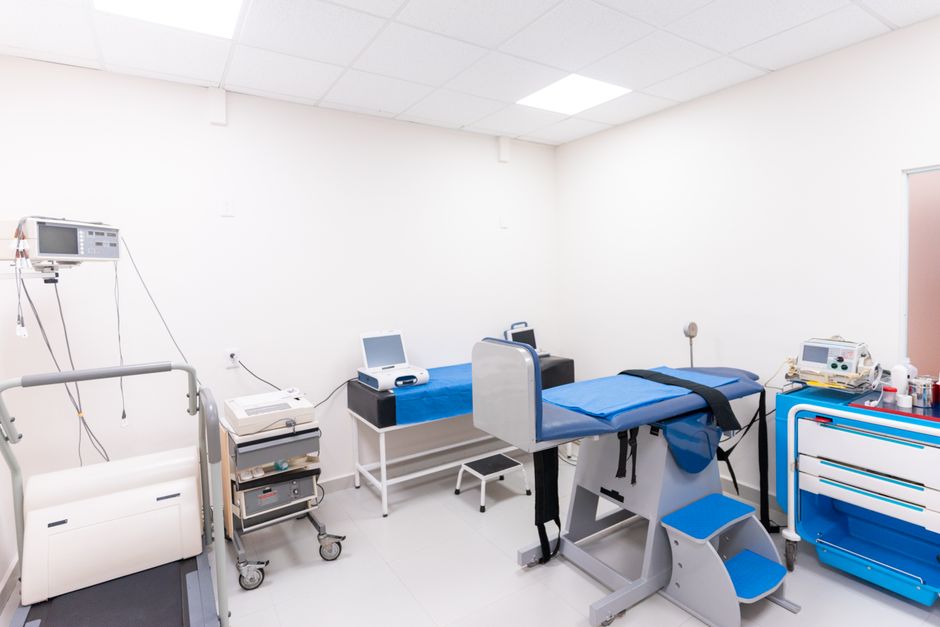
    A clean and equipped medical examination room with diverse healthcare tools.
    A clean and equipped medical examination room with diverse healthcare tools | ZHOBAI Medical Furniture

    Infection Control Support

    Focus on surface continuity, edge banding integrity, and cleanability. An “antimicrobial” coating is not a substitute for a surface that can withstand repeated disinfection. Ask for the supplier’s cleaning compatibility test results using your hospital’s actual disinfectant, at the concentration and contact time prescribed by CDC guidelines. The claim “antimicrobial bespoke medical cabinetry” must be supported by product-level test reports, not just a certificate.

    white and blue hospital bed
    white and blue hospital bed | ZHOBAI Medical Furniture

    Safety and Accessibility

    All furniture must meet local accessibility codes and BIFMA standards for load, stability, and durability. For example, wall-mounted cabinetry in a corridor should be tested to withstand lateral forces from stretchers. Verify that the supplier references BIFMA X5.4 for public seating or relevant standards for storage units. Balancing aesthetics and functionality in hospital furniture means every design element has a measurable clinical justification.

    black flat screen tv on white wooden tv rack
    black flat screen tv on white wooden tv rack | ZHOBAI Medical Furniture

    Lifecycle Maintainability

    Doors, drawer fronts, and worktops should be replaceable without dismantling adjacent cabinetry or disturbing walls. The manufacturer must provide a spare parts list with lead times. A TCO analysis that does not factor in replacement parts underestimates true cost. This is where value engineering for healthcare furniture becomes essential—reducing long-term cost without compromising performance.

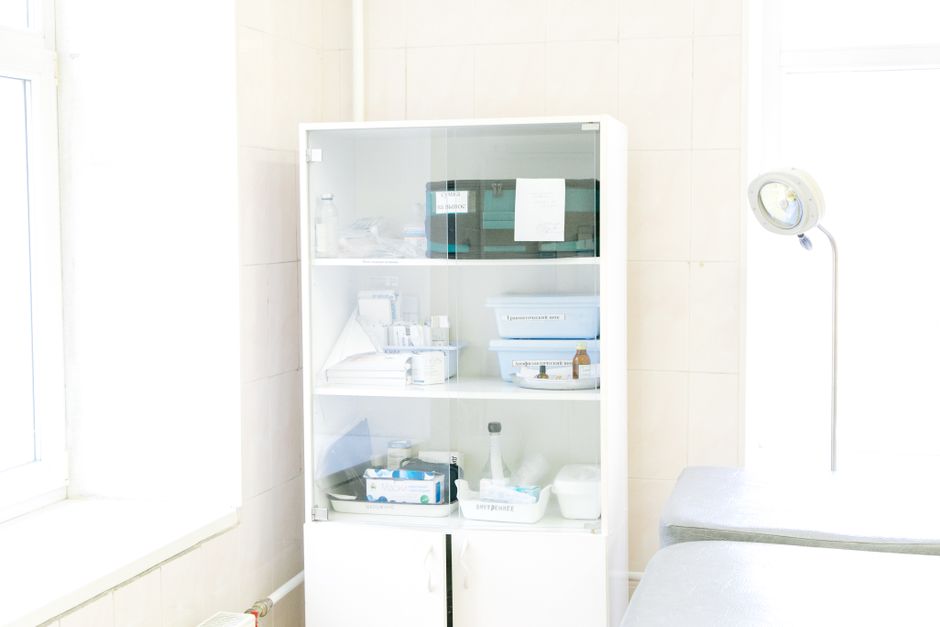
    Modern white cabinet with cupboard with various medical instruments and shelves with medical materials near empty white bed near window and lamp in hospital
    Modern white cabinet with cupboard with various medical instruments and shelves with medical materials near empty white bed near window and lamp in hospital | ZHOBAI Medical Furniture

    2. The Five-Dimension Manufacturer Evaluation Framework

    Dimension 1: Engineering Depth and Design Translation

    The manufacturer must be able to interpret architectural, structural, MEP, and medical gas drawings—not just renderings. Ask for sample shop drawings from a completed project: plans, elevations, sections, and node details showing attachment points and clearances. Does the supplier provide BIM/3D clash detection? Request a clash log with issue, owner, status, and version. A supplier that can demonstrate this capability is qualified to produce custom healthcare casework compliance documentation. When you are learning how to choose a bespoke hospital furniture manufacturer, engineering depth is the first gate.

    A sterile and well-equipped medical examination room with a focus on precision instruments.
    A sterile and well-equipped medical examination room with a focus on precision instruments | ZHOBAI Medical Furniture

    Dimension 2: Material, Product Testing, and Compliance Evidence

    For every material family (laminate, solid surface, metal, edge banding), require a Technical Data Sheet (TDS) and Safety Data Sheet (SDS) with batch numbers. Verify test reports against the specific standard, e.g., BIFMA X5.5 for tables or ISO 7172 for stability. Disinfectant compatibility testing must specify product, concentration, contact time, cycles, and pass criteria. ISO 9001 and ISO 14001 certificates should be checked for scope, validity, and accreditation body. They confirm management systems, not product performance. Also ensure ISO 14001 is the current 2026 version. For bespoke medical furniture design and manufacturing, material evidence is non-negotiable.

    man in white dress shirt sitting on white chair in front of computer
    man in white dress shirt sitting on white chair in front of computer | ZHOBAI Medical Furniture

    Dimension 3: Flexible Manufacturing and Batch Consistency

    Customization does not mean every item is unique. A capable factory uses modular components with defined tolerances. Audit the CNC, metal fabrication, welding, spray booth, and assembly lines. Check in-process quality control: first-piece inspection, patrol inspection, and final inspection. Ask to see calibration records for measuring instruments. Verify that the same batch has consistent colour, size, and hardware alignment. This dimension directly impacts your ability to rely on one stop bespoke hospital furniture solutions from a single source.

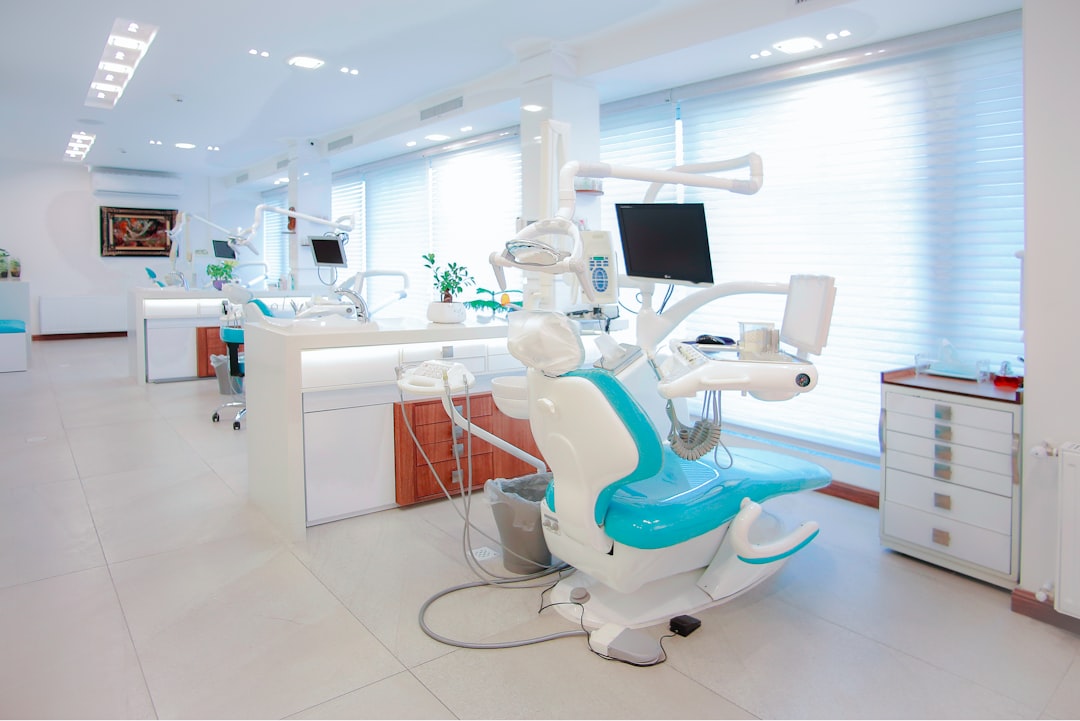
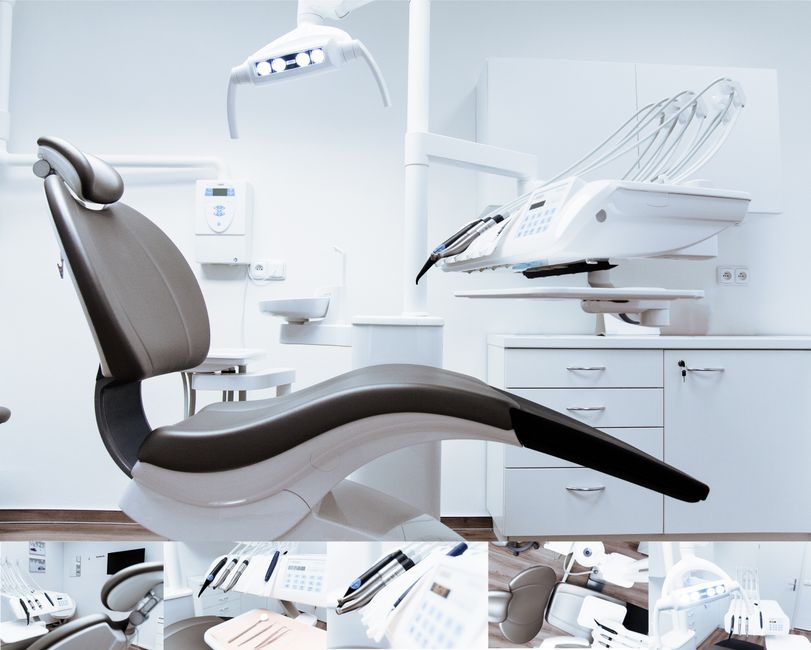
    A modern dental clinic interior showcasing a dental chair and equipment in a clean, clinical setting.
    A modern dental clinic interior showcasing a dental chair and equipment in a clean, clinical setting | ZHOBAI Medical Furniture

    Dimension 4: Mock-ups, First Articles, and Production Samples

    High-risk areas—nurse stations, patient room casework, clinical cabinets—should be built as full-scale mock-ups or first articles. The mock-up must be evaluated for workflow, ergonomics, equipment fit, MEP interface, cleaning access, and maintenance. Approval should be documented with an audit checklist, deviation list, close-out, and sign-off. The golden sample becomes the benchmark for production. If the supplier offers a factory audit, insist on seeing the actual production line, not just the showroom. This is a critical part of any hospital furniture factory audit checklist.

    Dimension 5: Packaging, Logistics, TCO, and Recovery

    Compare knock-down versus assembled packaging in terms of CBM, weight, packing cost, installation labor, and site tools. Require room-level packing with load plans, barcodes, and site readiness gates. Request historical data on transit damage rates, shortage rates, and replacement lead time. The Incoterms and validity period must be stated. A turnkey hospital furniture manufacturer selection should include these logistics and risk factors in the evaluation.

    3. Factory Audit Red Flags and Evidence Checklist

    Red Flags

    • Certificates without product evidence: Showing ISO logos but unable to produce specific test reports for the materials in your project.
    • Renderings instead of engineering files: Fast to produce beautiful images but cannot provide section cuts, attachment details, or MEP interference checks.
    • Prototype vs. production gap: Special team builds mock-ups, but mass production has no golden sample, tolerance control, or batch sampling.
    • Oversimplified quotation: Low total price but no breakdown of material grades, packaging, Incoterms, testing, installation, spare parts, and change orders.

    Printable Audit Checklist

    Module Evidence Required Verification Method
    Company & Systems Business license, ISO certificates, organization chart Cross-check company name, address, scope, validity; contact certification body randomly
    Engineering & Design Shop drawings, interface matrix, clash log, revision history Open a delivered project file; trace from design to production
    Material Evidence TDS/SDS, grade data, test reports, sample labels Match report product ID to production batch materials
    Production Capability Equipment list, process sheets, production schedule, subcontractor list Observe live production for multiple processes; avoid showroom only
    Quality Control IQC/IPQC/OQC records, calibration certificates, non-conformance reports Sample one QC form and re-measure a finished item
    Mock-up & Sample Audit checklist, golden sample, deviation close-out Ask engineer to walk through how a dimension change flows into production
    Packaging & Logistics Packaging specification, load plan, packing list, claim history Check actual packing line, labels, corner protection, moisture barrier, room-level grouping
    Project Execution Contracts, bills of lading, client approvals, installation records Randomly sample two completed projects; allow redaction of sensitive data

    This checklist should be used during an on-site or live remote audit. The audit is a key step in learning how to choose a bespoke hospital furniture manufacturer. Without it, you rely on trust rather than evidence.

    4. CFO Weighted Scoring and TCO Model

    Weighted Scoring Matrix

    Dimension Weight Scoring Basis Minimum Threshold
    Engineering & MEP Coordination 25% Shop drawings, site verification, clash log, mock-up evidence Fail if critical interface capability missing
    Material & Product Performance 20% Specific product tests, cleaning compatibility, durability, low emissions Fail if no traceable material evidence
    Quality & Batch Replication 20% Process control, gauges, first piece, sampling, non-conformance management Major gaps require remediation
    Project & Supply Chain Execution 15% Production schedule, packaging, delivery, shortage rates, recovery plans Downgrade if delivery plan unverifiable
    Lifecycle Cost 15% Initial price, installation, maintenance, replacement, logistics, risk adjustment Do not rank by lowest price only
    Commercial & Compliance Risk 5% Contract terms, insurance, financial stability, IP processes, dispute resolution Eliminate if material credit risk

    Use this matrix to create a technical knockout rule: if the supplier fails on engineering coordination, material traceability, key product testing, or production quality control, they do not proceed to commercial comparison. This structured approach helps you how to choose a bespoke hospital furniture manufacturer with objective data.

    Five-Year TCO and Risk-Adjusted Model

    Risk-adjusted TCO = Initial purchase + Engineering + Testing + Packing/freight + Installation + Expected rework + Maintenance + Replacement + Downtime + Expedited recovery. Compare three scenarios: low-cost low-evidence supplier, high-brand premium supplier, and engineering-driven direct manufacturer like ZHOBAI. Input variables must be project-specific: furniture quantities, room types, material systems, expected lifespan, maintenance frequency, spare parts policy, packaging CBM, shipping cost per container, installation labor rate, site conditions, damage probability, and delay penalties. Do not accept generic savings claims. The goal of evaluating medical grade furniture suppliers is to identify which scenario has the lowest total cost after risk weighting.

    For example, a low-cost supplier may have a 30% lower initial price but a 15% higher probability of interface issues causing additional installation labor of $12,000 per nurse station. Over a project with 30 nurse stations, that risk adds $54,000 in expected cost. The engineering-driven manufacturer with comprehensive shop drawings and mock-up approval may eliminate that risk entirely. This is value engineering for healthcare furniture in practice.

    5. From RFQ to Production: Recommended Procurement Process

    Phase 1: Prequalification

    Collect company profile, factory location, ISO certificates, financial statements, and list of completed projects similar in scale and complexity. Use the audit checklist as a prequalification questionnaire.

    Phase 2: Technical Brief

    Provide room data sheets, furniture schedule, design intent documents, MEP requirements, and performance criteria. Require the supplier to respond with a specification compliance matrix and deviation list.

    Phase 3: Evidence Matrix

    Supplier must submit material TDS/SDS, test reports, sample shop drawings, and cleaning compatibility data for each product category. This is where you evaluate medical grade furniture suppliers on evidence.

    Phase 4: Factory Audit

    Conduct on-site or live remote audit using the checklist. Verify every claim with actual production records. This step is central to how to choose a bespoke hospital furniture manufacturer.

    Phase 5: Mock-up or First Article

    Approve a full-scale mock-up of high-risk spaces. Document sign-off with approved drawings, material samples, deviation list, and closure. The golden sample becomes the quality standard.

    Phase 6: Commercial Alignment

    Unify specifications across shortlisted suppliers before requesting final pricing. Compare TCO models, not just unit prices. Include Incoterms, lead time, payment terms, warranty, and change order rates.

    Phase 7: Production Release

    Release production only after drawing finalization, mock-up approval, and deviation closure. Require first article inspection reports before bulk production.

    Phase 8: FAT and Shipment

    Factory acceptance testing includes batch sampling, packaging inspection, load plan confirmation, and documentation readiness. Only after FAT sign-off should shipment proceed.

    A credible procurement process follows the b2b hospital furniture procurement guide established by industry best practices. Each phase produces a gate that prevents downstream surprises.

    6. Frequently Asked Questions

    Q: How do I verify a manufacturer’s ISO certificates?

    Check the certificate for the exact company name and factory address, scope of certification (e.g., “design and manufacture of medical furniture”), validity dates, and accreditation body mark. Contact the accreditation body’s database to confirm. Remember that ISO 9001 and 14001 are management system standards, not product certifications.

    Q: What is the most important question to ask during a factory audit?

    Ask to see the production order and quality records for a current project similar to yours. Trace a single product from raw material receipt to finished goods dispatch. If the supplier cannot produce these documents or their data is inconsistent, that is a red flag.

    Q: Should I always choose the lowest-priced supplier?

    No. Use a risk-adjusted TCO model to compare total cost. The lowest initial price often comes with higher risk of interface problems, rework, and delays. A mid-range supplier with strong engineering and quality controls may have the lowest TCO.

    Q: How long does a typical hospital furniture project take from design to delivery?

    For a 200-bed project, expect 8–12 weeks for engineering and mock-up, 10–14 weeks for production, and 4–8 weeks for shipment depending on Incoterms. Lead time depends on scope complexity and factory capacity. Ask for a project schedule with milestones and buffer.

    Q: Are there specific standards I should require for patient room furniture?

    Yes. For patient beds, reference ISO 60601-2-52. For seating, BIFMA X5.4. For casework, BIFMA X5.5 for tables and related standards for storage. For clinical cabinetry, ensure compliance with custom healthcare casework compliance guidelines including cleanability and load capacity.

    Q: How can I evaluate a manufacturer’s ability to handle bespoke designs?

    Review their portfolio of custom projects, particularly those that required complex MEP integration or non-standard dimensions. Ask for the number of projects delivered in the last 24 months and the average design-to-production cycle. A manufacturer that regularly handles bespoke medical furniture design and manufacturing will have documented workflows for customization.

    A bespoke hospital furniture manufacturer should be evaluated on engineering depth, material evidence, production consistency, mock-up validation, and logistics recovery capability. ZHOBAI Medical Furniture supports project-specific development through coordinated shop drawings, material and finish review, mock-ups for critical spaces, manufacturing records, and export packing documentation. All performance, certification, and compliance claims should be verified against the exact product, test report, project specification, and contractual scope. Send your room list, furniture schedule, design references, required standards, and target programme for an initial capability review, live factory audit, and material sample discussion. The scope of free samples, technical review, and delivery timing will be confirmed after your project requirements and destination are assessed.

    ZHOBAI Medical Furniture

    Ready to Apply These Principles to Your Project?

    Our engineering team responds to all project briefs within 24 hours. Share your FF&E scope — room count, property type, target timeline, and budget range — and we’ll provide a factory-direct assessment and indicative pricing within one business day.

    Send Your Project Brief →