标签: Ergonomic Hospital Chairs

  • Clinical Seating ROI: Why $60K Turnover Cost Makes Ergonomic Chairs a Must

    Clinical Seating ROI: Why $60K Turnover Cost Makes Ergonomic Chairs a Must

    According to the U.S. Bureau of Labor Statistics, healthcare and social assistance recorded 3.4 total recordable cases per 100 full-time-equivalent workers in 2024, compared with 2.3 across private industry. That 48% gap is not a comfort issue; it is a measurable operational risk. Among the many workplace factors contributing to this burden, one is frequently overlooked: the chair. The ergonomic hospital chairs placed at nurse stations, pharmacy counters, and clinical workstations directly affect how caregivers experience their shifts. When specified poorly, they add to the cumulative load that drives injury rates. When specified correctly, they become part of a facility’s first line of defense against musculoskeletal disorders. As discussed in our complete guide to healthcare furniture clinical solutions, furniture performance must be evaluated against clinical workflow—not appearance alone. This article focuses on one overlooked component: seating that protects caregiver capacity.

    The True Scale of WMSDs in Healthcare

    Work-related musculoskeletal disorders (WMSDs) are endemic among nurses and clinical staff. A 2023 systematic review and meta-analysis of 42 studies, published in BMC Nursing, reported a pooled annual prevalence of 77.2% (95% CI: 72.5–81.9%) for nurse WMSD symptoms. This does not mean every nurse files a compensation claim—it means the vast majority experience pain or discomfort that can reduce performance and increase absenteeism. The BLS Monthly Labor Review for 2016 (still the most granular data available) found that registered nurses experienced MSD incidence of 46.0 per 10,000 full-time workers, compared with 29.4 across all occupations. Among injuries requiring days away from work, 27.7% involved the back, with a back injury rate of 28.9 per 10,000—nearly double the all-occupation rate of 15.8.

    Learn more about hospital furniture RFP template.

    These numbers translate directly into financial exposure. In the same report, 51% of nurse injuries were sprains, strains, or tears. Many of these occur during patient handling, but a significant portion arise from prolonged static postures at clinical workstations. Workplace injuries in healthcare facilities are not limited to lifting and transferring; they include the cumulative strain of sitting in chairs that do not support the tasks or the user.
    Nurse seated in ergonomic hospital chair at a nurse station with adjustable armrests and lumbar support

    Why Nurse Stations Create High Forward-Tilt Exposure

    Nurse stations, pharmacy counters, and clinical work areas demand frequent forward-leaning postures. Entering patient data, verifying medication orders, answering phones, and reaching for supplies all involve neck flexion and shoulder forward rotation. A NIOSH Health Hazard Evaluation (HHE 2016-0042-3306) conducted in a hospital pharmacy documented repeated trunk and shoulder forward postures, wrist deviation, and neck symptoms. The evaluation noted that many employees did not adjust available workstation features because adjustments were not intuitive or quick.

    The typical seated task at a nurse station requires the user to lean forward 10–20 degrees to bring their head closer to a monitor or paperwork. Without a chair designed to support this posture, the user either perches on the front edge of the seat—losing lumbar support—or round their lower back. This is where forward tilt medical seating enters the discussion. A chair that allows the seat pan to tilt forward approximately 5° can keep the pelvis in a neutral position while the trunk leans forward, maintaining contact with the lumbar support. For tasks requiring rapid sit-stand transitions—common in medication preparation—the same forward tilt makes it easier to rise without twisting the spine.

    For laboratory and pharmacy roles that involve standing-height counters, ergonomic stools for healthcare workers provide a better solution. Stools with a wider height range, foot rings, and stable five-star bases allow clinicians to sit at a higher level while still having foot support. These stools reduce the need to bend from the waist when reaching for supplies on upper shelves.
    Healthcare worker using an ergonomic stool at a pharmacy counter with foot ring and height adjustment

    Why Standard Office Chairs Fall Short

    A typical office chair is designed for a single user in a fixed environment. Clinical seating must accommodate multiple shift workers, withstand frequent cleaning with hospital-grade disinfectants, and support a wide range of body sizes. OSHA’s Computer Workstations checklist provides the minimum specifications for shared seating: seat height adjustability, seat depth adjustment, and lumbar support that can be repositioned. In a clinical setting, these become non-negotiable.

    Feature Standard Office Chair Required Clinical Workstation Chair
    Seat height range 16–20 inches 15–21 inches (to accommodate shorter users)
    Seat depth adjustment Fixed or limited slide Minimum 2.5 inches of slide
    Lumbar support Fixed bump Height and depth adjustable, contour shaped
    Armrests Fixed or minimal adjustment Height/width/pivot adjust, or removable for easy access
    Casters Carpet or hardwood casters Soft dual-wheel casters for hard floors, with braking optional
    Cleanability Fabric upholstery, crevices Vinyl or polyurethane with sealed seams, no exposed foam

    The OSHA purchasing guide also recommends that chairs have a forward tilt feature of at least 5° and that lumbar support remains in contact with the user even when tilting. Many standard chairs lack this because they are designed for a neutral upright posture. In practice, a clinical chair without forward tilt and continuous lumbar support forces nurses to choose between slouching or working without back support.

    Adjustable nurse station seating solutions must also be quick to operate. NIOSH observed that shared workstations often had adjustment mechanisms that were not intuitive—users simply did not adjust them. The ideal chair has pneumatic seat height, a lever for seat depth, and a separate control for lumbar position, all operable from the seated position without twisting. Color-coded or icon-based quick-reset settings help the next shift adapt the chair rapidly.

    Comparison chart of standard office chair versus adjustable nurse station seating solution with labeled features

    Forward Tilt Seating: A System, Not a Single Feature

    When evaluating forward tilt medical seating, it is important to understand that forward tilt is an integrated system, not an isolated angle. The seat pan must tilt forward (typically 5° adjustable) while the lumbar support follows the user’s lower back. If the lumbar support is fixed, tilting forward simply pushes the user away from the backrest—defeating the purpose. Equally critical is seat depth: if the seat is too long, a shorter user cannot stay in contact with the lumbar support when tilting forward.

    The forward tilt range should be lockable in several positions. Some clinical tasks require a neutral posture (e.g., phone calls), while others require more forward lean (e.g., charting on a tablet). A chair that locks reliably in any tilt angle within its range gives the user choice. The same mechanism should allow a slight backward tilt for reclining during breaks—though in a shared workstation, users may prefer a simple forward tilt lock and tension control for the backrest.

    We have seen facilities try to save money by ordering chairs with forward tilt but without matching seat depth and lumbar adjustability. The result is a feature that exists on paper but does not deliver in practice. When specifying, ask for a demonstration with users of different statures. A 5th percentile female and a 95th percentile male should both be able to achieve a comfortable forward tilt posture with lumbar contact.
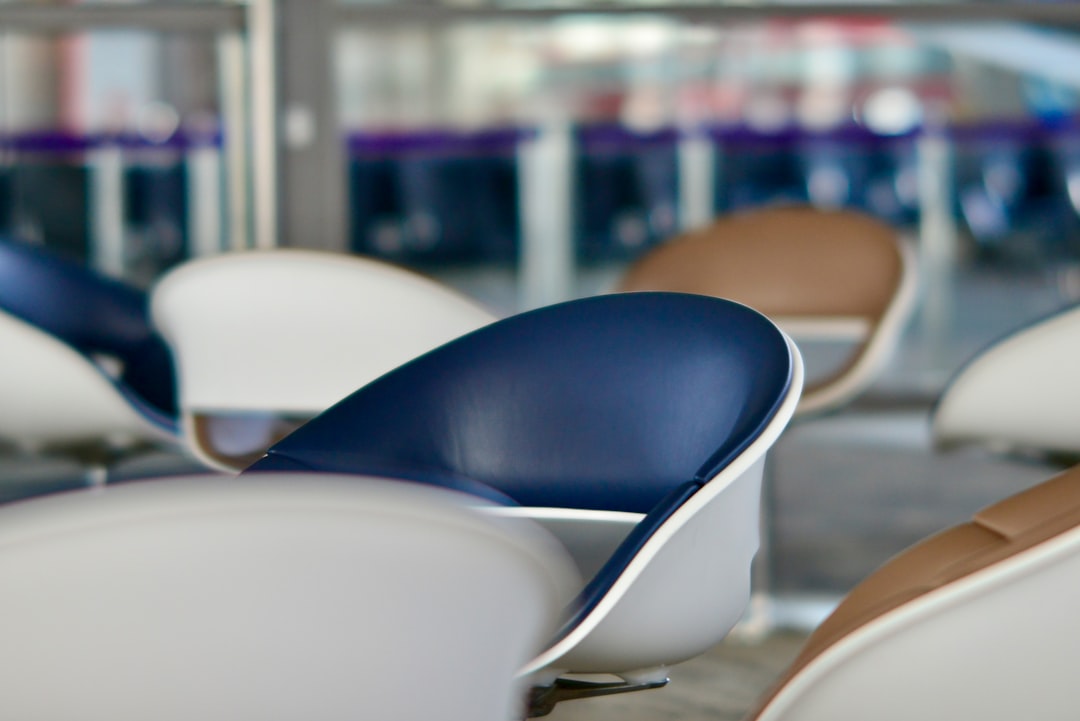
    a group of chairs sitting next to each other
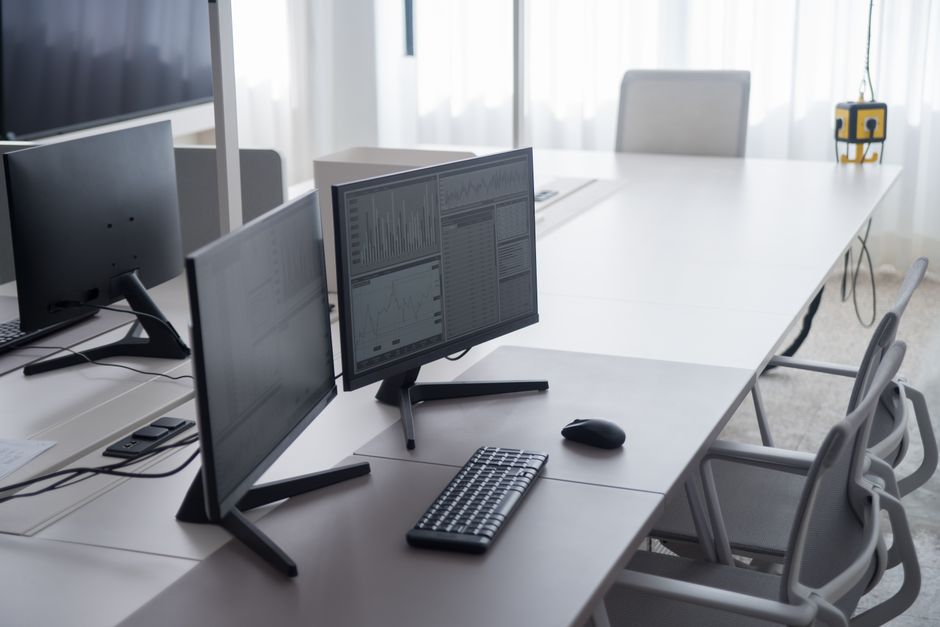
    A clean and modern office desk with dual monitors and ergonomic chairs, ideal for productivity.

    ROI: Turning Seating into a Retention Asset

    The NSI National Health Care Retention & RN Staffing Report for 2026 reports that the average hospital lost 17.6% of its staff RNs per year, equating to an average annual loss of $5.19 million per hospital from RN turnover alone. The average cost to replace one bedside RN is $60,090, including recruitment, hiring, orientation, and reduced productivity during ramp-up. Each percentage point improvement in RN turnover saves the average hospital $294,976 annually.

    Can a chair reduce turnover? Not alone. But a poorly specified chair is part of the physical environment that contributes to dissatisfaction, discomfort, and injury. When we run a scenario model for a 100-seat nurse station project, the math is revealing. If the entire ergonomics program (including seating, adjustable workstations, and training) contributes to even a 0.25 percentage point reduction in RN turnover, and we conservatively attribute 10% of that improvement to seating, the annual value from that 100-seat investment is approximately $7,374 ($294,976 × 0.0025 × 0.10). That is $73.74 per seat per year. Over the five-year typical life of a clinical chair, the cumulative value per seat is $368.70—well above even a premium ergonomic chair price.

    Scenario Value Per Seat (100 seats)
    0.25 pp turnover reduction, 10% attributable to seating $7,374 / year $73.74
    1 avoided RN exit directly attributed to seating (upper bound) $60,090 $600.90
    Combined with absenteeism & injury cost reduction (realistic scenario) ~$20,000–$40,000 / year $200–$400

    These figures are based on U.S. hospital benchmarks. Facilities in other regions should substitute local RN salary, recruitment costs, and turnover rates. The key point: the financial impact of ignoring seating specifications is not zero. Investing in ergonomic hospital chairs that meet the clinical demands of shared workstations yields a measurable return when viewed through the lens of talent retention and injury prevention. A prudent procurement decision includes a pilot—measure baseline discomfort ratings, chair adjustment utilization, and any near-miss incident reports, then reassess after three to six months.

    Every hospital must decide where to allocate its capital. A chair that costs $150 more per unit but reduces injuries and improves user satisfaction is not an expense; it is an investment in caregiver capacity. When budgets are tight, the chair is often the first item cut. That is a mistake. The data from BLS, OSHA, NIOSH, and NSI all point in the same direction: the chair is a critical infrastructure element for any facility that relies on skilled clinical staff.

    From our experience managing medical furniture projects across more than 20 countries, we have learned that the best outcomes come from specifying seating as part of a holistic clinical furniture solution. The chair must be evaluated alongside the work surface height, monitor placement, and workflow patterns. That is why we recommend beginning with an ergonomic audit before making purchasing decisions. The right chair—like the right any critical tool—reduces friction and lets caregivers focus on what matters most: patient care.

    ZHOBAI Medical Furniture

    Ready to Apply These Principles to Your Project?

    Our engineering team responds to all project briefs within 24 hours. Share your FF&E scope — room count, property type, target timeline, and budget range — and we’ll provide a factory-direct assessment and indicative pricing within one business day.
    Send Your Project Brief →

  • Healthcare Furniture as a Clinical Solution: 2026 Data

    Healthcare Furniture as a Clinical Solution: 2026 Data

    Healthcare furniture has evolved from a basic equipment purchase into a strategic tool that directly impacts clinical outcomes, operational efficiency, and financial performance. In 2023, the global market reached USD 9.8 billion and is projected to grow at 6.6% CAGR to USD 18.6 billion by 2033 (Market.us). Hospitals now recognize that every surface, seat, and bed is part of the care delivery system. This pillar page provides a data-driven analysis of how healthcare furniture—from infection control surfaces to ergonomic seating—reduces hospital-acquired infections, protects staff, accelerates patient recovery, and meets rigorous compliance standards. It frames furniture as a clinical solution, not a line item.

    Table of Contents

    • 1. The Strategic Shift: From Commodity to Clinical Asset
    • 2. Infection Control: Antimicrobial Surfaces and Design
    • 3. Ergonomic Hospital Chairs: Protecting the Workforce
    • 4. Evidence-Based Design: Furniture as a Healing Tool
    • 5. Clinical Seating Solutions for Early Mobilization
    • 6. Bariatric Medical Furniture: Safety and Dignity
    • 7. Behavioral Health Furniture: Safety by Design
    • 8. Compliance and Certification: Defining Medical Grade Furniture
    • 9. Sustainable and Smart Healthcare Interiors
    • 10. Frequently Asked Questions
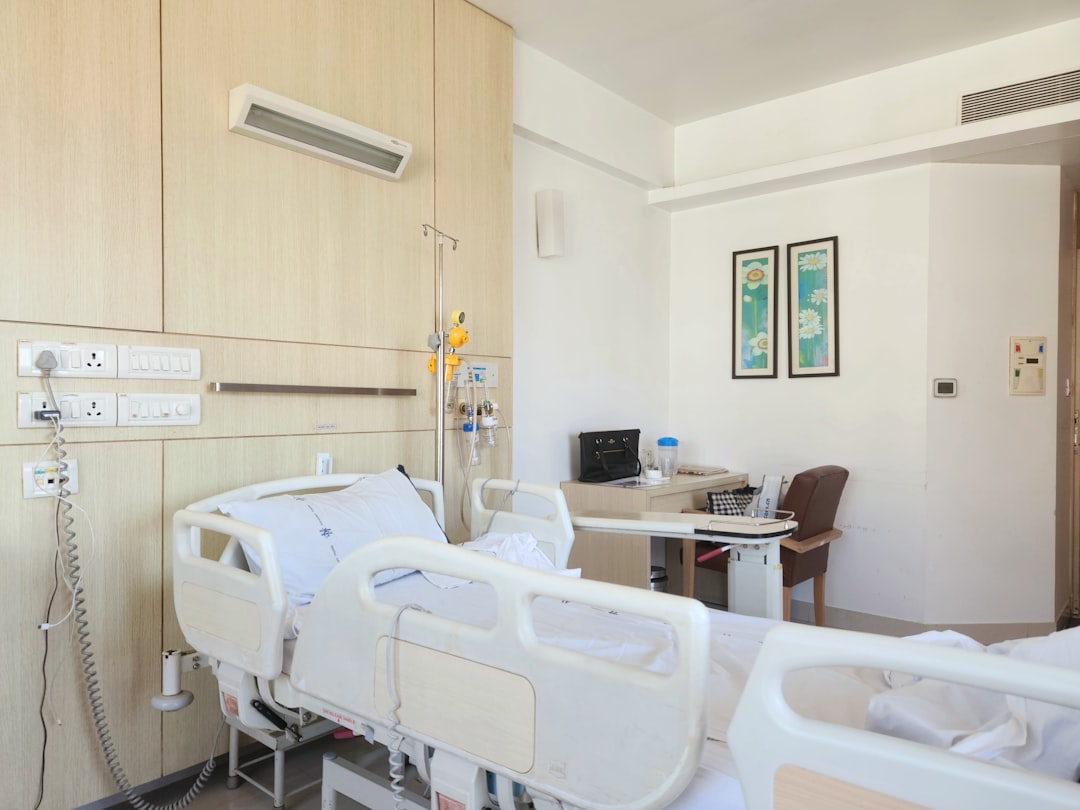
    Modern hospital patient room with antibacterial healthcare furniture and adjustable bed
    Modern hospital patient room with antibacterial healthcare furniture and adjustable bed | ZHOBAI Medical Furniture

    1. The Strategic Shift: From Commodity to Clinical Asset

    Healthcare furniture is no longer a passive backdrop. It is now understood that the design and material choices in furniture directly affect infection rates, staff injury, and patient recovery times. According to the CDC, 1 in 31 hospitalized patients has at least one healthcare-associated infection (HAI) on any given day. Non-device-associated HAIs account for 61.5% of all HAIs, implicating environmental surfaces including furniture. This makes infection control furniture a critical investment. The market reflects this: 69% of hospital procurement guidelines now mandate antimicrobial features (Straits Research, 2024).

    Learn more about ergonomic seating standards for healthcare.

    Learn more about our detailed guide on infection control furniture procurement.

    1.1 Market Growth and Why It Matters

    Global healthcare furniture spending is projected to reach USD 18.6 billion by 2033. Hospital applications account for 67% of the market. This growth is driven by aging populations, rising HAI awareness, and regulatory pressure. For procurement managers, the decision to buy cheap, non-clinical-grade furniture carries hidden costs—reduced lifespan, higher infection risk, and worker compensation claims.

    1.2 The Core Perspective: Furniture as a Solution

    In this article, we examine healthcare furniture through three lenses: clinical benefits (how design shortens recovery), operational risk control (reducing HAI costs and staff turnover), and space integration (turnkey solutions that outperform fragmented procurement). Each section provides specific data to support the case that informed furniture selection is a high-ROI decision.

    Nurse using an ergonomic hospital chair at a nursing station with adjustable lumbar support
    Nurse using an ergonomic hospital chair at a nursing station with adjustable lumbar support | ZHOBAI Medical Furniture

    2. Infection Control: Antimicrobial Surfaces and Design

    Infection control furniture is defined by materials that resist pathogen growth, surfaces that withstand aggressive disinfection, and designs that eliminate harborage points. The CDC’s 2023 point prevalence survey found 2.6% of patients had an HAI—translating to millions of dollars in preventable costs. Antimicrobial surfaces are one proven intervention.

    2.1 The Evidence for Surface Contamination

    92% of hospital privacy curtains are contaminated within one week of use (American Journal of Infection Control, 2013). Pathogens like MRSA and VRE survive on dry polyester for up to 3 months. High-touch surfaces—bed rails, overbed tables, supply cart handles—are reservoirs. A. baumannii, a WHO critical-priority pathogen, can persist for weeks on surfaces. Non-device HAIs represent 61.5% of all infections, directly linking furniture to patient harm.

    2.2 Antimicrobial Technology Performance

    Silver-ion embedded fabrics achieve 99.9% kill rates against odor-causing bacteria. Silver-cotton nanocomposites retain 93% antimicrobial activity after 50 washes (Haining Leading Textile, 2026). A Basel University Hospital study found PVC surfaces containing 2% silver ions reduced bacterial counts by 1.8 log₁₀ CFU after 6 months (p<0.01). When combined with hospital-grade cleaning, these surfaces achieve 98.68% microbial reduction. For healthcare facilities, specifying infection control furniture with verified antimicrobial data directly reduces HAI risk.

    Bariatric medical furniture: reinforced waiting room chair with wide armrests
    Bariatric medical furniture: reinforced waiting room chair with wide armrests | ZHOBAI Medical Furniture

    3. Ergonomic Hospital Chairs: Protecting the Workforce

    Ergonomic hospital chairs and seating are essential for preventing musculoskeletal disorders (MSDs) among nurses and surgeons. The Bureau of Labor Statistics reports registered nurses have an MSD incidence rate of 46.0 per 10,000 full-time workers—significantly above the all-industry average of 29.4. MSDs account for 44.1% of nurse injury cases. The cost of worker compensation claims can exceed the purchase price of an ergonomic chair many times over.

    3.1 The Injury Data

    A systematic review found 60% of healthcare workers experience job-related injury during their careers; 40% reported an injury in the past year. Female healthcare workers have an adjusted odds ratio of 2.057 for lower back pain (Qatar study, 2023). These injuries lead to absenteeism, higher turnover, and increased staffing costs. Investments in ergonomic hospital chairs—with adjustable lumbar support, multi-dimensional armrests, and dynamic spine support—reduce these risks.

    3.2 Specific Ergonomic Solutions

    Surgical stools with saddle-style seats reduce sacroiliac pressure for surgeons during long procedures. Height-adjustable nursing chairs support sit-stand work, reducing static load. Patient transport chairs with powered lift reduce the physical effort of repositioning. Each intervention directly lowers injury probability. For hospitals, the ROI of ergonomic hospital chairs is measured in reduced compensation premiums and improved staff retention.

    Behavioral health furniture with anti-ligature design, seamless surfaces and rounded corners
    Behavioral health furniture with anti-ligature design, seamless surfaces and rounded corners | ZHOBAI Medical Furniture

    4. Evidence-Based Design: Furniture as a Healing Tool

    Evidence-based design (EBD) links physical environment to clinical outcomes. A systematic review of 798 papers (65 included) found that elements like natural light, acoustics, and furniture layout improve patient satisfaction, reduce stress, and shorten stays. Over 50% of high-quality evidence points to visual and acoustic comfort as significant contributors to recovery. This is where patient-centered care design becomes operational.

    4.1 Visual and Acoustic Factors

    Patient-accessible windows, warm wood tones, and reduced noise levels lower cortisol and anxiety. Furniture with integrated privacy screens and sound-absorbing fabrics supports healing. Studies show that patients in rooms with better views and fewer noise disruptions require less pain medication. Healthcare furniture that supports these parameters is not decorative—it is therapeutic.

    4.2 Real-World Impact

    A PubMed meta-analysis confirmed that architectural design features—including furniture location and type—significantly influence patient outcomes. For instance, providing a comfortable chair for family members reduces their stress, which in turn supports the patient. Specifying evidence-based healthcare furniture is a clinical decision with measurable effects on length of stay and satisfaction scores.

    Smart hospital bed with pressure sensor array for IoT-enabled patient monitoring
    Smart hospital bed with pressure sensor array for IoT-enabled patient monitoring | ZHOBAI Medical Furniture

    5. Clinical Seating Solutions for Early Mobilization

    Early mobilization after surgery reduces complications and length of stay. Clinical seating solutions are the enablers. Research shows that patients who begin activity within 24 hours post-surgery stay 1.8 days less (5.4 vs 7.2 days, p=0.02). For abdominal surgery under ERAS protocols, early mobilization reduces stay by 2.3 days (95% CI 1.7-2.9). DVT incidence drops from 7.0% to 2.5% (OR=0.34).

    5.1 Chair Design for Mobilization

    A chair that supports safe transfer from bed to seated position is critical. Seat height, armrest design, and cushion firmness determine whether a patient can independently stand. Chairs with lift-assist mechanisms and adjustable seat angles further reduce fall risk. Specifying clinical seating solutions that facilitate early activity directly contributes to better surgical outcomes.

    5.2 Quantified Benefits

    For hip fracture patients, early mobilization reduces 30-day mortality (OR=0.35, p<0.001) and complications (OR=0.43). A hospital that invests in appropriate seating for post-surgical wards can expect fewer readmissions and lower per-patient costs. The furniture cost is minimal compared to the savings from reduced length of stay.

    A modern hospital room featuring advanced medical equipment with digital displays.
    A modern hospital room featuring advanced medical equipment with digital displays | ZHOBAI Medical Furniture

    6. Bariatric Medical Furniture: Safety and Dignity

    Bariatric medical furniture addresses the needs of patients with obesity (BMI ≥40). Standard beds hold 350-450 lbs; bariatric versions handle 600-1,000 lbs (270-450 kg). Chairs must support 750+ lbs, with some facilities requiring 1,000 lbs. At least 15-20% of waiting room seats should be bariatric-rated.

    6.1 Structural Requirements

    Dynamic loading calculations must use static weight × 1.5 to account for impact forces. Bed widths must extend to 48 inches (122 cm) to allow safe repositioning. Falls from inadequate furniture cause serious injury. Bariatric furniture also includes wider armrests, reinforced frames, and non-tip bases.

    6.2 Clinical and Dignity Considerations

    Patients with obesity face higher risk of pressure injuries and falls when using standard furniture. Using properly rated bariatric medical furniture reduces these risks and maintains patient dignity. Discreet designs that blend with other furniture avoid stigmatization. For hospitals, this is both a safety and patient satisfaction issue.

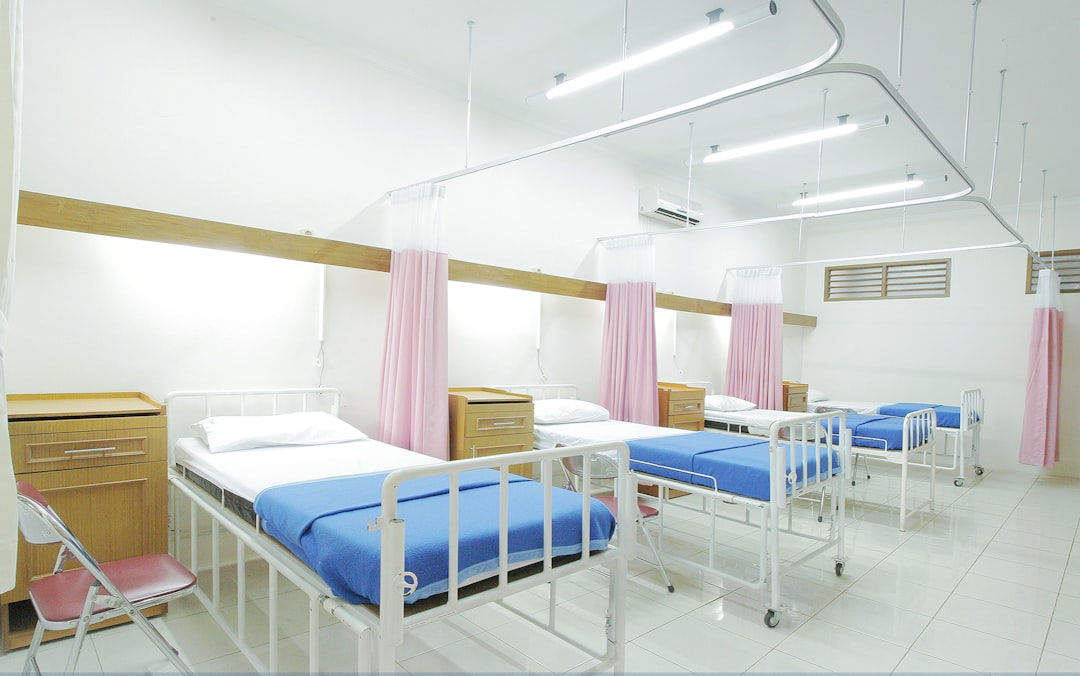
    empty hospital bed inside room
    empty hospital bed inside room | ZHOBAI Medical Furniture

    7. Behavioral Health Furniture: Safety by Design

    Behavioral health furniture is engineered to prevent self-harm and assault. Approximately 75% of inpatient psychiatric suicides involve hanging—anti-ligature design eliminates anchor points. All furniture must be anti-tamper, with concealed fasteners and sealed seams that prevent hiding contraband.

    7.1 Anti-Ligature and Impact Resistance

    Rounded corners prevent use as cutting edges. Weighted bases (e.g., sand-filled) prevent furniture from being lifted as weapons. Fabrics must meet CAL TB 116/117 and NFPA 260 flammability standards. Furniture must withstand violent impact without breaking into sharp pieces.

    7.2 Facility Types and Compliance

    Psychiatric hospitals, behavioral health units, detox centers, and juvenile facilities all require behavioral health furniture. Standards are rigorous: every edge, fastener, and surface must be reviewed for concealment risk. This is a high-cost, high-safety area where failure can be fatal. Specifying certified products is non-negotiable.

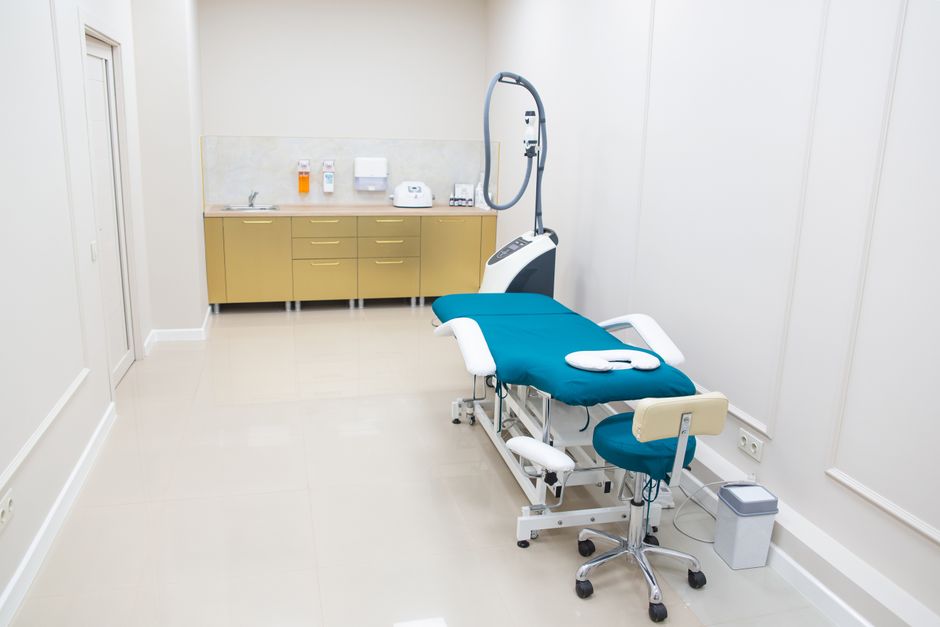
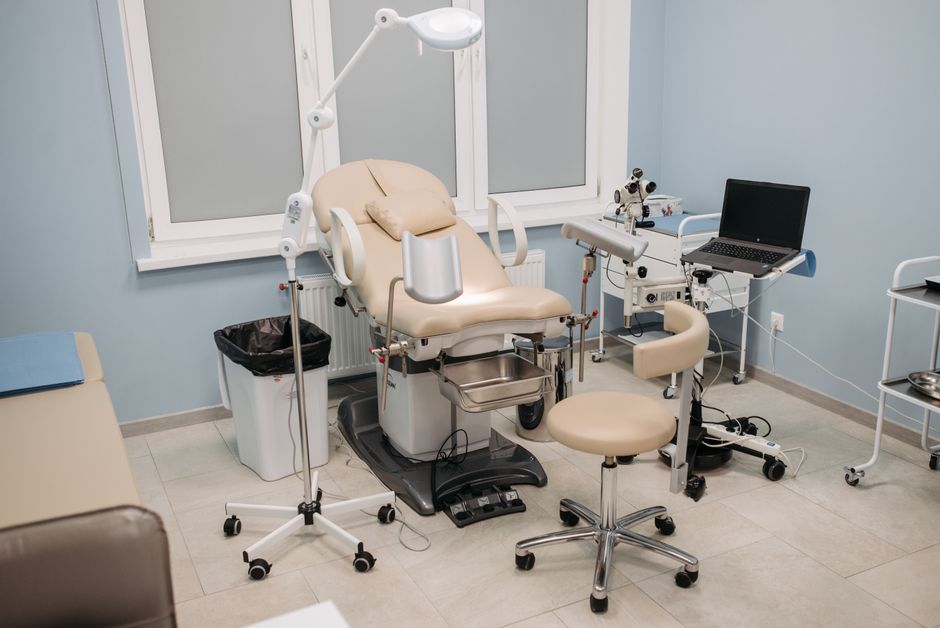
    A clean, well-equipped medical examination room with state-of-the-art equipment and sterile environment.
    A clean, well-equipped medical examination room with state-of-the-art equipment and sterile environment | ZHOBAI Medical Furniture

    8. Compliance and Certification: Defining Medical Grade Furniture

    Medical grade furniture differs from commercial furniture in lifespan, chemical resistance, and certification. ANSI/BIFMA HCF 8.1 sets cleanliness standards. GREENGUARD Gold limits VOCs to 360 types, essential for sensitive populations. ISO 13485 applies to furniture with medical-device-like attributes.

    8.1 Key Differences at a Glance

    Parameter Standard Commercial Furniture Medical Grade Furniture
    Lifespan 3-5 years 7-12 years
    Chemical Tolerance Not resistant to bleach/H2O2 Withstands 1:10 bleach, quats, alcohol
    Fabric Construction Seams, pores, capillary structures Seamless, liquid-barrier, anti-microbial
    Antimicrobial None Silver-ion, copper fiber, sealed surfaces
    Weight Test BIFMA X5.1 (≤253 lbs) HCF 8.1 + heavy-duty (253-600 lbs)
    Certifications General commercial ANSI/BIFMA HCF, GREENGUARD Gold, ADA

    8.2 Why Compliance Matters

    Purchasing furniture without proper certification exposes the facility to liability, infection risk, and early replacement costs. Medical grade furniture is a longer-term investment with lower total cost of ownership. Checking for BIFMA Compliant® registration and UL GREENGUARD Gold is a baseline requirement.

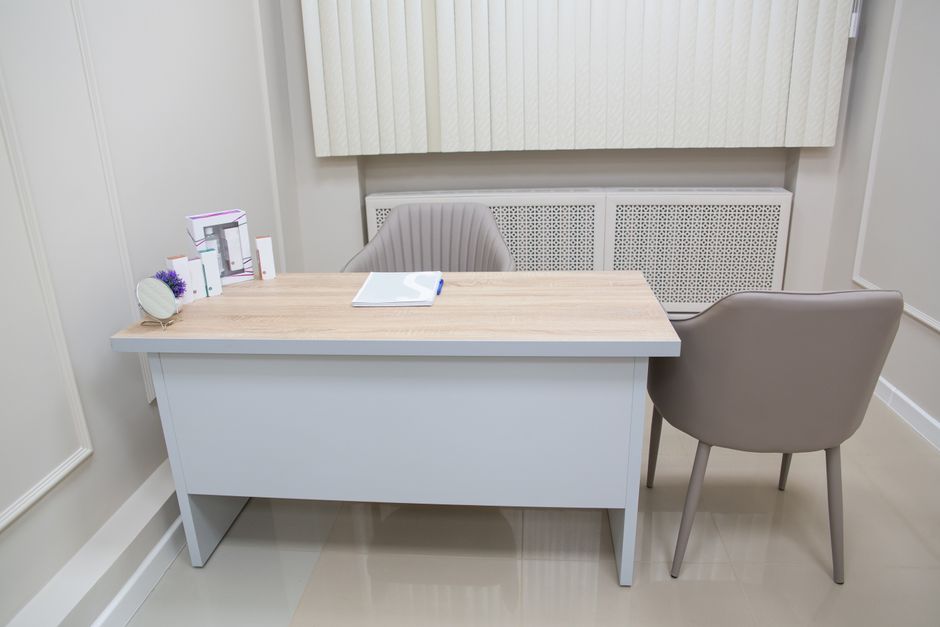
    Clean and organized medical office desk with chairs and equipment, perfect for healthcare settings.
    Clean and organized medical office desk with chairs and equipment, perfect for healthcare settings | ZHOBAI Medical Furniture

    9. Sustainable and Smart Healthcare Interiors

    Green procurement is growing. Practice Greenhealth serves 1,500+ hospitals. GREENGUARD Gold certification is a prerequisite for many RFPs. Smart furniture integrates IoT sensors for pressure mapping, fall detection, and vital sign monitoring—addressing the 26.8 billion USD pressure injury cost in the US alone.

    9.1 Sustainable Materials

    Low-VOC materials, recycled metals, and FSC-certified wood are becoming standard. BIFMA e3 (LEVEL®) certification supports LEED points. Specifying sustainable healthcare interiors reduces environmental impact and meets regulatory trends.

    9.2 Smart Bed Technology

    Pressure ulcers affect 1.3 million adults annually in the US. Smart beds with sensor arrays create heat maps of body pressure and alert staff to turn patients automatically. AI algorithms predict risk. A study in Indonesia showed significant Braden score improvement with IoT beds. Smart furniture is still in early adoption but represents the future of proactive care.

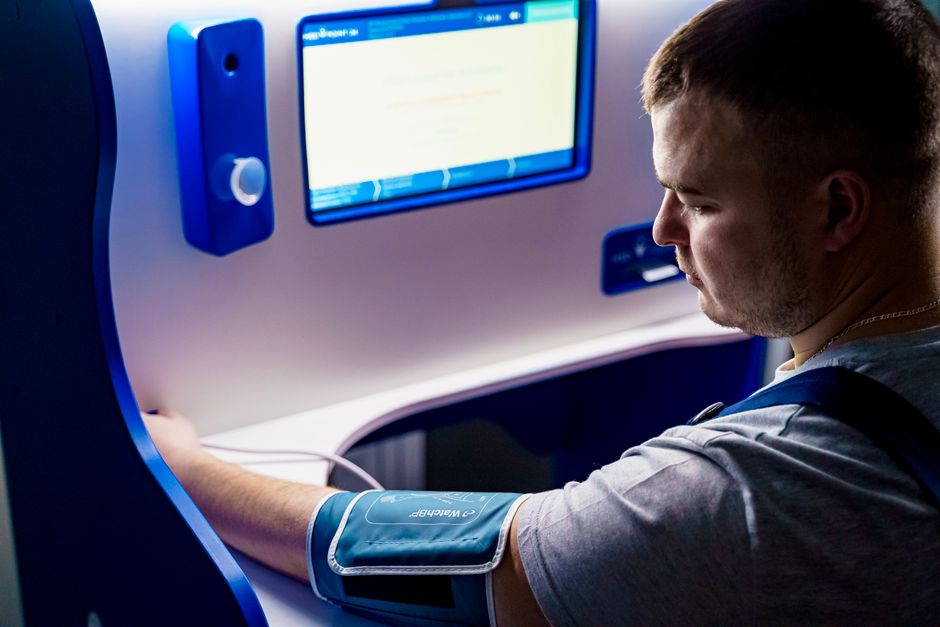
    Adult measuring blood pressure with a modern digital monitor indoors.
    Adult measuring blood pressure with a modern digital monitor indoors | ZHOBAI Medical Furniture
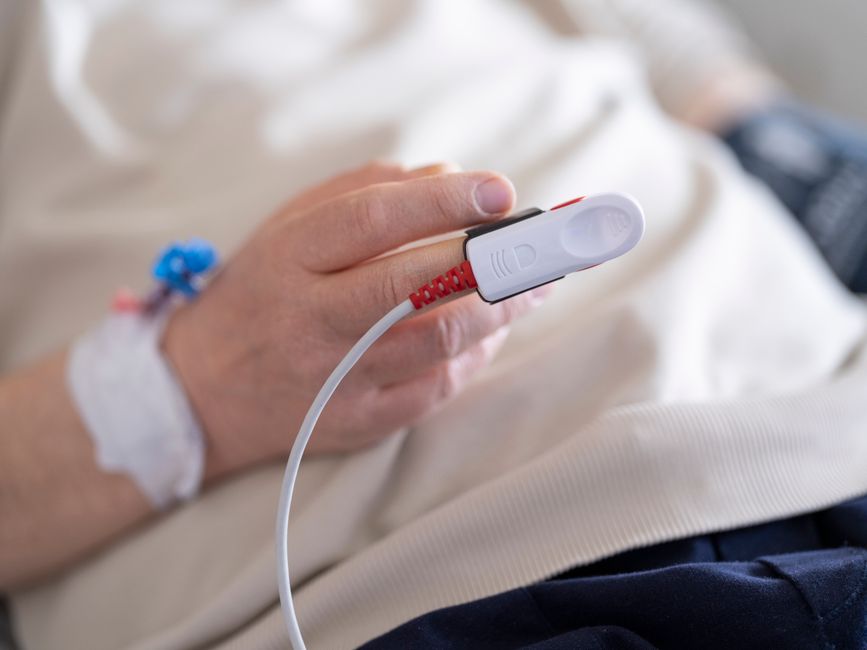
    Detailed image of a patient's finger with a pulse oximeter in a hospital setting.
    Detailed image of a patient's finger with a pulse oximeter in a hospital setting | ZHOBAI Medical Furniture

    10. Frequently Asked Questions

    What is medical grade furniture?

    Medical grade furniture meets specific standards for cleanability, antimicrobial performance, weight capacity, and safety certifications like ANSI/BIFMA HCF and GREENGUARD Gold.

    How does furniture affect infection control?

    Non-porous, antimicrobial surfaces and seamless construction reduce pathogen harborage. Regular cleaning is more effective on medical-grade materials.

    What is the ROI of ergonomic hospital chairs?

    Reduced MSD claims and staff turnover. A single injury claim can cost $50,000; ergonomic chairs typically cost $500-$1,500 each.

    How long does medical grade furniture last?

    7-12 years with proper maintenance, compared to 3-5 years for commercial furniture.

    What are anti-ligature features?

    Designs that eliminate points where a cord or fabric can be attached for self-harm, such as tamper-proof fasteners and rounded edges.

    Is smart furniture worth the investment?

    For high-acuity units, yes. Reduces pressure injuries, falls, and nursing workload. Expect 2-5 year payback depending on scale.

    Healthcare furniture is a strategic asset that directly impacts infection rates, staff safety, patient recovery, and operational costs. Each procurement decision should be based on clinical evidence, compliance data, and lifecycle cost analysis. For detailed guides on specific sub-topics such as infection control furniture procurement or ergonomic seating standards, refer to our dedicated resources on this site.

    ZHOBAI Medical Furniture

    Ready to Apply These Principles to Your Project?

    Our engineering team responds to all project briefs within 24 hours. Share your FF&E scope — room count, property type, target timeline, and budget range — and we’ll provide a factory-direct assessment and indicative pricing within one business day.
    Send Your Project Brief →