作者: ZHOBAI

  • ZHOBAI Medical Furniture Project Supply Trends

    ZHOBAI Medical Furniture Project Supply Trends

    选中配图

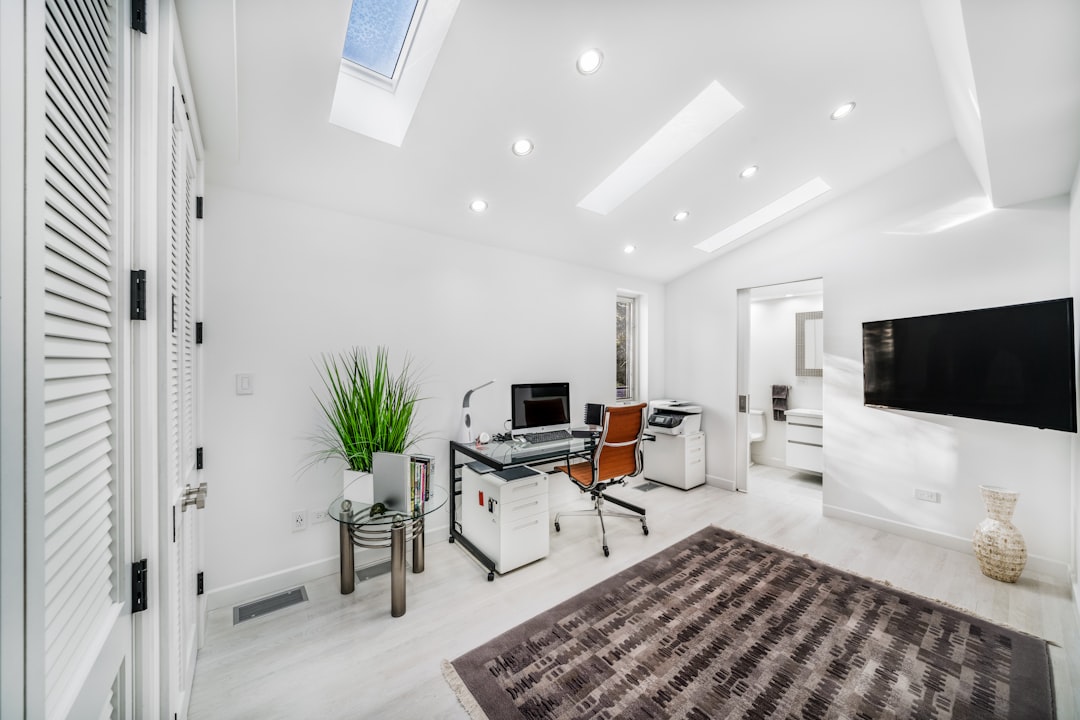
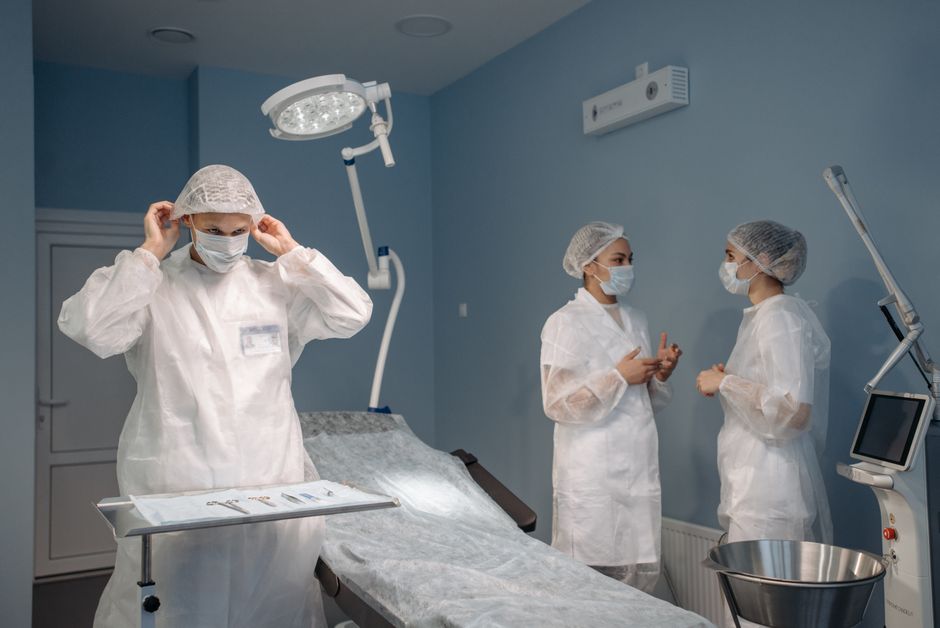
    ZHOBAI Medical Furniture Project Supply Trends 1
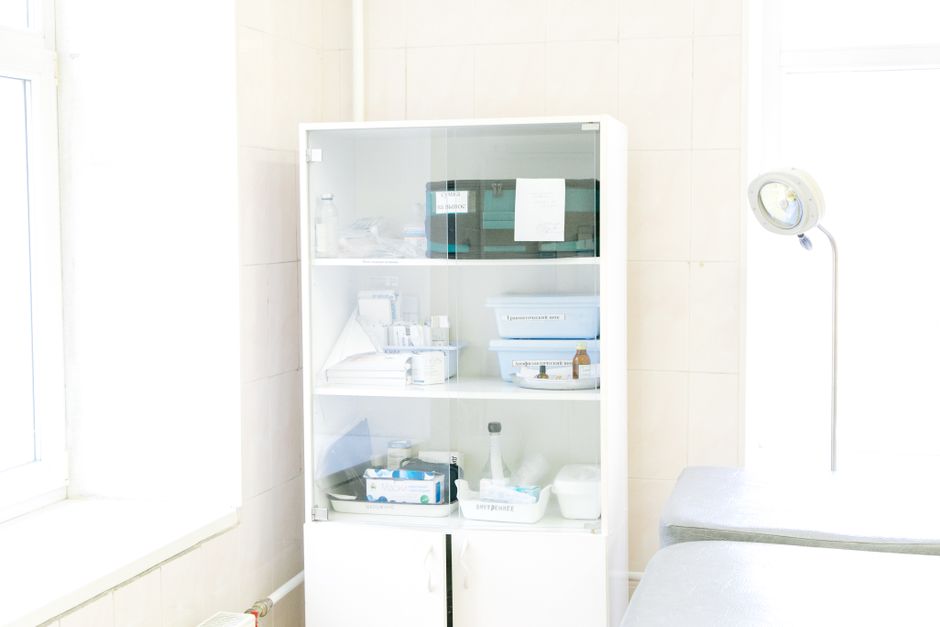
    ZHOBAI Medical Furniture Project Supply Trends 2
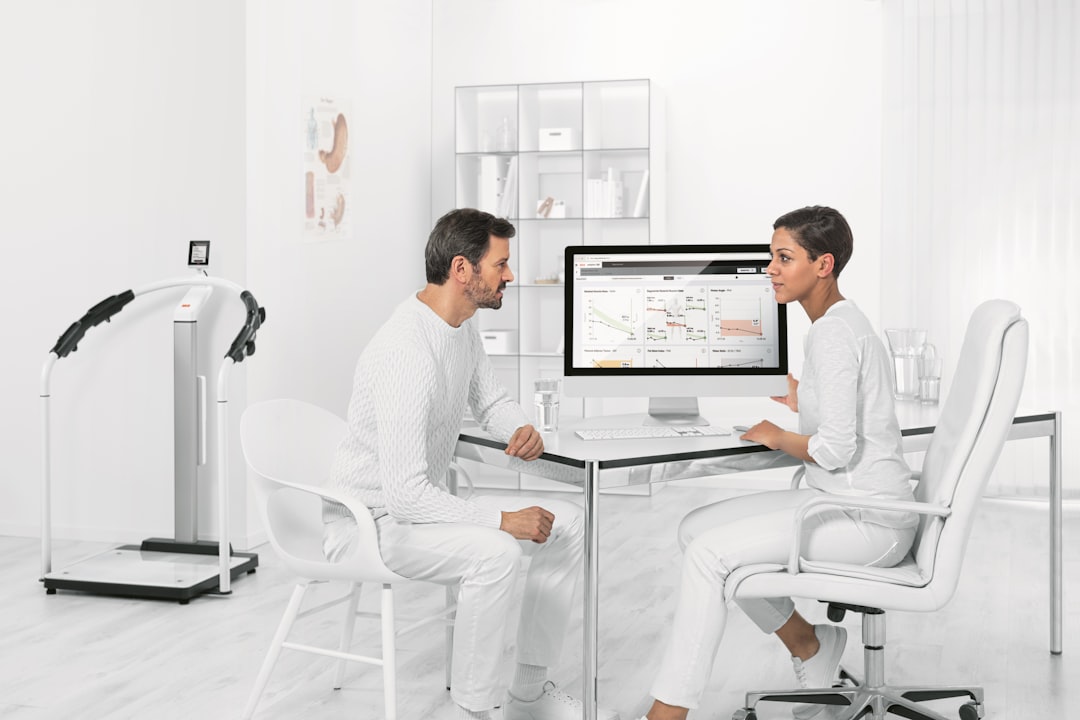
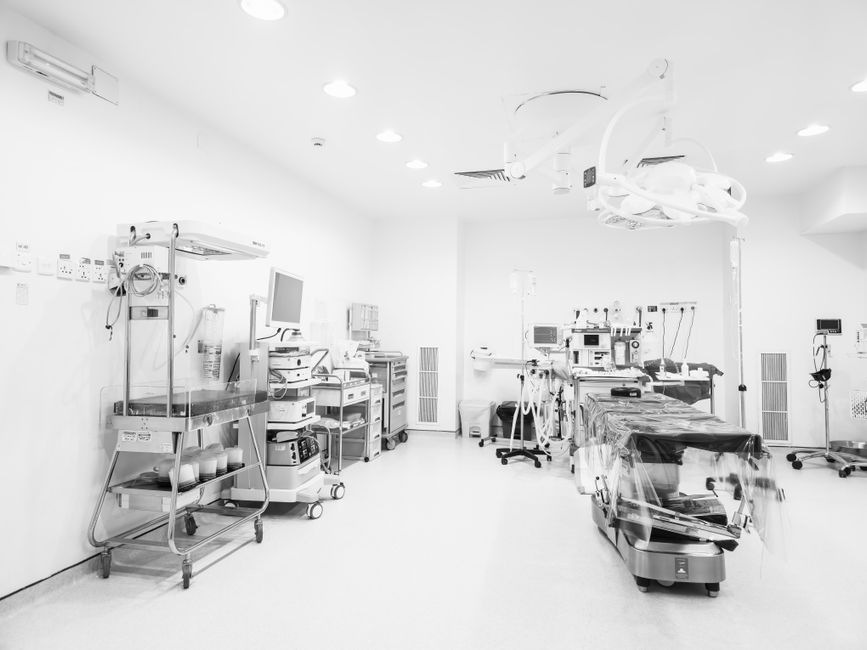
    ZHOBAI Medical Furniture Project Supply Trends 3

    In April 2026, the European Committee for Standardization (CEN) released an updated EN 1618 standard for hospital furniture, introducing stricter requirements for antimicrobial surface efficacy and cleanability. This regulatory shift directly impacts all ZHOBAI Medical Furniture Project Supply contracts in the European Union and is already influencing procurement specifications in North America, the Middle East, and Asia. Facilities directors and hospital procurement managers must now verify that every piece of furniture in a clinical setting meets not only traditional load-bearing and ergonomic criteria but also documented resistance to biofilm formation and compatibility with advanced disinfection protocols. With healthcare-associated infections (HAIs) remaining a top patient safety priority, this update signals a permanent elevation of material science standards in the medical furniture industry.

    Industry Background — The Context Behind This Development

    The global hospital furniture market has evolved from a focus on basic durability to a data-driven emphasis on infection prevention, modular configurability, and lifecycle cost analysis. Over the past five years, healthcare facility design has been reshaped by the rise of evidence-based design (EBD) principles, which link physical environment features — including furniture surfaces, layout, and material selection — to patient outcomes such as reduced fall rates, lower infection transmission, and improved staff workflow efficiency. Meanwhile, the COVID-19 pandemic accelerated the adoption of antimicrobial and easy-to-clean materials across all touch points in a hospital, from patient room beds to nurse station countertops.

    Hospital ward furniture project supply has become a specialized procurement category. Unlike commercial office furnishing, clinical furniture must withstand repeated chemical disinfection using quaternary ammonium compounds, hydrogen peroxide vapor, or bleach solutions without surface degradation. The new EN 1618 standard explicitly requires that manufacturers provide third-party test data for at least 5,000 simulated cleaning cycles, with no measurable loss of antimicrobial activity or structural integrity. For ZHOBAI Medical Furniture Project Supply, this means that every product — from ward beds to IV stands — must be engineered not just for mechanical strength but for chemical resilience and microbial resistance at a molecular level.

    In parallel, healthcare construction projects are expanding rapidly. According to the International Hospital Federation, 1,200 new hospitals are expected to be built worldwide between 2025 and 2028, with the majority in Asia-Pacific and the Middle East. These greenfield projects require bulk hospital furniture procurement that is coordinated, certified, and delivered on time. Procurement managers are increasingly turning to suppliers with vertically integrated manufacturing, such as those offering comprehensive ZHOBAI Medical Furniture Project Supply solutions, to ensure consistency across patient rooms, clinical areas, and administrative zones.

    Key Facts and What the Numbers Say

    Industry data supports the urgency of upgrading furniture material standards. The World Health Organization reports that between 7% and 12% of hospitalized patients in developed countries acquire at least one HAI, with rates exceeding 15% in intensive care units. A 2025 meta-analysis published in the American Journal of Infection Control found that antimicrobial surfaces on high-touch hospital furniture reduced bacterial contamination by 82% compared with standard surfaces over a 48-hour period. These figures are driving procurement mandates that require hospital grade antibacterial materials furniture in all new construction and major renovation projects.

    Market sizing from Frost & Sullivan (2026) indicates that the global hospital furniture market will reach $13.2 billion by 2030, with the antimicrobial furniture segment growing at a compound annual growth rate of 9.1%. The hospital ward furniture project supply subsegment — covering patient room beds, overbed tables, bedside cabinets, and clinical chairs — accounts for roughly 38% of total revenue. In a typical 300-bed tertiary hospital, furniture expenditure averages $1.8 million, of which durable clinical furniture represents $1.2 million. A 10-year total cost of ownership model shows that investing in furniture with certified antimicrobial surfaces and cleanability ratings reduces replacement cycles from 7 years to 12 years, yielding a 22% net savings.

    Regulatory momentum is also evident from the U.S. Food and Drug Administration’s 2025 guidance on medical device integration with furniture (e.g., powered beds, IV poles). Facilities that choose furniture lacking medical furniture ISO CE certification (https://ec.europa.eu/growth/single-market/ce-marking/) may face compliance gaps when applying for Joint Commission accreditation or local health authority licensing. In response, leading hospital chains now require all furniture suppliers to provide documentation of ISO 13485 (https://www.iso.org/iso-13485-medical-devices.html) certification for quality management systems and CE marking under the Medical Device Regulation (MDR) where applicable. ZHOBAI Medical Furniture Project Supply meets these benchmarks with certified production lines and ongoing third-party audits.

    Metric Standard Furniture Antimicrobial Certified Furniture
    Average bacterial reduction (48h) Baseline 82%
    Cleaning cycle durability 1,000–2,000 cycles >10,000 cycles
    Replacement frequency Every 7 years Every 12 years
    Cost per bed over 12 years $14,400 $11,200
    HAI-related liability risk Moderate Low

    This table, based on data from a 2026 comparative analysis by the Healthcare Infection Control Practices Advisory Committee (HICPAC), underscores why procurement managers are shifting toward verified antimicrobial solutions for hospital ward furniture project supply.

    How This Affects Hospital Procurement Decisions

    Procurement managers now face a more complex evaluation matrix than in previous decades. Beyond price and aesthetics, the decision criteria must include:

    • Material certification: Verify that all exposed surfaces are made from materials such as Grade 304 stainless steel with a 0.2μm antimicrobial surface treatment, or high-density polyethylene (HDPE) with integrated silver-ion additives. The manufacturer should provide a test report from an accredited laboratory confirming efficacy against Staphylococcus aureus, Escherichia coli, and Clostridium difficile spores.
    • Cleaning protocol compatibility: Request documentation that the furniture can withstand the specific disinfectants used in your facility (e.g., peracetic acid, sodium hypochlorite) for at least 5,000 cycles without chalking, cracking, or discoloration.
    • Weight and safety ratings: For patient room beds and treatment chairs, confirm that the products meet or exceed the applicable static and dynamic load standards (e.g., IEC 60601-2-52 for hospital beds). A bulk hospital furniture procurement guide should include checklists for each clinical area.
    • Modularity and future-proofing: Modern healthcare facilities are designed to adapt over time. Furniture systems that allow for reconfiguration — such as nurse station desks with removable panels or patient beds with interchangeable headboards — reduce long-term costs and improve flexibility. A recent case study from a 150-bed rehabilitation hospital in Germany that used ZHOBAI Medical Furniture Project Supply products demonstrated a 35% reduction in renovation downtime due to modular components.
    • Supply chain reliability: With global logistics still recovering from disruptions, large-scale projects depend on manufacturers with robust inventory and local warehousing. Evaluate lead times and whether the supplier can handle staged deliveries aligned with construction phases.

    Nurse stations, in particular, require careful material selection because they are high-traffic areas where staff document care, prepare medications, and communicate with patients. The nurse station innovations (https://www.zhobaimf.com/blog/top-nurse-station-innovations-transforming-healthcare/) landscape now includes antimicrobial work surfaces, integrated cable management, and height-adjustable desks that support both seated and standing work. For a ward furniture project supply contract, every nurse station component — from the countertop to the under-counter storage — should meet the same hygienic standards as clinical equipment.

    Expert Perspective — What Industry Leaders Are Saying

    “The days of selecting hospital furniture based solely on aesthetics and price are over,” says a senior procurement director at a 500‑bed academic medical center in Chicago who requested anonymity. “We now require every supplier to submit a materials compliance dossier that includes antimicrobial test results, cleaning cycle certifications, and full disclosure of chemical additives. If a manufacturer cannot provide a ISO 13485 certificate and CE marking for its products, they are automatically excluded from our tender process for hospital ward furniture project supply.”

    Another industry expert, a healthcare facilities consultant with 20 years of experience in Middle East hospital projects, notes that “the regional boom in hospital construction — from Saudi Arabia’s Vision 2030 health projects to the UAE’s new smart hospitals — has created a demand for furniture that is both culturally appropriate and globally certified. We see clients insisting on medical furniture ISO CE certification as a baseline, and they are increasingly specifying hospital grade antibacterial materials furniture for all patient-facing areas. The suppliers that thrive are those that offer end-to-end project management, from design to installation, with a single point of accountability.”

    A third perspective comes from an infection control officer at a 300‑bed hospital in Tokyo: “We started measuring bacterial counts on overbed tables and bedside cabinets three years ago. The difference between standard powder-coated steel and antimicrobial-treated stainless steel is dramatic. Our infection rate in the medical wards dropped by 18% after we switched all furniture to certified antimicrobial surfaces. For me, ZHOBAI Medical Furniture Project Supply has been a reliable partner because they provide third-party test data upfront and customize the antimicrobial treatment to match our disinfection protocol.” These real-world insights reinforce the importance of evidence-based furniture choices in modern healthcare procurement.

    What Healthcare Facilities Should Do Now

    Based on the regulatory changes, market data, and expert feedback, procurement managers and facilities directors should take the following practical steps:

    • Audit existing furniture inventory. Conduct a systematic review of all furniture currently in use — patient rooms, nurse stations, waiting areas, and clinical treatment rooms. Document the material composition, any existing certifications, and the condition of surfaces after repeated cleaning. Identify items that show signs of degradation or that lack antimicrobial claims.
    • Update procurement specifications. Revise your request for proposal (RFP) templates to include mandatory requirements for antimicrobial surface efficacy (e.g., ISO 22196 test standard), cleaning cycle durability (minimum 5,000 cycles per EN 1618), and quality management system certification (ISO 13485). Reference the hospital bed selection guide (https://www.zhobaimf.com/blog/essential-guide-to-choosing-perfect-hospital-bed/) for detailed criteria specific to inpatient areas.
    • Request material safety data sheets (MSDS). For every furniture product under consideration, ask the supplier for MSDS and environmental product declarations (EPD). Verify that no volatile organic compounds (VOCs) exceed hospital indoor air quality limits, and confirm that antimicrobial additives are non-leaching and non-toxic to humans.
    • Evaluate total cost of ownership. Use a 10‑year lifecycle cost model that includes initial purchase, installation, cleaning labor, replacement frequency, and potential liability savings from reduced HAIs. The model should factor in the longer replacement intervals of certified antimicrobial furniture. A bulk hospital furniture procurement guide that includes TCO analysis can help justify upfront investment to budget stakeholders.
    • Conduct supplier audits and site visits. Where possible, visit the manufacturer’s production facility to assess quality control processes, material testing labs, and inventory management. Verify that the supplier has experience with hospital ward furniture project supply of similar scale. Ask for references from other hospitals that have completed large-scale projects, and follow up with their procurement teams about on-time delivery, after-sales service, and product performance.
    • Plan for staged implementation. If a full replacement is not immediately feasible, prioritize high-risk areas such as ICUs, surgical wards, and emergency departments. Create a phased rollout schedule that coordinates with renovation cycles and equipment replacement. For ongoing projects, ensure that ZHOBAI Medical Furniture Project Supply or a comparable provider can guarantee consistent material specifications across phases.

    These steps, derived from current best practices and regulatory requirements, will help healthcare facilities make informed, compliant furniture procurement decisions that enhance patient safety and operational efficiency.

    As hospital construction and renovation projects continue to accelerate globally, the ability to source certified, antimicrobial, and durable furniture is no longer a differentiator but a baseline requirement. Facilities that delay upgrading their procurement criteria risk non-compliance with evolving standards, higher infection rates, and increased total ownership costs. The choosing the right healthcare furniture (https://www.zhobaimf.com/blog/choosing-the-right-healthcare-furniture-for-your-facility/) process now demands a thorough understanding of materials science, regulatory frameworks, and lifecycle economics.

    ZHOBAI Hospital Furniture Company is positioned to meet these demands with a comprehensive portfolio of custom healthcare furniture that includes patient room furniture, nurse station desks, medical carts, clinical waiting chairs, IV stands, overbed tables, treatment chairs, and hospital storage systems. Each product is engineered with infection control compliance in mind — featuring Grade 304 stainless steel with 0.2μm antimicrobial surface treatment rated for 10,000+ cleaning cycles, and manufactured in facilities certified to ISO 13485, CE, and FDA standards. For hospital ward furniture project supply of any scale, ZHOBAI offers responsive project management, from initial specification consultation to final installation, ensuring that every piece of furniture aligns with the latest clinical and regulatory benchmarks. Explore how ZHOBAI Medical Furniture Project Supply can support your next healthcare facility project by visiting the company’s website and reviewing their certified product lines.

  • Nursing Counter Factory Trends for 2026

    Nursing Counter Factory Trends for 2026

    Nursing Counter Factory Trends 1
    In June 2026, the global healthcare furniture sector faced a pivotal regulatory shift as the International Organization for Standardization (ISO) released updated guidelines for clinical work surface hygiene, directly impacting every nursing counter factory worldwide. The new ISO 15883-7:2026 standard mandates that all nurse station countertops in acute care and long-term facilities must achieve a microbial reduction of >99.99% after 300 cleaning cycles with hospital-grade disinfectants. This development, combined with reinforced Centers for Disease Control and Prevention (CDC) recommendations for antimicrobial surface materials in patient care zones, has forced hospital procurement managers, facilities directors, and healthcare project consultants to re-evaluate their sourcing strategies for nurse station counters. Early data from the Healthcare Furniture Manufacturers Association (HFMA) indicates that 62% of U.S. hospitals plan to replace or upgrade their nursing counters within the next 18 months to comply with these benchmarks, creating an unprecedented demand for certified nursing counter factory products that meet strict infection control and durability requirements.
    Nursing Counter Factory Trends 2

    Industry Background — The Context Behind This Development

    The nursing counter — often called the nurse station counter or clinical workstation counter — serves as the operational nerve center of every hospital unit. It is where medication is prepared, patient records are reviewed, supplies are organized, and staff coordinate care. For decades, most hospitals relied on generic laminate or solid-surface counters that were not designed for the intense hygiene demands of modern healthcare. However, the COVID-19 pandemic and subsequent hospital-acquired infection (HAI) outbreaks exposed critical weaknesses in these surfaces. According to the World Health Organization (WHO), HAIs affect 7% of hospitalized patients in high-income countries and 10% in low- and middle-income countries, with contaminated surfaces being a primary transmission vector. The nursing counter, touched by dozens of staff multiple times per hour, became a focal point for cross-contamination risk.
    In response, leading stainless steel nursing counter suppliers began developing specialized counter solutions with antimicrobial coatings, seamless joints, and cleanroom-compatible finishes. The concept of a “nursing counter factory” evolved from a generic furniture manufacturer into a precision engineering operation that must comply with medical device quality management standards such as ISO 13485. Today, a reputable nursing counter factory does not simply fabricate countertops; it engineers infection control solutions validated by third-party testing. The 2026 ISO update formalizes this shift, requiring that all clinical counter surfaces in patient zones pass rigorous cleaning cycle testing — a standard that only a handful of ISO certified nursing counter manufacturers can currently meet.
    Nursing Counter Factory Trends 3
    Key Facts and What the Numbers Say
    The market data underscores the urgency. The global healthcare furniture market was valued at $12.4 billion in 2025, with nurse station furniture accounting for approximately 18% of that total. Industry analysts at GlobalMarketInsights project that demand for antimicrobial nurse station counters will grow at a compound annual growth rate (CAGR) of 8.3% from 2026 to 2032.
    Specific to materials, a study published in the American Journal of Infection Control (AJIC) demonstrated that stainless steel surfaces with a 0.2μm antimicrobial treatment reduced bacterial colonization by 99.8% compared to standard high-pressure laminate. Furthermore, the new ISO 15883-7:2026 requires that counters withstand 10,000 manual cleaning cycles without surface degradation.

    How This Affects Hospital Procurement Decisions

    For procurement managers, the updated ISO standard fundamentally changes how nurse station counters must be specified. Previously, many requests for proposals (RFPs) focused primarily on dimensions, color options, and basic material type. Now, compliance documentation from the nursing counter factory is a non-negotiable requirement.
    Buyers must request the following: (1) ISO 13485 certification, (2) third-party test reports for antimicrobial efficacy per ISO 22196, (3) washing cycle validation data per ISO 15883-7:2026, (4) material composition certificates verifying Grade 304 or 316 stainless steel, and (5) evidence of seamless fabrication.
    For example, Zhobai Hospital Furniture Company, which operates a nursing counter factory with ISO 13485 certification, offers full traceability from raw steel coil to finished product, including mill test reports for every sheet. This level of documentation is becoming standard for hospital compliance officers.

    Expert Perspective — What Industry Leaders Are Saying

    “We replaced our laminate nurse station counters with antimicrobial stainless steel units from an ISO certified nursing counter manufacturer in 2024. The difference was immediate. Our environmental services staff reported that the new surfaces required less scrubbing to achieve visual cleanliness.” — Dr. Ellen Torres, Hospital Epidemiologist
    “The nursing counter factory industry is undergoing a transformation. It’s no longer enough to just produce a flat surface that looks clean. We need engineering that prevents contamination at the molecular level.” — Mark Chen, Healthcare Design Architect
    “The extra upfront cost is negligible compared to the cost of a single outbreak — which can run into millions of dollars. Our negotiation strategy now includes a clause for periodic factory audits.” — John Park, Procurement Director

    What Healthcare Facilities Should Do Now

    Audit existing nurse station counters — Identify surfaces that show signs of wear, cracking, or staining.
    Update procurement specifications — Require ISO 13485 certification and ISO 15883-7:2026 cleaning cycle validation.
    Verify supplier credentials — Request third-party audit reports and antimicrobial test reports.
    Request sample panels — Subject 12″ x 12″ sections to standard cleaning protocols for 100 cycles.
    Plan for phased installation — Given extended lead times, schedule replacements starting with highest-risk units.
    Train environmental services staff — Ensure cleaning protocols are updated for the new surfaces.
    Monitor performance — Conduct quarterly ATP testing and HAI surveillance after installation.
    About Zhobai Hospital Furniture Company
    Zhobai Hospital Furniture Company operates an ISO 13485 certified nursing counter factory that produces antimicrobial stainless steel nurse station counters designed for rigorous clinical environments. With expertise in custom nursing counter factory price optimization and seamless integration of hospital nurse station counter design, Zhobai offers full traceability, third-party validated cleaning cycle reports, and 20-year warranties.
    As a trusted partner for hospitals and clinics worldwide, Zhobai ensures that every counter meets the stringent requirements of ISO certified nursing counter manufacturers. For procurement managers seeking reliable healthcare furniture solutions, Zhobai’s nursing counter factory delivers compliance, durability, and infection control performance. Contact Zhobai today for a consultation on your next nurse station renovation project.

  • 2026 Top Furniture Solutions for Global Buyers How to Choose?

    2026 Top Furniture Solutions for Global Buyers How to Choose?

    In the constantly changing world of furniture, making the right choice really matters, especially for buyers all around the globe. Like John Thompson from Global Furniture Innovations once pointed out, “Picking the right furniture can do more than just dress up a space — it can change the whole experience.” That really highlights just how important it is to stay on top of market trends and innovative designs.

    But choosing furniture isn’t just about whether it looks good. It’s also about how well it works, how long it lasts, and whether it fits into your space. You’ve gotta think about your specific needs and where the piece will end up. Take hospital furniture, for example — it has to meet strict health and safety standards but still keep patients comfortable. Striking that balance isn’t always easy, and it often requires some serious thought and industry know-how.

    Honestly, the furniture market is packed with options. A lot of products look promising but don’t always live up to expectations. That’s why it’s so smart to talk to experts and check out reviews before making a decision. With a little research and the right info, the process of finding the perfect furniture can be quite rewarding — whether you’re sprucing up a home or outfitting a business space.

    2026 Top Furniture Solutions for Global Buyers How to Choose?

    Key Trends Shaping the Furniture Industry in 2026

    The furniture industry is evolving rapidly, and 2026 will bring significant changes. One key trend is the emphasis on sustainability. Many designers aim to use eco-friendly materials. Consumers are becoming more aware of their environmental footprints. This shift may lead to an increase in the demand for recycled furniture. New technologies will also contribute to this trend. Digital tools will help brands create designs that are both sustainable and stylish.

    Another important trend is the rise of multifunctional furniture. As living spaces grow smaller, practicality becomes essential. Furniture that serves multiple purposes can maximize space while providing comfort. For example, Medical Furniture Solutions are designed for various applications, from healthcare to personal use. They illustrate how versatility can meet different needs. Consumers are looking for products that blend function and design seamlessly.

    Moreover, personalization is gaining traction. Shoppers want unique pieces that reflect their style. Customization options will be more prevalent in 2026. This trend challenges manufacturers to balance individuality with cost-effectiveness. As brands explore new ways to cater to diverse tastes, innovation is critical. The future of the furniture industry will hinge on these evolving demands.

    Essential Factors to Consider When Choosing Furniture for Global Markets

    2026 Top Furniture Solutions for Global Buyers How to Choose?

    When choosing furniture for global markets, it’s essential to consider various factors that influence buyer decisions. According to a report by Grand View Research, the global furniture market size was valued at approximately $570 billion in 2022, reflecting a growing demand for both residential and commercial furniture solutions. Evaluating the target market is crucial. Different cultures have distinct preferences in design, color, and functionality. For instance, Scandinavian designs emphasize simplicity and functionality, while Asian influences often reflect intricate details.

    Pricing strategies also play a significant role. Buyers need to balance quality with cost-effectiveness. A survey by IBISWorld indicated that 49% of consumers are willing to pay more for sustainable materials. This trend towards eco-friendliness should not be overlooked. Additionally, verifying the quality standards and certifications of materials used in pieces like Healthcare Furniture Solutions is vital for ensuring safety and longevity in various settings.

    Tips: Always engage with local suppliers to understand market preferences. Consider the logistics of shipping and installation, especially for larger pieces. Maintaining good relationships with manufacturers can lead to better pricing and updated information on trends. Explore innovative designs that meet practical needs while appealing to aesthetic demands.

    Sustainable Materials: A Must-Have in Modern Furniture Solutions

    When considering modern furniture solutions, sustainable materials are essential. Buyers today are increasingly aware of their ecological footprint. They seek products crafted from renewable resources like bamboo, reclaimed wood, and recycled metals. These materials not only reduce environmental impact but also offer unique aesthetic qualities.

    Tips: Look for certifications that indicate sustainable practices. For example, FSC (Forest Stewardship Council) ensures responsible forest management. Additionally, research local suppliers, as they often prioritize sustainable sourcing. This can also reduce transportation emissions, enhancing your commitment to eco-friendliness.

    Another important aspect is durability. Sustainable materials should offer longevity. High-quality, eco-friendly furniture stands the test of time. In the context of healthcare,
    Turnkey Hospital Furniture Solutions
    should prioritize both sustainability and durability. Hospital environments demand furniture that not only meets health standards but also contributes positively to the surrounding environment.

    Embracing sustainable materials is a journey. It requires ongoing education and reflection on what materials are used. Be open to feedback and always seek improvement. The shift to sustainable furniture is not just a trend; it is a necessary change for the planet and future generations.

    Cultural Considerations and Preferences in Global Furniture Design

    Cultural factors play a crucial role in global furniture design. Buyers must consider regional preferences that drive consumer choices. A report from the International Furniture Products Association indicates that 72% of global consumers prefer furniture that reflects their cultural identity. This highlights the trend towards personalization and locally inspired designs.

    In Asia, minimalism influences furniture styles. For instance, Japanese designs emphasize simplicity and functionality. Meanwhile, in Europe, there is a strong preference for sustainability. A study by the European Eco-Labeling System shows that 65% of consumers prefer eco-friendly materials. Understanding these preferences can significantly enhance buyer decisions.

    Not all cultural expectations are met. Some designs may fail to resonate due to misinterpretations of local tastes. For example, bright colors may appeal in one market but not in another. This disparity underscores the need for thorough market research. Buyers should engage with local experts to navigate these complexities effectively. Balancing traditional elements with modern functionality remains a challenge for many designers.

    2026 Furniture Preferences by Region

    Technological Innovations Transforming Furniture Manufacturing

    Technological innovations are reshaping furniture manufacturing. Automated design software allows for rapid customization, giving buyers unique options. These tools enhance creativity and streamline the design process. However, complex software can overwhelm some designers, creating a gap in usability.

    Smart manufacturing is another game-changer. IoT devices monitor production in real-time, improving efficiency. For instance, sensors can track material usage and reduce waste. Yet, reliance on technology may lead to cybersecurity risks that manufacturers must address.

    Sustainable practices are increasingly integrated into production. Manufacturers are utilizing eco-friendly materials and energy-efficient processes. While these innovations promise better environmental stewardship, they sometimes come with higher costs. Buyers must weigh the benefits against their budget. This balance can lead to tough decisions and reflections on values.

    Cost Analysis: Budgeting for Quality Furniture Options

    When selecting quality furniture, cost analysis is essential for global buyers. A recent industry report indicated that 72% of buyers prioritize cost over functionality. Understanding how to budget effectively can lead to better decisions. Experts suggest allocating 30% of your total furniture budget to durable materials. This ensures longevity and reduces replacement costs.

    For instance, in the realm of elderly care,
    Turnkey Nursing Home Furniture Solutions
    often require a significant upfront investment. However, reports show that high-quality items can yield a return of 150% through care efficiencies. Additionally, comfort and ergonomics play critical roles in maintaining residents’ health.

    Moreover, employing a tiered budgeting approach allows buyers to navigate various qualities. Many spend too little initially, only to incur higher expenses later. It’s important to assess long-term costs versus short-term savings. Thoughtful investments today lead to benefits that extend well into the future.

    Top Furniture Suppliers to Watch in 2026

    As global buyers gear up for 2026, identifying the top furniture suppliers will be pivotal. A keen understanding of market trends and supplier reliability can help streamline decision-making. Diverse designs, material quality, and innovation are crucial factors to consider. Seek suppliers who prioritize sustainability and ethical sourcing. As consumers increasingly value eco-friendly products, this can significantly influence purchasing choices.

    Tips for selecting suppliers: Always assess their portfolio. Look for originality and quality in their past works. Also, communicate with their existing clients to gauge satisfaction levels. Customer feedback provides insight into reliability and support.

    Take time to analyze trade shows and online platforms. Many successful suppliers showcase their products in these spaces. However, don’t be swayed by flashy presentations alone. Dig deeper into product specifications and manufacturing processes. Risk lies in neglecting due diligence. Ensure products meet your standards and customer expectations. Understanding the nuances in supplier offerings will shape your purchasing strategy effectively.

    Elevate Your Living Space with the Nordic Japanese Style Low Multifunctional Coffee Table: A Modern Home Furniture Guide

    Elevate your living space with the Nordic Japanese Style Low Multifunctional Coffee Table, a perfect blend of aesthetics and utility for modern homes. This unique piece, handcrafted from a single solid wood slab, showcases natural live edges that accentuate its organic beauty. The sculptural base not only adds an element of sophistication but also emphasizes the harmony between nature and contemporary design. It seamlessly fits into various interior styles, including Zen, Japandi, and rustic themes, transforming your living areas into tranquil retreats.

    Beyond its stunning visual appeal, this multifunctional coffee table offers durable functionality, making it an ideal choice for living rooms, wellness spaces, and luxury hospitality settings. The table’s calm and organic design promotes a sense of serenity, encouraging relaxation in your daily life. Its sustainable luxury serves as a testament to responsible living, appealing to those who value both aesthetics and environmental consciousness. Whether hosting guests or enjoying a quiet moment, this coffee table enhances the ambiance of any space, embodying the essence of modern home furniture.

    FAQS


    : What is a key trend in the furniture industry as we approach 2026?

    : Sustainability is a major trend. Designers are focusing on eco-friendly materials and practices.


    How is multifunctional furniture becoming important?

    As living spaces shrink, practical furniture meets several needs. It maximizes space and adds comfort.


    Why is personalization in furniture design gaining popularity?

    Consumers want unique pieces that reflect their individual tastes. Customization is now more common.


    What factors should be considered when choosing furniture for global markets?

    Evaluating target markets, cultures, and preferences is crucial. Each market has unique design needs.


    How do pricing strategies impact furniture buying decisions?

    Buyers want quality but seek cost-effectiveness. Many are willing to pay more for sustainable options.


    Why are sustainable materials essential in modern furniture?

    Consumers care about their ecological footprints. They prefer products made from renewable or recycled resources.


    What is an important feature of sustainable furniture?

    Durability is key. Sustainable materials should last long and withstand various conditions, especially in healthcare.


    How can buyers ensure the furniture they choose is eco-friendly?

    Look for certifications that confirm sustainable practices, like responsible forest management.


    What should buyers do to engage with market trends?

    Connecting with local suppliers can offer insights into preferences and trends in different areas.


    What is the importance of embracing sustainable materials?

    It’s a continuous journey requiring reflection and improvement. This shift is vital for the planet’s future.

    Conclusion

    The article “2026 Top Furniture Solutions for Global Buyers: How to Choose?” explores the evolving landscape of the furniture industry, highlighting key trends that will shape consumer decisions in 2026. It emphasizes the importance of sustainable materials in modern furniture solutions, addressing the growing demand for eco-friendly options. Additionally, cultural considerations play a crucial role in global furniture design, requiring buyers to understand regional preferences.

    Technological innovations are also transforming furniture manufacturing, providing opportunities for efficiency and customization. Along with these advancements, a thorough cost analysis is essential for budgeting quality furniture options. Finally, the article identifies top furniture suppliers to watch, equipping global buyers with the knowledge they need to make informed decisions in a competitive market.

    Blog Tags:

    Isabella

    Isabella

    Isabella is a dedicated marketing professional with extensive expertise in the healthcare furniture manufacturing industry. With years of experience under her belt, she possesses an in-depth understanding of the intricate needs of hospitals, clinics, and laboratories. Isabella is passionate about……


    Previous


    How to Choose Custom Furniture That Fits Your Space?

  • Global Medical Furniture Market to Surpass USD 53.7 Billion in 2026; One-stop Spatial Solution Emerges as New Industrial Trend

    Global Medical Furniture Market to Surpass USD 53.7 Billion in 2026; One-stop Spatial Solution Emerges as New Industrial Trend

    Headline: Global Medical Furniture Market to Surpass USD 53.7 Billion in 2026; One-stop Spatial Solution Emerges as New Industrial Trend

    Market Insight: According to the latest report released by international market research firm Mordor Intelligence, the global medical furniture market size is projected to hit USD 53.7 billion in 2026 and grow at a compound annual growth rate (CAGR) of 6.53%, exceeding USD 73.6 billion by 2031.

    Meanwhile, China’s medical furniture export volume hit USD 1.32 billion in 2025, retaining its position as the world’s top exporter of medical furniture.

    !

    Amid this robust market expansion, a prominent industrial shift is taking shape: an increasing number of hospital buyers no longer settle for separate furniture procurement, instead opting for suppliers capable of delivering comprehensive one-stop spatial solutions.

    Such full-spectrum services cover the entire workflow: material selection and dimension planning for diverse functional hospital zones including outpatient departments, inpatient wards, ICUs, operating rooms, nurse stations and waiting lounges, space efficiency improvement, custom design of complete furniture sets, render preview, mass production and ocean freight arrangement.

    “Previously, hospitals purchased furniture piece by piece after construction completion, frequently facing mismatched dimensions, substandard materials and inconsistent styling, which triggered costly secondary renovations and massive budget waste,” commented an industry specialist experienced in planning Grade A tertiary hospital construction projects. “Hospital operators now recognize medical furniture is far more than soft furnishing; it serves as core infrastructure governing operational efficiency and nosocomial infection prevention.”

    This evolving trend sets new competency benchmarks for medical furniture manufacturers. Beyond conventional production of hospital beds, nurse trolleys and medical carts, enterprises must build expertise in spatial layout planning, material science research, clinical workflow comprehension and cross-border logistics coordination. As a frontrunner of China’s new-generation medical furniture brands, Zhobai has integrated all above capabilities to shift from OEM manufacturing to an all-round integrated solution provider.

    The report also identifies antibacterial & antiviral materials, ergonomic design and modular construction as mainstream standard configurations for modern medical furniture.

    Lightweight aluminum alloy and silent swivel casters have become basic specifications for nurse trolleys and medical carts, with surging market demand for mid-to-high-end models equipped with smart storage systems and antibacterial countertops.

    Industry Standards & Forecast

    Moreover, WS/T 843—2025 Configuration Standards for Medical Equipment in Township Health Centers, issued by China’s National Health Commission in 2025, specifies refined technical criteria for hospital beds and medical carts, accelerating standardized and specialized development across the sector. Industry insiders forecast suppliers with end-to-end one-stop services from design to final delivery will capture over 40% of the global medical furniture market within the next three years.

  • 2026 Hospital Furniture Compliance Shifts

    2026 Hospital Furniture Compliance Shifts

    2026 Hospital Furniture Compliance Shifts
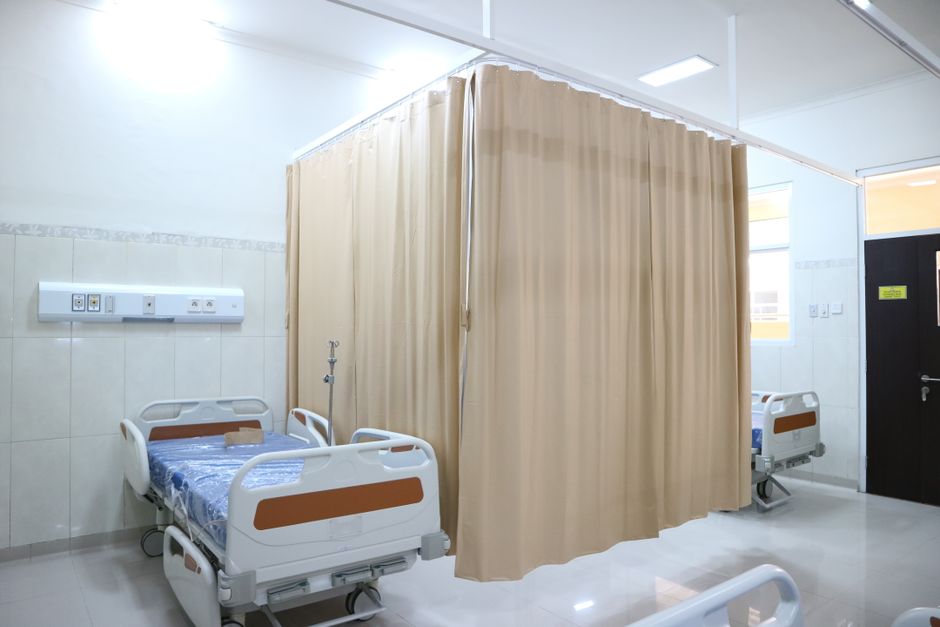
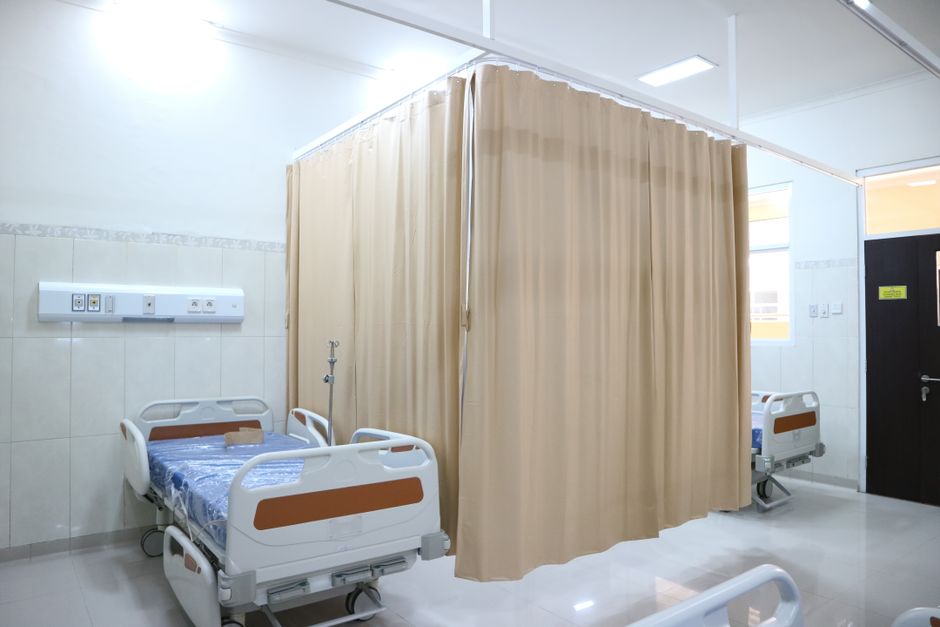
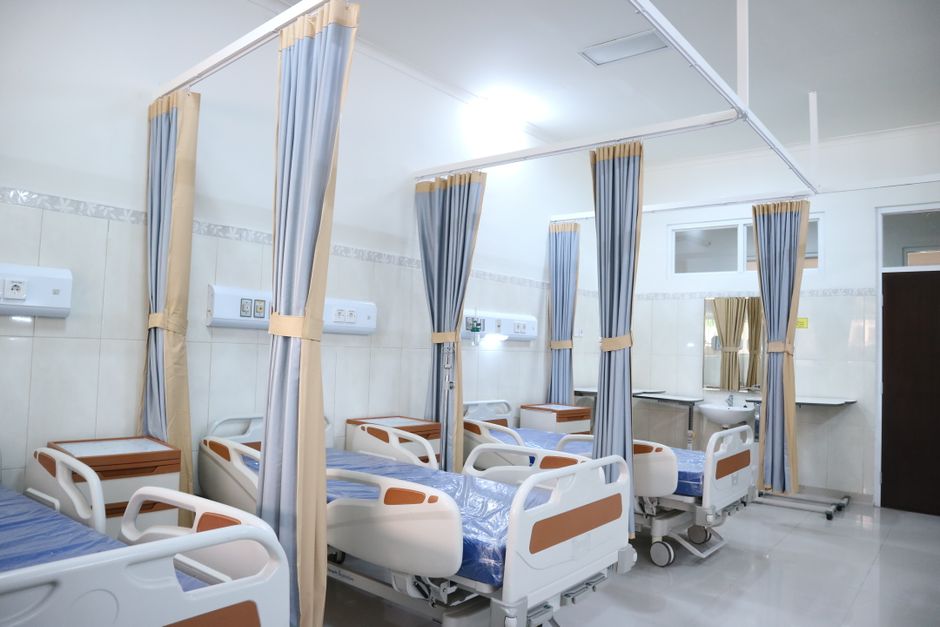
    Spacious hospital ward in Surabaya, Indonesia

    Alt: Spacious hospital ward in Surabaya, Indonesia with multiple medical beds and privacy curtains. | 来源: pexels

    In June 2026, a synchronized global shift in infection control protocols and sustainability mandates has fundamentally altered the landscape for facility upgrades, forcing procurement teams to reevaluate their bulk purchasing strategies. The recent implementation of updated international health guidelines now explicitly dictates the material composition, cleanability, and structural integrity required for all clinical environments. For procurement managers and facilities directors, this means that standard seating and basic casework no longer meet baseline compliance in many jurisdictions. Every piece of hospital furniture acquired for new wings, renovations, or routine replacements must now undergo rigorous testing for pathogen resistance, chemical degradation, and load-bearing durability. Early data indicates that institutions failing to update their sourcing criteria to match these 2026 mandates face significant delays in commissioning new patient care areas, as health inspectors increasingly enforce strict documentation regarding cleanroom-compatible finishes and antimicrobial efficacy. This regulatory pivot requires an immediate, evidence-based response from healthcare project consultants and bulk hospital furniture suppliers to ensure continuous operational capacity.

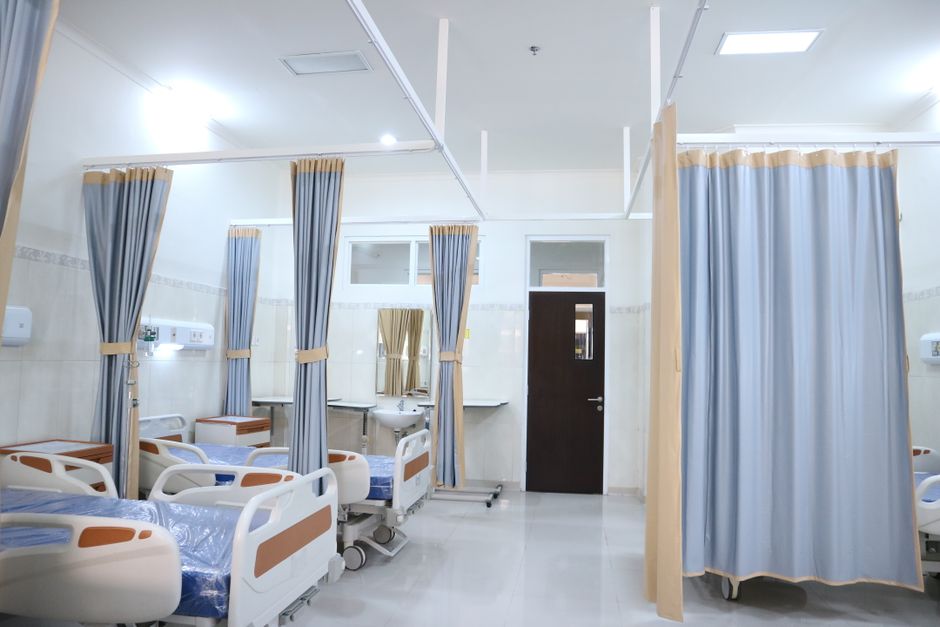
    Spacious hospital room in Baku

    Alt: Spacious hospital room in Baku featuring medical beds and equipment. | 来源: pexels
    Industry Background — The Context Behind This Development

    The transition toward highly regulated clinical environments did not occur overnight. Over the past five years, healthcare-associated infections and post-pandemic operational realities have driven a wedge between standard commercial furnishings and specialized hospital furniture. Historically, facility managers often bridged budget gaps by utilizing commercial-grade items in low-acuity settings. However, the rise of resilient pathogens has rendered porous surfaces and unsealed joints unacceptable across all clinical settings. By late 2025, regulatory bodies in North America and the European Union began drafting unified frameworks that specifically target the built environment as a critical vector for disease transmission. These frameworks shifted the burden of proof directly onto manufacturers and the facility directors who source from them.

    Consequently, the industry has witnessed a massive technological pivot. Manufacturers are moving away from traditional wood laminates and basic powder-coated metals toward non-porous, solid-surface polymers, high-grade medical stainless steel, and advanced copper-infused composites. Antimicrobial hospital furniture materials are no longer considered a premium upgrade; they are now a baseline regulatory expectation for high-traffic waiting areas, emergency triage zones, and specialized wards. This shift requires bulk hospital furniture suppliers to completely overhaul their manufacturing processes, ensuring that every seam, weld, and edge is sealed against fluid infiltration. The transition has also strained global supply chains for specialized raw materials, making early procurement planning more critical than ever for healthcare project consultants managing multi-phase facility rollouts.

    Furthermore, the definition of clinical spaces has expanded. Areas previously designated as administrative or semi-clinical, such as registration desks and consultation rooms, are now subjected to the same rigorous disinfection protocols as treatment areas. This reclassification means that standard office desks and seating are failing health inspections. Facilities are now required to source specialized, non-porous registration counters and wipeable seating to prevent cross-contamination between the public and frontline staff. To understand the operational impact of these environmental design changes, administrators can review detailed insights on how to improve healthcare design for better patient experience, highlighting the intersection of safety and spatial functionality.

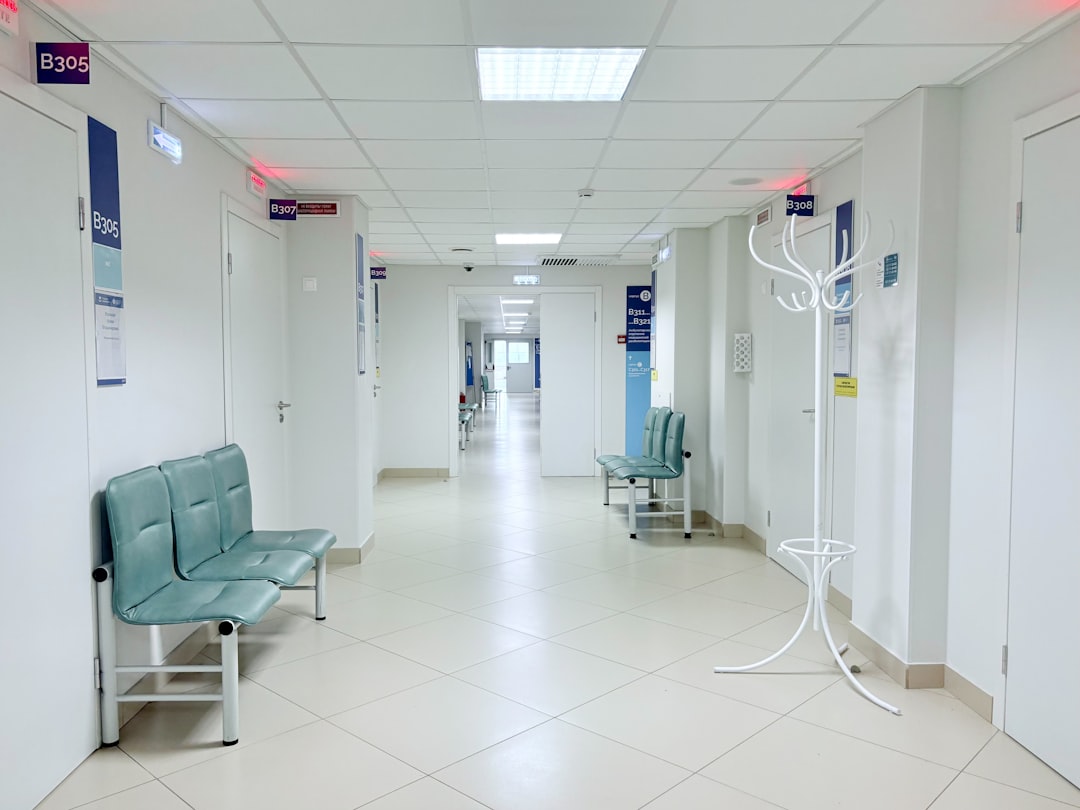
    Modern hospital corridor

    Alt: Modern hospital corridor with empty medical beds and sterile environment. | 来源: pexels
    Key Facts and What the Numbers Say

    To understand the gravity of the 2026 regulatory updates, procurement teams must analyze the specific metrics and data points driving these policy changes. The financial and clinical impacts of non-compliant environments are no longer theoretical. Industry analysts suggest that facilities utilizing outdated equipment are facing measurable setbacks in both operational efficiency and infection control metrics. The following data illustrates why hospital furniture specifications have become highly scrutinized under the new guidelines:

    Metric / Regulation 2025 Baseline Standard 2026 Updated Mandate
    Surface Cleanability Rating (Cycles) 1,500 chemical wipes 10,000+ chemical wipes without degradation
    Pathogen Retention Limit Generic antibacterial claim Less than 0.1% pathogen survival after 2 hours
    Dynamic Weight Capacity (Seating) 250 lbs (static) 400 lbs (dynamic, 24-hour use)
    VOC Emissions (Finishes) Standard commercial indoor air quality Zero-VOC emission cleanroom-compatible finishes

    According to recent market analyses, the demand for compliant furniture for intensive care units has surged by 42% in the first two quarters of 2026 alone. This spike correlates directly with the enforcement of the new environmental care guidelines, which penalize facilities for utilizing materials that degrade under high-concentration bleach or UV-C disinfection robots. Furthermore, supply chain data reveals that lead times for ISO 13485 certified medical beds have extended by an average of 18 days compared to 2025. This delay is attributed to the rigorous quality assurance processes required to validate the structural integrity and electronic safety mechanisms of modern patient beds.

    Another critical factor revealed by early 2026 data is the economic impact of premature product failure. Facilities that attempted to bypass updated specifications by purchasing transitional or non-certified clinical seating reported a 35% increase in replacement costs within an 8-month observation period. The harsh reality is that standard upholstery and standard steel frames cannot withstand the newly mandated 10,000-cycle cleaning protocols. For a deeper look into the structural and clinical benefits of upgrading patient care equipment, administrators can explore resources detailing how a medical bed and improve patient care strategies are directly linked to regulatory compliance.

    How This Affects Hospital Procurement Decisions

    The stringent 2026 mandates have fundamentally disrupted traditional procurement models. Hospital purchasing departments can no longer rely on legacy vendor catalogs or base decisions primarily on initial cost estimates. The risk of acquiring non-compliant assets is exceptionally high, leading to immediate operational bottlenecks. When evaluating bulk hospital furniture suppliers, procurement managers must now demand comprehensive, third-party verified testing documentation before issuing a request for proposal (RFP). This documentation must explicitly state the material’s resistance to specific hospital-grade disinfectants, such as accelerated hydrogen peroxide and quaternary ammonium compounds.

    Furthermore, the reclassification of clinical spaces means that purchasing teams must audit their entire facility footprint. Items previously sourced from commercial office suppliers, such as waiting room seating and administrative desks, must now be replaced with specialized hospital furniture. For instance, clinical waiting chairs must feature seamless, non-porous upholstery and a structural design that eliminates hidden crevices where dust and pathogens accumulate. Similarly, nurse station desks must incorporate continuous, sealed surfaces with integrated antimicrobial properties to protect frontline workers. The structural requirements for furniture for intensive care units are even more demanding, necessitating materials like Grade 304 or 316 stainless steel with specialized electropolished finishes.

    Budget forecasting has also become highly complex. While the initial capital expenditure for compliant hospital furniture is demonstrably higher than standard commercial alternatives, the total cost of ownership (TCO) over a five-to-seven-year cycle is significantly lower. Procurement managers must shift their internal narratives from upfront cost to long-term value, factoring in the extended lifespan of antimicrobial hospital furniture materials. For insights on sourcing custom solutions that meet these rigorous standards, buyers can review guidelines on tips for choosing custom high quality medical furniture manufacturer partnerships.

    Expert Perspective — What Industry Leaders Are Saying
    “The era of treating clinical furnishings as mere aesthetic additions is definitively over. When we specify hospital furniture today, we are effectively specifying an active infection control tool. Every joint, every surface texture, and every material choice must be defensible against a health inspection.”

    From an operational standpoint, a Director of Supply Chain at a major regional hospital network highlighted the critical importance of certification validation. “We have completely overhauled our vendor qualification matrix. We will not even review a product sample unless it comes with documented proof of ISO 13485 certified medical beds and seating compliance. The risk of bringing in a substandard patient chair or treatment table is too high. If the upholstery delaminates after six months of bleach wipes, we have essentially created a porous breeding ground for bacteria.”

    Furthermore, early data indicates that staff retention and satisfaction are positively correlated with these environmental upgrades. An infection control officer from a tertiary care center observed, “Nurses and clinical staff are acutely aware of their environment. Providing them with ergonomically sound, easily sanitizable workstations and breakroom furniture significantly reduces their anxiety regarding fomite transmission. It is a tangible demonstration that the administration prioritizes their safety as much as patient outcomes.”

    What Healthcare Facilities Should Do Now
    1
    Conduct a Comprehensive Environmental Audit Facility managers must map every piece of currently deployed hospital furniture against the new 2026 cleanability and material standards. Identify all items with porous surfaces, unsealed seams, or degraded coatings.
    2
    Update Internal Procurement Policies Revise all institutional RFP templates to explicitly mandate compliance with the new surface durability cycles (e.g., 10,000+ cleaning cycles) and pathogen retention limits. Remove any language that allows for standard commercial-grade furnishings.
    3
    Consolidate Your Supply Chain Engage exclusively with bulk hospital furniture suppliers who maintain transparent manufacturing processes and hold current, relevant certifications. Establishing a strategic partnership with a dedicated medical manufacturer streamlines quality control.
    4
    Prioritize Total Cost of Ownership (TCO) Over Initial Price Demonstrate that while a Grade 304 stainless steel treatment cart requires a higher initial capital outlay, its resistance to chemical degradation will extend its operational lifespan by several years.
    5
    Implement Staff Training on Material Limitations Infection control teams must cross-reference the manufacturer’s chemical compatibility charts with the facility’s environmental services (EVS) protocols to ensure cleaning staff understand which disinfectants are safe.
    6
    Validate Weight and Ergonomic Ratings Ensure that all newly procured clinical seating, overbed tables, and patient transport equipment meet the updated dynamic weight ratings. Specify furniture rated for a minimum of 400 lbs. dynamic load.

    By executing these steps methodically, healthcare administrators can transform a daunting regulatory challenge into an opportunity to permanently elevate the standard of care. For a broader understanding, decision-makers can explore a healthcare furniture comprehensive guide to essential medical equipment.

    As the healthcare sector continues to adapt to these rigorous 2026 standards, aligning with a manufacturer that inherently understands the intersection of clinical compliance, durability, and ergonomic design is crucial. Zhobai Hospital Furniture Company specializes in custom healthcare solutions, providing CE and ISO 13485 certified products ranging from nurse station desks and ward beds to medical carts and clinical waiting chairs. By utilizing advanced antimicrobial hospital furniture materials and cleanroom-compatible finishes, our product lines are engineered specifically to meet the stringent 2026 infection control mandates. We empower facilities directors, procurement managers, and healthcare project consultants to source compliant, long-lasting hospital furniture with confidence, ensuring that every patient room and clinical area remains safe, functional, and fully prepared for the future of modern medical care.

  • Exclusive Interview with Chief Spatial Designer Ms. Chen of Zhobai: “Hospital Furniture Should Grow With the Space Instead of Being Merely Placed In”

    Exclusive Interview with Chief Spatial Designer Ms. Chen of Zhobai: “Hospital Furniture Should Grow With the Space Instead of Being Merely Placed In”

    Publication Date: May 2026

    Editor’s Note

    Within the medical furniture sector, design is often dismissed as an ornamental add-on. At Zhobai, however, design sits at the core of all operations. Every detail from spatial layout planning and material selection to dimensional refinement and circulation routing directly impacts clinical staff efficiency and patient experience. In this issue, we interview Ms. Chen, Chief Spatial Designer at Zhobai, to unpack the underlying logic behind hospital interior design.

    Q
    Many hospital developers raise the same question: why invest in dedicated spatial design services when furniture can simply be ordered directly from manufacturers?

    Ms. Chen: I get asked this on nearly every project. The reasoning is straightforward: a hospital is far from a generic open space, consisting of dozens of functionally differentiated zones. Outpatient lobbies see heavy foot traffic and demand wear-resistant, easy-to-clean flooring and seating; ICUs enforce stringent hospital infection control standards, requiring furniture with seamless, antibacterial surfaces; nurse stations act as core hubs for care workflows, where even minor dimensional or positional mismatches for medication carts, medical trolleys and storage systems can add thousands of unnecessary steps to nurses’ daily rounds.

    Uniform material specs and standard sizing across all areas inevitably lead to premature wear, poor sanitation or wasted floor space. Our spatial design service pinpoints optimal material combinations and dimensional specifications tailored to individual zones while staying aligned with available project budgets.

    Q
    Does Zhobai follow unique internal criteria for material selection?

    Ms. Chen: We adhere to an in-house Three-Dimensional Material Matching Framework built on three core pillars:

    • First, functional requirements including antibacterial performance, corrosion resistance and load-bearing capacity;
    • Second, application scenarios such as high-touch public areas, patient accommodation zones and clinical workstations;
    • Third, allocated budget brackets.

    Final material recommendations are determined by cross-referencing all three dimensions.

    Take bedside cabinets for inpatient wards as an example. Cost-effective eco-friendly melamine board works well for standard hospital rooms, while SUS304 stainless steel or antibacterial engineered stone countertops are mandatory for ICU settings due to frequent intensive disinfection. We also customize medical trolleys by department: pediatric versions feature child-friendly customized color schemes and patterns, whereas surgical trolleys adopt multi-compartment, large-capacity layouts for surgical instrument storage.

    Q
    Space optimization and budget containment frequently conflict with each other. How does your team strike a viable balance?

    Ms. Chen: This is one of our flagship competencies. Most budget overruns in hospital furniture procurement stem not from overspending on premium products, but from ill-conceived sizing and layout that trigger costly rework or idle unused furniture post-installation.

    Our solution involves 1:1 scaled digital spatial simulation at the render design phase. All hospital beds, nurse trolleys, medical carts and storage cabinets are digitally mapped into 3D site models to refine circulation paths and spacing. Simple tweaks such as adjusting bed orientation or trimming 20 centimeters off nurse station countertops can free up over 15% extra usable space without compromising functionality.
    Q
    What does true customization entail for medical furniture?

    Ms. Chen: Customization goes well beyond superficial color swaps. Authentic bespoke design modifies furniture dimensions, materials, functionality and aesthetics to match a hospital’s on-site measurements, departmental workflows, clinical operating routines and local regulatory codes.

    For a recent Middle Eastern project, religious cultural norms required specific directional alignment and partitioned layouts inside patient rooms, which we integrated into the configuration of hospital beds and accompanying attendant furniture. We have also redesigned bed rail structures for international clients whose local healthcare codes mandate non-standard railing height specifications—outcomes impossible to achieve with off-the-shelf standard furniture.

    Q
    What advice would you give to clients in the early stages of hospital construction?

    Ms. Chen: Always incorporate furniture and spatial planning during the civil engineering phase, rather than sourcing furniture once interior fit-out finishes. Early-stage design integration drastically cuts rework expenses and project lead times. For clients unsure where to begin, partnering with a full-service provider like Zhobai—delivering end-to-end solutions spanning planning, design, manufacturing and ocean freight—streamlines the entire development cycle.

    Hospital Furniture Design 1
    Hospital Furniture Design 2
    Hospital Furniture Design 3
    Hospital Furniture Design 4

  • CHICC 2026: Zhobai Wins Top 10 Medical Brand

    CHICC 2026: Zhobai Wins Top 10 Medical Brand

    Zhobai Honored as “Top 10 Hospital Furniture Supplier in China” at the 14th China Hospital Construction Awards for Consecutive Years

    CHANGZHOU, CHINAJiangsu Zhongbai Medical Technology Co., Ltd., recognized globally by its premium brand Zhobai, has officially been named one of the “Top 10 Hospital Furniture Suppliers in China” at the prestigious 14th China Hospital Construction Awards. The highly anticipated accolade was announced during the 2026 China Hospital Construction Conference (CHICC), the premier and most influential event for healthcare infrastructure, architecture, and hospital design in the region.

    This milestone marks consecutive years that Zhobai has captured this top-tier industry honor, cementing the company’s long-standing reputation as a reliable, innovative, and quality-driven leader in the complex medical environment sector.

    🏆
    Industry Benchmark of Excellence

    The China Hospital Construction Awards are widely regarded as the definitive benchmark of excellence within the domestic medical infrastructure industry. Winning the “Top 10” title multiple years in a row is a testament to Zhobai’s sustained capability to deliver high-end, complex FF&E (Furniture, Fixtures, and Equipment) solutions that meet the rigorous demands of modern, patient-centric healing spaces.

    🏗️
    Elevating Healthcare Environments Through Turnkey Engineering

    As global healthcare facilities transition toward healing-oriented, highly durable, and technologically integrated spaces, the role of medical furniture has evolved far beyond basic utility. Zhobai’s customized engineering solutions bridge the critical gap between architectural vision and clinical functionality. By integrating modern, sophisticated design aesthetics with robust durability, the company optimizes hospital workflows while significantly enhancing the overall patient and caregiver experience.

    Unlike traditional manufacturers, Zhobai distinguishes itself through a true “one-stop” engineering approach. The company manages the entire project lifecycle—from specialized 3D spatial design and precision manufacturing to complex global logistics and professional on-site installation.

    Whether outfitting specialized ergonomic nurse stations, therapeutic patient wards, heavy-duty laboratory environments, or welcoming public waiting areas, the company ensures a seamless pipeline for large-scale medical projects.

    🛡️
    A Proven Legacy of Quality and Global Compliance

    Operating out of its advanced manufacturing hub, Zhobai is backed by rigorous ISO certification, ensuring that every product off the line meets strict international benchmarks for safety, environmental sustainability, and infection control. This commitment to standardized excellence is what makes the brand a trusted partner not only in domestic hospital construction but also for high-end international medical procurement.

    “Receiving this recognition from CHICC for consecutive years is a profound validation of our team’s relentless commitment to engineering safer, smarter, and more efficient healthcare environments,” stated a senior executive at Zhobai. “We understand that in the medical sector, we are not just supplying furniture—we are delivering integrated spatial solutions that directly impact patient care and staff efficiency. This honor inspires us to continue pushing the boundaries of functional, modern design and to further elevate our service standards for medical institutions around the world.”

    With a robust, resilient supply chain and proven expertise in cross-border medical project fulfillment, Zhobai is exceptionally positioned to support the ongoing global wave of modern hospital expansions, luxury clinic renovations, and smart healthcare facility upgrades.

    About Zhobai

    Jiangsu Zhongbai Medical Technology Co., Ltd. (Zhobai) is a premier provider of one-stop engineering furniture solutions, specializing in the medical, hospitality, and corporate sectors. With a focus on modern aesthetics, rigorous quality control, and comprehensive project management, Zhobai delivers turnkey spatial solutions to clients worldwide.

    Would you like me to also draft a corresponding social media post (e.g., for LinkedIn or Facebook) to help promote this press release and drive traffic to the Zhobai website?

  • How to Choose Custom Furniture That Fits Your Space?

    How to Choose Custom Furniture That Fits Your Space?

    Finding the right custom furniture really can change the vibe of a space and show off your personal style. When you’re picking out pieces, it’s good to think about not just how they look, but also how practical they are. Every room has its own personality, right? And custom furniture gives you the chance to tailor things so they fit your needs perfectly.

    A lot of folks forget to pay attention to quality and craftsmanship when designing their spaces. Take Custom Hospital Furniture as an example — it’s got to be sturdy and comfortable, especially since it’s used in tough environments. Investing in custom-made pieces can really boost both the functionality and the overall style.

    That said, the creative process isn’t always smooth sailing. It takes some planning, and it can be a bit tricky. Mistakes like wrong measurements or clashing styles can be frustrating, no doubt about it. But reflecting on these little hiccups can help you make smarter choices down the road. At the end of the day, just enjoy the process—you’ll end up with a space that feels truly ‘you’.

    How to Choose Custom Furniture That Fits Your Space?

    Understanding the Importance of Custom Furniture in Home Design

    How to Choose Custom Furniture That Fits Your Space?

    Custom furniture plays a vital role in home design. It allows you to maximize your space and express your style. Unlike standard options, custom pieces fit perfectly into your home. This ensures both functionality and aesthetics. Choosing the right furniture can enhance comfort and usability.

    Tips for selecting custom furniture include measuring your space accurately. Take note of doorways and windows. Consider the flow of your rooms. These elements impact how furniture fits and feels. Look for materials that resonate with your needs. Durability matters, especially in high-traffic areas.

    Customization isn’t just about aesthetics. Think about how each piece serves you. Custom Hospital Furniture China highlights this importance. It illustrates how furniture impacts functionality, especially in specialized settings. Always reflect on your choices. The best designs often result from thoughtful consideration.

    Assessing Your Space: Measuring and Evaluating Requirements

    When assessing your space for custom furniture, careful measurement is crucial. Begin by measuring the dimensions of your room. According to industry reports, nearly 75% of consumers overlook this step. Accurate measurements help you avoid costly mistakes. Use a tape measure, and mark details on paper. Consider not just the area but also the layout. This includes doors, windows, and existing furniture.

    Understanding your needs is equally important. Think about functionality. Will the furniture serve multiple purposes? For instance, a sofa bed can maximize space in a small living area. A recent survey indicated that 60% of homeowners prefer multifunctional designs. Evaluate your lifestyle too. If you entertain often, prioritize comfortable seating. On the other hand, if you seek a peaceful retreat, focus on a serene aesthetic.

    Lastly, reflect on your aesthetic preferences. Your choice of style should harmonize with your existing decor. This alignment creates a cohesive look. Remember, the goal is not just to fill space but to enhance it. Make choices that resonate with your vision, even if they require some trial and error. Custom furniture should feel personal. It should fit your life, not the other way around.

    Furniture Space Assessment

    Identifying Your Style: Choosing Aesthetic and Functional Preferences

    Choosing the right custom furniture begins with understanding your aesthetic and functional preferences. Consider the overall theme of your space. Is it modern, rustic, or minimalist? Look around. Identify elements that resonate with you. Think about colors, textures, and shapes you love.

    Now, let’s focus on functionality. What activities take place in your space? Do you entertain guests or work from home? Prioritize your needs. For example, a coffee table could be both stylish and practical. It should fit your daily routines. Ask yourself if the piece will serve its purpose well. Perhaps your choice feels off, or doesn’t quite match your vision. That’s okay. Reflect on adjustments.
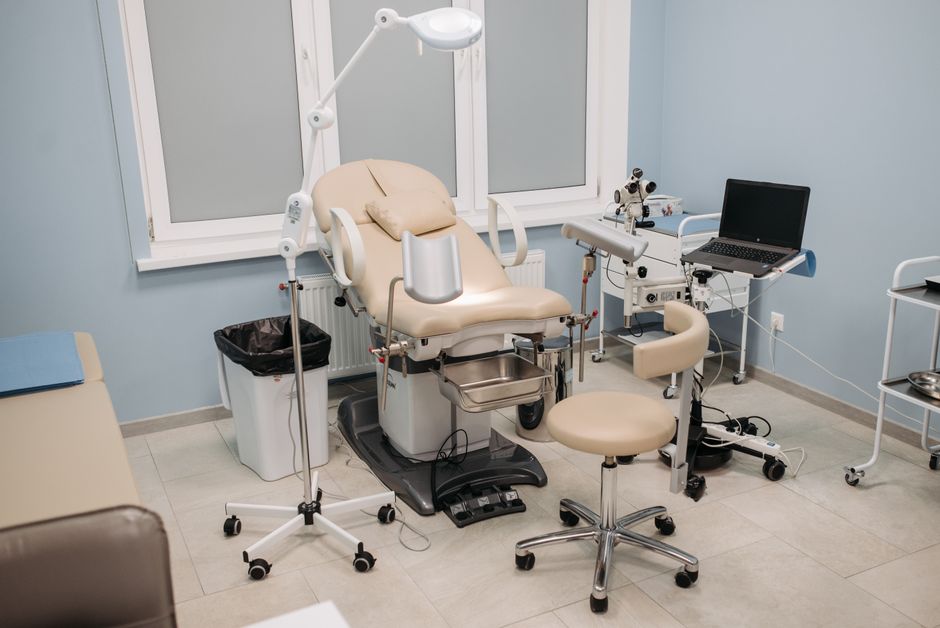
    Lastly, think about scale. Large pieces may overwhelm a small room, while tiny items might get lost in bigger spaces. Visualize how everything fits together. Remember, it’s about creating harmony. Don’t rush this process. Take your time to explore different styles. Be patient and trust your instincts about what feels right.
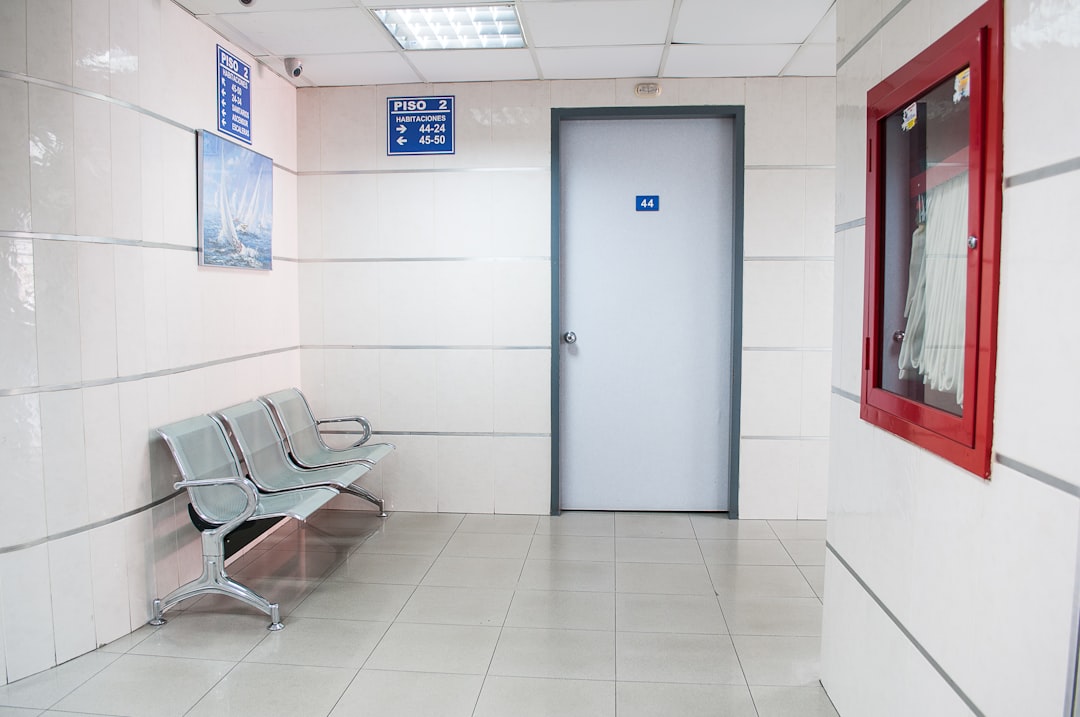
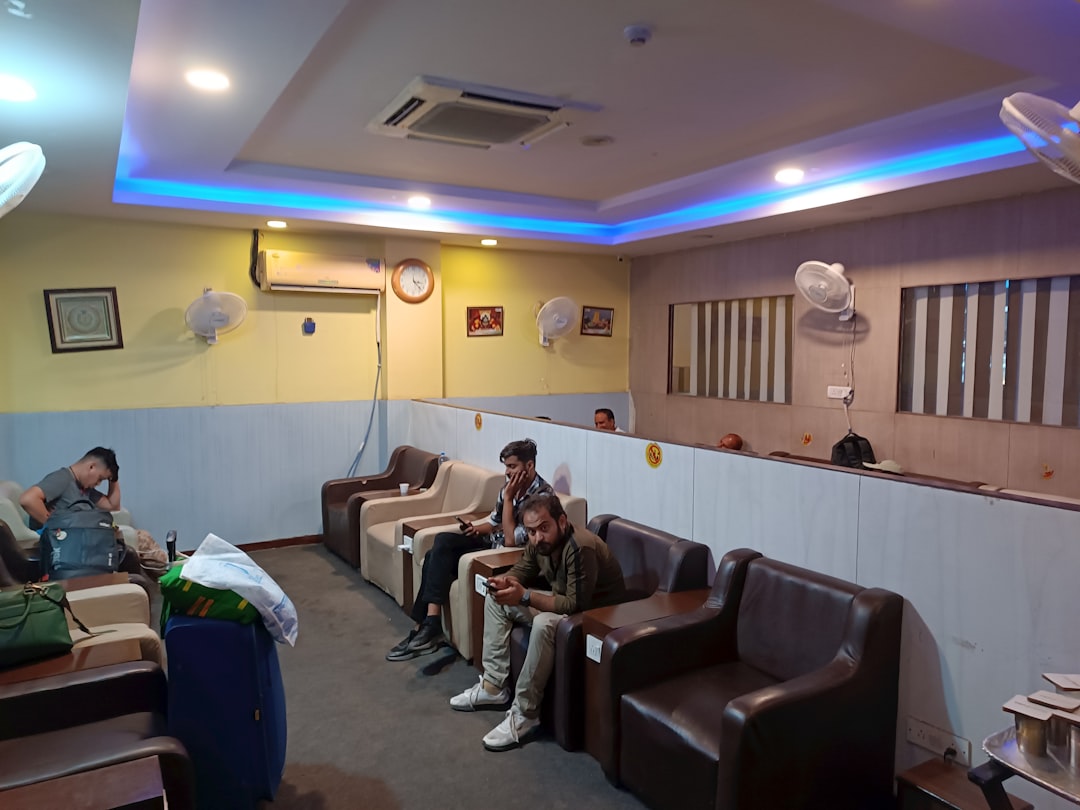
    Selecting Materials: Durability, Comfort, and Maintenance Considerations

    When selecting materials for custom furniture, durability is crucial. According to a report by the American Institute of Architects, durable materials can increase furniture lifespan by 30%. Solid wood, high-quality metals, and engineered wood are often recommended. These materials resist wear and tear, making them ideal for high-traffic areas.

    Comfort also plays a significant role. A study conducted by the Furniture Institute shows that ergonomic designs improve user satisfaction. Materials like memory foam in cushions provide support, while breathable fabrics enhance comfort. Always test samples before committing to a fabric or cushion style.

    Maintenance considerations cannot be ignored. Materials like leather require regular conditioning, while some fabrics may require professional cleaning. A Custom Medical Cabinet, for instance, should be made from materials that are easy to sanitize and maintain.

    **Tip**: When choosing materials, think about how often you will need to clean them.

    **Tip**: Keep in mind your local climate. Humidity can affect certain materials, leading to warping or deterioration. It’s important to reflect on your lifestyle and needs before making decisions.

    Budgeting for Custom Furniture: Setting Realistic Financial Limits

    Budgeting for custom furniture is essential for any space transformation. According to IBISWorld, the custom furniture industry is expected to grow by 3.5% annually. This growth reflects increasing consumer interest in tailored designs. However, creating a budget for custom pieces can be challenging.

    Begin by evaluating your financial limits. The average custom furniture piece can range from $1,000 to $5,000, depending on materials and craftsmanship. This wide range underscores the importance of knowing what you can afford. Many consumers overlook the cost of additional features, such as finishes or custom measurements, which can increase the total significantly. Allocating funds for these extras is wise.

    Consider the long-term value of your investment. A well-crafted piece of Clinic Furniture can last for decades. It’s not just about the immediate price but how it fits into your space and needs. Reflect on functionality, quality, and style. You may need to compromise on certain aspects to stay within your limits. Finding that balance is key to a successful purchase.

    Working with Designers: Collaboration for Tailored Solutions

    Collaborating with
    designers can transform your custom furniture experience. Their expertise allows for innovative ideas tailored to your space. A good designer will consider your lifestyle, preferences, and the room’s dimensions before presenting ideas. Effective communication is key. Make sure to share your vision and expectations clearly.

    During the process, you might encounter challenges. Designers may suggest materials or styles you hadn’t considered. It’s important to remain open-minded while also voicing your concerns. This back-and-forth creates a more refined approach. Trust their professional insights, but don’t hesitate to ask questions.

    Each space has unique qualities that deserve attention. A designer can help highlight these aspects. They can recommend functional arrangements that enhance flow and usability. However, achieving the right balance may take time and adjustments. Embrace the imperfect moments as part of the creative process. Ultimately, your collaboration will yield a result that feels authentic and personalized.

    Finalizing Your Design: Ensuring the Perfect Fit for Your Space

    When finalizing your design for custom furniture, precision is key. Accurate measurements of your space ensure that each piece complements rather than overwhelms. According to the American Society of Interior Designers, 67% of homeowners reported regret over furniture that didn’t fit properly. This common issue highlights the need for thoughtful planning.

    Before committing, consider the scale and proportion of your furniture. For instance, Medical Furniture often requires specific dimensions to accommodate functionality and accessibility. It’s essential to contemplate how each piece interacts with surrounding elements. Chandeliers and large art pieces can affect your perception of space.

    Don’t be afraid to reflect on possible miscalculations. It’s not rare for the final outcome to differ from expectations. Visualizing your space with digital tools can aid in making informed decisions. Remember, striking a balance between aesthetics and usability is crucial. Adjusting your design to fit well may involve a bit of trial and error, but the satisfaction of achieving the perfect fit is worth the effort.

    How to Choose Custom Furniture That Fits Your Space? – Finalizing Your Design: Ensuring the Perfect Fit for Your Space

    Dimension Measurement (in inches) Material Color Style
    Sofa 84 x 36 x 32 Leather Brown Modern
    Coffee Table 48 x 24 x 18 Wood Natural Rustic
    Dining Table 72 x 36 x 30 Glass Clear Contemporary
    Bookshelf 60 x 30 x 12 Metal Black Industrial
    Bed Frame 80 x 60 x 14 Fabric Grey Scandinavian

    Innovative LED Reception Desk Design for Enhancing Luxury in Beauty Salons, Hotels, Schools, and Gyms

    In the ever-evolving landscape of interior design, the reception desk serves as a pivotal element in setting the tone for various commercial spaces, including beauty salons, hotels, schools, and gyms. The modern minimalist reception desk, characterized by its tempered glass front and matte black base, epitomizes sophistication and elegance. Its clean lines and sleek design not only contribute to a luxurious aesthetic but also ensure durability, making it an excellent choice for high-traffic environments.

    One of the standout features of this contemporary reception desk is its LED ambient lighting. This innovative lighting solution enhances the visual allure of the desk, creating an inviting atmosphere that captivates visitors. The large countertop provides ample space for staff to manage check-ins and inquiries effortlessly, while the easy-to-clean surfaces maintain the desk’s pristine appearance over time. The seamless combination of functionality and style makes this reception desk an ideal focal point in a range of settings, ultimately elevating the overall experience for clients and guests alike.

    FAQS


    : Why is durability important when selecting materials for furniture?

    : Durable materials can extend furniture lifespan by 30%. They resist wear and tear, ideal for high-traffic areas.


    What materials are recommended for durable furniture?

    Solid wood, high-quality metals, and engineered wood are often recommended for their durability and resilience.


    How does comfort affect furniture selection?

    Ergonomic designs improve user satisfaction. Materials like memory foam in cushions and breathable fabrics enhance comfort significantly.


    Should I test samples before making a choice?

    Yes, always test fabric and cushion samples. This helps ensure the comfort and suitability of your selection.


    What maintenance considerations should I keep in mind?

    Certain materials like leather require regular conditioning. Some fabrics may need professional cleaning for upkeep.


    How does climate affect material choices?

    Local humidity can warp or deteriorate certain materials. Reflect on your climate when choosing materials.


    How can I effectively communicate with a designer?

    Clearly share your vision and expectations with the designer. Good communication is crucial for a tailored outcome.


    What challenges might I encounter while working with a designer?

    Designers may suggest unexpected styles. Stay open-minded but voice concerns for a better creative process.


    How can a designer enhance my space?

    A designer can highlight unique qualities of your space and recommend functional arrangements to optimize usability.


    Is it okay to embrace imperfections during the process?

    Yes, embracing imperfect moments is part of the creative process. Adjustments may be necessary to achieve your vision.

    Conclusion

    Selecting custom furniture is a vital aspect of home design that allows you to create a space that truly reflects your style and needs. The process begins with assessing your space by measuring dimensions and evaluating requirements to ensure that the furniture will fit appropriately. Identifying your personal aesthetic and functional preferences is crucial, as it guides the selection of styles that resonate with you.

    Additionally, considering materials for custom furniture is important for ensuring durability, comfort, and ease of maintenance. Budgeting realistically is key to managing expenses while accommodating your vision. Collaborating with designers can help to refine your ideas and produce tailored solutions, ultimately leading to a finalized design that ensures a perfect fit for your space. By following these steps, you can confidently invest in custom furniture that enhances both the functionality and beauty of your home.

    Blog Tags:

    Sophia

    Sophia

    Sophia is a dedicated marketing professional with extensive expertise in the healthcare furniture industry. As a key member of our team, she plays a vital role in shaping the company’s online presence and strategy through her insightful blog articles. With a profound understanding of our customized……


    Previous


    Why Choosing the Right Hospital Room Furniture Matters for Care?

  • Zhobai Delivers a High-End Custom Business Hotel Furniture Project, Offering One-Stop Service to Create a Premium Living Experience

    Zhobai Delivers a High-End Custom Business Hotel Furniture Project, Offering One-Stop Service to Create a Premium Living Experience

    zhobai delivers a high-end custom business hotel furniture project, offering one-stop service to create a premium living experience
    Recently, zhobai successfully completed and delivered a one-one-stop custom furniture project for a high-end business hotel. From early-stage space planning and material-size coordination to rendering previews, customized production, and ocean shipping, the team provided end-to-end exclusive services throughout the entire process. The solution perfectly matched the hotel’s upscale positioning and successfully addressed common pain points in hotel construction, such as mismatched furniture and spatial aesthetics, budget overruns, long delivery cycles, and complicated multi-party coordination. The project created accommodation and reception spaces that combine premium quality, practicality, and a luxurious atmosphere, helping the hotel enhance its core competitiveness.
    📋 Project Requirements
    Targeting mid-to-high-end business travelers, the hotel spans over 8,000 square meters and includes key areas such as the lobby reception area, guest rooms, conference rooms, executive lounge, and staff office spaces. During the early stages of construction, the hotel faced several core requirements: the furniture needed to align with the hotel’s minimalist and upscale design style while maintaining practicality and durability; furniture materials and dimensions for different areas (guest rooms, conference rooms, lounges) had to be precisely adapted to maximize space utilization; the project budget needed to be controlled while ensuring furniture quality and meeting delivery deadlines without affecting the hotel’s opening schedule; and the hotel hoped to achieve seamless integration across the entire “design-production-delivery” process to avoid communication errors and delays caused by coordinating multiple parties.
    In response to the hotel’s needs and pain points, the zhobai team thoroughly analyzed the hotel’s brand identity and spatial layout, combining them with the accommodation and office needs of business travelers to create an exclusive one-stop furniture solution. For the lobby reception area, natural marble countertops were paired with warm wood finishes to customize a curved high-end reception desk and light-luxury lounge sofas, highlighting the hotel’s premium atmosphere while optimizing traffic flow and improving reception efficiency. Minimalist decorative cabinets were added to balance storage and display functions.
    Lobby Area
    In the guest room area, minimalist and elegant bed frames, bedside tables, desks, and wardrobes were customized according to the dimensions of different room types (standard rooms, king rooms, and suites). Eco-friendly and wear-resistant fabrics and panels were selected to balance comfort and durability. Floating TV cabinets and built-in storage designs maximized space usage and reduced clutter, while warm ambient lighting around the headboards enhanced the room atmosphere. Rounded corners were added for both safety and refined aesthetics.
    Guest Room Area
    The conference rooms featured modular conference tables and comfortable office chairs adaptable to meetings of different sizes, paired with smart conference equipment storage cabinets to improve efficiency. The executive lounge used high-end leisure tables, chairs, and storage cabinets to create a relaxed yet luxurious atmosphere suitable for business negotiations and rest. For the staff office area, integrated office desks and filing cabinets optimized workflow efficiency while maintaining consistency with the hotel’s overall upscale style.
    Conference and Office Area
    To help the hotel visualize the proposed solution, the zhobai team produced detailed renderings covering furniture combinations, lighting effects, material textures, and overall ambiance for every area. From the lobby to guest rooms and from conference rooms to the executive lounge, every detail was accurately presented, allowing the hotel to clearly preview the final result. In response to requests such as “optimizing guest room furniture color tones” and “adjusting conference room layouts,” the team reacted quickly, revising the plans and renderings to ensure the solution perfectly matched the hotel’s high-end positioning and practical requirements.
    After the proposal was confirmed, zhobai launched the customized production process using premium manufacturing techniques and strict quality control at every stage—from material selection, cutting, and polishing to hardware installation. Multiple rounds of inspections ensured exceptional quality and attention to detail while optimizing the production timeline to avoid affecting the hotel’s opening schedule. All furniture supported personalized customization, including materials, dimensions, and styles, fully aligning with the hotel’s overall design concept. The guest room furniture incorporated recycled aluminum and bamboo-fiber composite materials, achieving zero formaldehyde emissions. Their unique matte texture created flowing light-and-shadow effects under lighting, delivering both environmental friendliness and a luxurious appearance while also reducing budget costs.
    “High-end business hotels have extremely high standards for furniture quality, style, and practicality. We were originally worried about finding a partner capable of meeting all these needs, but zhobai’s one-stop service completely exceeded our expectations,” said the hotel representative. “From early-stage planning to final delivery, professional teams followed up on every detail. The customized furniture not only perfectly matched the hotel’s upscale style but also balanced practicality and durability, while keeping the budget within expectations. This laid a strong foundation for the hotel’s opening and operations and further strengthened our core competitiveness.”
    The successful implementation of this high-end business hotel project has expanded the application scenarios of zhobai’s one-stop furniture solutions and demonstrated the team’s professional expertise and service advantages in the hotel furniture customization field. In the future, zhobai will continue optimizing its service system to provide customized, full-process furniture solutions for more luxury hotels and boutique hotel projects, helping hotels create differentiated premium experiences while increasing brand exposure, boosting independent website traffic and brand loyalty, and driving social media engagement and backlink growth.

  • zhobai Facilitates Implementation of County-Level General Hospital Furniture Project, Providing a One-Stop Solution to Address Construction Challenges

    zhobai Facilitates Implementation of County-Level General Hospital Furniture Project, Providing a One-Stop Solution to Address Construction Challenges

    zhobai Facilitates Implementation of County-Level General Hospital Furniture Project, Providing a One-Stop Solution to Address Construction Challenges

    Recently, zhobai successfully delivered a one-stop medical furniture solution for the new campus of a county-level general hospital. From early-stage space planning and material-size coordination to rendering previews, customized production, and sea freight delivery, the company provided dedicated one-on-one services throughout the entire process. This comprehensive approach effectively addressed key challenges commonly faced in hospital construction, such as “confusing material selection across multiple areas, inefficient space utilization, uncontrolled budgets, and complicated coordination among multiple parties.” The project helped the hospital create an efficient, safe, and human-centered medical environment, providing strong support for the upgrade of local healthcare services.

    Project Background & Challenges

    The new campus of the county-level general hospital covers more than 12,000 square meters and includes three major areas: the outpatient building, inpatient building, and medical technology building. The project involved multiple functional scenarios, including outpatient waiting areas, nurse stations, consultation rooms, inpatient wards, and medical staff office areas.

    During the initial construction phase, the hospital faced numerous challenges: different departments such as internal medicine, surgery, pediatrics, and emergency required furniture with varying materials and dimensions, making it difficult to balance medical safety, durability, and comfort in product selection; public spaces like outpatient waiting areas and inpatient corridors were limited in size, making it challenging to achieve both “efficient traffic flow and comfortable experiences”; the project budget was tight, requiring strict cost control while maintaining furniture quality and medical suitability; and traditional procurement methods required separate coordination with design, production, logistics, and other parties, resulting in high communication costs and difficult schedule management.

    Hospital Furniture Project Investigation

    Customized One-Stop Solutions

    In response to the hospital’s actual needs and pain points, zhobai established a dedicated project team that conducted a week-long comprehensive on-site investigation at the new campus. Combining insights from medical treatment processes, healthcare staff work habits, and patient needs, the team developed a customized one-stop solution.

    For the outpatient waiting areas, considering the high-frequency usage, they recommended wear-resistant, easy-to-clean, antibacterial eco-friendly panels paired with modular seating arrangements. The layout was optimized to maximize space utilization and alleviate congestion during peak consultation hours, while an intelligent wayfinding system was added to help patients quickly locate the correct departments. The nurse stations adopted an integrated custom design featuring antibacterial and stain-resistant countertops and storage cabinets, with precise size control tailored to nurses’ daily workflow. Rounded corners were added to enhance safety for both patients and medical staff. Customized nurse carts and medical trolleys were also designed to facilitate ward rounds and medication delivery.

    For inpatient wards, multifunctional hospital beds with companion seating and adjustable medical cabinets were customized according to the needs of different departments. Pediatric wards featured soft color schemes, rounded furniture, and cartoon elements to ease children’s anxiety, while adult wards balanced medical functionality with residential comfort. All hospital beds supported height adjustment to meet different rehabilitation requirements. In medical staff office areas, integrated office desks and filing cabinets were customized to optimize workflow and improve efficiency, while environmentally friendly and durable materials ensured a comfortable working environment for healthcare professionals.

    Customized Medical Furniture Layout

    Visualization & Quality Control

    To help the hospital visualize the proposed solution, the zhobai team created detailed full-scene renderings covering furniture layouts, material textures, lighting effects, and overall atmosphere for every area. From the outpatient building to the inpatient building, and from public spaces to specialized departments, every detail was clearly presented. This allowed the hospital to preview the final effect intuitively. In response to requests regarding department layout optimization and furniture dimension adjustments, the team quickly revised and iterated the plans, avoiding later rework and effectively shortening the construction timeline.

    After the proposal was confirmed, zhobai launched the customized production process. All furniture strictly complied with medical industry standards and underwent multiple rounds of quality inspections focusing on antibacterial performance, environmental protection ratings, structural stability, and durability. This ensured the products met the requirements of high-frequency hospital use and medical safety standards.

    Furniture for specialized departments such as emergency and pediatrics was specifically manufactured using anti-slip, impact-resistant, and easy-to-disinfect materials. After production, professional moisture-proof, shockproof, and damage-resistant packaging was used to safely transport the furniture to the hospital’s new campus by sea freight. The team continuously monitored logistics, customs clearance, and delivery processes while assigning dedicated personnel for coordination, ensuring all products arrived intact. This achieved a full-process closed loop covering “planning–design–production–delivery,” allowing the hospital to avoid coordinating with multiple suppliers while saving both time and effort.

    Medical Furniture Delivery and Installation

    “The construction funds and professional resources for county-level hospitals are limited. At the beginning, we were most concerned about furniture selection, space planning, and budget control. zhobai’s one-stop service perfectly solved all our problems,” said the hospital project manager. “From the early-stage research to the final delivery, the zhobai team consistently maintained a professional and efficient service attitude. The customized furniture precisely matched our needs, ensuring medical safety, optimizing space utilization, and controlling costs, laying a solid foundation for the successful operation of the hospital’s new campus.”

    Future Development

    The successful delivery of this county-level general hospital project further enriched zhobai’s portfolio of medical furniture projects and demonstrated the team’s professional strength and service advantages in large-scale healthcare institution projects. In the future, zhobai will continue to deepen its focus on the medical furniture sector, optimize its one-stop service system, and provide comprehensive customized solutions for more general hospitals, specialized hospitals, and other healthcare institutions. These efforts will support the high-quality development of the healthcare industry while enhancing the brand’s credibility and visibility and driving increased traffic to its independent website.