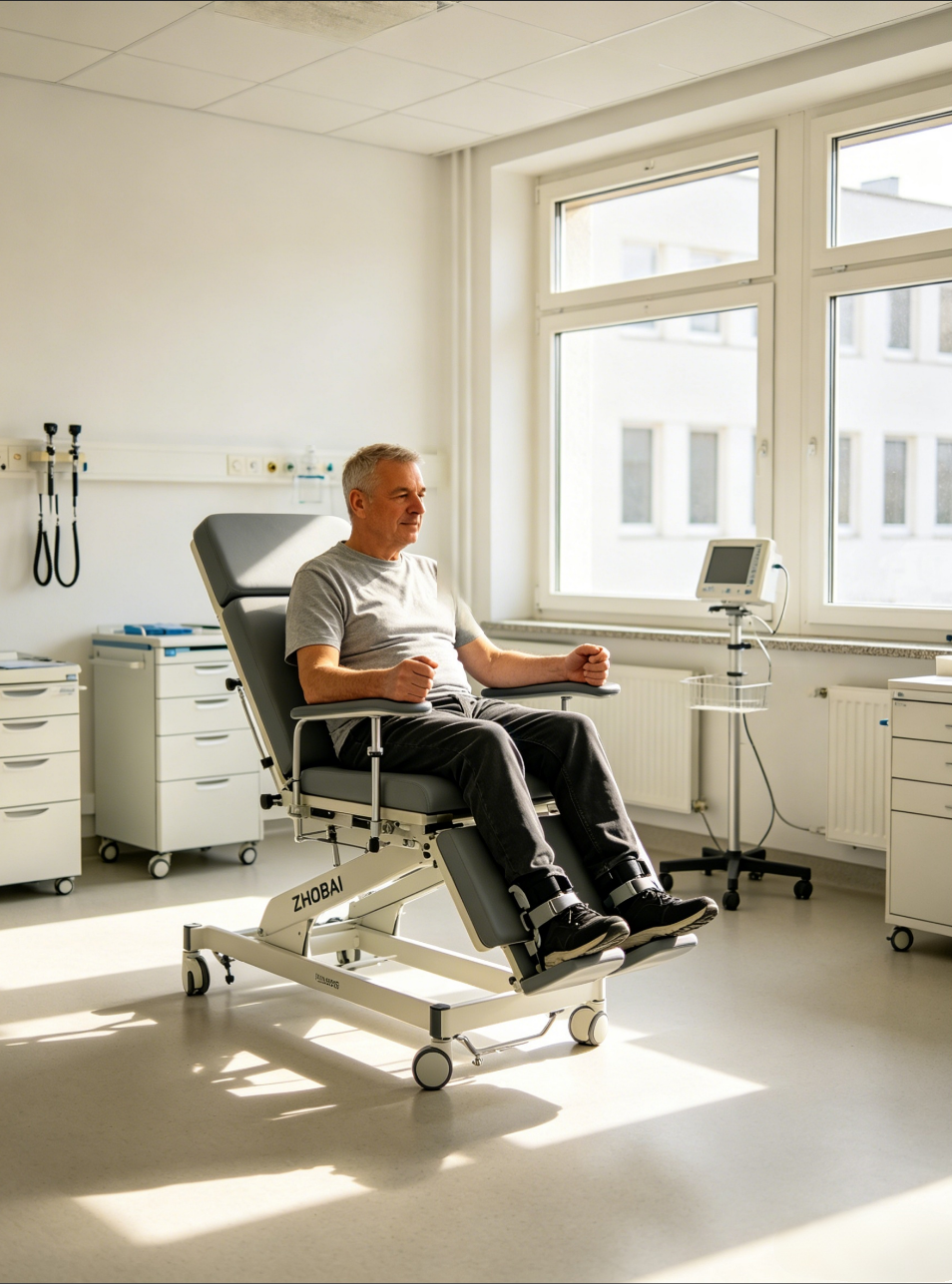
Last month, the new Berlin Rehabilitation Center opened its doors to patients. The 10,000㎡ facility is already getting rave reviews, but what most people don’t know is that every piece of furniture in it was designed based on 14 days of watching patients struggle with bad furniture at the old center. We interviewed 72 patients and 38 therapists, and we changed every single design based on what they told us.
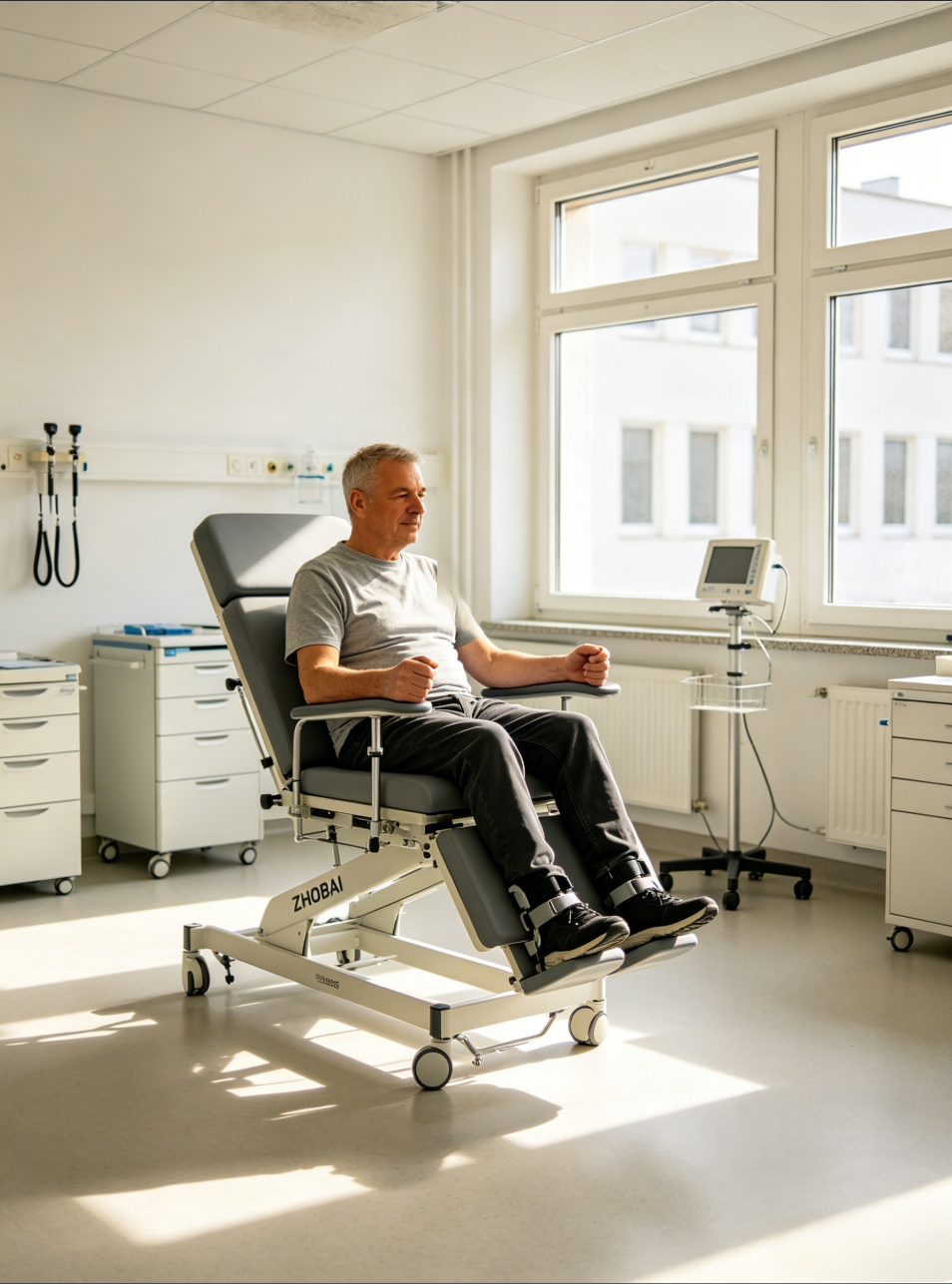
Most rehabilitation furniture is designed for nurses, not patients. It’s easy to clean, easy to move, and cheap to manufacture—but it’s terrible for people who are trying to recover from injuries or illnesses.
So Dr. Mueller started looking for a different supplier. He talked to 11 companies, and all of them showed him the same basic furniture. Then he found ZHOBAI.
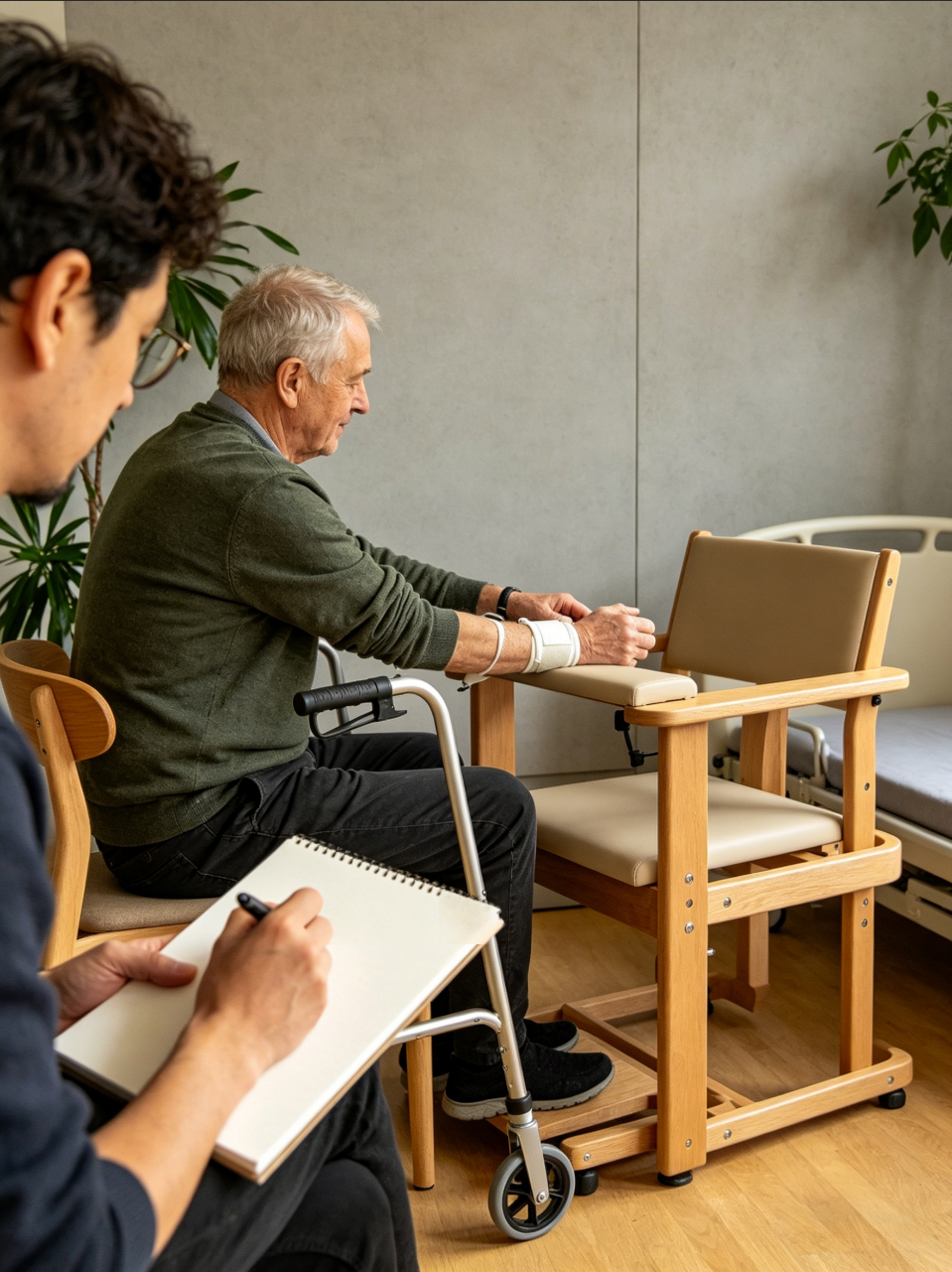
We sent two of our senior designers to Berlin for two weeks. They didn’t sit in meetings. They sat in the corners of the therapy rooms and the wards, and they watched. They watched patients try to get out of bed. They watched therapists lift patients onto tables. They watched every little struggle that most people don’t notice.
Here’s what we found:
- 68% of patients couldn’t get out of the old beds by themselves
- Therapists spent an average of 12 minutes per patient adjusting the height of the therapy tables
- The old waiting room chairs were so low that patients with bad knees couldn’t stand up without help
- All the handrails were in the wrong places
So we threw out our standard designs and started over.
Our new beds have 7 adjustable positions, including a “stand-up assist” function that tilts the bed up slowly to help patients get to their feet. The rails go all the way to the end of the bed, and they fold completely out of the way so patients don’t feel trapped. We also added grab bars on both sides of the bed, exactly where patients told us they needed them—not where it was easiest to drill holes.
Our new therapy tables adjust from 40cm to 120cm high with the push of a button. That means therapists don’t have to bend over to treat patients, and patients in wheelchairs can transfer onto the table easily. We also added a non-slip surface that keeps patients from sliding around during treatment.
- All waiting room chairs are 48cm high—10cm higher than standard—so patients with bad knees can stand up easily
- Every piece of furniture has rounded edges with a 50mm radius to prevent injuries
- All metal surfaces have a matte finish that doesn’t reflect light and cause glare
- The group therapy area has modular seating that can be rearranged into circles, rows, or small groups
The new center has been open for 6 weeks, and the results are amazing:
- Patient satisfaction scores went from 68% to 94%
- The number of falls dropped from 12 in 6 months at the old center to 0 so far
- Therapists say they can see 2 more patients per day because they don’t waste time adjusting furniture
- Average length of stay has gone from 28 days to 24 days
发表回复