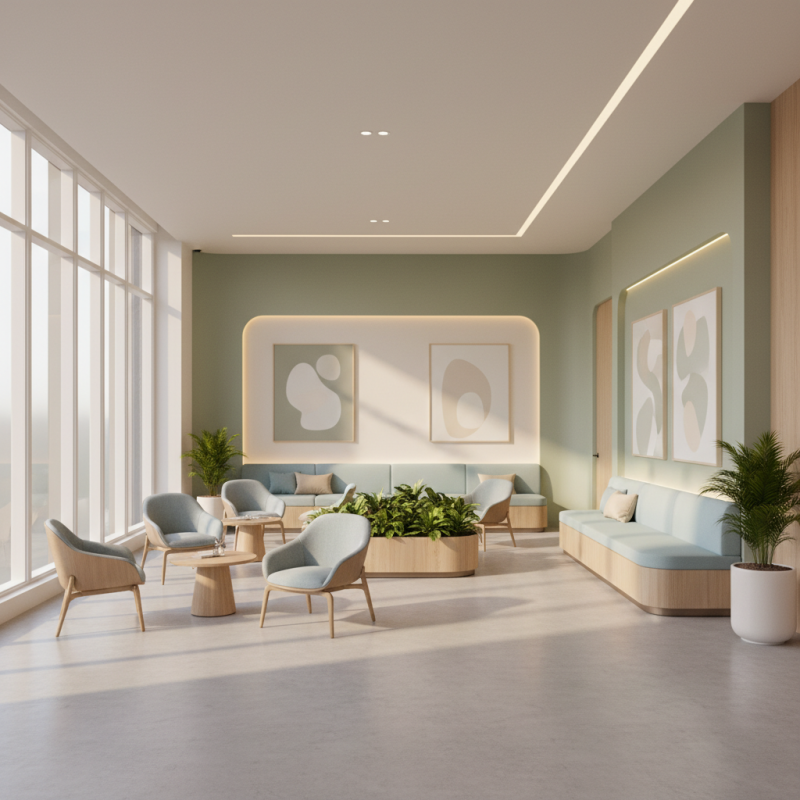
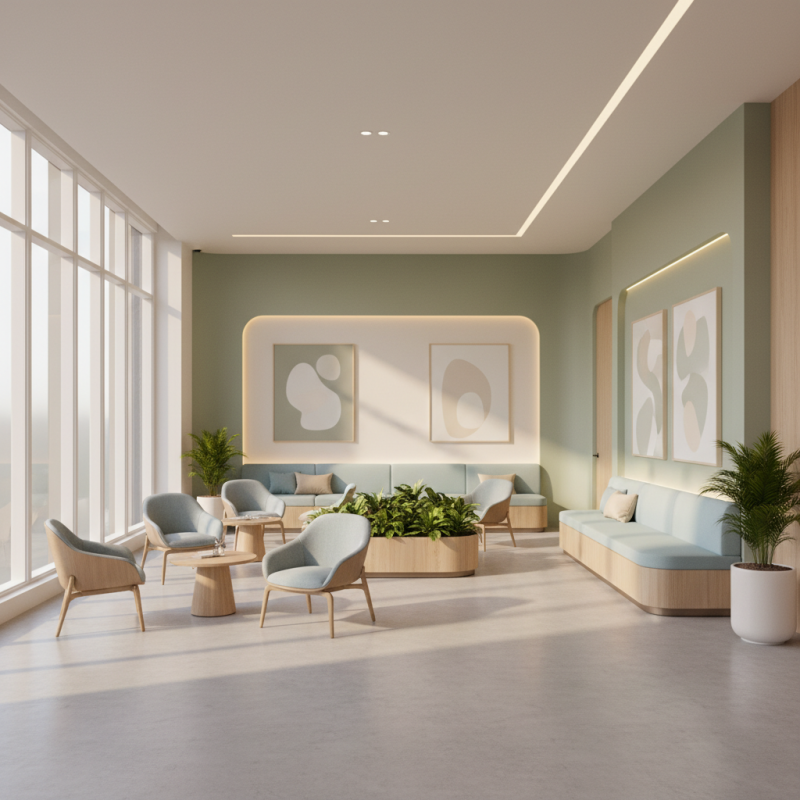
In today’s fast-changing world of healthcare, creating a really good Clinic Design is more important than ever for making patients feel comfortable and cared for. Putting some thought into how the space flows and functions can seriously boost how smoothly everything runs. These days, healthcare spaces should be all about comfort and easy access, while also calming visitors down and making the environment soothing.
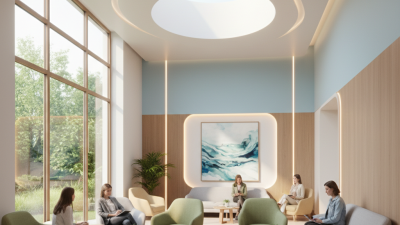
Adding features like lots of natural light and gentle, relaxing colors can make a pretty big difference. And don’t forget about clinic seating—having comfy chairs in waiting areas isn’t just about looks, it actually shapes how patients feel about the place. The furniture choices often say a lot about how a clinic cares for its patients. If the space feels uncomfortable or unwelcoming, it can add unnecessary stress — nobody wants that.
Of course, not every design decision is perfect — every clinic has its own challenges, whether it’s limited space or tight budgets. The key is to keep reflecting and tweaking as you go along. By thinking outside the box and aiming for innovative design ideas, healthcare facilities can really create environments that support healing and make people feel at ease.
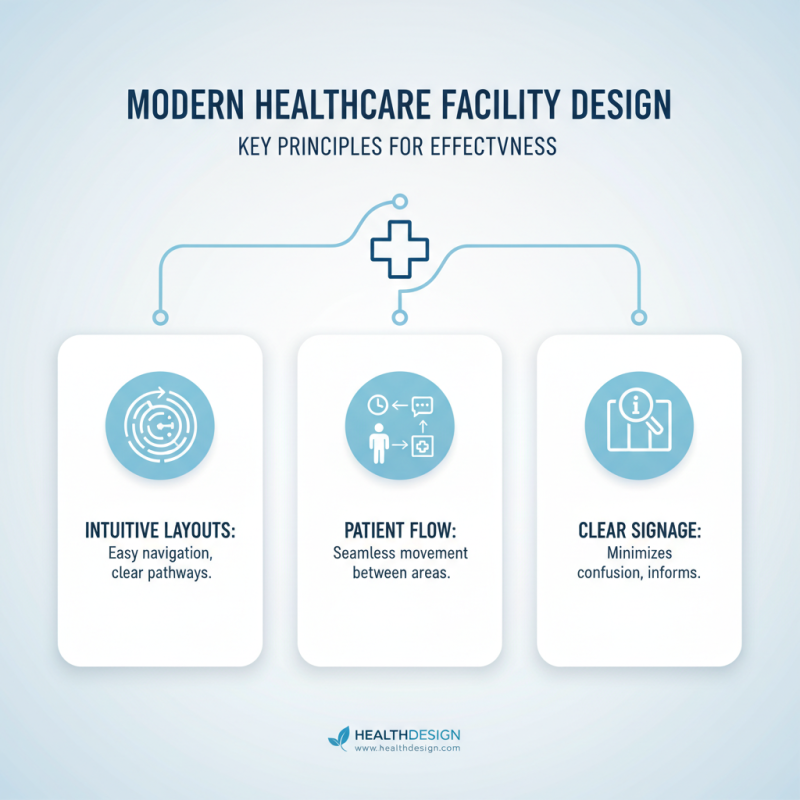
Modern Healthcare Facility Design: Key Principles for Effectiveness
Modern healthcare facilities require thoughtful design to enhance patient experience and operational efficiency. Effective design starts with understanding the flow of movement. Clear signage and intuitive layouts minimize confusion. Patients should easily navigate between waiting areas, consultation rooms, and treatment spaces.
Lighting plays a vital role in creating a calming atmosphere. Natural light can improve mood and help reduce anxiety. Consider large windows or skylights to bring the outdoors in. Use warm colors for walls and furnishings to promote a sense of comfort. Equally important is the incorporation of technology. Integration of digital systems can streamline patient check-in processes and reduce wait times.
An often-overlooked aspect is the flexibility of spaces. Design must adapt to changing healthcare needs. Modular rooms that can reconfigure for different uses are essential. This adaptability can respond to emergencies or expand services when necessary. Rethinking design choices can lead to better health outcomes. However, it’s crucial to gather feedback from both staff and patients. Continuously improving design based on real experiences fosters a truly healing environment.
Incorporating Patient-Centered Design in Clinic Layouts and Spaces
Incorporating patient-centered design is crucial for modern healthcare facilities. Research shows that a well-designed clinic can enhance patient satisfaction. A study from the Journal of Environmental Psychology indicates that the physical environment significantly affects patient comfort and perceived quality of care. This underscores the importance of clinic layout choices.
Key elements include natural light, spacious waiting areas, and accessible Clinic Counters.
Natural light can improve mood and reduce anxiety. Spacious waiting areas allow patients to feel less cramped, fostering a sense of calm. However, not all clinics offer these features. A significant number still have outdated designs that lack these considerations.
Moreover, involving patients in design discussions can lead to more tailored solutions. Gathering feedback from patients can highlight which aspects need improvement. A survey from the Center for Health Design found that facilities with patient feedback reports implemented more effective changes. Consequently, clinics should regularly assess their layouts based on patient experiences. This iterative approach can lead to continuous enhancement in care delivery while truly considering patient needs.
Utilizing Evidence-Based Design to Improve Patient Outcomes
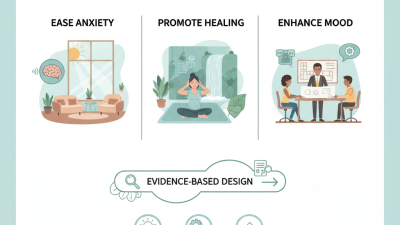
In modern healthcare, evidence-based design plays a crucial role. This approach emphasizes using research to improve patient outcomes. Thoughtful layout, natural light, and colors can significantly impact patient well-being. Creating spaces that reduce anxiety is a priority for many facilities today.
Tips: Consider the flow of movement in your design. Use Clinic Furniture that supports patient interactions. Comfortable seating areas can enhance the overall experience.
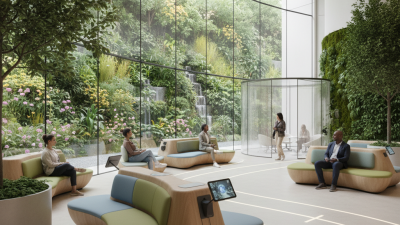
3D spaces allow patients to feel more at ease. Artwork and nature views can create a calming atmosphere. Flexible spaces can adapt to varied patient needs, which is essential. Features like green walls or water elements may promote healing.
Additionally, staff areas should be functional and inviting. Clutter-free environments contribute to calmness and efficiency. Make sure each piece of clinic furniture supports both staff and patient needs. Small changes can yield significant benefits.
The Role of Technology in Modern Healthcare Facility Design
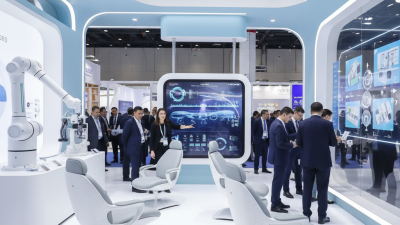
The integration of technology in modern healthcare facility design has transformed patient care. According to a 2021 survey by the American Institute of Architects, 78% of healthcare professionals believe technology enhances patient experience.
Digital tools improve communication between staff and patients. Smart systems also optimize workflows and resource management.
Creating intuitive layouts is essential. These designs should facilitate easy access to technology. For example, placing telehealth stations near waiting areas can provide convenience. However, over-reliance on technology can create barriers. Staff may struggle with complex systems, impacting patient interactions.
Tips: Incorporate flexible spaces in your design. This allows for future tech upgrades without major renovations. Ensure staff training on new tools is ongoing. Building a culture of adaptability can ease transitions to tech-based processes. Regular feedback from users can also pinpoint areas needing improvement.
Sustainable and Eco-Friendly Practices for Healthcare Architecture
In modern healthcare architecture, sustainable practices are gaining traction. Studies show that eco-friendly designs can reduce energy consumption by up to 30%. This is significant in an era where healthcare facilities account for about 10% of carbon emissions in the U.S. Using renewable materials and energy-efficient systems creates healthier environments for patients and staff alike.
The integration of natural light and green spaces can enhance patient recovery. Research indicates that access to daylight reduces the length of hospital stays. Moreover, incorporating features like an Ergonomic Clinic Chair reflects commitment to both patient comfort and sustainability. These chairs often use recyclable materials, minimizing waste while supporting health.
However, achieving sustainability is not without challenges. Many facilities struggle with balancing costs and eco-conscious designs. Upfront investments in green technologies can be daunting. Yet, the long-term benefits—such as lower operational costs and improved patient satisfaction—can outweigh these initial hurdles. Continuous evaluation and adaptation of design strategies are essential in pursuing more eco-friendly healthcare solutions.
Best Clinic Design Ideas for Modern Healthcare Facilities
Enhancing Workflow Efficiency through Strategic Space Planning
Modern healthcare facilities are rethinking their designs to enhance workflow efficiency. Strategic space planning plays a critical role in achieving this goal. A well-designed clinic layout can improve patient flow, reduce waiting times, and boost staff productivity. According to a study by the Facility Guidelines Institute, efficient design can increase staff productivity by 20% and reduce operational costs significantly.
Effective space planning starts with understanding the patient journey. By aligning clinical areas and patient services, clinics can minimize unnecessary movement. For example, placing clinic waiting room chairs near consultation areas can shorten waiting times. Lighting and materials must also be considered for a calming atmosphere. A comfortable environment not only improves patient satisfaction but also boosts staff morale.
Tips for optimizing clinic layouts include creating flexible spaces that adapt to various functions. Incorporate technology seamlessly into designs, allowing for digital check-ins and real-time updates. Use modular clinic waiting room chairs that can be easily rearranged to suit specific needs. While these strategies can elevate a clinic’s efficiency, challenges remain in balancing aesthetic appeal with functional requirements. Continual assessment of workflow and patient feedback can provide insights for ongoing improvement.
The Importance of Flexibility and Adaptability in Clinic Design
In modern healthcare facilities, flexibility and adaptability in clinic design are crucial. A report from the American Institute of Architects indicates that 70% of healthcare facilities need to accommodate changing patient demands. This trend highlights the importance of designing spaces that can evolve over time. Rooms with movable walls, modular furniture, and adjustable technologies can better respond to fluctuating needs.
Adapting to technological advancements is also key. A study by the Healthcare Information and Management Systems Society found that 80% of healthcare organizations are looking to integrate digital tools into their practices. This requires a design that supports telehealth and other innovations. Spaces should have the capacity for teleconferencing and remote examinations, integrating technology into everyday operations.
However, flexibility poses challenges. It can lead to higher initial costs and longer planning phases. Some facilities may find it difficult to balance aesthetics with functionality. This reflects a broader issue in healthcare design—a focus on patient-centered environments can sometimes overlook practical needs. Striking the right balance is essential for creating effective healthcare facilities.
Best Clinic Design Ideas for Modern Healthcare Facilities
Design Element
Importance
Benefits
Flexibility Features
Modular Design
Allows for easy reconfiguration
Adapt to changing needs
Interchangeable walls and sections
Natural Lighting
Enhances patient mood and healing
Reduces reliance on artificial lighting
Large windows and skylights
Patient-Centric Layout
Improves patient flow and experience
Enhances satisfaction and outcomes
Flexible waiting and consultation areas
Technology Integration
Streamlines processes and communication
Improves efficiency and accuracy
Built-in tech stations and charging points
Sustainable Materials
Supports environmental health standards
Long-term cost savings
Recyclable and energy-efficient options
Enhancing Customer Experience: The Impact of Custom High-Quality LED Reception Desks on Salon Aesthetic and Revenue
The aesthetics of a salon play a critical role in shaping customer experiences and driving revenue. A custom high-quality LED reception desk is not just a functional piece of furniture; it serves as a centerpiece that can enhance the overall ambiance of the space. With its dimensions of approximately 40” H x 144” W x 48” D, this customizable desk offers ample workspace for multiple staff members, making it ideal for environments where efficiency and luxury go hand in hand. The elegant white marble-effect laminate combined with a soft curved silhouette creates a sophisticated visual appeal that resonates with high-end clientele.
The built-in under-counter LED lighting adds an inviting glow, enhancing the overall aesthetic while reinforcing the brand’s identity. This feature is particularly essential in salons and wellness centers, where creating a relaxing and comfortable atmosphere can significantly impact customer satisfaction. By investing in such a reception desk, businesses can effortlessly merge style and functionality. The durable, stain and scratch-proof surfaces ensure that the desk not only looks stunning but also withstands the rigors of daily use, making it an excellent addition to any luxury hotel lobby or corporate headquarters.
Ultimately, the integration of a high-quality LED reception desk can redefine the customer experience, creating cohesive ambient branding that attracts clients and encourages repeat visits. Its luxurious design and practical attributes not only elevate the space but also contribute to the overall revenue, making it a wise investment for any establishment aiming to leave a lasting impression.
: It uses research to improve patient outcomes and enhance well-being.
How can layout affect patient experience?
Thoughtful layouts can reduce anxiety and improve comfort levels for patients.
What features can promote a calming atmosphere?
Artwork, natural light, and views of nature create serenity in healthcare spaces.
Why is flexibility important in clinic design?
Facilities need to adapt to changing patient demands and technological advancements.
What challenges come with flexible design?
Higher initial costs and longer planning phases may arise, complicating the design process.
How can small changes impact healthcare environments?
Minor adjustments, like comfortable seating, can lead to significant improvements in patient experience.
What role does technology play in modern healthcare spaces?
Design should integrate technology for telehealth and remote examinations effectively.
How can staff areas contribute to overall efficiency?
A clutter-free, inviting workspace enhances staff productivity and patient interaction.
What should clinics consider for patient interaction?
Clinic furniture should support comfortable communication and engagement between patients and staff.
Are there risks in focusing solely on patient-centered design?
Sometimes practical needs can be overlooked when prioritizing patient-centered environments.
Conclusion
The article “Best Clinic Design Ideas for Modern Healthcare Facilities” explores the essential principles of effective clinic design, focusing on the integration of patient-centered design elements. By prioritizing the needs and experiences of patients, modern healthcare facilities can enhance comfort and satisfaction. The use of evidence-based design strategies is highlighted as a way to improve patient outcomes, ensuring that the layouts and spaces contribute positively to health recovery.
Moreover, the role of advanced technology in clinic design is emphasized, showcasing how innovations can streamline operations and improve patient care. Sustainable and eco-friendly practices are also discussed, reflecting the growing importance of environmental considerations in healthcare architecture. Effective workflow is achieved through strategic space planning, and the need for flexibility and adaptability in clinic design is underscored to accommodate changing healthcare demands and advancements. Ultimately, these elements collectively contribute to the development of efficient and humane healthcare environments.
Sophia is a dedicated marketing professional with extensive expertise in the healthcare furniture industry. As a key member of our team, she plays a vital role in shaping the company’s online presence and strategy through her insightful blog articles. With a profound understanding of our customized……

发表回复